

South Africa is a sanctuary of wildlife, a land where the rhythm of nature pulses through the savannah, and where the legendary Big Five roam in majestic freedom. For beginners, venturing into this world can be both thrilling and daunting. Lions, leopards, rhinos, elephants, and buffalo each hold their own mystique and require a mix of patience, awareness, and respect. This guide is designed to equip you with the essential knowledge for identifying, photographing, and safely experiencing these iconic animals on a South African safari.
Understanding the Big Five
The term “Big Five” originally emerged from big-game hunting, referring to the five most challenging African animals to hunt on foot. Today, it symbolizes wildlife adventure and conservation. Knowing what distinguishes each animal is the first step in your safari education.
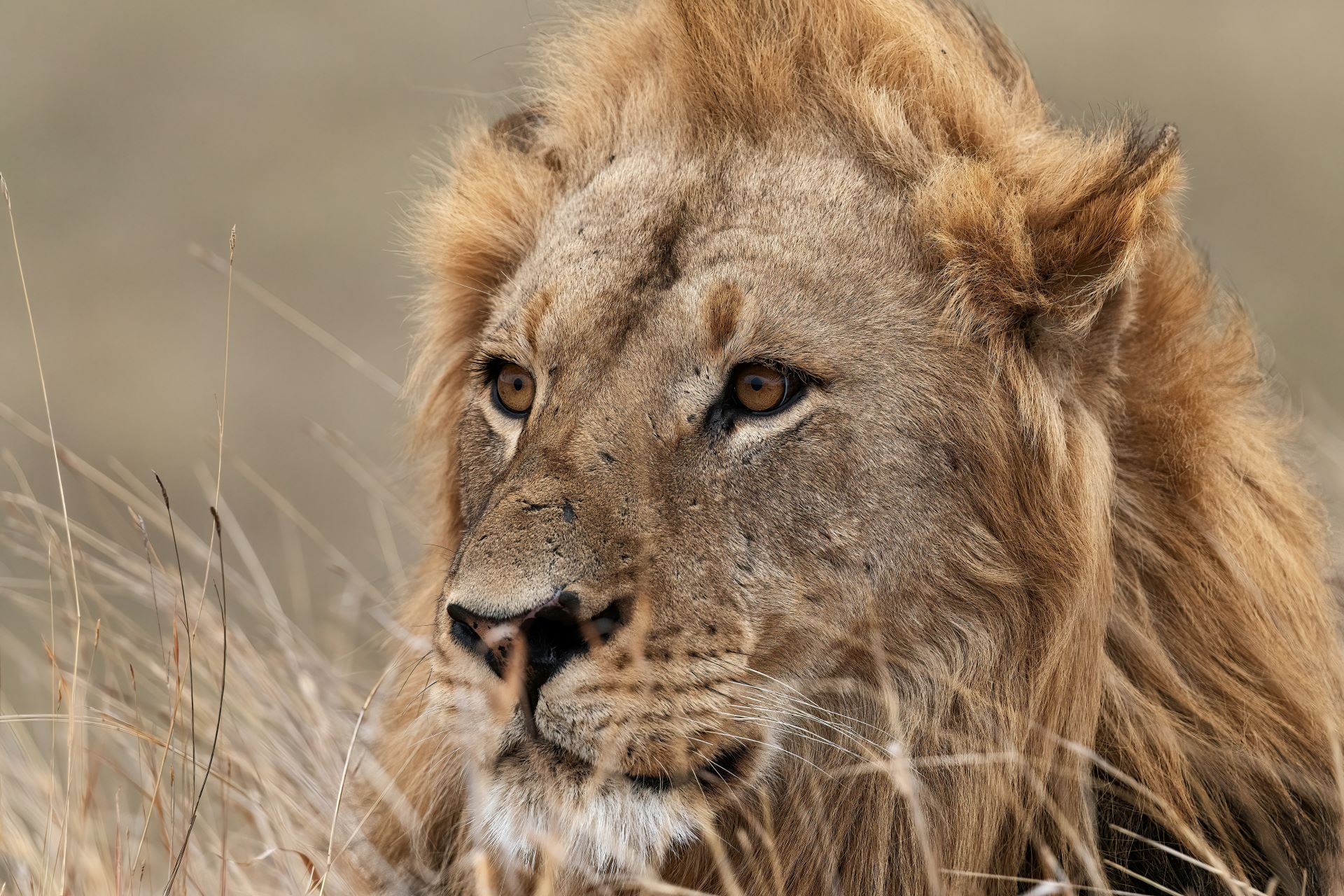
Lion: Africa’s most iconic predator. Males are recognised by their thick manes, females are leaner hunters, and prides work together in a complex social structure.
Leopard: The stealthy, solitary predator that favours dense bush and elevated vantage points. Spotting a leopard is rare, but unforgettable.
Rhino: Both black and white rhinos inhabit South Africa, with differences in lip shape, size, and behaviour. Conservation efforts make sightings increasingly precious.
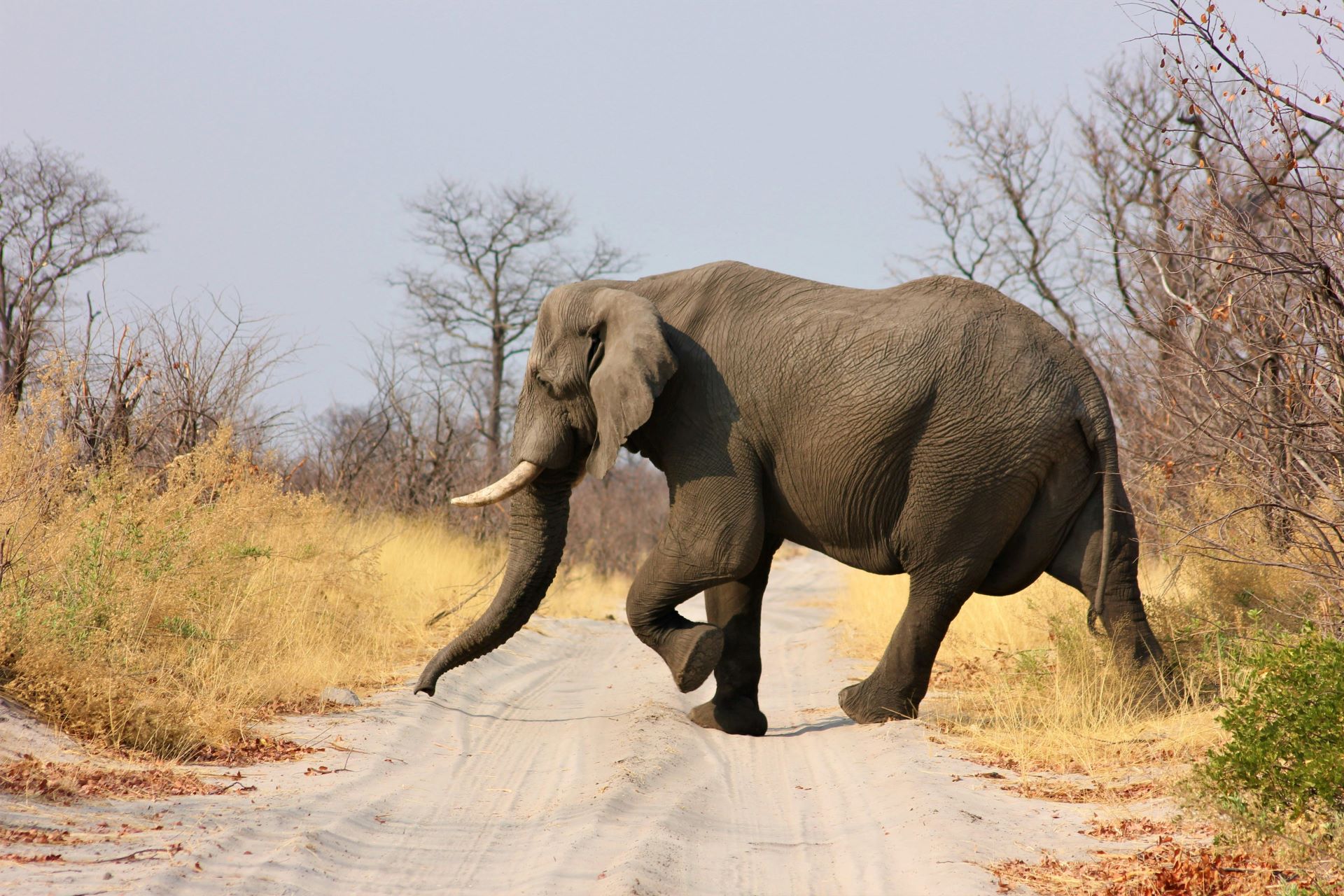
Elephant: Gentle giants with complex social bonds, matriarchal herds, and striking intelligence. They’re visible across many reserves and easy to identify by size and trunk.
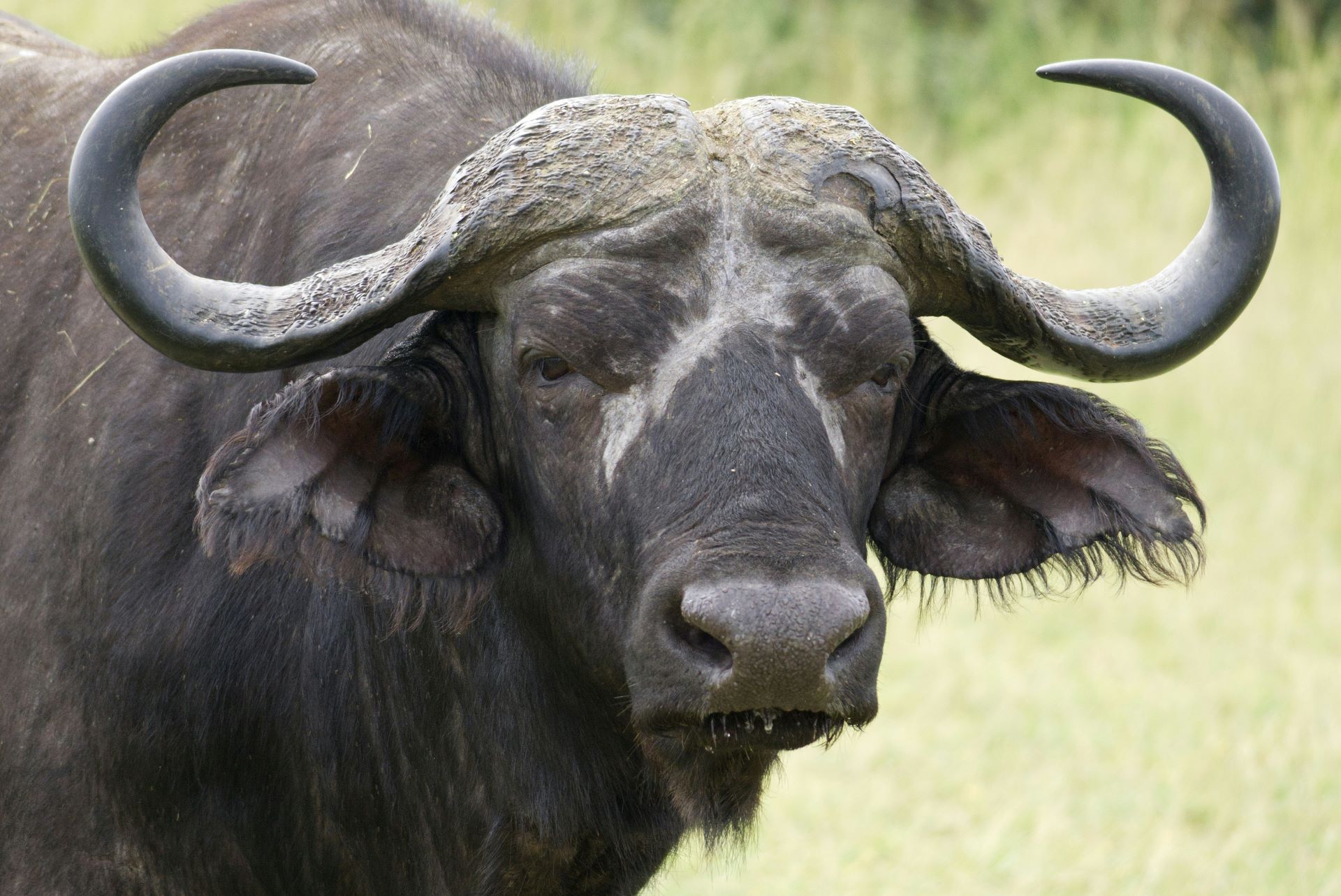
Buffalo: Known for their unpredictable nature and herd mentality. While not predators, their presence commands respect.
Where to Go: Best South African Parks and Reserves
South Africa offers a diverse range of safari destinations. Kruger National Park is the most famous, covering nearly two million hectares of savannah and forest, home to all Big Five species. Other reserves like Addo Elephant Park, Pilanesberg, and Madikwe Game Reserve provide more intimate safari experiences and fewer crowds.
Private reserves adjoining national parks, such as Sabi Sands and Welgevonden, offer luxury lodges and guided tours, making wildlife encounters more personal. Choosing the right reserve depends on your priorities—whether photography, comfort, or pure adventure.
Identifying the Big Five in the Wild
Spotting the Big Five requires both preparation and patience. Knowing each species’ habits, habitats, and behavioural cues increases your chances of a memorable encounter.
Lions prefer open savannahs or shady thickets for resting. Dawn and dusk are the best times for active hunting displays.
Leopards are nocturnal and elusive. Look for scratch marks on trees or flattened grass in secluded areas.
Rhinos often wallow in mud to regulate body temperature. Listen for the faint grunt of a black rhino or observe the grazing patterns of a white rhino.
Elephants travel in family groups. Their footprints, broken branches, and distant trumpeting signals indicate proximity.
Buffalo roam in large herds and can appear anywhere from riverbanks to grasslands. Always give them a wide berth—they’re unpredictable when threatened.
Photography Tips for Beginners
Capturing the Big Five on camera is an art. A DSLR or mirrorless camera with a zoom lens is ideal, but even smartphones can produce stunning images with patience and the right technique.
Light is your ally. Early morning and late afternoon, known as the “golden hours,” provide soft, warm lighting and active wildlife.
Keep your distance. Respect animal space to prevent stress and ensure safety.
Focus on storytelling. A buffalo herd crossing a river or a lioness stalking prey conveys more emotion than a static portrait.
Be mindful of backgrounds. Avoid cluttered frames and include natural elements like trees, waterholes, or savannah landscapes to provide context.
Safari Safety: Respect, Patience, and Awareness
A safari is exhilarating, but safety is paramount. Animals are wild and unpredictable, so always follow these principles:
Stay inside vehicles unless instructed otherwise.
Never attempt to feed or touch wildlife.
Follow guide instructions rigorously; they understand animal behaviour and risk mitigation.
Keep noise low and movements slow to avoid startling animals.
Be vigilant around water sources, particularly at dawn and dusk when predators are most active.
Planning Your Safari Experience
Successful safaris combine preparation, timing, and the right mindset. Reserve accommodations well in advance, particularly during peak season. Packing essentials include binoculars, sunscreen, hats, insect repellent, and layered clothing to accommodate fluctuating temperatures.
Guided game drives are ideal for beginners, offering expert insight into tracking, behaviour, and photography. Walking safaris, where permitted, provide a different perspective on wildlife, emphasising smaller creatures and the nuances of the ecosystem.
Conservation and Ethical Tourism
Observing the Big Five is a privilege that comes with responsibility. South Africa’s parks are at the forefront of anti-poaching initiatives, habitat preservation, and species monitoring. Supporting eco-friendly lodges, local guides, and conservation projects helps sustain these iconic animals for future generations.
Your safari should leave no trace, respecting both the environment and the wildlife that inhabits it. Ethical tourism ensures that the thrill of spotting a lion or elephant is shared responsibly, without harm or interference.
The Unforgettable Magic of the Big Five
There is a distinct magic in seeing the Big Five in their natural habitat—the electric tension of a lion’s gaze, the quiet elegance of a leopard disappearing into foliage, or the rumble of elephants in the distance. A beginner’s safari is a doorway into South Africa’s untamed beauty, offering lessons in patience, respect, and awe.
Every sighting, every photograph, and every cautious step into the wild connects you to a deeper understanding of Africa’s natural heritage. This guide equips you not just to observe, but to immerse yourself fully, safely, and respectfully in one of the world’s most celebrated wildlife experiences.
South Africa’s Big Five are not just animals—they are living legends, waiting to be discovered by those prepared to venture with curiosity, care, and reverence.
Elisha Roodt
Reporting from the frontlines of the South African tourism renaissance. Bridging the gap between regional stories and global audiences through elite narrative strategy.