

From the smoky scent of a township shisa nyama to the nuanced flavours of a Cape Malay bobotie, South Africa’s cuisine is more than a sensory experience—it’s a passport to the country’s soul. For travelers looking to move beyond postcards and panoramic shots, culinary tourism offers an immersive journey into the cultural corridors of this rich, diverse nation.
With eleven official languages, a medley of ethnic influences, and centuries of history interwoven into its foodscape, South Africa is not simply a destination for wine and wildlife. It’s a place where every plate tells a story, every spice carries a memory, and every shared meal connects visitors to communities in meaningful ways.
This is your guide to tasting South Africa—province by province, tradition by tradition.
Gauteng: Township Tables and Urban Fusion
Johannesburg and Pretoria, the heartbeats of Gauteng, offer a culinary melting pot reflecting the country’s broader transformation. Here, township culture and urban sophistication dance on the same plate.
Soweto’s Shisa Nyama Culture
No culinary journey through Gauteng is complete without experiencing a shisa nyama—a township barbecue experience deeply embedded in local life. Venues like Chaf Pozi and Sakhumzi in Soweto are iconic not only for their meat platters and vibrant ambience but also for the storytelling that comes with each bite. It’s about more than food—it’s about the sizzle of community and resilience.
Pan-African Innovation in the Inner City
In Johannesburg’s regenerated neighbourhoods like Maboneng and Braamfontein, chefs are embracing a pan-African identity. Dishes feature ingredients from across the continent—think West African jollof rice, Ethiopian injera, or Congolese moambe—reimagined in cosmopolitan settings. Culinary tours here blend art, architecture and gastronomy into a rich sensory package.
KwaZulu-Natal: Spice Routes and Indian Influence
The port city of Durban is South Africa’s unofficial curry capital. Thanks to the descendants of Indian indentured labourers who settled here in the 19th century, the region's culinary heritage pulses with aromatic spices and vibrant flavours.
The Iconic Bunny Chow
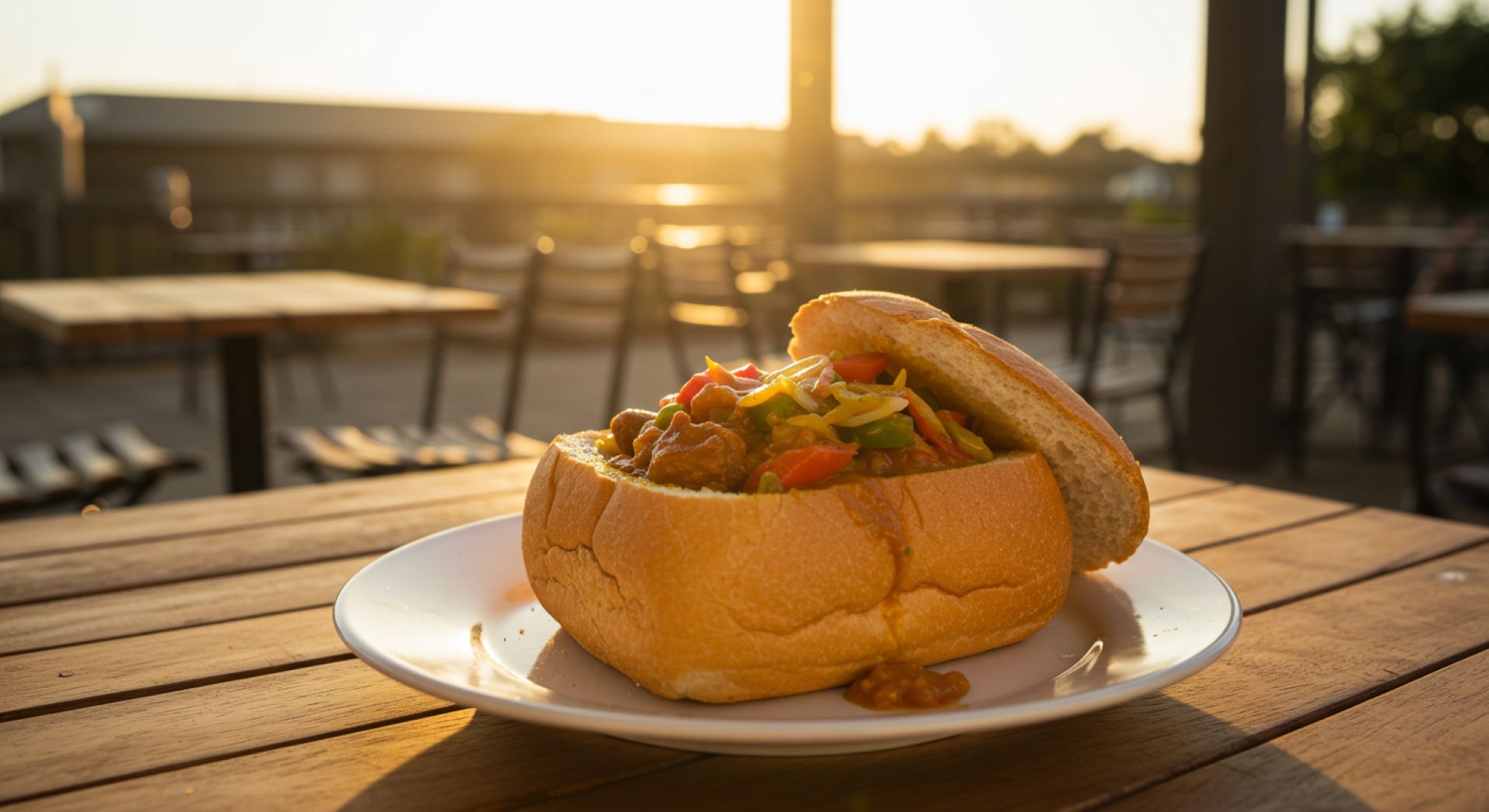
Now a global curiosity, the bunny chow—a hollowed-out loaf of white bread filled with fragrant curry—originated in Durban’s Indian quarter. Locals claim fierce loyalty to favourites like Gounden’s or CaneCutters, where recipes are lovingly passed down through generations.
Zulu Cuisine and Traditional Healers
Beyond Durban, venture into rural KwaZulu-Natal to explore Zulu cuisine rooted in centuries-old traditions. Meals often feature sorghum beer (umqombothi), beef stew (inyama yenkomo), and hand-ground maize (uphuthu). Cultural villages like Shakaland or community-run homestays offer participatory cooking sessions, often combined with insights into Zulu medicinal plants and ceremonial practices.
Western Cape: Cape Malay and Wine Country Elegance
Cape Town’s food identity is as layered as its Table Mountain vistas—an intoxicating blend of Dutch, Indonesian, Indian, and African influences.
Bo-Kaap’s Cape Malay Legacy
In the pastel-coloured Bo-Kaap neighbourhood, descendants of enslaved Malays, brought by the Dutch from Indonesia and Sri Lanka, have preserved a unique cuisine. The fragrant bobotie, sweet-and-sour denningvleis, and syrupy koeksisters are served with stories of perseverance and faith. Walking food tours and cookery classes in local homes offer travelers a hands-on history lesson.
Winelands Pairings with Indigenous Ingredients
Beyond the city, the Cape Winelands add a gourmet gloss to tradition. Restaurants in Stellenbosch, Franschhoek, and Paarl are increasingly integrating indigenous ingredients like buchu, wild rosemary, and num-num berries into fine dining. Estate chefs are collaborating with Khoisan elders to revive forgotten flavours and reimagine terroir.
Eastern Cape: Ancestral Roots and Xhosa Warmth
This is the land of legends—birthplace of Nelson Mandela and the spiritual heart of the Xhosa people. The cuisine is as grounded as its landscapes: nourishing, heartfelt, and steeped in ancestral knowledge.
Xhosa Cooking in the Heartland
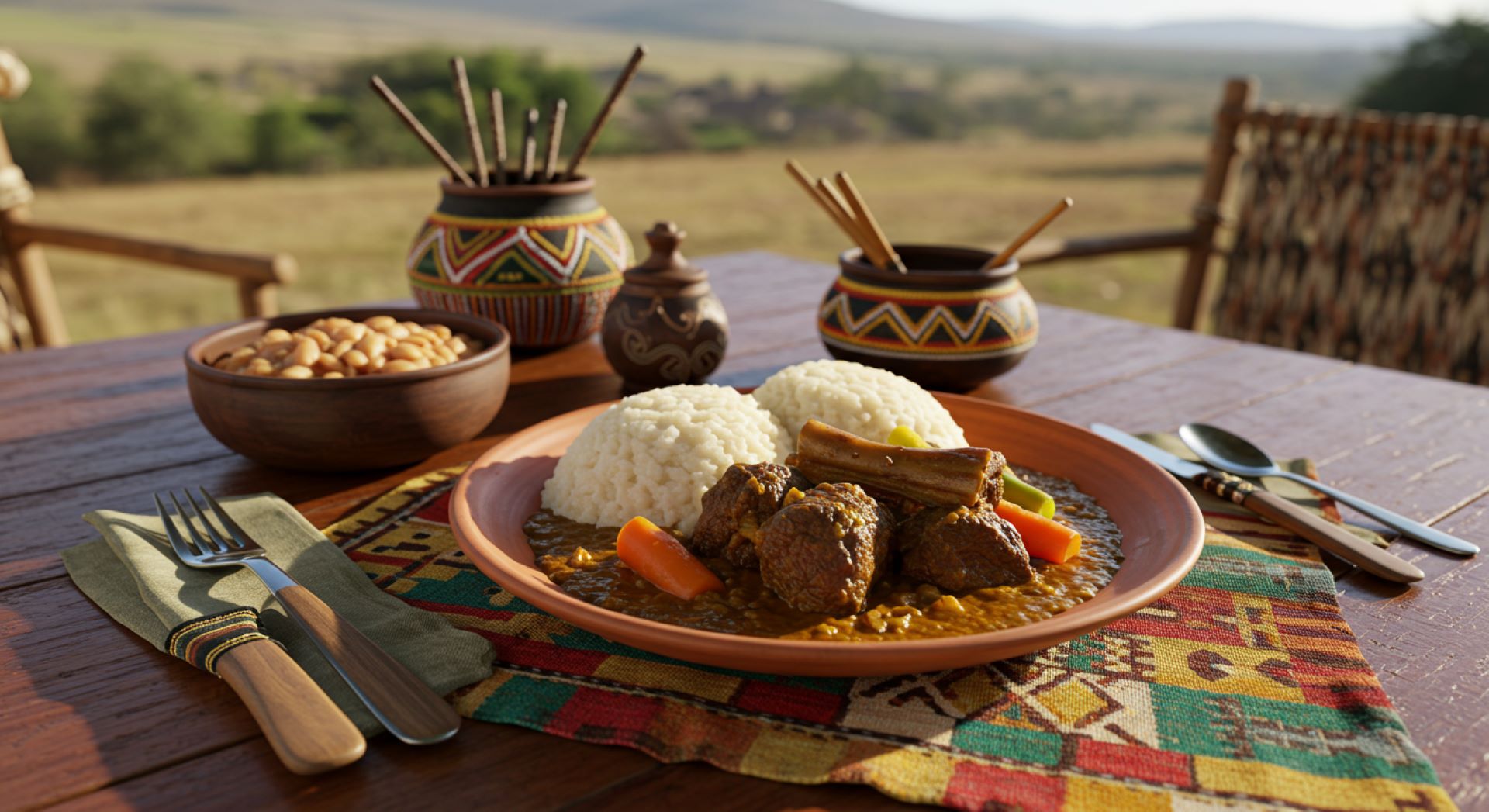
Dishes like umngqusho (samp and beans), umleqwa (free-range chicken stew), and imifino (wild greens) are central to Eastern Cape tables. Village homestays offer more than food—they’re invitations into oral traditions, indigenous farming practices, and rites of passage ceremonies where food is the unspoken language of community.
Limpopo and Mpumalanga: Indigenous Knowledge and Edible Landscapes
In the far north and eastern regions of South Africa, culinary tourism becomes a dialogue with the land itself. Here, the link between food and spirituality, agriculture and cosmology, is palpable.
BaPedi and Tsonga Traditions
Local dishes highlight ingredients like mopani worms (masonja), peanuts, wild spinach, and marula fruit. Markets and village food experiences reveal the ecological wisdom embedded in traditional diets. Visitors can take part in beer brewing, forage with community guides, and explore how food is used in rituals and ancestral worship.
Safari Dining with Local Flair
Luxury lodges in Kruger and the surrounding reserves are now spotlighting local cuisines alongside international menus. Think venison potjie under starlit skies, or a sun-drenched breakfast of maize porridge and morogo after an early game drive.
Free State and Northern Cape: Simplicity and Soul
Often overlooked, these provinces offer a window into Afrikaner farmstead culture and indigenous Nama traditions.
Hearty Farm Fare
In the Free State, food speaks to self-sufficiency and comfort. Expect melktert, homemade jams, slow-roasted lamb, and the ubiquitous boerewors. Many working farms offer farm-to-table experiences where guests cook alongside hosts, preserving recipes forged in frontier hardship and community resilience.
Nama Heritage in the Desert
In the arid expanses of the Northern Cape, the Nama people carry a fragile yet fiercely proud food tradition. Indigenous foods like nabba (wild melon), roasted termites, and sour fig preserve are symbols of survival and sustainability. Cultural festivals and guided heritage trails in places like Namaqualand offer rare insights into this fading but vital foodscape.
The Role of Culinary Tourism in Cultural Preservation
South Africa’s food traditions are increasingly under threat from globalisation, fast food culture, and urbanisation. Culinary tourism has emerged as a powerful tool for cultural preservation. By eating locally and mindfully, travelers help sustain small-scale producers, elevate marginalised cuisines, and keep intergenerational knowledge alive.
Community-run tours, cooking workshops, and street food festivals are no longer just ‘nice-to-haves’—they’re vital components of a tourism economy rooted in equity and authenticity.
Tips for the Culinary Tourist in South Africa

A Journey You Can Taste
To travel through South Africa’s culinary corridors is to engage in a journey of humility, delight, and discovery. It’s not just about what’s on the plate—it’s about who put it there, why it matters, and how it brings people together.
In a country of many voices, food is the universal language. And for the curious traveler, each meal is an open invitation to listen, learn, and savour tradition in its most delicious form.
Herman
Reporting from the frontlines of the South African tourism renaissance. Bridging the gap between regional stories and global audiences through elite narrative strategy.