

In a world increasingly defined by boundaries—political, cultural, and personal—it is profoundly liberating to experience wilderness in its purest, most borderless form. For travelers in South Africa, the concept of transfrontier parks—vast conservation areas that straddle national boundaries—is more than just a geographical marvel. It is an invitation to explore a continent as it once was: wild, unbroken, and breathtakingly beautiful.
These cross-border parks represent one of the most inspiring conservation movements in the world. They are not only ecological corridors for wildlife but also cultural and economic bridges between nations. From the arid Kgalagadi to the lush Great Limpopo, South Africa is uniquely positioned to offer travelers access to some of the most awe-inspiring shared wilderness areas on the planet.
Vision of Unity Through Nature
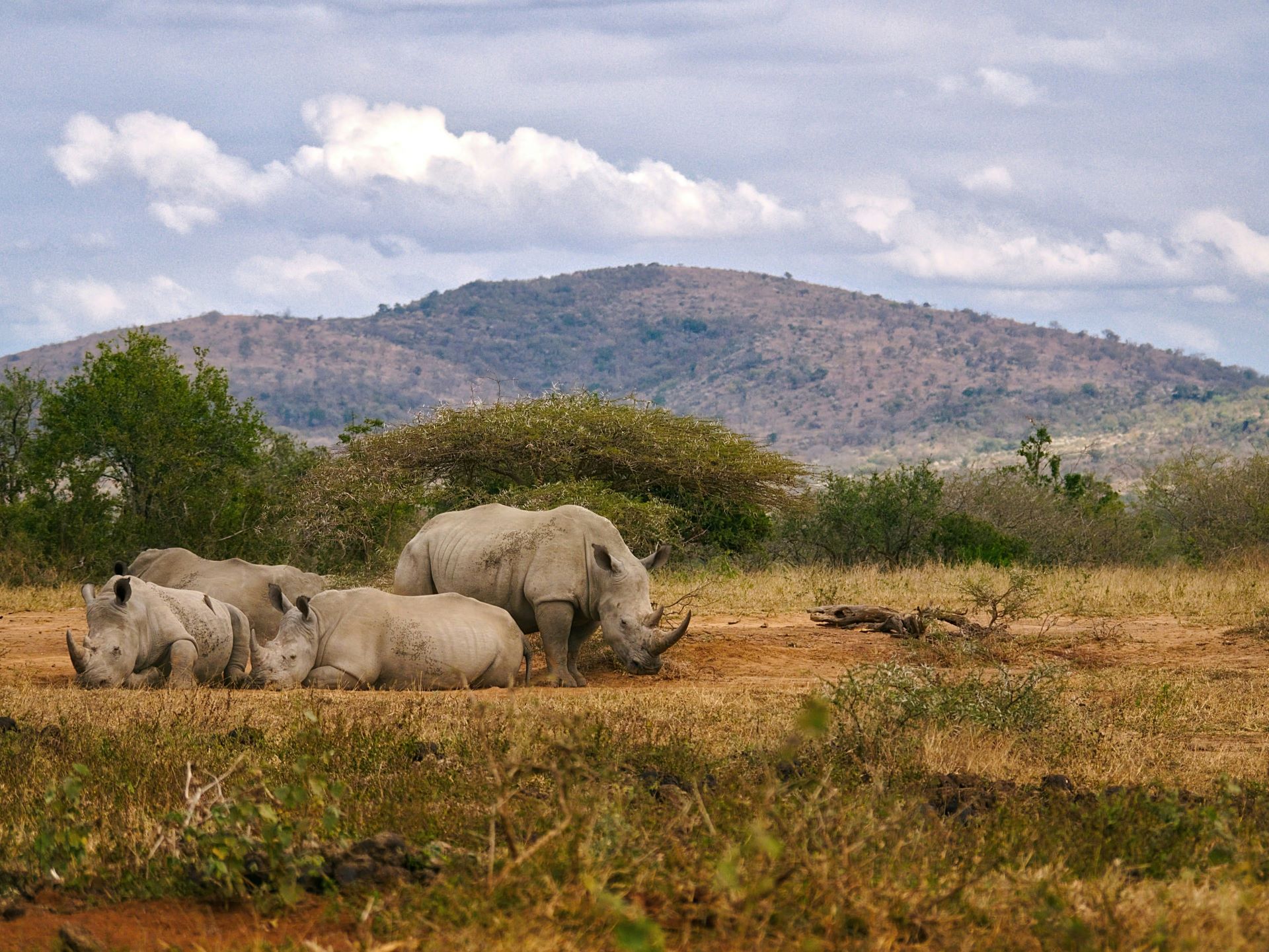
Transfrontier Conservation Areas (TFCAs) were born from a simple but revolutionary idea: that wildlife does not recognise borders. Why then, should conservation? This concept has transformed into a network of over 18 TFCAs across Southern Africa, with South Africa playing a central role.
The Southern African Development Community (SADC) defines a TFCA as “a region where two or more countries cooperate to manage natural resources across boundaries.” This collaboration isn’t just about animals. It's about people—communities that share these landscapes, histories, and futures.
Each park is an act of diplomatic vision, ecological integrity, and deep respect for the continent’s natural heritage. They foster not only tourism and biodiversity, but also peace.
Kgalagadi Transfrontier Park: Where Red Sands Meet Blue Skies
Countries Involved: South Africa and BotswanaEstablished: 2000 (first TFCA of its kind)Best Time to Visit: March to May, and August to October
In the southern reaches of the Kalahari Desert, the Kgalagadi Transfrontier Park stretches across a semi-arid landscape of rust-coloured dunes, camelthorn trees, and stark beauty. It’s not just one of the most iconic parks in Southern Africa—it’s a pioneer.
Here, lions with black manes prowl ancient riverbeds, oryx move like shadows across the dunes, and raptors spiral endlessly above. The park is famous for its sparse, open terrain, offering photographers and wildlife watchers uninterrupted views.
Kgalagadi’s unique draw lies in its sheer sense of space and silence. For South African travelers, entering from the Twee Rivieren Gate offers an easy introduction. But for those seeking a deeper cross-border adventure, crossing into Botswana’s Mabuasehube section is where the true wilderness begins. It’s remote, wild, and unspoiled—ideal for self-sufficient travelers and 4x4 adventurers.
Great Limpopo Transfrontier Park: Big Five, Big Vision
Countries Involved: South Africa, Mozambique, ZimbabweEstablished: 2002Best Time to Visit: Dry season (May to October)
A monumental project in scope and ambition, the Great Limpopo Transfrontier Park unites three of Southern Africa’s most prestigious national parks: South Africa’s Kruger, Mozambique’s Limpopo, and Zimbabwe’s Gonarezhou.
Combined, this TFCA covers more than 35,000 square kilometres—roughly the size of the Netherlands. This is Big Five country on a scale that defies imagination. Elephants, lions, leopards, rhinos, and buffalo roam across borders as they did centuries ago.
For South African travelers, Kruger is a known quantity. But the magic of the Great Limpopo lies in going beyond. Explore Mozambique’s less-visited Limpopo National Park, where basic infrastructure means fewer crowds and more raw encounters. Or head north to Gonarezhou, whose Chilojo Cliffs and remote river valleys evoke an Africa that time forgot.
Cross-border travel is increasingly streamlined, with efforts underway to introduce one-visa systems. While road conditions and logistics still pose challenges, the payoff is immense: a truly transnational safari experience.
|Ai-|Ais/Richtersveld Transfrontier Park: Desert Dreaming
Countries Involved: South Africa and NamibiaEstablished: 2003Best Time to Visit: May to September (cooler months)
If you’ve ever dreamed of a place where mountains meet desert, where silence reigns and the night sky is a planetarium, then the |Ai-|Ais/Richtersveld Transfrontier Park is your sanctuary.
This harsh and haunting landscape along the Orange River unites South Africa’s Richtersveld with Namibia’s |Ai-|Ais Hot Springs. The result is a tapestry of geology, biodiversity, and cultural significance. It’s also a UNESCO World Heritage Site thanks to its living landscape stewarded by the Nama people.
4x4 trails are the best way to explore its lunar valleys, mountain passes, and river gorges. Along the way, you’ll encounter quiver trees, rock formations, and springboks with not another soul in sight.
Camp under the stars at De Hoop or hike through the Fish River Canyon—one of Africa’s most impressive natural wonders. The border crossing at Sendelingsdrift even includes a quaint pontoon ferry, turning travel into an adventure.
Lubombo Transfrontier Conservation Area: Wetland Wonders
Countries Involved: South Africa, Mozambique, EswatiniBest Time to Visit: October to March (birding); May to September (game viewing)
In the lush northeast, the Lubombo TFCA offers a different kind of wilderness: wetlands, sand forests, and coastal beauty. Anchored by iSimangaliso Wetland Park in South Africa—a UNESCO World Heritage Site—this park celebrates biodiversity over brawn.
The region is a paradise for birdwatchers, marine lovers, and eco-tourists. Think flamingos in pans, leatherback turtles nesting on remote beaches, and coral reefs teeming with life.
Eswatini’s Hlane Royal National Park and Mozambique’s Maputo Special Reserve are lesser known but no less remarkable. Linking these parks allows for migratory species—both bird and mammal—to move freely, while fostering eco-tourism projects that uplift local communities.
Cross-border exploration is still in development here, but self-drive and guided overland tours are growing in popularity, offering immersive experiences from forest to sea.
The Traveler’s Role in the Transfrontier Movement
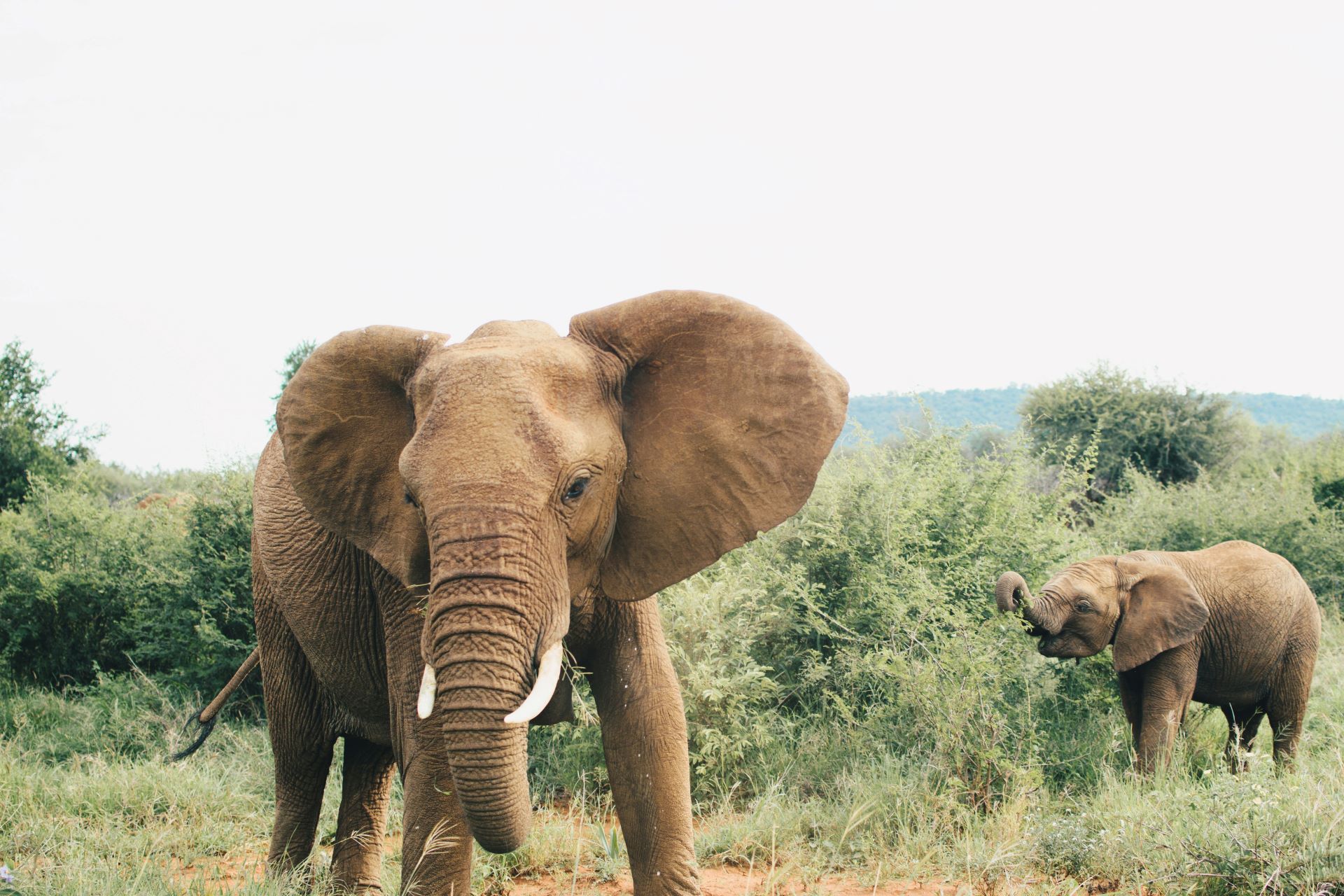
Visiting transfrontier parks isn’t just about adventure. It’s about participating in a visionary effort that puts conservation before conquest, cooperation before control. As a South African traveler, you are not only a guest in these landscapes—you are a steward.
By supporting cross-border parks, you contribute to:
Many TFCAs are home to eco-lodges and community-run tourism projects. Booking a night at a locally owned camp or hiring a guide from a nearby village deepens your journey while supporting regional livelihoods.
Practical Tips for Cross-Border Travel
Documentation: Ensure your passport has enough validity and blank pages. For children, carry unabridged birth certificates.
Vehicle Papers: A 4x4 is often essential. Bring registration papers, cross-border permits, and ZA stickers. Letter of authority required for leased/financed vehicles.
Visas: Some border posts offer visas on arrival, but it’s safer to pre-arrange. SADC discussions are in progress for unified entry systems.
Insurance: Make sure your travel and vehicle insurance covers all countries being entered.
Health Precautions: Take malaria prophylactics when visiting endemic areas. Bring a comprehensive first aid kit.
Currency and Connectivity: Mobile networks and ATMs may be limited. Carry cash in local currencies or US dollars for remote areas.
Future Horizons: The Peace Parks Dream
The non-profit Peace Parks Foundation, based in South Africa, has been instrumental in driving the TFCA concept. Their mission extends beyond conservation; they believe that shared parks can inspire peace in fractured regions. That vision is already paying dividends in communities where tourism replaces poaching, and jobs replace conflict.
New parks are being proposed and existing ones expanded. The Kavango-Zambezi Transfrontier Conservation Area (KAZA), spanning Angola, Botswana, Namibia, Zambia, and Zimbabwe, is set to be the world’s largest. And yes, South Africans can access parts of it via Botswana or Namibia.
The dream is clear: a continent connected not by highways and fences, but by ecosystems and empathy.
Where Borders Fade, Adventure Begins
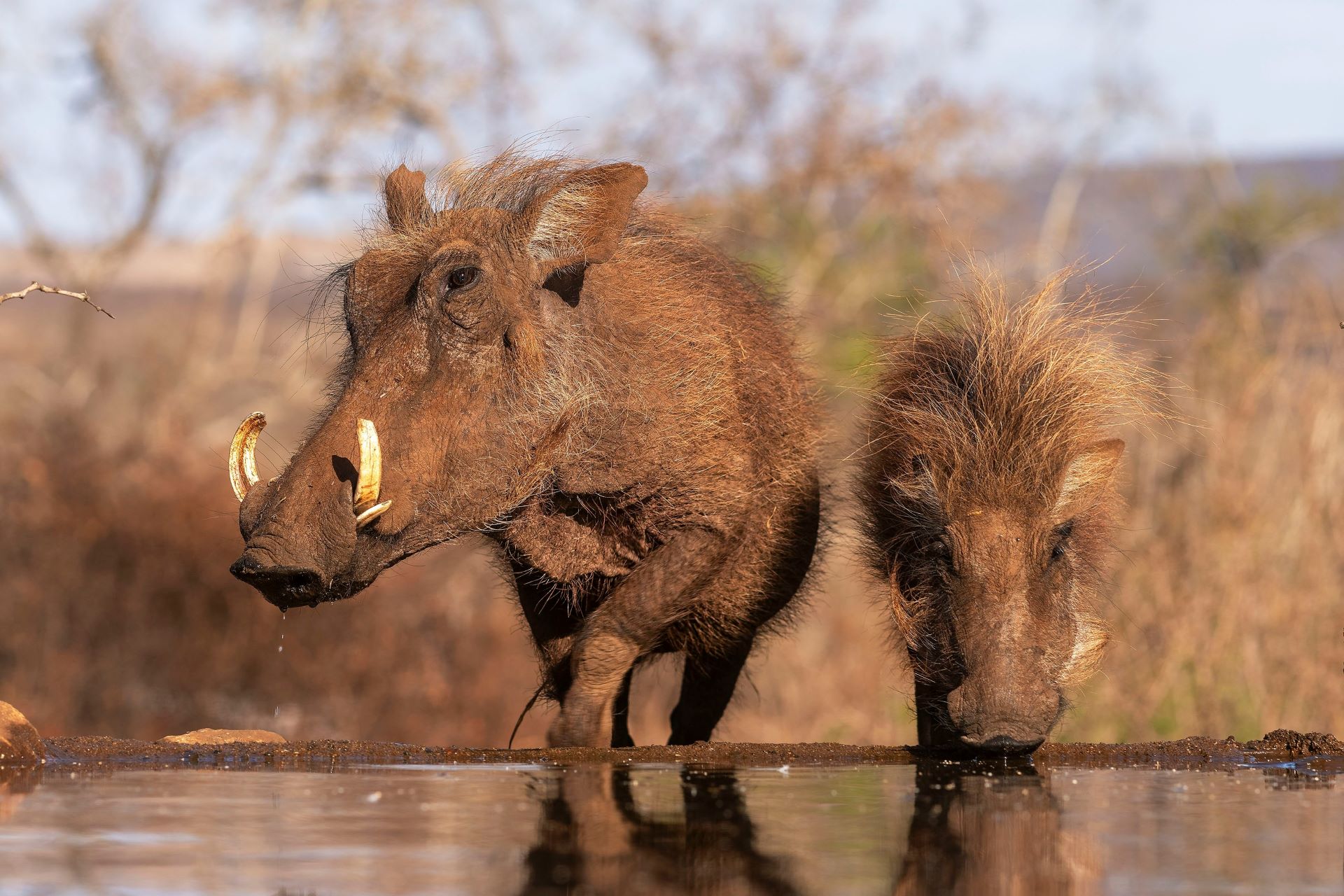
In the end, to step into a transfrontier park is to reject the limitations of the map. It is to walk in the footprints of elephants who have never known fences, to share fireside stories with people whose languages may differ but whose hopes do not. It is to rediscover an Africa that exists not in isolation but in connection.
For South African travelers, the wilderness is no longer something to drive toward. It’s something to step into—across rivers, dunes, and mountains—knowing that while borders may exist on paper, they are invisible to the heart of the wild.
So pack your passport. Check your tyre pressure. Charge your camera. And set your sights not on a single country, but on a boundless landscape of wonder.
Wilderness awaits. Without borders. And without end.
Elisha Roodt
Reporting from the frontlines of the South African tourism renaissance. Bridging the gap between regional stories and global audiences through elite narrative strategy.