

The New Altitude of South African Tourism
South Africa’s tourism identity has long been tied to wildlife safaris, coastal escapes, and major urban destinations. Yet over the last decade, another category has steadily climbed into the spotlight. Mountain tourism is no longer a niche market aimed solely at hardcore hikers carrying aluminium water bottles and suspiciously expensive boots. It has become one of the country’s fastest-growing tourism segments, attracting everyone from wellness travellers and digital detox seekers to endurance athletes and luxury escape enthusiasts.
From the jagged peaks of the Drakensberg to the sandstone cliffs of the Cederberg and the rolling ranges surrounding Mpumalanga, South Africa’s mountain regions are experiencing renewed economic and cultural relevance. Travellers increasingly want destinations that offer physical activity, emotional restoration, and natural isolation without completely sacrificing comfort. Mountains provide exactly that combination.
The shift is happening at a time when global tourism patterns are changing dramatically. Travellers are prioritising experiences over material purchases. Wellness tourism continues to expand. Domestic travel has become more important. Remote work has blurred the line between leisure and lifestyle. Against this backdrop, mountain destinations are evolving from seasonal adventure hubs into year-round tourism ecosystems.
But growth at altitude comes with pressure. Infrastructure struggles to keep pace with demand. Conservation areas face increased environmental stress. Rural communities are balancing economic opportunity against cultural and ecological preservation. In South Africa especially, where many mountain regions are remote and economically vulnerable, tourism expansion carries both promise and risk.
Why Travellers Are Choosing Mountains Again
The appeal of mountain tourism has expanded far beyond traditional outdoor recreation. Hiking remains central to the experience, but modern travellers are looking for something broader and more immersive. Mountains are increasingly marketed as places of restoration, silence, health, and authenticity.
For many urban South Africans, mountain destinations offer a psychological reset that coastal resorts or city hotels cannot easily replicate. Travellers escaping Johannesburg, Durban, or Cape Town are searching for clean air, open space, and slower rhythms. The popularity of wellness retreats in mountain regions reflects this shift. Yoga lodges, meditation retreats, eco-cabins, and spa resorts are now appearing in areas once associated almost exclusively with camping and backpacking.
Adventure tourism has also diversified. Visitors are no longer satisfied with passive sightseeing alone. Activities such as trail running, mountain biking, ziplining, climbing, paragliding, and guided wilderness experiences have become major drawcards. South Africa’s varied terrain gives operators the ability to cater to both beginners and experienced adventure travellers without requiring international travel budgets.
Social media has amplified the appeal dramatically. Mountain destinations generate highly visual content that performs exceptionally well online. A sunrise over the Amphitheatre in the Drakensberg or a secluded cabin in the Magaliesberg becomes more than a holiday memory. It becomes a digital status symbol. Tourism operators understand this dynamic well, often designing accommodation and viewing areas specifically for visual appeal.
At the same time, international travellers increasingly associate mountains with sustainability and authenticity. Remote destinations are perceived as less commercialised and more connected to local culture. This perception may not always reflect reality, but it strongly influences booking behaviour.
The Drakensberg’s Expanding Role in Tourism
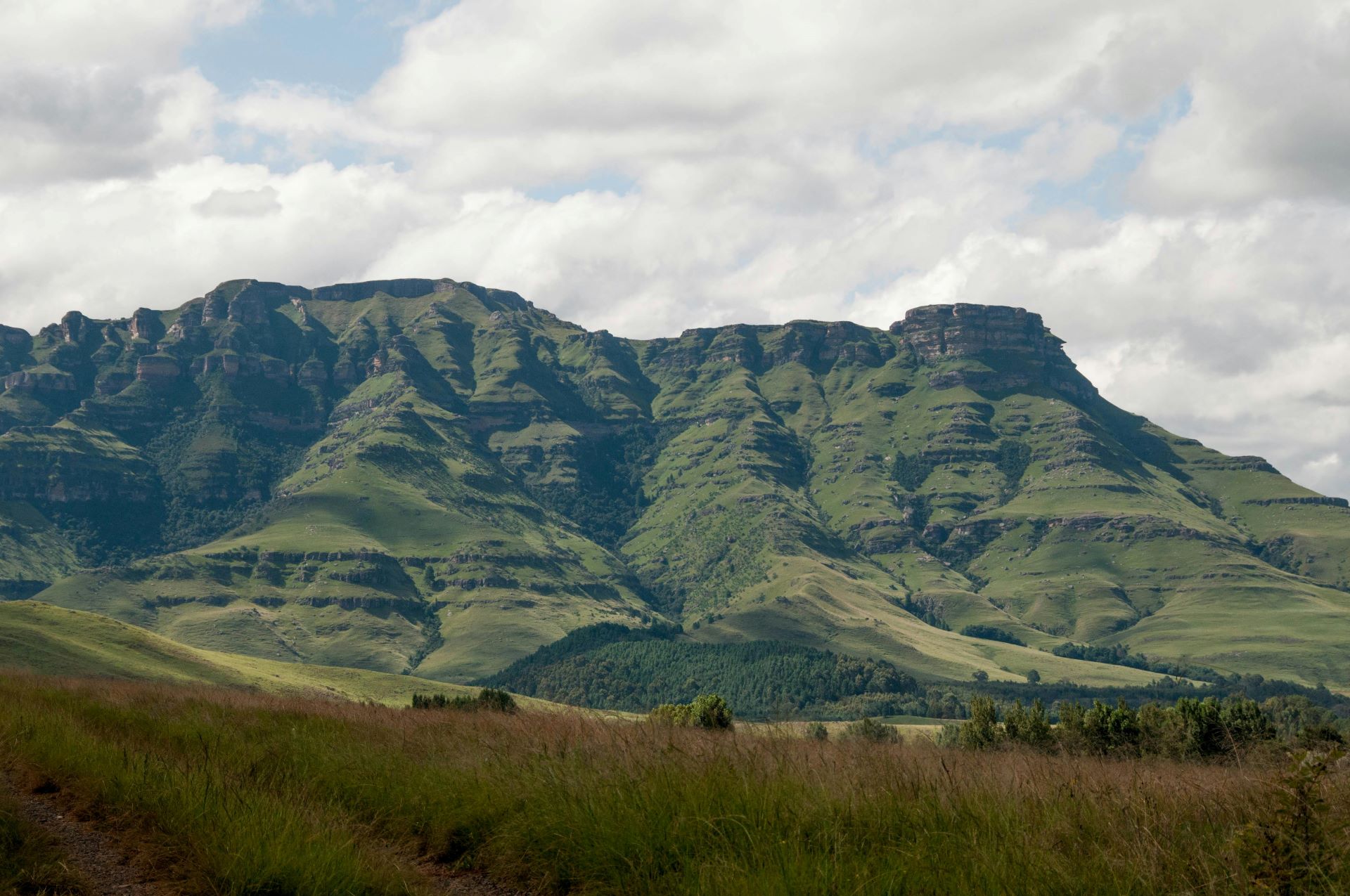
Few regions illustrate South Africa’s mountain tourism growth better than the Drakensberg. Stretching across KwaZulu-Natal and parts of the Eastern Cape, the range has evolved from a specialised hiking destination into a multi-layered tourism economy.
Luxury lodges now operate alongside backpacker hostels and family resorts. Wedding venues overlook valleys that once hosted only cattle and hikers. Wellness retreats sit near traditional rural communities. Helicopter tours share airspace with vultures and thunderstorms that arrive like theatre curtains rolling across the escarpment.
The Drakensberg appeals to several demographics simultaneously. Domestic family travellers value the scenery and cooler climate. International tourists seek UNESCO World Heritage landscapes and cultural heritage sites containing ancient San rock art. Adventure tourists pursue endurance races and wilderness trails. Wellness travellers seek seclusion and tranquillity.
This diversification has strengthened regional resilience. Previously, many mountain tourism businesses relied heavily on peak holiday seasons. Today, events, conferences, remote work stays, and wellness tourism help create more consistent year-round demand.
However, growth has also exposed weaknesses in regional infrastructure. Road conditions remain inconsistent in some areas. Mobile connectivity varies significantly. Water and electricity supply challenges affect both residents and tourism operators. Emergency response capabilities are limited in more remote locations.
Tourism growth often creates a strange contradiction in mountain regions. Travellers want untouched natural beauty, but increased visitor numbers require expanded infrastructure. Every new road, lodge, or viewing platform risks altering the very landscape attracting visitors in the first place.
Infrastructure Challenges at High Altitude
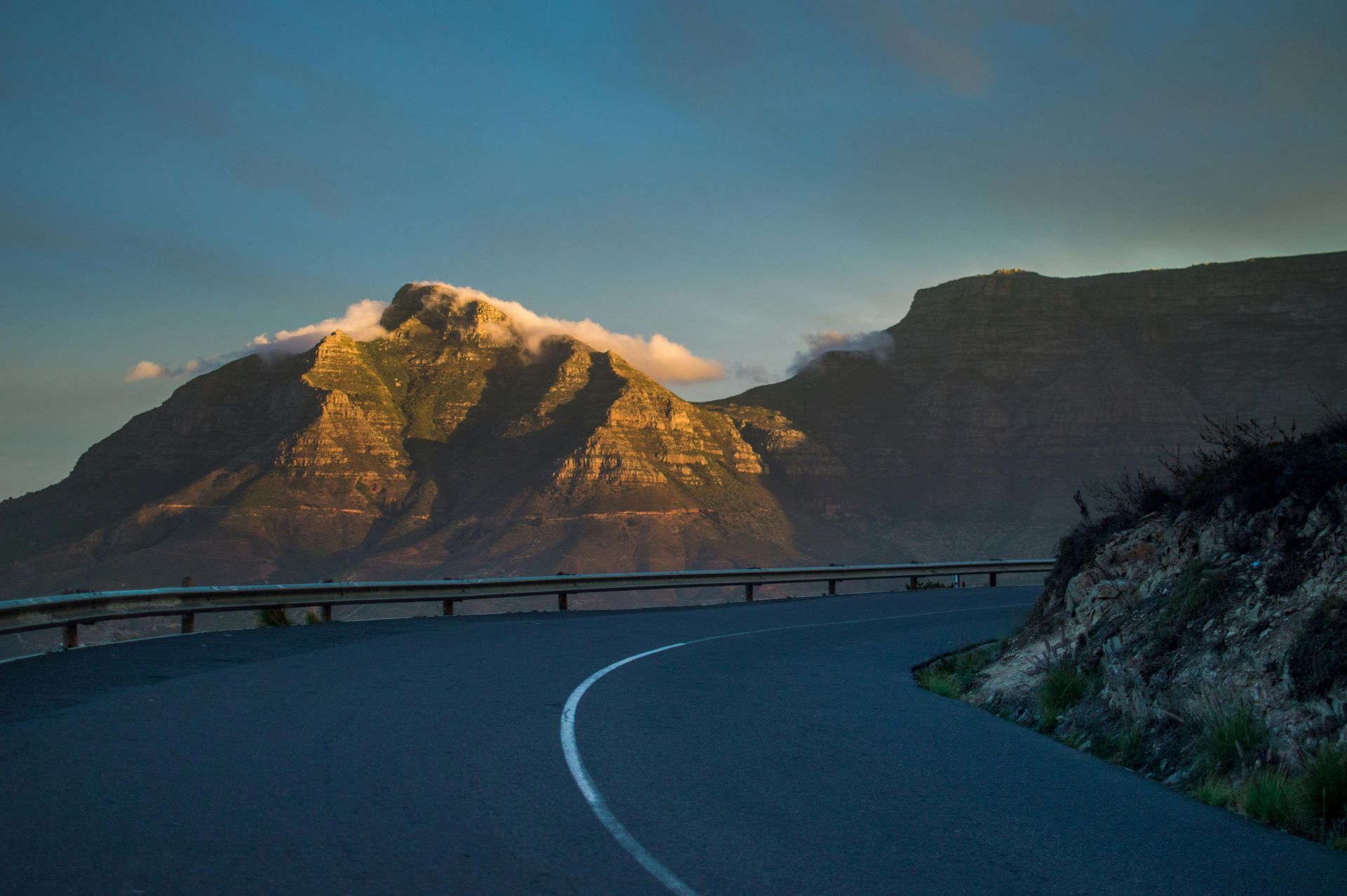
Mountain tourism depends heavily on infrastructure that is both expensive and difficult to maintain. Rugged terrain increases construction costs, limits accessibility, and complicates logistics. In South Africa, these challenges are intensified by broader national infrastructure pressures.
Road maintenance remains one of the largest obstacles. Mountain roads deteriorate quickly due to weather exposure, heavy rainfall, erosion, and occasional flooding. Poor road conditions affect accessibility, increase vehicle damage risks, and discourage repeat visits. Smaller tourism operators often struggle because visitors hesitate to travel to remote areas requiring difficult journeys.
Electricity supply instability creates another challenge. Load shedding has forced many tourism businesses to invest heavily in solar systems, generators, and backup infrastructure. While some high-end lodges market off-grid energy systems as part of an eco-tourism experience, smaller operators face significant financial strain trying to remain operational during outages.
Water infrastructure is equally important. Mountain tourism depends on clean water resources for accommodation, restaurants, wellness facilities, and outdoor activities. Drought conditions in parts of South Africa have highlighted the vulnerability of tourism operations that rely heavily on natural water systems.
Digital connectivity has become increasingly critical. Travellers may claim to seek digital detox experiences, but most still expect reliable internet access, mobile coverage, and online booking systems. Remote workers especially require stable connectivity if they are combining tourism with extended stays. Mountain regions lacking digital infrastructure risk exclusion from a rapidly growing segment of the tourism market.
Emergency and medical services also require attention. Adventure tourism naturally involves physical risk. Rescue operations in mountainous terrain are complex and resource-intensive. As visitor numbers rise, pressure increases on local emergency response systems that are often underfunded or geographically stretched.
Wellness Tourism and the Search for Silence
One of the most significant drivers behind mountain tourism growth is the global wellness economy. Travellers increasingly associate mountains with mental recovery, emotional balance, and physical wellbeing.
This trend accelerated after the pandemic, when travellers began prioritising outdoor destinations and less crowded environments. Mountain regions offered space, isolation, and perceived safety. That momentum has continued well beyond the immediate post-pandemic period.
South African mountain destinations have adapted quickly. Boutique eco-lodges now market silence as a luxury product. Wellness retreats emphasise mindfulness, forest walks, cold-water immersion, and nature-based therapy. Some operators blend traditional wellness approaches with indigenous cultural experiences and local healing traditions.
The appeal lies partly in contrast. Urban environments are increasingly noisy, congested, and digitally saturated. Mountains provide a sensory reversal. Fewer notifications. Fewer engines. More wind, birds, and distance. For many travellers, this shift feels almost radical.
There is also growing scientific interest in the psychological benefits of nature exposure. Studies linking outdoor environments to reduced stress and improved mental wellbeing have influenced tourism marketing worldwide. South African operators are increasingly positioning mountain tourism not simply as recreation, but as preventative wellness.
This transformation has economic implications. Wellness travellers typically spend more than budget adventure tourists. They often seek higher-end accommodation, longer stays, curated experiences, and premium services. As a result, mountain tourism economies are becoming more diversified and financially sustainable.
Still, the wellness tourism boom raises questions around accessibility and exclusivity. In some regions, luxury developments risk pricing out local residents or smaller tourism operators. There is also concern that wellness branding may commercialise cultural traditions or natural landscapes in ways that feel detached from local realities.
Rural Economies Are Being Reshaped
Mountain tourism has become a significant economic lifeline for many rural communities across South Africa. Areas with limited industrial development opportunities are increasingly turning toward tourism as a source of employment and investment.
Hospitality businesses create direct jobs in accommodation, guiding, catering, maintenance, and transport. Indirectly, tourism stimulates demand for local agriculture, crafts, construction, and retail services. Small towns near mountain regions often experience increased commercial activity as visitor numbers grow.
This economic diversification is particularly important in regions facing agricultural instability due to climate variability. Tourism provides an alternative revenue stream that may be less dependent on rainfall patterns or commodity prices.
Community tourism initiatives are also expanding. Local guides offer cultural tours, storytelling experiences, and indigenous knowledge walks. Craft markets provide income opportunities linked directly to visitor spending. In some areas, community-owned tourism projects are helping retain economic benefits within local populations rather than allowing profits to flow entirely toward external investors.
However, tourism economies can also become fragile if they rely too heavily on visitor demand. Seasonal fluctuations, economic downturns, or environmental disasters can destabilise communities dependent on tourism income. The pandemic demonstrated how quickly tourism-dependent regions can experience economic collapse when travel restrictions emerge.
There are also concerns around unequal benefit distribution. Large tourism developments sometimes employ local workers while directing ownership profits elsewhere. Without careful planning, tourism expansion can reinforce existing inequalities rather than reduce them.
Land use tensions occasionally emerge as well. Increased tourism demand may raise property values, alter traditional land usage patterns, or place pressure on natural resources that local communities depend upon.
Conservation Is Becoming More Complex
The growth of mountain tourism has intensified conservation challenges across South Africa’s natural areas. Increased visitor numbers inevitably place pressure on ecosystems that are often highly sensitive and slow to recover from damage.
Trail erosion is one of the most visible impacts. Heavy foot traffic damages vegetation, destabilises soil, and accelerates runoff during rainfall. Informal trails created by visitors can fragment habitats and disturb wildlife patterns. Mountain biking routes and off-road vehicle activity may further intensify environmental stress if poorly managed.
Waste management becomes significantly more difficult in remote mountain regions. Illegal dumping, littering, and inadequate sanitation infrastructure threaten both ecosystems and water quality. Even relatively small increases in visitor numbers can create disproportionately large environmental impacts in fragile areas.
Wildlife disturbance is another concern. Noise pollution, drones, overcrowding, and habitat encroachment affect animal behaviour patterns. Certain bird species, including vultures and raptors common in mountainous regions, are particularly vulnerable to human disruption.
Climate change adds another layer of complexity. South African mountain ecosystems are already experiencing shifting rainfall patterns, increased fire risks, and temperature fluctuations. Tourism infrastructure must adapt to changing environmental conditions while avoiding further ecological degradation.
Protected areas and conservation authorities face growing pressure to balance tourism revenue generation with environmental protection. Tourism income often funds conservation operations, yet excessive development risks undermining long-term ecological sustainability.
Fortunately, sustainable tourism models are gaining traction. Eco-lodges increasingly incorporate renewable energy systems, water conservation technologies, and low-impact architectural design. Guided tourism experiences often include environmental education components aimed at promoting conservation awareness.
Some regions are also implementing visitor management systems that limit environmental strain. Controlled access permits, guided-only hiking zones, and conservation levies are becoming more common. These approaches can help preserve ecosystems while still supporting tourism growth.
The Rise of Experience-Driven Travel
Modern mountain tourism is increasingly shaped by experience-based consumption. Travellers want stories, emotional connection, and personal transformation rather than standardised tourism products.
This trend benefits mountain regions because natural environments inherently support immersive experiences. A mountain trail feels less transactional than a theme park queue. Visitors perceive these experiences as more meaningful and authentic.
South African tourism operators are responding by developing highly curated offerings. Guided astronomy experiences take advantage of dark skies in remote mountain areas. Culinary tourism incorporates local ingredients and regional traditions. Multi-day hiking experiences blend physical challenge with storytelling and heritage interpretation.
Adventure races have become especially influential. Trail running events, endurance cycling races, and obstacle challenges attract participants who often extend their stays and bring accompanying visitors. These events also generate significant social media visibility and destination marketing exposure.
Photography tourism is another expanding niche. Mountains offer dramatic lighting, seasonal variation, and visually striking landscapes that appeal to both amateur and professional photographers. Tourism businesses increasingly design spaces around scenic positioning and visual aesthetics.
Remote work trends may further accelerate mountain tourism growth. More professionals are choosing extended stays in scenic destinations while working online. Mountain towns with reliable connectivity and suitable accommodation could increasingly function as semi-permanent lifestyle destinations rather than short-term holiday locations.
This shift may fundamentally alter tourism seasonality patterns. Instead of relying solely on holiday periods, mountain regions could see more consistent long-term occupancy throughout the year.
Balancing Tourism Growth With Local Identity
One of the most difficult questions facing South African mountain tourism is how to expand economically without eroding local identity and cultural authenticity.
Rapid tourism development can alter the character of rural communities. Small towns may become commercially oriented toward visitors rather than residents. Traditional architecture can be replaced by generic tourism aesthetics. Cultural experiences risk becoming staged performances designed primarily for visitor consumption.
There is also the danger of environmental branding becoming disconnected from reality. Destinations marketed as pristine eco-retreats may still rely heavily on resource-intensive infrastructure and external supply chains. Sustainability language can sometimes function more as marketing decoration than operational practice.
At the same time, resisting tourism growth entirely is rarely realistic for economically vulnerable regions seeking employment opportunities and infrastructure investment.
The challenge lies in developing tourism models that prioritise long-term resilience rather than short-term extraction. Community participation in planning processes becomes essential. Conservation frameworks need enforcement capacity. Infrastructure investment must align with environmental limits rather than simply maximising visitor volume.
Successful mountain tourism destinations increasingly understand that authenticity itself is a valuable asset. Travellers seeking mountain experiences are often motivated by a desire for distinctiveness and cultural depth. Preserving local identity is not only socially important. It is economically strategic.
The Future of South African Mountain Tourism
Mountain tourism in South Africa appears positioned for continued growth over the coming decade. Global travel trends strongly favour nature-based experiences, wellness travel, and sustainable tourism. Domestic tourism demand remains significant, especially as travellers seek affordable alternatives to international holidays.
Infrastructure investment will likely determine which regions benefit most from this growth. Areas capable of improving accessibility, connectivity, and sustainability without compromising environmental quality may emerge as major tourism hubs.
Climate change will increasingly shape tourism patterns as well. Cooler mountain regions may become more attractive during extreme heat events affecting urban areas and low-altitude destinations. Water security, fire management, and ecosystem resilience will become central tourism planning priorities.
Technology may also transform visitor experiences. Digital mapping, virtual guides, conservation monitoring systems, and remote work infrastructure will increasingly influence destination competitiveness.
Yet despite these changes, the core appeal of mountain tourism remains remarkably simple. Mountains offer perspective. They create distance from routine and compress modern distractions into something smaller and quieter. In a world defined by acceleration, mountain landscapes still operate at geological speed.
That may ultimately explain why mountain tourism continues to expand across South Africa. Travellers are not simply buying accommodation or activities. They are searching for scale, silence, challenge, and clarity in environments that still feel larger than human schedules.
The irony, of course, is that the more people search for untouched places, the harder those places become to protect. South Africa’s mountain tourism future will depend on whether growth can remain balanced enough to preserve the landscapes, communities, and ecosystems that made these destinations valuable in the first place.
Because once mountains become overwhelmed by uncontrolled development, traffic, overcrowding, and environmental degradation, travellers eventually move on in search of somewhere quieter. Tourism can feed a region, but if handled carelessly, it can also slowly consume it. Like a campfire left unattended in dry grass, glowing beautifully right before the valley starts screaming.
Gerald Ferreira
Reporting from the frontlines of the South African tourism renaissance. Bridging the gap between regional stories and global audiences through elite narrative strategy.