

South Africa is no stranger to attention-grabbing destinations. From the wine-drenched valleys of the Western Cape to the Big Five territory of the Kruger, international and local tourists are spoiled for choice. But there is one place that quietly exists beyond the glossy brochures and luxury lodges—a place that doesn’t shout but murmurs, gently. It’s called the Karoo. And for those who venture into its vastness, it reveals itself as South Africa’s most underrated travel destination.
This semi-arid swathe of land, often written off as desolate or forgotten, is in fact a landscape of immense beauty, cultural depth, and experiential richness. Split into the Great and Little Karoo, this region offers far more than most realise: world-class stargazing, off-the-grid adventure, culinary surprises, heritage towns, fossil fields, and a uniquely soulful stillness that seems to breathe clarity into the noise of modern life.
So why is the Karoo still flying under the radar? And more importantly—why should it be at the top of your travel list?
The Allure of the Infinite Horizon
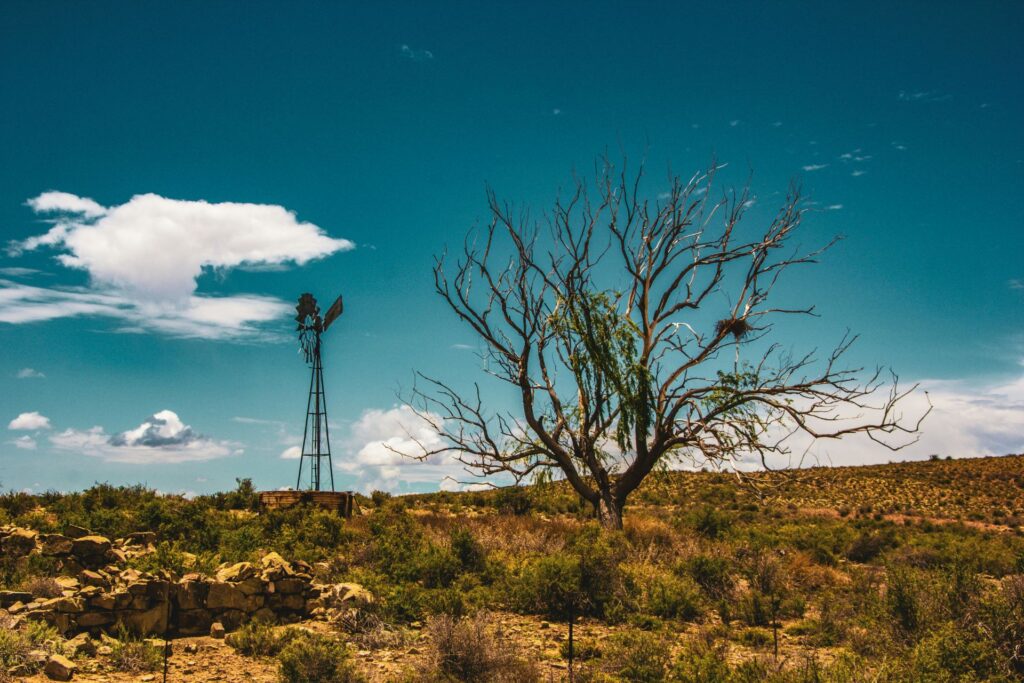
The Karoo’s greatest luxury might just be its space. In an era defined by over-tourism, congestion, and constant stimulation, the Karoo stands in contrast: quiet, open, expansive. The Great Karoo alone spans over 400,000 square kilometres. Its dry plains stretch into a horizon that seems to keep retreating, drawing you further into its spell.
Photographers speak of the Karoo light in reverent tones. There’s a clarity here—sunsets painted in soft peaches and violets, sunrises with golden-pink fire. And at night, without light pollution, the skies are an astronomer’s playground. Towns like Sutherland are renowned for their stargazing, home to the South African Astronomical Observatory and the Southern African Large Telescope (SALT), the largest optical telescope in the Southern Hemisphere.
In the Karoo, time slows. The sky becomes a theatre. And solitude is not lonely but rather rejuvenating.
Rich Heritage Hidden in Plain Sight
Although the landscape may seem sparse, the Karoo’s human history is anything but. It has been home to San hunter-gatherers for millennia, and their rock art can still be found etched into cliff faces and shelter walls. Later, early Dutch and British settlers left their own marks, visible today in the Victorian and Cape Dutch architecture of towns like Graaff-Reinet, Prince Albert, and Beaufort West.
Graaff-Reinet, often dubbed the ‘Gem of the Karoo’, is South Africa’s fourth oldest town and boasts more national monuments than any other town in the country. It’s a living museum, where each street corner tells a story—of frontier wars, rebellion, and cultural confluence.
The Karoo is also the birthplace of political icons, philosophers, poets, and visionaries. One cannot drive far without finding a plaque or small museum honouring a writer, artist, or activist shaped by this landscape.
A Culinary Awakening in the Dust
Don’t be fooled by the dry terrain—the Karoo’s cuisine is anything but barren. The region is known for its lamb, arguably the best in the world, thanks to sheep that graze on indigenous shrubs like wild rosemary, making the meat distinctively flavourful.
Local chefs and food artisans are increasingly putting the Karoo on the culinary map. From slow-cooked lamb shank in Prince Albert to artisanal cheese in Ladismith and olive oils in the Swartberg foothills, there’s a quiet food revolution happening here.
The rise of agritourism has also given travellers the opportunity to dine on farms, participate in harvests, or learn age-old preservation techniques. You might find yourself drinking pomegranate juice on a permaculture estate or learning how to bottle peaches from a fourth-generation farmer.
And let’s not forget the padstalle—roadside farm stalls that dot the highways like desert oases, selling everything from roosterkoek and biltong to local jams and baked goods. They’re not just pit stops; they’re institutions.
Nature Beyond the Big Five
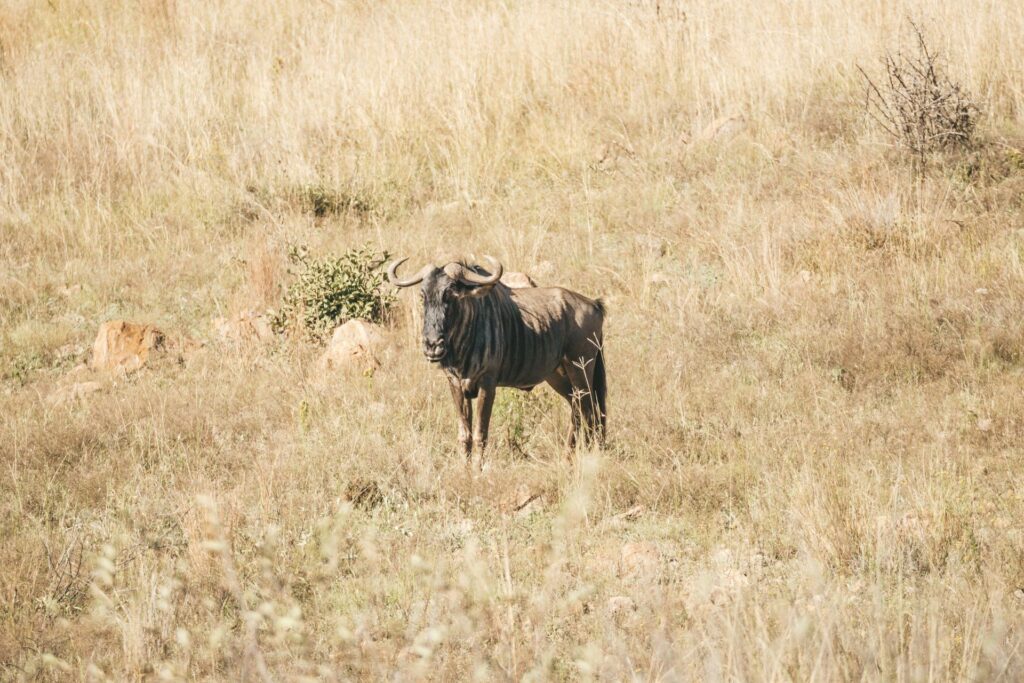
While South Africa is rightly famed for its Big Five safaris, the Karoo offers a different kind of wilderness—more subtle, more surprising. Karoo National Park, located just outside Beaufort West, is home to species adapted to arid conditions: black rhino, Cape mountain zebra, bat-eared foxes, and the elusive aardvark.
Further afield, the Anysberg Nature Reserve offers hiking, horse riding, and mountain biking under open skies, with dramatic views and the thrill of off-grid adventure. And the Camdeboo National Park, surrounding Graaff-Reinet, reveals a landscape shaped by time and erosion—the awe-inspiring Valley of Desolation being its crown jewel.
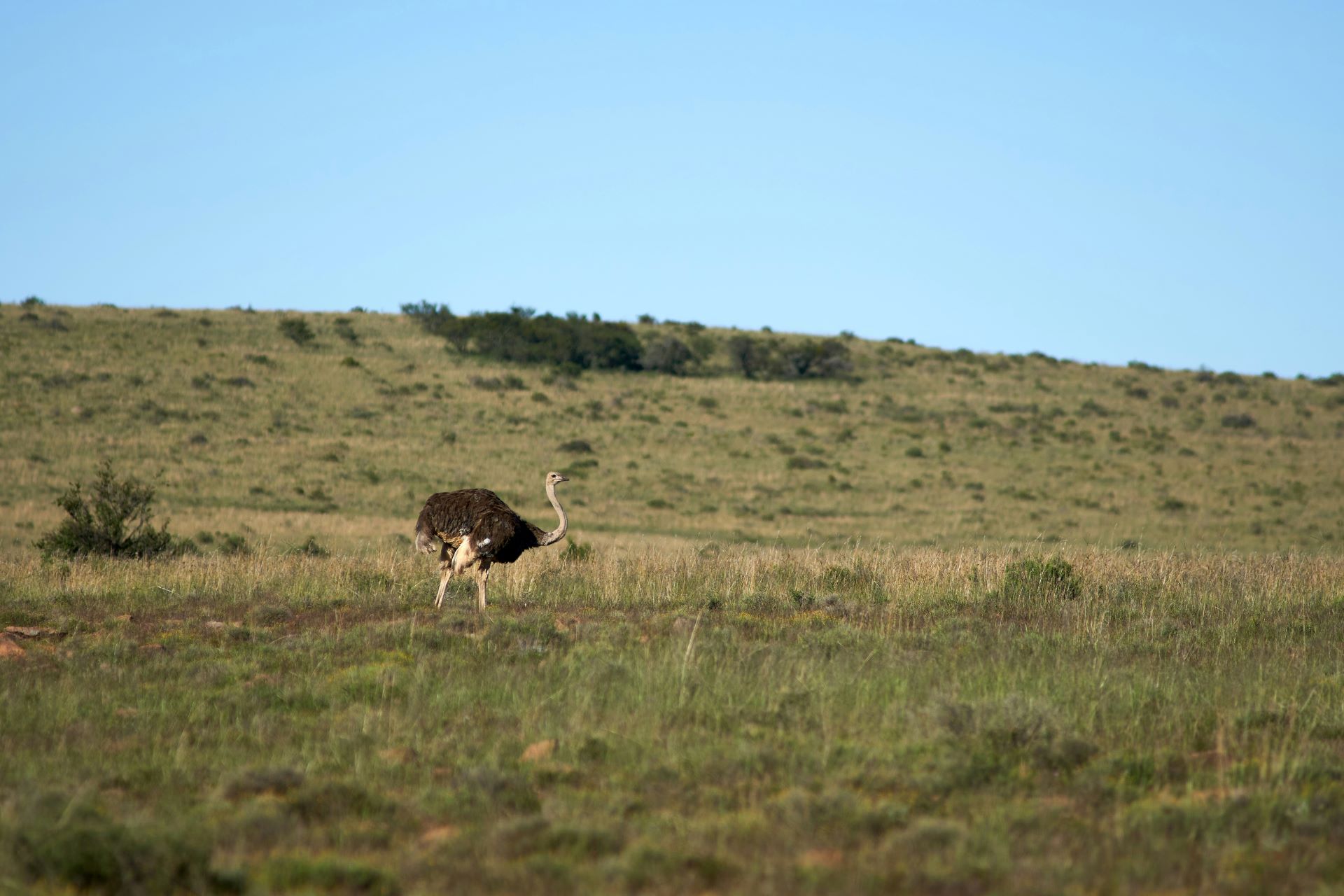
Birders will delight in the Karoo’s skies, where over 200 species can be spotted. Reptiles sun themselves on warm rocks, and in spring, the seemingly lifeless plains erupt in floral displays.
It’s a slow safari, one where you stop noticing what’s not there and begin appreciating what is.
A Mecca for Artists, Writers, and Dreamers
There’s something about the Karoo that calls to creatives. Perhaps it’s the introspection the land demands, or the space it offers to breathe and think. Whatever the reason, the region has become a haven for artists, poets, writers, and filmmakers seeking inspiration.
Towns like Nieu-Bethesda are case studies in this transformation. Once nearly abandoned, this village became a bohemian enclave thanks to the enduring legacy of outsider artist Helen Martins, whose Owl House museum continues to attract curious minds from around the globe.
Art galleries, studios, and residencies have since sprung up in unlikely places. Prince Albert hosts annual literary festivals and art walks. Remote retreats and writing cabins are popping up near towns like Loxton, Calvinia, and Willowmore.
Here, the Karoo is not just scenery—it’s muse.
Off-Grid Travel at Its Finest
In the age of digital detox, the Karoo is gold. There are few better places to unplug from the always-on world. Many of the region’s best accommodations—whether luxe lodges or rustic cottages—encourage disconnection. With limited Wi-Fi, solar power, and spring-fed water systems, off-grid living isn’t a novelty here; it’s a lifestyle.
Travellers seeking authenticity are increasingly drawn to this slower, simpler way of life. Instead of Instagrammable clichés, you’ll find human connections—talks with local shepherds, shared meals around open fires, or afternoons spent learning to bake bread in outdoor ovens.
From converted railway houses in Matjiesfontein to eco-lodges in the Tankwa Karoo, the accommodation options are as rich in character as the people who run them.
Seasonal Shifts and Surprises
The Karoo isn’t static. Each season paints it anew.
In summer, thunderstorms roll in over scorched earth, bringing dramatic skies and the scent of wet dust. Autumn brings warm days and crisp nights, perfect for hiking. Winter sees frost-covered mornings and clear days—ideal for stargazing and long fireside conversations. And spring? Spring is a revelation. After the rains, the desert blooms, and for a brief moment, the land is carpeted in wildflowers.
The best part? These transitions happen without fanfare. No crowds. No chaos. Just nature, doing its thing.
People with Stories in Their Bones
What truly sets the Karoo apart, however, are its people. Hospitable to a fault, they are often self-reliant, full of character, and intimately connected to the land. Whether it’s a farm family that’s been there for six generations or a newcomer who swapped city life for a Karoo retreat, each has a story—and they’re usually happy to share it over a drink or a plate of warm, buttered bread.
There’s also a generational memory here, one that speaks of droughts, migrations, resilience, and reinvention. And there is pride—not boastful, but steadfast.
In a time when the world feels increasingly transient and rootless, the people of the Karoo remind you what it means to belong somewhere.
The Road Less Travelled (Literally)
Getting to the Karoo often requires effort. It’s not usually on a direct route. You drive for hours, sometimes through seemingly endless terrain. But this, too, is part of its magic.
The journey becomes the experience. Dusty roads, mountain passes, windpumps creaking in the breeze—there’s poetry in the motion. And when you arrive, wherever you arrive, it feels earned. The coffee tastes better. The beds feel softer. The silence is deeper.
It’s the kind of travel that changes you, not just entertains you.
A Landscape That Lingers
The Karoo is not the kind of place you “do” in a weekend. It resists being ticked off a list. Instead, it asks for your time—and rewards you deeply for it.
It lingers. Long after you’ve left, you’ll find yourself thinking about the stars, the wind over the plains, the clink of enamel mugs, the voice of a farmer telling you about last year’s rains.
In a world obsessed with novelty, the Karoo is timeless. And in its vast silence, it says something profound:
Look closer.
Because what’s often overlooked may, in fact, be the most extraordinary of all.
Herman
Reporting from the frontlines of the South African tourism renaissance. Bridging the gap between regional stories and global audiences through elite narrative strategy.