

The Call of the Wild
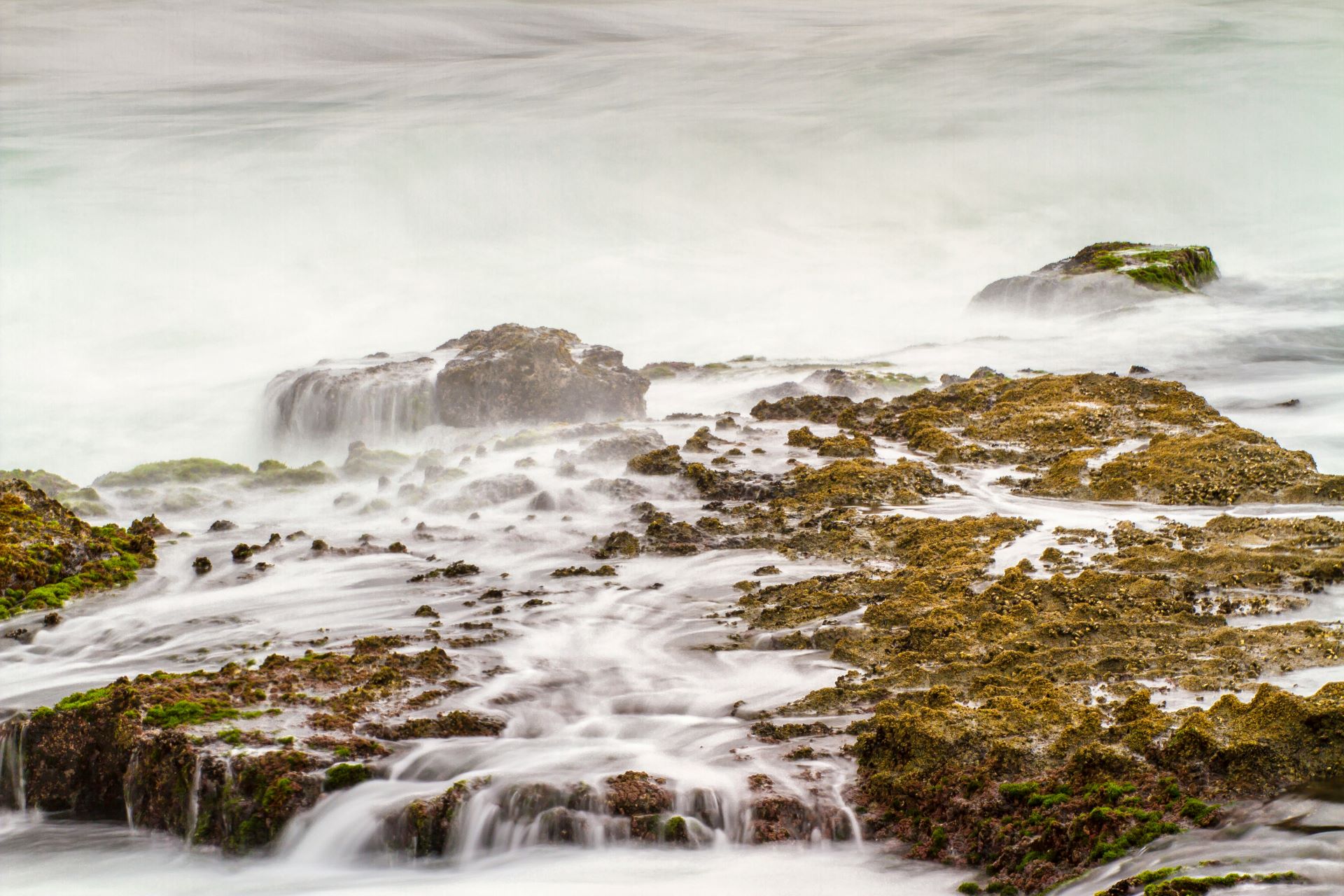
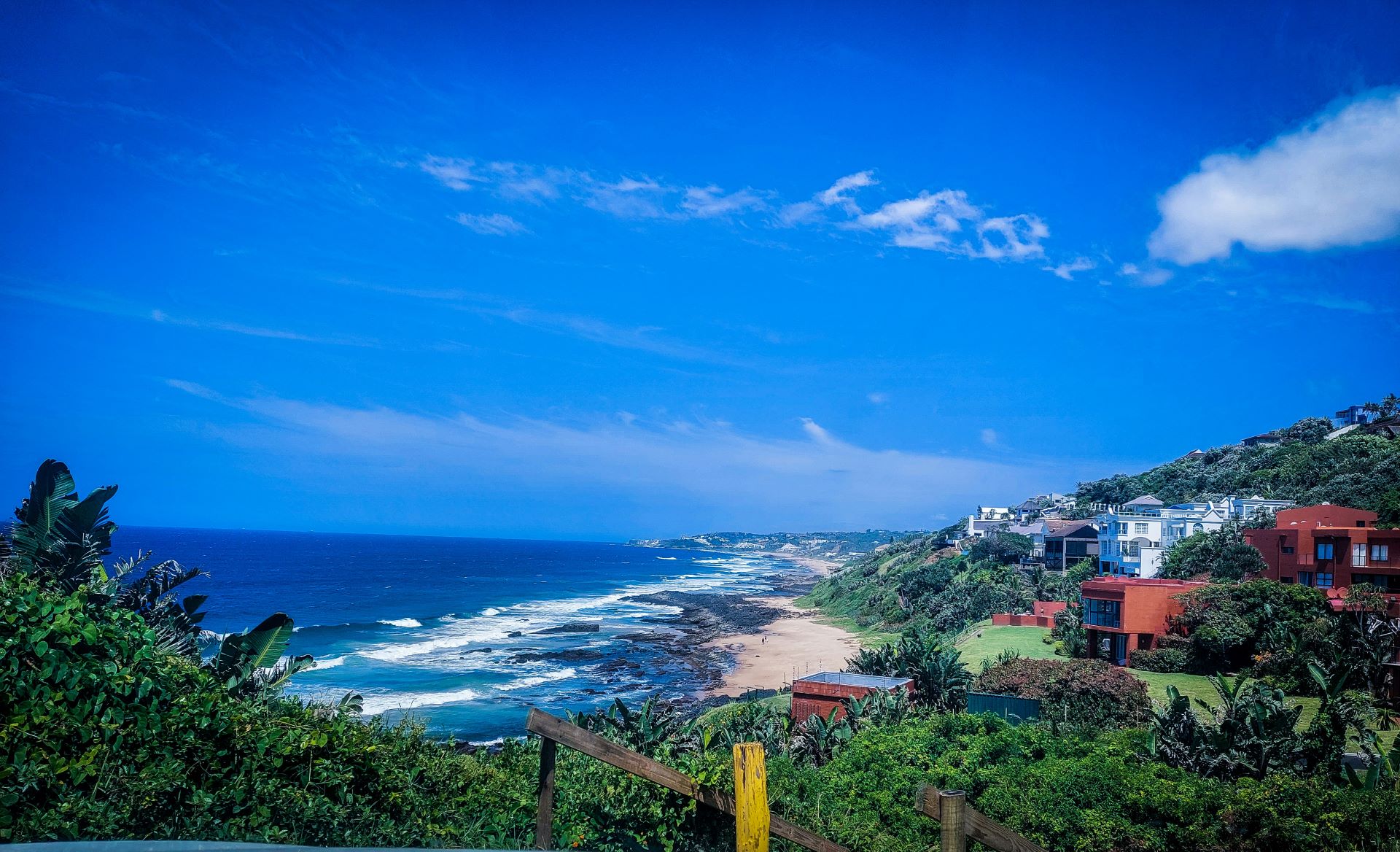
There are few places in South Africa that live up to their name as vividly as the Wild Coast. The very phrase conjures images of windswept cliffs, restless seas, rivers charging headlong into the Indian Ocean, and villages strung along emerald hills like beads on a necklace. Yet to reduce it to a postcard image is to do it injustice. The Wild Coast is not merely scenery—it is an experience that grips every sense, demands patience, and rewards with revelations both subtle and profound.
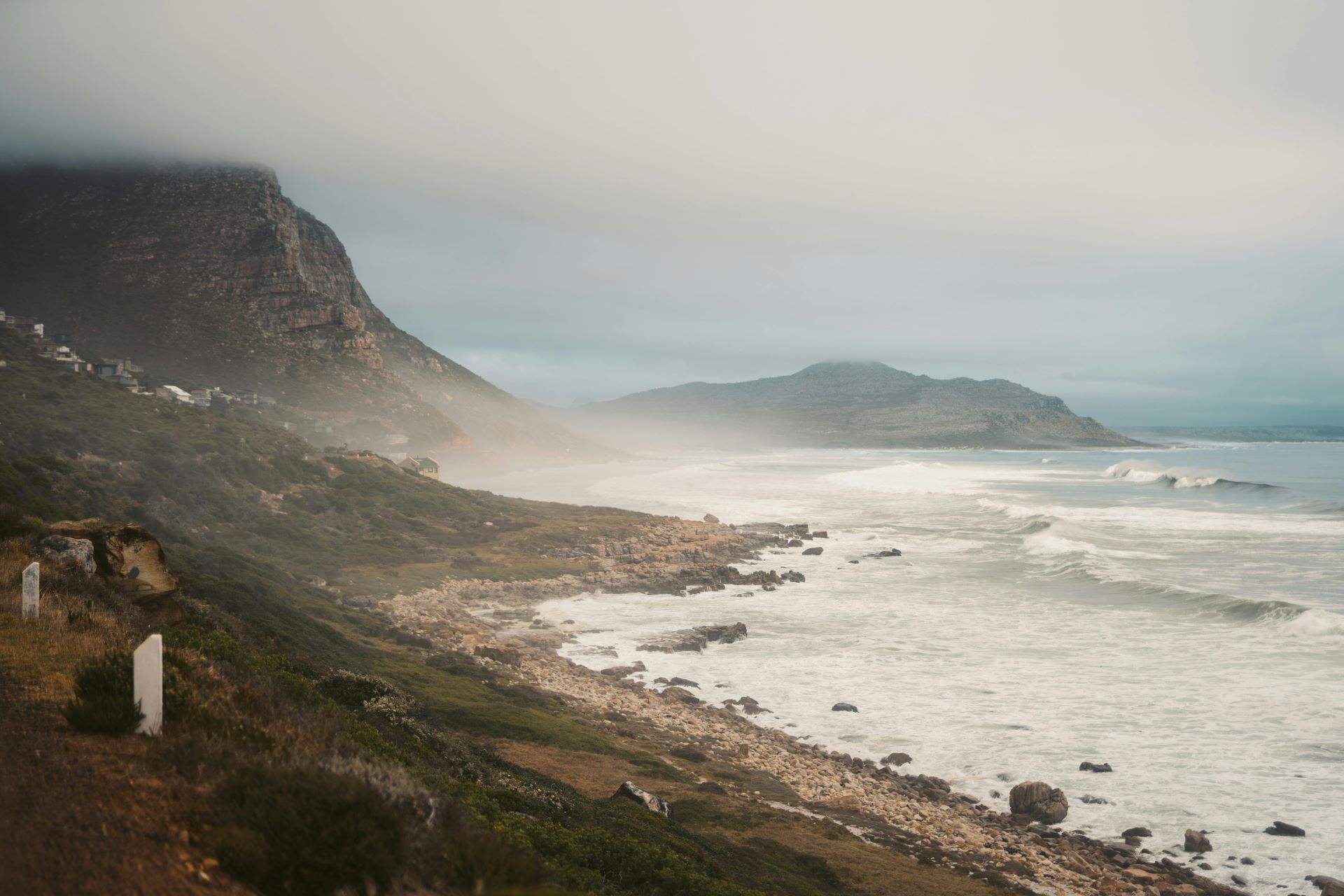
Stretching from the Mtamvuna River near Port Edward down to the Great Kei River beyond East London, the Wild Coast extends for roughly 300 kilometres. But measuring it in distance misses the point. This is a coastline measured in moods: misty mornings where valleys appear like sleeping giants, afternoons alive with the call of fish eagles, and evenings where the horizon blurs between sea and sky.
To take a road trip here is to enter into a kind of pact. You leave behind the comforts of predictability and surrender to detours, rough roads, and sudden surprises. In return, the Wild Coast offers something that polished tourist circuits rarely can: the feeling that you have encountered a place still raw, still untamed, and profoundly itself.
The Road Begins: Durban to the Borderlands
The journey often starts in Durban, South Africa’s subtropical port city where the smell of curry mingles with ocean spray and the hum of traffic never quite fades. Heading south on the N2, the scenery begins with sugarcane fields, their stalks swaying like an endless green tide. Small towns drift past—Scottburgh, Hibberdene, Port Shepstone—each one a reminder of how the coast has long drawn people seeking both livelihood and leisure.
By the time you reach Port Edward, the last town of KwaZulu-Natal, the anticipation is palpable. This is the gateway. Crossing the Mtamvuna River, the official border into the Eastern Cape, is less about geography than it is about mood. The tar road narrows, the signage grows sparse, and the hills roll out in waves that seem to lean toward the sea. You have entered another South Africa, one less concerned with schedules and more in tune with elemental rhythms.
Into the Transkei: A Land of Heritage
The Transkei—meaning “the land beyond the Kei”—was once an independent homeland under apartheid, a political fiction that sought to fracture South Africa along ethnic lines. Today, it is the heartland of the Xhosa people, and it retains a sense of separation, though now in a way that travellers find alluring rather than imposed.
The hills are dotted with rondavels—circular homes, often painted turquoise or pink, their thatched roofs rising like crowns. Smoke curls from cooking fires, and cattle wander across roads at their leisure, impervious to hooting horns. Children wave as you pass, sometimes running alongside with contagious laughter.
This is also the birthplace of Nelson Mandela, whose childhood in the small village of Qunu shaped his sense of justice, resilience, and connection to community. Driving through the rolling landscapes, it is easy to see how a leader could draw strength from the land itself—endlessly giving, endlessly enduring.
Coffee Bay: Between Myth and Sea
If the Wild Coast had a soul, Coffee Bay would be one of its beating hearts. The village’s name harks back to a shipwreck in the 19th century that scattered coffee beans across its shores, though none ever took root. What did take root was a community that thrives on its eccentric mix of travellers, locals, surfers, and dreamers.
The road to Coffee Bay winds through valleys that seem stitched together by rivers. The final stretch, a rollercoaster of hills and bends, delivers you suddenly to the sight of the ocean—vast, wild, and gleaming in shades of blue that change with every passing cloud.
Nearby lies Hole in the Wall, the coast’s most famous landmark. Standing before it, waves booming through the colossal arch, it is difficult not to feel small. According to Xhosa legend, the hole was created when a sea spirit opened a gateway through the rock to reach his beloved maiden on the other side. The story lingers in the air, carried on the salty spray, blending myth with geology in a way that feels perfectly at home here.
At dusk, as the sun bleeds into the horizon, Coffee Bay hums with music from backpacker lodges and the laughter of travellers swapping stories. It is both ancient and immediate, a place where you are reminded that the Wild Coast is not just landscape but lived experience.
The People of the Coast
To travel the Wild Coast without engaging with its people is to miss its essence. The Xhosa culture is deeply woven into daily life here. In villages, women craft beadwork in patterns passed down through generations. Herd boys guide cattle across ridges, their whistles carrying in the wind. Healers, known as amagqirha, are sought for their wisdom, blending herbal knowledge with spiritual guidance.
Visitors who stay in village homestays often speak of evenings spent around a fire, listening to stories under constellations that seem brighter than anywhere else. The food is simple but rich in flavour: umngqusho (samp and beans), fresh-caught fish grilled over coals, or steaming umfino—greens stirred into maize porridge. Hospitality here is not performance; it is instinct.
Music, too, shapes the experience. The rhythm of drums, the lilting harmony of voices raised in song, and the ululation of celebration drift through valleys at night. These are not staged performances but the soundtrack of life. For the traveller, they are invitations—reminders that the coast is not only wild in its landscapes but alive with human spirit.
Port St Johns: Bohemian Soul of the Wild Coast
Further south lies Port St Johns, a town that captures the contradictions and vitality of the region. Cradled at the mouth of the Umzimvubu River, and flanked by dramatic cliffs known as the First, Second, and Third Beach mountains, the town feels like a stage set carved by nature.
Port St Johns is at once scruffy and enchanting. Its streets hum with the chatter of locals selling fresh produce, Rastafarian-inspired cafés waft incense, and fishing boats glide along the river. The town has long drawn artists, wanderers, and those who find themselves out of step with the conventional world. Here, the eccentric is not unusual; it is celebrated.
Days here can be spent hiking through forests thick with cycads and yellowwoods, or casting a line into the river where tigerfish lurk. At night, the town pulses with energy, from beachfront bonfires to gatherings where music and conversation stretch into the early hours. Port St Johns is not polished, but that is precisely its charm.
Rivers, Forests, and Hidden Bays
The Wild Coast is a land of rivers—over 60 of them cut through its cliffs and hills, creating estuaries where freshwater meets salt. Each river brings life: reeds that sway in the breeze, mangroves teeming with crabs, fishermen mending nets, and children splashing in shallows.
Among the most spectacular is the Mbashe River, which carves a dramatic gorge before spilling into the sea near Dwesa Nature Reserve. The reserve itself is a mosaic of coastal forest, grassland, and wetland. Rare birds flash through the canopy, and bushbuck slip quietly through thickets.
The coastline is punctuated by secret beaches and coves accessible only by footpaths or by the guidance of locals. These are places where you may walk for hours without encountering another soul, the sand marked only by your own footprints and those of shorebirds. It is here that the Wild Coast reveals its deepest magic—its ability to make you feel utterly alone yet profoundly connected.
Seasons of the Coast
The Wild Coast changes with the seasons, each bringing its own mood. In summer, thunderstorms roll in from the inland mountains, cracking open the sky before clearing to reveal days of brilliant sunshine. Winter brings calmer seas, cool nights, and migrating humpback whales breaching just offshore.
Spring and autumn are perhaps the most rewarding for travellers. Wildflowers bloom across the hills, and the air carries a freshness that makes long hikes irresistible. Regardless of season, the coast remains unpredictable—mist can descend suddenly, seas can turn treacherous, and roads can transform with a single downpour. But unpredictability is part of the pact; it keeps the coast wild.
East London: The Return to Modernity
Eventually, the road leads to East London, a city that feels like a re-entry into the modern world. Its beaches are tamed with lifeguard towers, its streets lined with malls and office blocks. For some travellers, it is a relief—a return to the familiar comforts of urban life. For others, it is almost jarring, a reminder that the Wild Coast cannot last forever.
Yet the transition is part of the journey. It throws into relief just how rare the Wild Coast truly is in a world increasingly mapped, marketed, and manicured. The rugged embrace of the coast lingers in memory long after you’ve merged back into city traffic.
A Journey That Changes You
The Wild Coast does not promise luxury or convenience. Roads can test your patience, weather can turn against you, and progress often feels slow. But in exchange, it offers something more enduring: a sense of wonder. Not the glossy wonder of a brochure, but the deep, humbling wonder of a world still unshaped by human hands.
Every bend, every encounter, every quiet evening beneath its wide skies reinforces the truth: the Wild Coast is not a destination but an experience. It is not about ticking boxes or taking photos; it is about allowing yourself to be altered by the raw, unpredictable beauty of a land that resists taming.
When you leave, you do not leave it behind entirely. The roar of waves through the Hole in the Wall, the laughter of children on the roadside, the scent of wood smoke drifting across a valley—all these linger, stitched into your memory.
The Wild Coast does not merely give you a road trip. It gives you a story, one you will carry long after the dust has settled from your tyres.
Gerald Ferreira
Reporting from the frontlines of the South African tourism renaissance. Bridging the gap between regional stories and global audiences through elite narrative strategy.