

South Africa has long been celebrated for its breathtaking landscapes, rich cultural tapestry, and vibrant history. Today, a new revolution is underway in the way travelers experience this dynamic nation—a revolution powered by augmented reality (AR) and virtual tours. These innovative technologies are reshaping the travel narrative, inviting both local explorers and international adventurers to engage with South Africa in ways that were once the stuff of science fiction.
In a world where technology continues to push the boundaries of possibility, AR and virtual tours offer an immersive gateway into South Africa’s most treasured attractions. Imagine standing before a centuries-old rock painting in the Cederberg, where your smartphone overlays ancient legends and historical context onto the rugged terrain. Or picture taking a virtual stroll through the bustling streets of Cape Town, where digital enhancements reveal the hidden stories behind iconic landmarks. This seamless blend of physical beauty and digital enrichment is not just redefining travel—it is revolutionizing it.
South Africa’s tourism sector has quickly embraced these digital innovations, positioning the country as a trailblazer in experiential travel. The integration of AR and virtual tours means that potential visitors can preview destinations, interact with historical narratives, and even “visit” attractions without ever leaving their homes. This technology-driven approach enhances accessibility, enabling travelers who face mobility challenges or budget constraints to explore the marvels of South Africa in a novel, engaging format.
The optimistic spirit that permeates South African tourism is now further amplified by these technologies. They create opportunities for storytelling that are as vibrant and dynamic as the country itself, connecting past and present while promising a future where travel is more personalized, interactive, and unforgettable. As the lines between the digital and physical worlds blur, South Africa’s natural and cultural treasures are poised to captivate a global audience, offering a truly transformative travel experience.
In this article, we explore the profound impact of augmented reality and virtual tours on South African tourism. We will delve into how AR is revolutionizing on-site visitor experiences, transform travel planning with immersive virtual tours, and share real-life success stories that showcase the power of these technologies. With an eye toward the future, we will also examine upcoming trends, challenges, and practical insights for travelers eager to leverage these innovations. Join us as we journey through the evolving landscape of tourism in South Africa—a landscape where every experience is enriched, every destination is more accessible, and every traveler is invited to embark on a digital adventure.
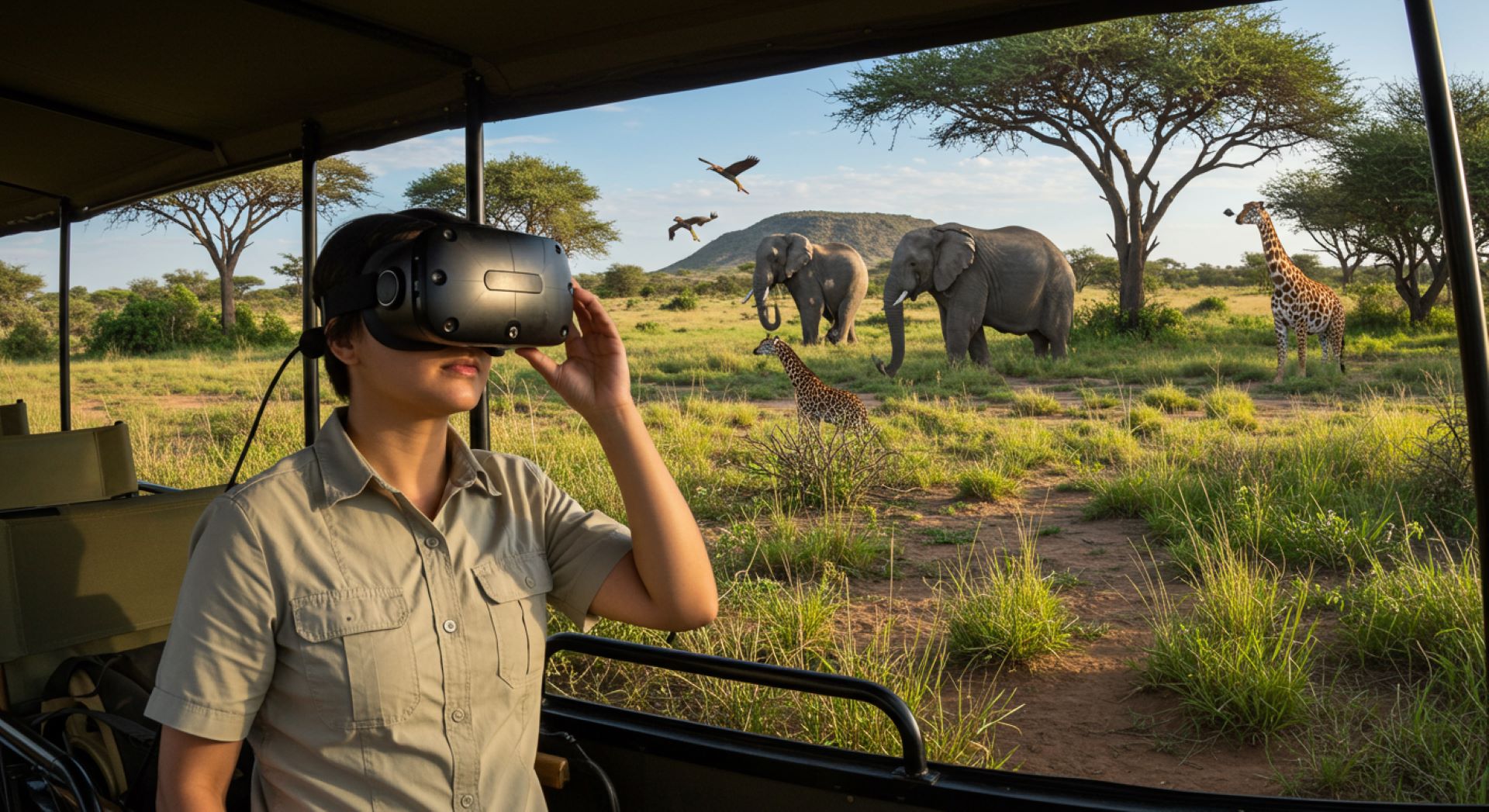
The Role of Augmented Reality in Tourism
Augmented reality is transforming the tourism industry by merging digital information with the physical world. In South Africa, this technology is not only an innovative tool—it is a dynamic medium that brings history, nature, and culture to life. At its core, AR overlays digital content, such as images, audio, and video, onto the real-world environment, offering visitors an interactive and enriched experience. For tourists in South Africa, this means that every site can tell a deeper, more captivating story.
One prominent example of AR in action is the innovative AR applications developed for historical landmarks. In regions like the Cradle of Humankind, AR apps allow visitors to witness reenactments of ancient human life, giving context to fossil sites and archaeological discoveries. This digital layer transforms static displays into living narratives, making history accessible and engaging. Similarly, at heritage sites such as Robben Island, AR guides can provide interactive maps, detailed historical accounts, and even audio testimonials from former inmates, thus creating an immersive educational journey for visitors.
In natural landscapes, AR has the power to reveal the unseen. Consider the spectacular panorama of the Drakensberg Mountains, where AR apps enable travelers to identify geological formations, learn about local flora and fauna, and even listen to indigenous legends passed down through generations. Such technological enhancements not only enrich the experience but also encourage sustainable tourism practices by reducing the need for physical guide materials and minimizing environmental impact.
South African tourism boards and private enterprises have been quick to adopt AR technology, recognizing its potential to elevate visitor experiences. For example, several museums in Johannesburg have integrated AR exhibits to reconstruct historical scenes or display virtual artifacts that would otherwise be too fragile for regular handling. These applications have garnered praise from both local historians and international visitors, who appreciate the blend of factual accuracy and creative storytelling. One notable case study comes from a small cultural village in KwaZulu-Natal, where AR has been used to animate traditional dances and ceremonies, offering tourists a glimpse into the vibrant local culture in an engaging and respectful manner.
The benefits of AR in tourism are manifold. Travelers enjoy increased interactivity, with digital content that provides real-time translations, contextual information, and personalized recommendations. This heightened level of engagement transforms every tourist into an active participant in their own travel narrative, rather than just a passive observer. Moreover, AR fosters convenience and efficiency; with a smartphone or tablet, travelers can access a wealth of information without the need for bulky guidebooks or the constant presence of a tour guide.
Additionally, AR is opening up new avenues for accessibility. Individuals with disabilities or those who might not be able to navigate physical spaces easily can now experience the richness of South Africa’s tourist sites through augmented digital layers. By offering a multi-sensory experience—where sight, sound, and even tactile feedback can be simulated—AR ensures that travel is inclusive and available to everyone.
From a business perspective, AR is proving to be a boon for tourism operators. Enhanced visitor experiences lead to higher satisfaction levels, increased engagement, and ultimately, repeat visits. For local artisans and tour operators, AR provides an innovative platform to showcase products, cultural performances, and historical narratives, thereby supporting local economies and preserving cultural heritage.
In essence, augmented reality is not merely a technological trend; it is a transformative force in South African tourism. It bridges the gap between the past and the present, offering travelers a richer, more interactive understanding of the country’s heritage and natural beauty. With each innovative application, AR is setting the stage for a future where digital and physical realities coalesce to create experiences that are as informative as they are inspiring.
The Impact of Virtual Tours on Travel Planning
Virtual tours have emerged as a game-changing tool in the world of travel, redefining the way prospective visitors plan and experience their journeys. In the context of South African tourism, virtual tours are transforming attractions into accessible, interactive experiences that captivate audiences from around the globe—even before they set foot in the country.
At its most basic, a virtual tour is an online simulation of an existing location, often enhanced with high-resolution images, 360-degree views, and interactive features that allow users to navigate through a space at their own pace. For travelers, these digital experiences offer a valuable preview of what awaits them, enabling more informed decisions when booking trips. With the constraints of time, budget, or mobility, virtual tours democratize travel by removing barriers to access.
South Africa has been at the forefront of embracing virtual tours, particularly as the world adapted to a new travel paradigm during times of global uncertainty. Many national parks, museums, and cultural heritage sites have launched virtual platforms to reach potential visitors who might otherwise have been unable to experience them. For instance, the Kruger National Park has developed an interactive online tour that lets users explore its vast wilderness virtually. High-definition imagery, accompanied by detailed commentary and interactive maps, creates an immersive experience that brings the park’s diverse ecosystems right into the living room of every viewer.
Similarly, Cape Town’s world-renowned museums and art galleries have implemented virtual tours that allow art enthusiasts to explore exhibits, engage with curators through live chats, and even participate in digital workshops. These virtual experiences serve as both a teaser and an alternative for those who cannot visit in person. In a way, virtual tours are paving the path for a more inclusive form of tourism—one where cultural and natural heritage is accessible regardless of geographical or physical limitations.
The rise of virtual tours has also had a profound impact on travel planning. By offering a realistic preview of a destination, these tours help potential visitors visualize their itineraries and set realistic expectations. Travelers can “walk” through a museum in Johannesburg, inspect the intricate details of a heritage building in Durban, or even navigate the bustling streets of Soweto—all from the comfort of their homes. This ability to explore digitally often increases anticipation and excitement, prompting many to eventually experience these attractions in person.
One of the key advantages of virtual tours is their ability to provide detailed information and insights that traditional brochures or static websites simply cannot match. Many virtual tours are embedded with interactive elements that allow users to click on points of interest for further details, watch short documentary clips, or even read firsthand accounts from locals and experts. This depth of content transforms the planning phase from a mundane task into an engaging exploration, making it easier for travelers to commit to a destination.
For tourism operators and local businesses, the introduction of virtual tours has been a boon. These platforms act as a powerful marketing tool, generating interest and drawing in audiences who might be on the fence about traveling. By showcasing the best of South Africa in an interactive format, tourism boards have seen an uptick in visitor numbers and engagement metrics. Data from several virtual tour platforms have indicated significant increases in both online traffic and eventual bookings, highlighting the positive correlation between digital experiences and physical visits.
Moreover, virtual tours have proven invaluable in catering to niche markets. For instance, adventure seekers and eco-tourists can use virtual platforms to assess the terrain and features of national parks before planning their treks or safaris. Families planning educational trips can explore museums and heritage sites with interactive guides that enhance the learning experience for children. The adaptability of virtual tours means they can be tailored to suit a variety of interests and needs, further expanding their appeal.
In summary, virtual tours are not just a temporary workaround for travel limitations—they are a revolutionary tool that is reshaping how we plan, anticipate, and ultimately experience tourism. In South Africa, these digital experiences are opening doors to new audiences, enriching the travel planning process, and ensuring that every potential visitor has the opportunity to connect with the country’s rich cultural and natural heritage, regardless of their circumstances.
Case Studies and Success Stories
The transformative impact of augmented reality and virtual tours on South African tourism is best illustrated through real-life success stories. Several attractions and cultural institutions have embraced these technologies, resulting in enhanced visitor engagement and measurable improvements in tourism metrics.
One standout example is the use of AR at the historic sites in the KwaZulu-Natal province. A community-run initiative in a small village near the Drakensberg Mountains has implemented an AR experience that animates local folklore. By using an AR app, visitors can witness reenactments of traditional ceremonies and historical events, with digital overlays that add depth to the physical environment. This initiative has not only enriched the visitor experience but also contributed to an increase in foot traffic by over 25% in the months following its launch. Local tourism officials have noted that the interactive element of the AR experience has sparked new interest among younger generations and international travelers alike.
Another compelling case study is the virtual tour developed for the Kruger National Park. With the global pandemic limiting international travel, the park’s management collaborated with tech innovators to create a comprehensive virtual tour. This digital experience features high-definition imagery, immersive 360-degree views of key wildlife habitats, and interactive information panels about the park’s ecosystem. The virtual tour attracted thousands of visitors online, many of whom later converted into on-site visitors once travel restrictions were eased. Data showed a significant uptick in inquiries and bookings, with a notable 30% increase in safari reservations attributed directly to the heightened online engagement.
Museums and cultural institutions in urban centers have also benefited from these innovations. For instance, a prominent art museum in Johannesburg introduced an augmented reality feature that allowed visitors to explore hidden details of each exhibit. Interactive AR guides provided insights into the techniques used by local artists, complete with video interviews and behind-the-scenes footage. This initiative not only elevated the museum experience but also increased visitor satisfaction scores, with surveys reporting that 90% of participants felt more connected to the art on display. The success of this project has led other cultural institutions to consider similar digital enhancements, creating a ripple effect across the national arts scene.
Testimonials from travelers further highlight the positive impact of these technologies. “Using the AR app at the historical site in KwaZulu-Natal was like stepping back in time. It brought the stories to life in a way I never imagined,” shared one enthusiastic visitor. Another traveler noted, “The virtual tour of Kruger National Park made me fall in love with the place before I even booked my trip. It gave me a realistic preview that convinced me to visit in person.” Such feedback underscores the value of these technologies not only in enriching experiences but also in driving tangible economic benefits for local communities.
Furthermore, small businesses and local startups are increasingly integrating AR and virtual tour technologies into their offerings. From boutique hotels offering virtual previews of their rooms to local tour operators providing AR-enhanced walking tours of historic neighborhoods, these success stories demonstrate the versatility and widespread appeal of digital enhancements in tourism. The result is a more vibrant, connected ecosystem where technology serves as both an educational tool and a catalyst for economic growth.
In essence, the case studies from South Africa are a testament to the power of innovation. They show that when augmented reality and virtual tours are thoughtfully implemented, they can transform traditional attractions into dynamic, interactive experiences that captivate audiences and drive sustained engagement. These success stories serve as a beacon of inspiration for other regions and sectors, illustrating how technology can be harnessed to celebrate heritage, foster community pride, and propel tourism into a promising digital future.
The Future of AR and Virtual Tours in South Africa
As the digital landscape evolves, the future of augmented reality and virtual tours in South African tourism looks exceptionally bright. Ongoing innovations promise to further blur the boundaries between physical and digital experiences, providing even richer, more immersive ways to explore the country’s wonders.
Looking ahead, one of the most exciting trends is the integration of artificial intelligence with AR and virtual tours. AI-powered platforms could offer personalized travel experiences, adjusting content based on individual preferences and historical data. Imagine a virtual tour that not only shows you the beauty of the Cape Winelands but also recommends specific vineyards based on your taste profile, complete with interactive AR overlays that share the history and winemaking techniques of each estate. This level of customization will likely become a standard feature, driving deeper engagement and enhancing the overall travel experience.
The rise of 5G technology is another key factor that will accelerate the adoption of these innovations. With faster internet speeds and lower latency, the quality and responsiveness of AR applications and virtual tours will improve dramatically. This technological leap means that digital experiences will become smoother, more interactive, and capable of handling richer multimedia content—allowing for real-time updates and live interactions with guides and fellow travelers. As a result, virtual tours could evolve into fully interactive experiences, where users can ask questions and receive immediate, AI-driven responses.
Moreover, partnerships between technology startups and the tourism industry are expected to flourish. In South Africa, a growing number of innovative companies are exploring ways to integrate cutting-edge digital tools into the travel experience. These collaborations could lead to the development of multi-platform experiences that combine AR, virtual reality (VR), and even mixed reality (MR) to create comprehensive digital journeys. For example, tourists might begin their journey with an immersive VR preview of a destination, transition to an AR-enhanced experience upon arrival, and later relive their adventures through a curated virtual tour available on their devices.
While the future is undeniably promising, there are challenges that lie ahead. One of the main hurdles is ensuring equitable access to these technologies. Rural areas and smaller attractions may struggle to secure the necessary investments to develop high-quality AR or virtual tour experiences. However, as technology becomes more affordable and widespread, even these regions are likely to benefit from digital tourism initiatives. Additionally, data privacy and security will remain paramount. Stakeholders must ensure that as digital platforms become more sophisticated, they also adhere to stringent standards to protect user data and maintain trust.
Despite these challenges, the opportunities far outweigh the potential obstacles. The continued evolution of AR and virtual tours is set to revolutionize how travelers interact with South Africa’s cultural and natural heritage. With ongoing investments in technology and a strong commitment from both the public and private sectors, South Africa is poised to lead the way in digital tourism innovation. The convergence of creative storytelling, technological advancement, and strategic collaboration heralds a future where every visitor can experience the country in a truly immersive and personalized manner.
Traveler Insights and Tips
For travelers eager to harness the benefits of augmented reality and virtual tours during their South African adventure, preparation is key. Leveraging these digital tools can enhance your journey and ensure that every moment of your trip is enriched with context and interactivity. Here are some practical insights and tips to help you get the most out of your experience.
Research and Download the Right Apps:Before setting out on your trip, invest time in exploring AR apps and virtual tour platforms dedicated to South African attractions. Look for reviews and recommendations on travel blogs or forums to find the most user-friendly and feature-rich applications. Many apps are available for free on both Android and iOS platforms, while some may offer premium content for a nominal fee.
Utilize Virtual Tours for Pre-Trip Planning:Take advantage of virtual tours offered by national parks, museums, and cultural sites. Not only do these tours provide an immersive preview of your destination, but they also help you plan your itinerary more effectively. Whether it’s mapping out a safari route or exploring the hidden corners of a historic city, virtual tours can offer valuable insights that save you time and enhance your on-site experience.
Stay Connected for Real-Time Updates:When traveling, a reliable internet connection is essential to fully utilize AR features. Ensure that you have a local SIM card or a good international data plan. This will allow you to receive real-time updates, access interactive maps, and even engage with live content at various attractions.
Engage with Local Experts:Many AR apps and virtual tour platforms offer interactive features that connect you with local guides and experts. Don’t hesitate to reach out through these platforms to ask questions or get insider tips. Personal interactions can provide deeper insights into the cultural and historical context of the sites you are visiting.
Balance Digital and Physical Experiences:While digital enhancements are incredibly useful, remember to take time to simply absorb your surroundings. Use AR and virtual tours as tools to deepen your understanding, but allow yourself the freedom to explore without a screen in hand. This balance will ensure a richer, more holistic travel experience.
Share Your Experiences:Many platforms encourage user feedback and social sharing. Document your journey with photos, videos, and reviews. By sharing your experiences, you not only contribute to the broader travel community but also help improve the digital content available for future travelers.
Embracing these technologies is not just about convenience—it’s about enhancing the richness of your travel experience. By integrating AR and virtual tours into your planning and exploration, you open yourself up to a deeper connection with South Africa’s landscapes, history, and culture. Whether you are a first-time visitor or a seasoned traveler, these tools empower you to make more informed decisions and create memories that are as vivid in your mind as they are on your screen.
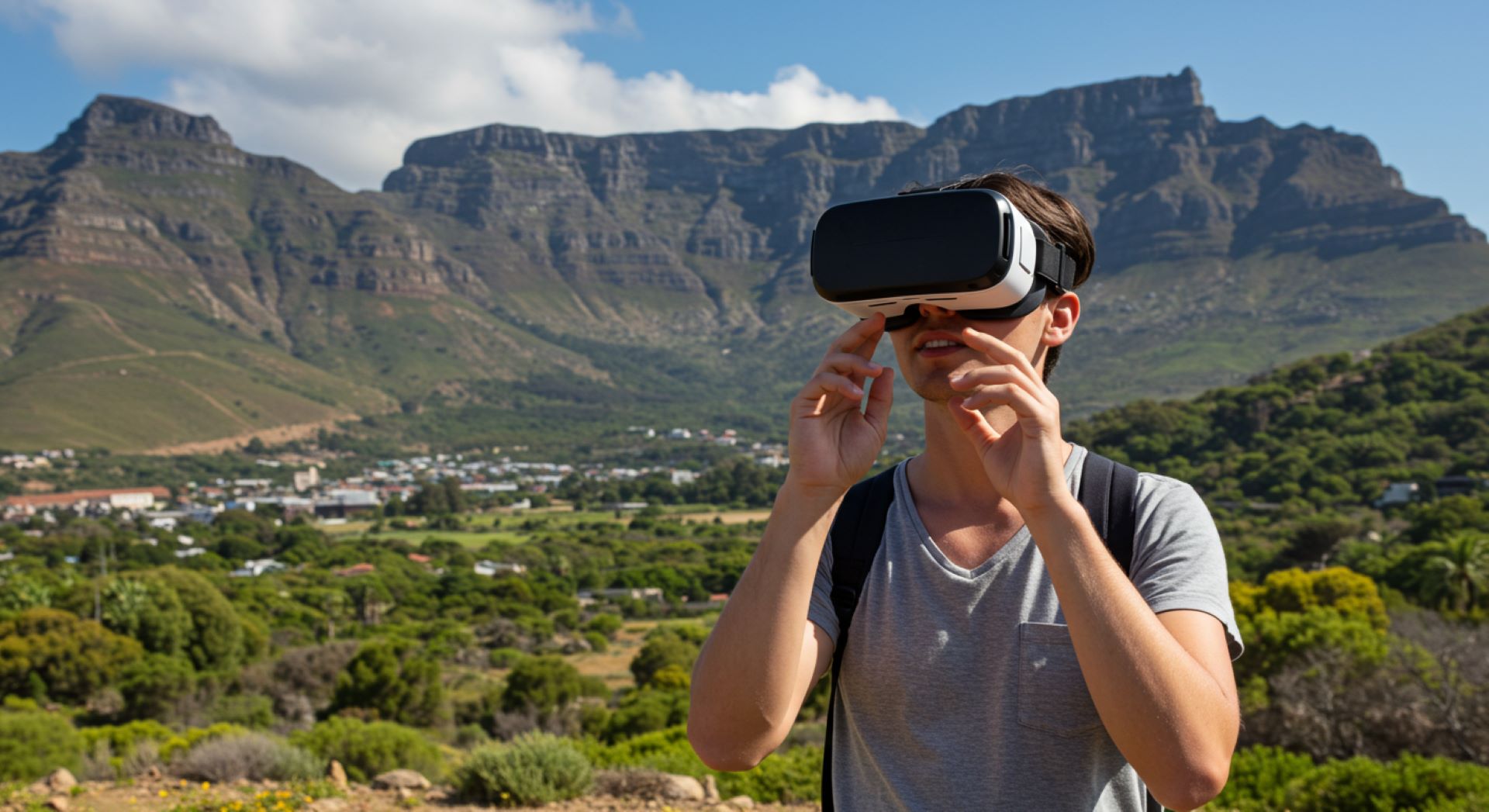
Augmented reality and virtual tours are revolutionizing the way we experience South African tourism. By blending the digital with the physical, these technologies are not only enhancing the visitor experience but also driving economic growth and cultural preservation across the country. From interactive AR applications at historical landmarks to immersive virtual tours of national parks and museums, South Africa is paving the way for a new era in travel.
This digital transformation offers a wealth of benefits—enabling personalized experiences, increasing accessibility, and inspiring travelers to explore the depth and beauty of South Africa like never before. As technology continues to evolve, so too will the opportunities for both travelers and the tourism industry, ensuring that each visit is enriched with dynamic, engaging, and memorable moments.
For travelers, the message is clear: embrace these innovative tools and allow them to guide your journey. Explore virtual tours to plan your itinerary, use AR to uncover hidden stories at every turn, and immerse yourself in the vibrant tapestry of South African culture and nature. The future of travel is digital, and it promises to make every adventure not only possible but truly unforgettable.
So pack your bags, charge your devices, and get ready to experience South Africa in a way that transcends traditional travel. The next great adventure is just a click away—are you ready to explore?
Herman
Reporting from the frontlines of the South African tourism renaissance. Bridging the gap between regional stories and global audiences through elite narrative strategy.