

South Africa’s 2,798 kilometres of coastline are among the most biodiverse marine environments on the planet. From the cool Atlantic waters of the Western Cape to the warm currents of the Indian Ocean lapping KwaZulu-Natal’s shores, these seas teem with life. For decades, adventurers have heeded the ocean’s call here—not only to glimpse its gentle giants, but also to come face-to-face with its apex predators, and to dive into the world-renowned marine “Big Five.” Whether you’re a seasoned wildlife enthusiast or a first-time ocean lover, South Africa offers experiences that combine thrill, awe, and a potent reminder of our responsibility to protect these fragile ecosystems.
The Marine Big Five: An Introduction
Before setting sail on your coastal quest, it’s helpful to appreciate the concept of the marine “Big Five,” a term borrowed from Africa’s iconic terrestrial safari. Along South Africa’s coasts, the Big Five comprises:
In a single trip, you can often encounter four or even all five species if you plan carefully—and if Mother Nature cooperates. Each behaves differently, has its own prime season, and requires specific gear and guidance to encounter safely and responsibly.
Whale Watching along the Cliff Tops: Hermanus and Walker Bay
Why Hermanus?
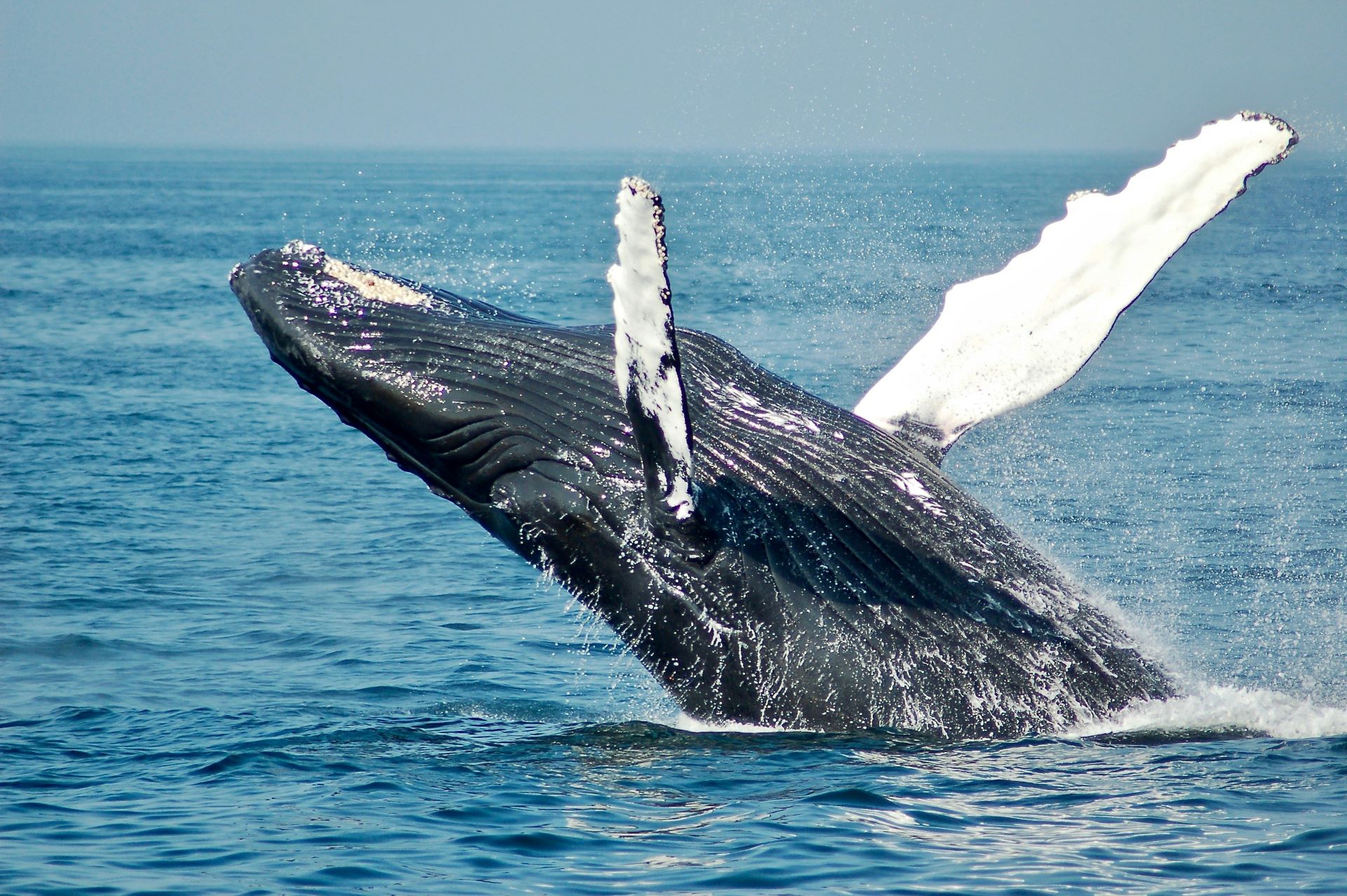
Nestled on Walker Bay’s gentle curve, Hermanus has been hailed as the “World Capital of Land-Based Whale Watching.” Here, the town’s dramatic sandstone cliffs offer panoramic vantage points mere metres from where Southern Right Whales breach, lobtail, and spy-hop.
Seasonality and Species
Viewing Tips
Beyond Walker Bay: Whale Watching in the Eastern and Southern Cape
Eastern Cape: Jeffrey’s Bay to Port Alfred
The Eastern Cape coastline—from Jeffrey’s Bay down to Port Alfred—offers boat-based whale watching experiences that often combine dolphin pods and seabird colonies. Towns such as Port Elizabeth (now Gqeberha) host operators who head offshore to deeper waters, where Bryde’s Whales, and occasionally Southern Rights, can be found.
Southern Cape: Plettenberg Bay and Knysna
Further east, Plettenberg Bay’s Robberg Peninsula gives land-based views of whales between July and December, while Knysna Lagoon mouth occasionally welcomes curious humpbacks. Boat trips here also showcase prolific seal and dolphin populations.
KwaZulu-Natal’s Tropical Whales: Durban and Beyond
In KwaZulu-Natal, the warmer Indian Ocean hosts whale species a little earlier in the year. Durban’s International Convention Centre even features an annual Whale Festival in August, celebrating the region’s returning humpbacks. Further north, iSimangaliso Wetland Park offers guided boat trips on Lake St Lucia, where migrating humpbacks and resident dolphins play against a backdrop of lush wetlands.
The Ultimate Adrenaline: Great White Shark Cage Diving
Why Gansbaai?
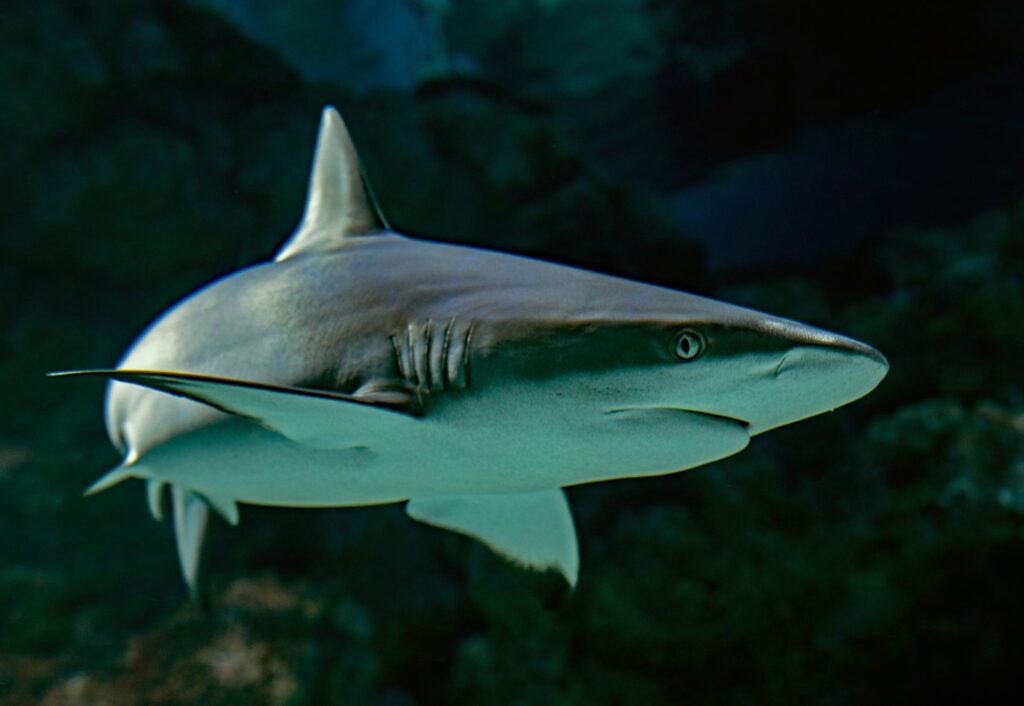
Just off the southern tip of Africa lies Gansbaai—renowned globally as the best place to cage-diving with Great White Sharks (Carcharodon carcharias). Its proximity to Dyer Island, known as “Shark Alley,” means high shark densities year-round.
When to Go
What to Expect
Shark Diving Alternatives: Mossel Bay and False Bay
Mossel Bay’s Premium Experience
Mossel Bay, farther east along the Garden Route, offers a boutique shark-cage encounter known as Shark Cage Diving Mossel Bay. Fewer tourists mean more customized attention, and waters here sometimes feature larger female Great Whites.
False Bay: Dive with a View of Table Mountain
Just an hour from Cape Town, False Bay operators run half-day trips where breaching Great Whites are a common spectacle, framed by the iconic silhouette of Table Mountain.
Ragged-Tooth Sharks: Snorkeling at Aliwal Shoal
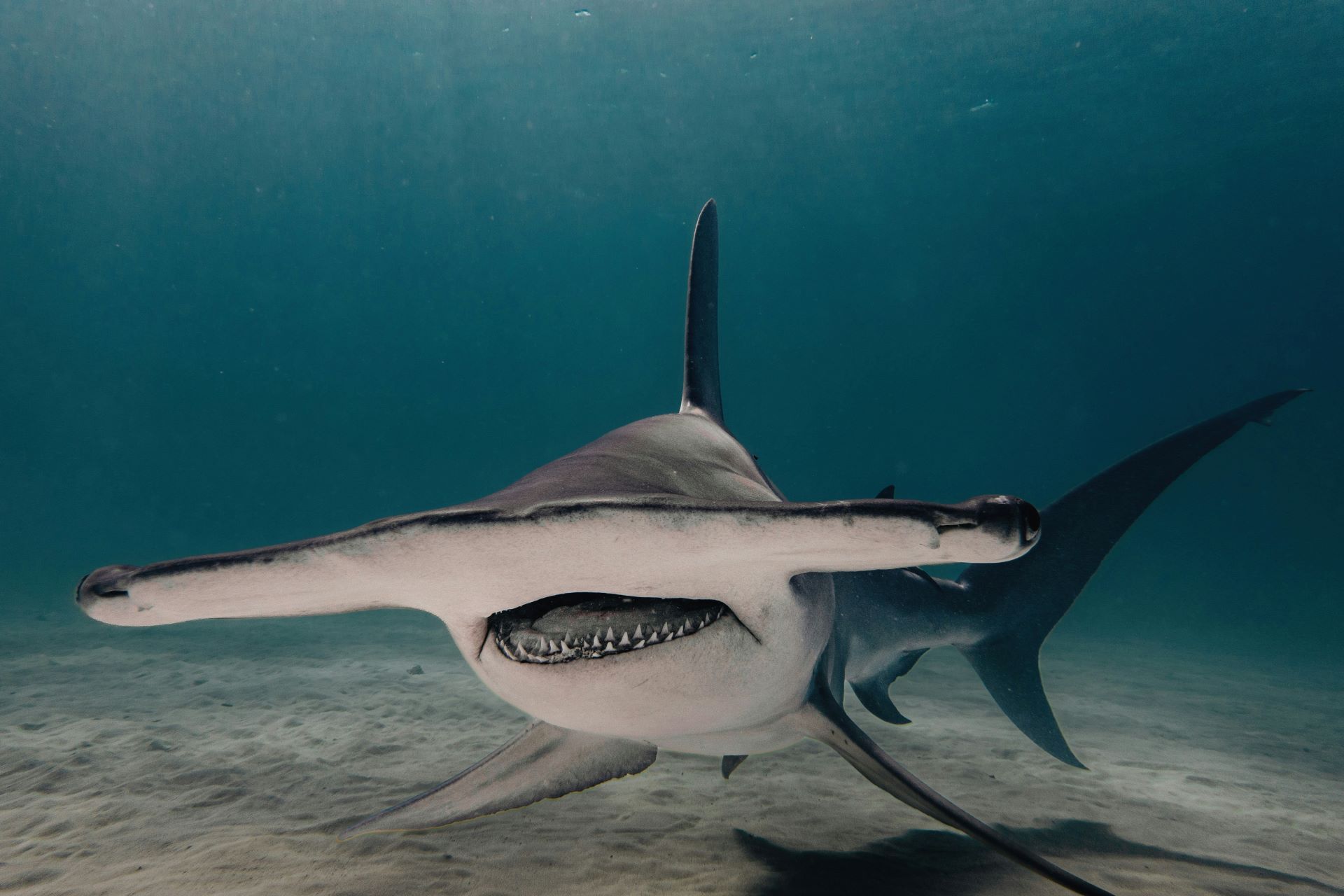
Aliwal Shoal, off the coast of KwaZulu-Natal near Umkomaas, is a submerged pinnacle reef teeming with marine life. Between October and March, ragged-tooth sharks (Carcharias taurus), also known as sand tiger sharks, congregate here by the hundreds.
Dolphins, Seals, and More: Complementary Coastal Safaris
Bottlenose and Humpback Dolphins
From Plettenberg Bay’s Dolphin Trail catamarans to Durban’s estuary cruises, encounters with playful dolphin pods are nearly guaranteed year-round. Keep an eye out for newborn calves in summer.
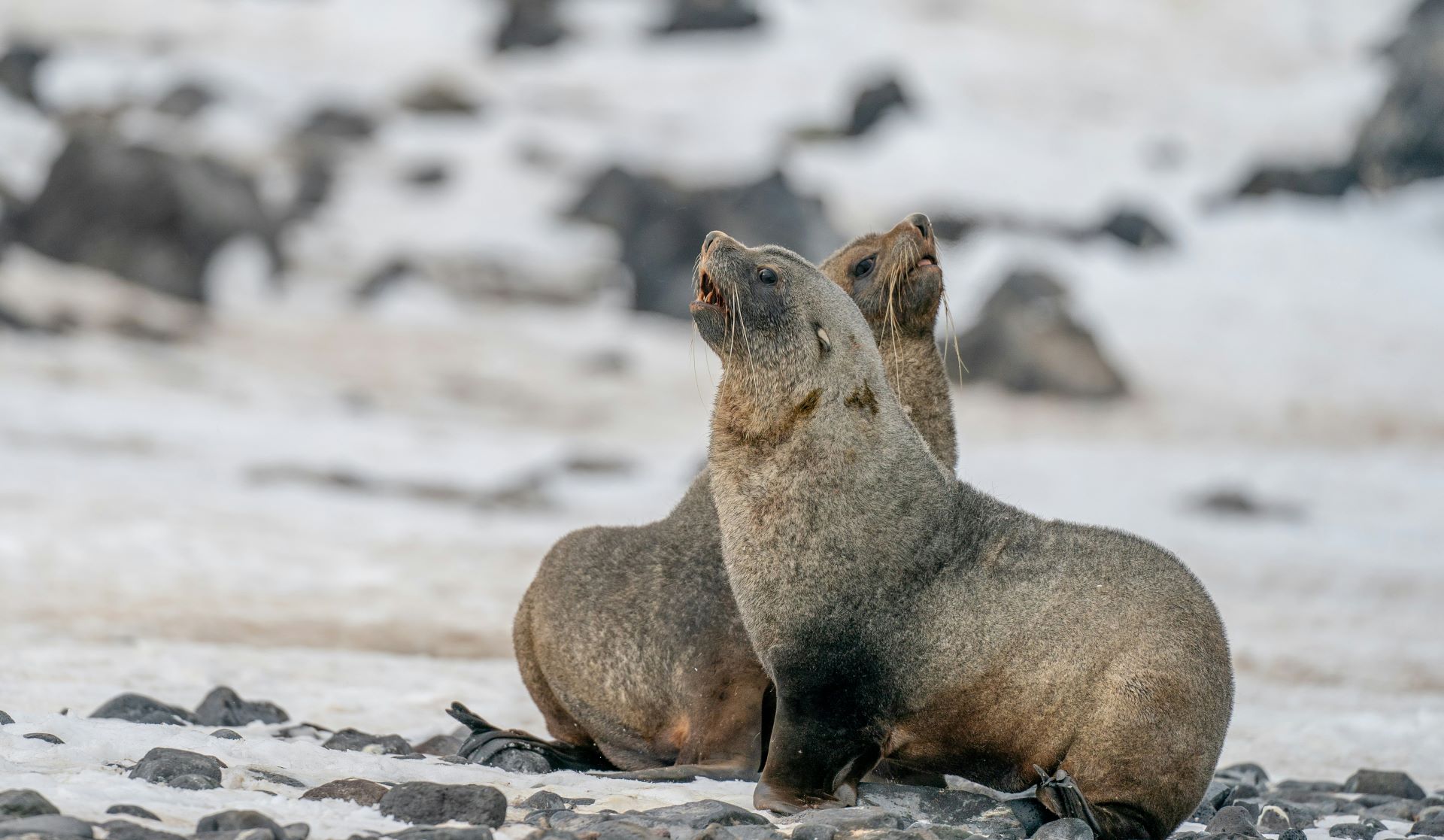
Cape Fur Seals and Penguin Colonies
The Sardine Run: Nature’s Grand Spectacle
Each June and July, billions of South African pilchard migrate north along the Wild Coast in what scientists call the world’s greatest marine wildlife spectacle. Predators converge—dolphins, sharks, seabirds, whales, even game fish—creating a feeding frenzy that can last for days. Tour operators based in Port St. Johns, East London, and Durban offer boat and scenic helicopter flights to witness this phenomenon.
Conservation and Responsible Tourism
Witnessing ocean giants carries a profound responsibility. South Africa’s marine tourism industry operates under strict regulations: permits, marine protected areas, and ethical codes of conduct exist to minimize human impact. When choosing an operator, look for:
By supporting sustainable practices, you ensure that future generations can also hear the ocean’s call.
Planning Your Coastal Adventure: Practical Tips
Safety and Environmental Guidelines
Heed the Ocean’s Call
South Africa’s coasts offer more than adrenaline-fuelled encounters; they provide a profound connection to the natural world and a reminder of our planet’s fragility. Whether you watch a mother whale nurture her calf from a cliff, feel the thrum of a great white beneath your cage, or drift alongside gentle ragged-tooth sharks, these experiences awaken both wonder and stewardship. So answer the call—venture to our shores with humility, respect, and an earnest desire to protect the ocean’s treasures.
Ronel Ferreira
Reporting from the frontlines of the South African tourism renaissance. Bridging the gap between regional stories and global audiences through elite narrative strategy.