

A Landscape Apart
South Africa’s Karoo is a land of extremes. Its vast, undulating plains stretch endlessly under skies so wide and luminous they feel almost unreal. The air carries a silence that is profound, broken only by the occasional cry of a lark or the whisper of wind across the arid veld. For decades, the Karoo existed quietly on the periphery of mainstream tourism—a backdrop for filmmakers, a refuge for writers, and a haven for those seeking solitude. Today, however, it is stepping into the spotlight, emerging as the ultimate destination for travellers seeking not just escape, but transformation.
The desert’s allure is no longer merely its stark beauty. A confluence of factors—rising interest in stargazing, the global thirst for isolation, and the emergence of eco-luxury lodges—has positioned the Karoo as the next frontier in South African tourism. It is here, amid the ochre-hued earth and sapphire nights, that travellers are discovering a new kind of luxury: one measured not by opulence, but by connection—to nature, to silence, and to oneself.
Stargazing: A Window into the Infinite
Few experiences in South Africa rival the night skies of the Karoo. With its high altitude, low humidity, and minimal light pollution, the desert transforms after sunset into a celestial observatory. For stargazers, both amateur and professional, the region offers some of the clearest views of the Southern Hemisphere’s constellations.
The Karoo’s contribution to global astronomy is already significant. The Square Kilometre Array (SKA), the world’s largest radio telescope, sits in the Northern Cape, its presence underscoring the scientific value of the region’s unspoiled skies. For tourists, however, the SKA represents more than scientific achievement; it serves as a tangible reminder of humanity’s small place in the cosmos—a humbling and transformative perspective that luxury resorts have begun to integrate into their guest experiences.
Eco-lodges and boutique hotels across the Karoo now offer night-time programs that rival traditional observatories. Guests are guided through the Milky Way with high-powered telescopes, introduced to southern constellations like the Magellanic Clouds, and even learn to photograph the heavens in ways previously reserved for professional astronomers. Here, stargazing is not a passive activity; it is a form of storytelling, a chance to connect the infinite above with the infinite possibilities within.
Isolation as Luxury: Escaping the Everyday
In a world dominated by overstimulation, the Karoo’s greatest currency may well be its isolation. Modern travellers are increasingly seeking destinations where privacy is not a perk but a defining feature. The desert’s sparse population, vast distances, and quiet expanses make it the perfect antidote to crowded cities and overbooked resorts.
Luxury in the Karoo is redefined through the absence of distraction. Guests at remote lodges experience days that unfold according to natural rhythms: sunrise over the mountains, a mid-morning walk among the succulents and rocky outcrops, and afternoons spent in contemplative silence, perhaps punctuated by a guided tour of nearby geological formations or fossil beds. Digital detox is not an add-on here; it is embedded into the experience.
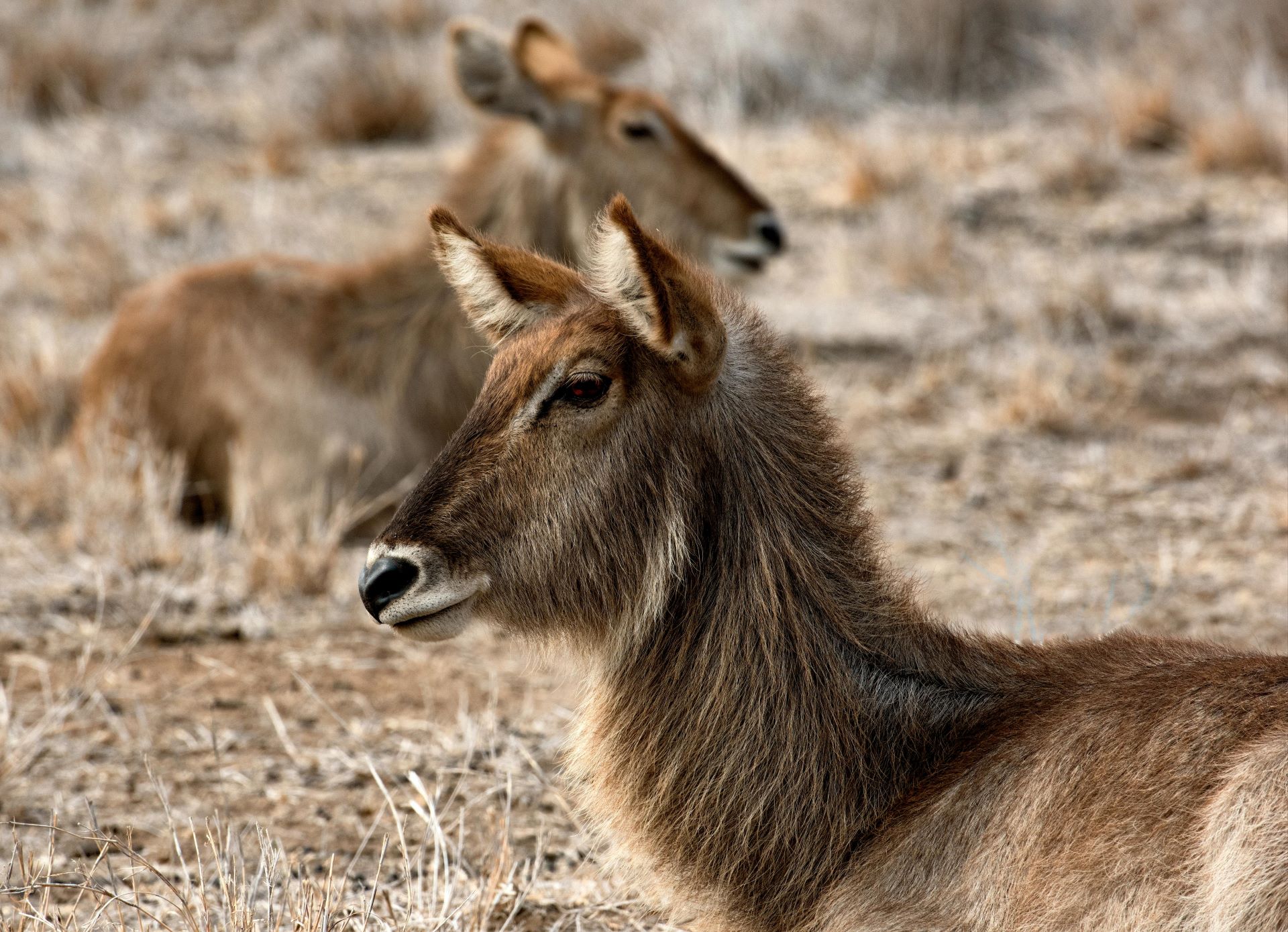
Isolation in the Karoo also extends to wildlife. Unlike South Africa’s more famous national parks, the Karoo’s fauna is subtle yet captivating. Endangered species such as the riverine rabbit, black-footed cat, and the elusive aardwolf roam these lands, offering visitors rare glimpses of creatures adapted to survive in one of the country’s harshest climates. Here, the thrill of spotting wildlife is compounded by the knowledge that each encounter is intimate, undisturbed, and profoundly personal.
Eco-Luxury Lodges: Harmonising Comfort and Conservation
The rise of eco-luxury lodges in the Karoo signals a broader shift in how tourists are approaching remote travel. Sustainability is no longer a niche concern; it is a hallmark of modern hospitality. Developers are increasingly designing lodges that harmonise with the landscape rather than dominate it, using natural materials, solar power, and water conservation systems to minimise ecological footprints.
Guests in these lodges can expect modern comforts—private pools, heated floors, bespoke cuisine—without the trappings of conventional luxury. The emphasis is on experience, authenticity, and environmental consciousness. Some properties incorporate immersive cultural programs, where travellers can engage with local communities, learn traditional crafts, or participate in conservation initiatives. In this way, visiting the Karoo becomes more than a holiday; it becomes a form of responsible stewardship.
Culinary Desert: From Farm to Table
The Karoo’s gastronomic scene has evolved alongside its eco-lodges. Chefs are increasingly embracing local produce and heritage recipes, transforming humble regional ingredients into fine dining experiences. Karoo lamb, renowned for its distinctive flavour developed from grazing on aromatic Karoo shrubs, is a staple, often accompanied by heirloom vegetables and native herbs sourced directly from the surrounding veld.
Dining in the desert is an experience as much as a meal. Long tables set under the stars, candlelight flickering across ochre sands, create a setting that feels cinematic yet intimate. Guests are encouraged to slow down, to taste each element deliberately, and to appreciate the rhythms of the land that make such flavours possible.
Adventure Beyond Comfort: Desert Exploration
While the Karoo seduces with its stillness, it also offers adventure for those willing to venture beyond lodge walls. Hiking trails traverse rocky ridges and fossil-laden valleys, revealing the region’s deep geological history. Mountain biking routes cut through wildflower-strewn plains in spring, and 4x4 excursions open up remote corners inaccessible to conventional vehicles.
For photographers, the Karoo’s light is legendary. Golden hour stretches across the landscape like a brushstroke, transforming the monotone desert into a canvas of orange, pink, and violet. Sunrise and sunset become rituals, each offering opportunities to capture images that feel both intimate and epic, personal yet universal.
The Karoo is more than its land; it is a living tapestry of human history. From the San rock engravings etched tens of thousands of years ago to the Victorian architecture dotting small towns, every corner tells a story. Travellers can engage with this heritage through guided cultural tours that highlight local traditions, crafts, and culinary practices.
Small-town markets offer handmade pottery, woven textiles, and Karoo salts—products that are more than souvenirs; they are connections to the people and rhythms of the desert. Eco-lodges often host evenings of storytelling, where residents recount folklore about the veld, ancestral practices, and the delicate balance between survival and stewardship in this harsh yet beautiful environment.
These interactions cultivate a deeper understanding of the Karoo, transforming a visit from passive observation into a meaningful dialogue with place and community. Travellers leave not only with memories but with a sense of belonging, however fleeting, to the land they have traversed.
Wellness Retreats: Solitude for the Mind and Body
Isolation and luxury converge in the Karoo to redefine wellness. The desert’s quietude itself is a therapeutic tool; the absence of urban noise allows the mind to recalibrate. Boutique lodges offer programs designed to enhance this natural serenity. Yoga sessions at sunrise, meditation under the starlit sky, and guided walks through the open plains encourage a profound connection with nature.
Spa therapies here are inspired by the Karoo’s environment. Treatments incorporate local botanicals, essential oils distilled from indigenous plants, and mineral-rich clays drawn from the earth. This integration of landscape and wellbeing reflects a broader philosophy: in the Karoo, self-care is inseparable from environmental appreciation. Travellers emerge not only relaxed but subtly transformed, carrying a heightened sense of environmental consciousness and mindfulness back into daily life.
Photography Tourism: Capturing the Untamed Beauty
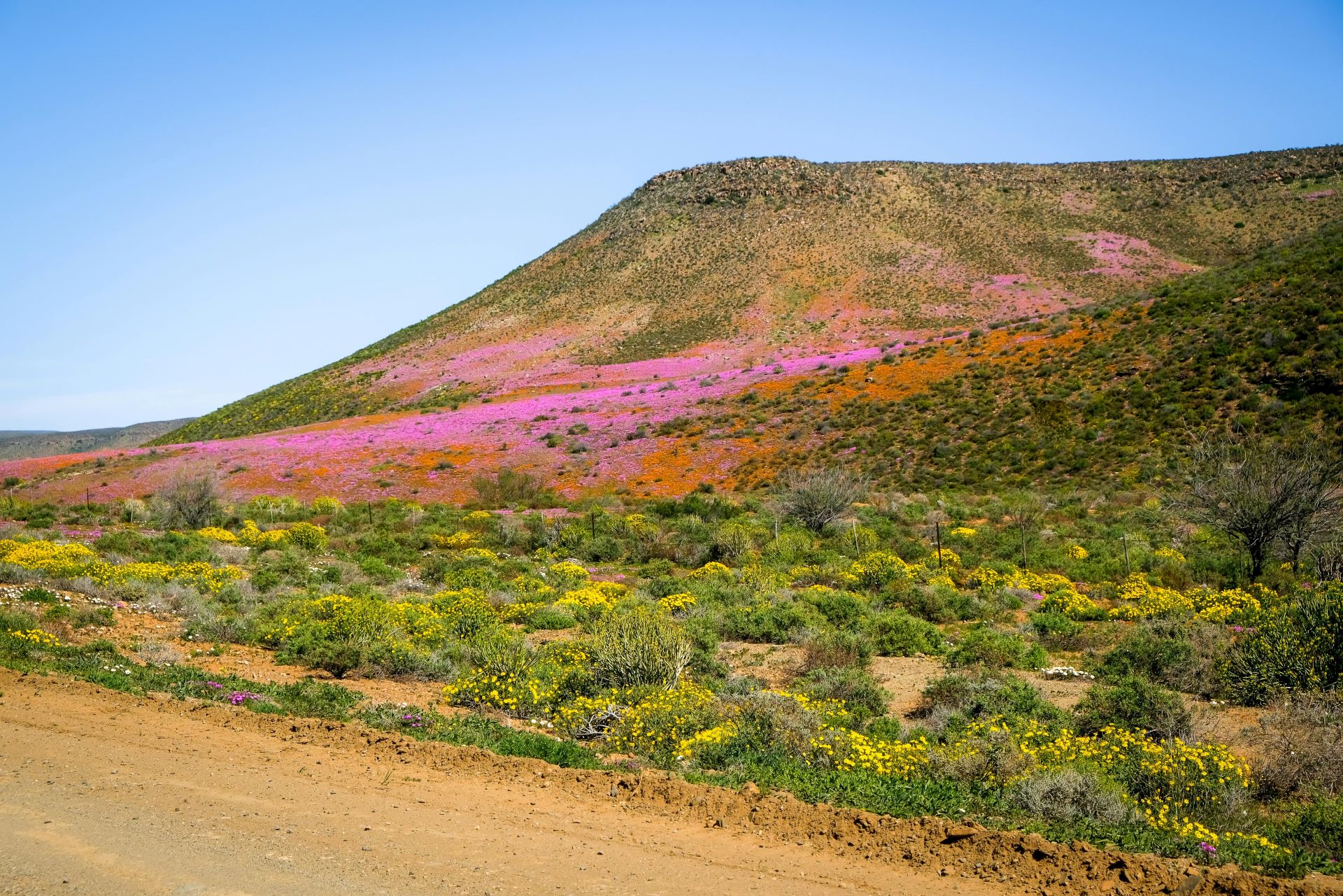
The Karoo has long been a draw for photographers seeking landscapes that blend starkness with subtlety. Each season presents a different palette: spring brings carpets of wildflowers in startling hues, while winter offers soft, silvered light across frost-touched plains. The interplay of shadows and contours creates endless opportunities for capturing the desert’s moods.
Many lodges now offer tailored photography packages. Guests are guided to vantage points timed for optimal light, instructed on techniques for astrophotography, or introduced to drone photography that showcases the region’s vastness. The desert is not simply observed—it is framed, captured, and interpreted, making each visit a personal visual chronicle.
Historical Insights: Echoes of the Past
Beyond its natural beauty, the Karoo is steeped in history. Fossil beds near Beaufort West reveal creatures from millions of years ago, while towns such as Graaff-Reinet and Prince Albert offer colonial-era architecture and museums that chronicle the region’s social evolution.
Historical walking tours provide visitors with a narrative that spans millennia—from the San peoples and early explorers to the Karoo’s role in South Africa’s agricultural development. Engaging with this history lends depth to the experience; the desert ceases to be simply a backdrop and becomes a character in an ongoing story, one that travellers are invited to witness and, in small ways, become part of.
Sustainability Initiatives: Tourism with Responsibility
Modern Karoo tourism is rooted in environmental stewardship. Eco-lodges prioritize renewable energy, water recycling, and minimal ecological footprints. Many engage in conservation efforts, supporting local flora and fauna, restoring indigenous vegetation, and monitoring wildlife populations.
Visitors are increasingly drawn to experiences that respect the land. Interactive programs—such as assisting in wildlife tracking, participating in reforestation projects, or attending workshops on sustainable farming—transform tourism into a reciprocal relationship. The Karoo demonstrates that luxury and sustainability need not be mutually exclusive; in fact, the former is enriched by the latter.
Practical Travel Tips: Navigating the Karoo
Travel in the Karoo requires preparation, as distances are vast and services sparse. The best time to visit varies depending on interests: stargazers may prefer winter months when skies are clearest, while botanical enthusiasts will gravitate toward spring’s blooming season.
Lodging choices range from intimate boutique properties to sprawling eco-lodges, often necessitating advance booking due to limited capacity. Self-drive routes offer flexibility, but guided tours can provide invaluable insight into remote areas and local culture. Essential preparations include stocking up on water, ensuring reliable navigation, and embracing the desert mindset: patience, curiosity, and attentiveness to the subtle beauty of the landscape.
The Future of Karoo Tourism
The Karoo’s rise as a premier destination signals a broader trend in South African tourism: travellers are increasingly seeking depth over breadth, experience over spectacle. The desert’s combination of isolation, stargazing potential, eco-luxury, and cultural immersion positions it uniquely in a competitive global landscape.
Operators are responding with innovations designed to enhance authenticity. From immersive starlight dinners to heritage-inspired wellness programs, the Karoo is transforming the desert journey into an art form. Its appeal lies not in extravagance but in an intimate connection to the land, sky, and community. Here, tourism is not merely about visiting; it is about becoming attuned to a rhythm that is slower, subtler, and infinitely rewarding.
Answering the Call
The Karoo calls to a new generation of travellers—those who prize authenticity, who seek silence as much as spectacle, and who view luxury not as excess but as a harmonious alignment with nature. South Africa’s deserts are no longer peripheral; they are central to the country’s tourism narrative.
As night falls and the Milky Way stretches across a sky untouched by artificial light, visitors understand why. In the Karoo, the universe feels close, the land feels alive, and the self feels unhurried. It is a place where time slows, perspectives expand, and the ordinary transforms into the extraordinary.
Desert tourism, long underestimated, is poised to become South Africa’s next great allure. The Karoo, in all its vastness, silence, and beauty, is ready to answer the call.
Lodges that Define the Karoo Experience
The Karoo is dotted with lodges that seamlessly blend luxury and remoteness. Take Gannaga Lodge, perched on the edge of the Knersvlakte region. Here, guests wake to the distant call of kori bustards and drift into the day beneath vast, cloudless skies. Accommodation is minimal yet elegant: rooms designed with natural stone and sustainably sourced timber, open terraces framing panoramic vistas, and private plunge pools that reflect the desert’s changing light.
Further north, Oudtshoorn’s Karoo Safari Lodge combines intimate wildlife experiences with eco-conscious comfort. Visitors can accompany guides on early-morning walks to spot bat-eared foxes or black-backed jackals. Dinners are served under stars so vivid that constellations seem almost to touch the horizon, accompanied by storytelling sessions that weave together astronomy, local myths, and personal encounters from decades of desert exploration.
Moltke Manor, in the heart of the Great Karoo, offers a more boutique experience. Each suite is infused with regional character: handcrafted furniture, woven rugs, and private verandas overlooking expanses where spring wildflowers bloom in technicolor patches. The lodge prioritizes low-impact luxury—solar heating, water recycling, and locally sourced cuisine ensure that indulgence is balanced with ecological mindfulness.
These lodges are more than overnight stops; they are destinations in themselves. Every design choice, every menu selection, every guided experience is crafted to deepen the traveller’s engagement with the land, sky, and culture.
Personal Journeys in the Desert
To understand the Karoo, one must embrace its pace. Consider the experience of international traveller Elena Fischer, who arrived seeking quiet, and found transformation. Days began with the soft orange glow of sunrise illuminating distant koppies. She explored fossil trails, discovering remnants of prehistoric creatures, and spent nights lying on lodge terraces, guided by local astronomers through the Milky Way.
“I expected beautiful landscapes,” she recalls, “but I did not expect the sense of scale—the way the desert makes you feel both small and infinite at the same time.” Fischer’s story is echoed by many travellers who find in the Karoo a rare combination: isolation that fosters introspection, adventure that ignites curiosity, and hospitality that nourishes the soul.
Family travellers, too, find the Karoo rewarding. Small-group safari drives introduce children to wildlife conservation in an accessible, engaging way, while safe, guided hikes allow them to explore without risk. The desert becomes a classroom and playground simultaneously, demonstrating that even the remotest landscapes can inspire education and wonder.
Seasonal Wonders: Timing Your Visit
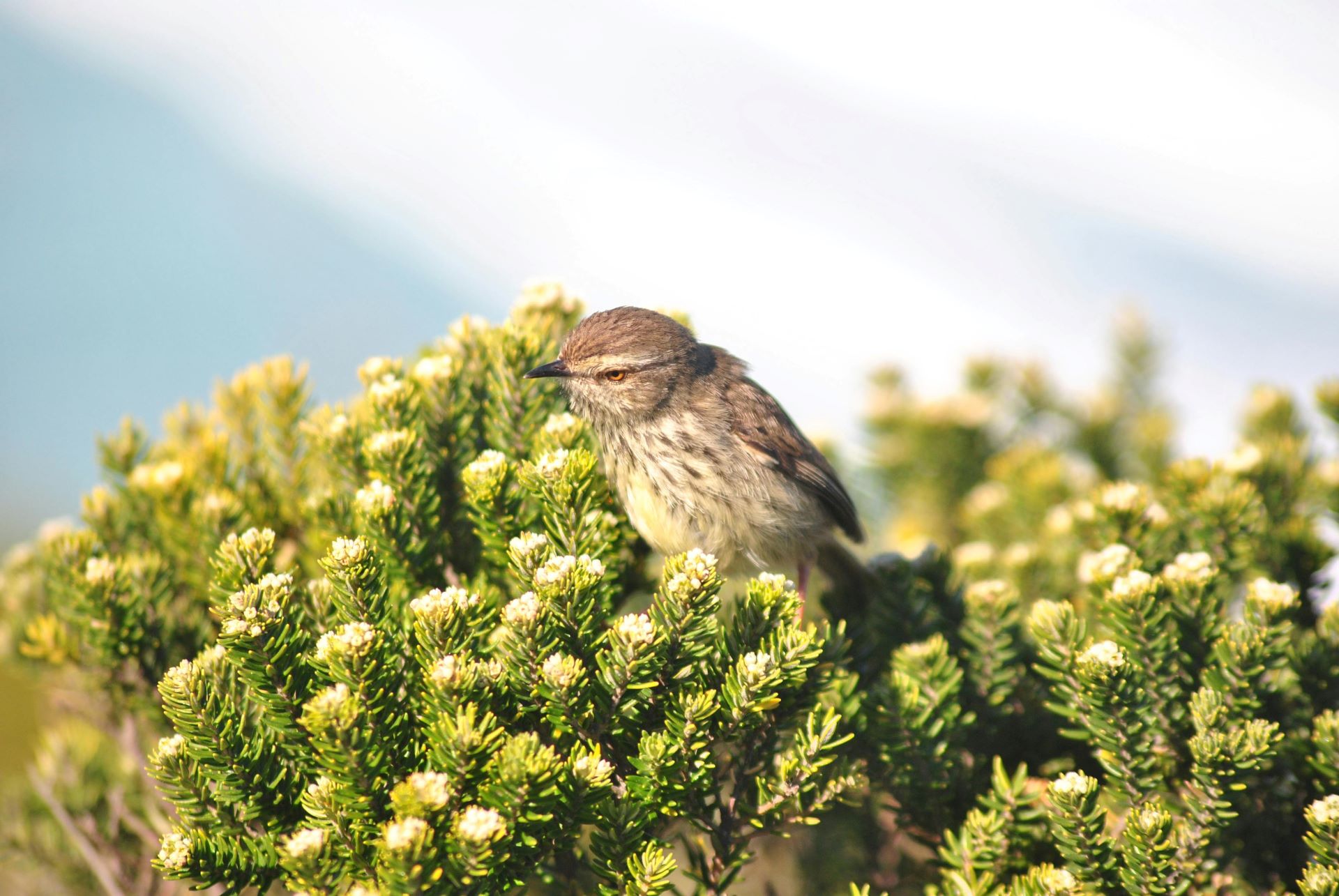
The Karoo transforms dramatically with the seasons, and timing one’s visit can shape the experience profoundly. Spring, from September to November, paints the plains with wildflowers—bright orange, violet, and yellow blooms creating natural carpets across otherwise muted landscapes. It is also the breeding season for many bird species, offering birdwatchers vivid spectacles against the open sky.
Summer is hot and dry, a time for early-morning explorations and evening stargazing sessions that follow the sun’s descent into a horizon painted with reds and golds. Autumn brings cooler temperatures and long shadows, ideal for photography, while winter’s clear, crisp air enhances visibility for astronomy, making it the preferred season for stargazing enthusiasts and astrophotographers alike.
Each season offers its own rhythm, and the Karoo’s hospitality industry has adapted. Lodges tailor menus, guided excursions, and wellness programs to the natural calendar, ensuring that visitors experience the desert at its most evocative.
Engaging with Conservation
Travellers increasingly seek purpose alongside pleasure, and the Karoo provides abundant opportunities. Many lodges partner with local conservation organisations, allowing guests to engage directly with initiatives that protect the region’s fragile ecosystems.
At Nuweveld Eco-Lodge, visitors can join rangers in nocturnal tracking exercises, following the paths of elusive nocturnal animals using infrared cameras and GPS. Guests assist in cataloguing wildlife, contributing to ongoing research while deepening their own understanding of desert ecology. Other properties offer workshops on sustainable farming techniques, including indigenous plant cultivation and low-water irrigation methods, allowing guests to leave with actionable knowledge rather than passive impressions.
Conservation in the Karoo is not a backdrop—it is a lived experience. Tourists participate, observe, and reflect, forging a connection that extends beyond the holiday itself.
Adventure with Subtle Thrills
While tranquility dominates, adventure is never far away. Hikers can navigate the Swartberg Mountains, tracing paths along ridges that offer breathtaking views of the Karoo below. Cyclists and 4x4 enthusiasts explore rugged backroads, crossing dry riverbeds and encountering desert wildlife.
For those seeking unique thrills, guided horse-riding tours offer an intimate way to traverse terrain inaccessible by vehicle, while photography safaris provide both action and reflection, as travellers learn to frame the land, light, and life around them. Each adventure emphasizes respect for the environment, ensuring that exploration does not come at the expense of preservation.
The Future Horizon: Why the Karoo Matters
The growing appeal of Karoo tourism reflects more than a trend; it signals a shift in travel philosophy. The modern traveller values depth, authenticity, and sustainability over ostentation. The Karoo, with its boundless skies, profound silence, and sensitive approach to hospitality, embodies these values perfectly.
As eco-lodges expand, conservation initiatives multiply, and cultural experiences flourish, the Karoo is positioning itself as a model for responsible, transformative tourism. It demonstrates that luxury need not be excessive, that adventure can coexist with quietude, and that isolation can become a conduit for connection.
A Call Worth Answering
The Karoo calls, and travellers are answering. Here, under a Milky Way unspoiled by city lights, in lodges that honour both comfort and the environment, and across plains that hold the secrets of both the earth and human history, a new vision of South African tourism unfolds.
Desert travel is no longer the province of the intrepid few; it is emerging as a sought-after pursuit for those who value introspection, connection, and understated luxury. The Karoo offers something increasingly rare: a space to slow down, to breathe, and to reorient one’s perspective in the vast theatre of sky and sand.
In a world that moves too fast, the Karoo reminds visitors that stillness is precious, silence is profound, and the desert, in all its austere beauty, is a frontier not just of landscape but of the spirit. South Africa’s deserts are poised to become not only a must-visit destination but a benchmark for transformative travel experiences worldwide.
Mandla Ndlovu
Reporting from the frontlines of the South African tourism renaissance. Bridging the gap between regional stories and global audiences through elite narrative strategy.