

Where the Atlantic’s foaming waves meet the ancient sandstone cliffs, and the Indian Ocean’s warm tides lap against rocky shores, South Africa’s coastline unfurls as a playground for the adventurous soul. From the west coast’s kaleidoscopic tide pools to the eastern shores’ dramatic sea caves and the haunting remnants of shipwrecks strewn along hidden coves, this land invites coastal explorers to immerse themselves in a tapestry of natural wonders and maritime history. Whether you’re a seasoned traveller seeking solitude far from bustling beaches or a family eager to ignite young minds with hands-on encounters with marine life, South Africa’s shorelines promise an unparalleled sensory feast: a mélange of colours, textures, and stories etched into rock and sand over millennia.
In this article, we journey beyond the well-trodden boardwalks, delving into tidal pools teeming with starfish and anemones, shipwrecks that echo tales of intrepid seafarers and maritime calamities, and sea caves that beckon with shadowy passages and crystalline chambers. Each section unfolds like a chapter in a coastal odyssey: from the Namaqualand rocky shores to KwaZulu-Natal’s subtropical cliffs, we chart an immersive route for the explorer in you, blending practical travel advice, local insights, and an undercurrent of conservation consciousness. Prepare to don your sturdy sandals, grasp your underwater mask, and set forth on a coastal explorer’s dream.
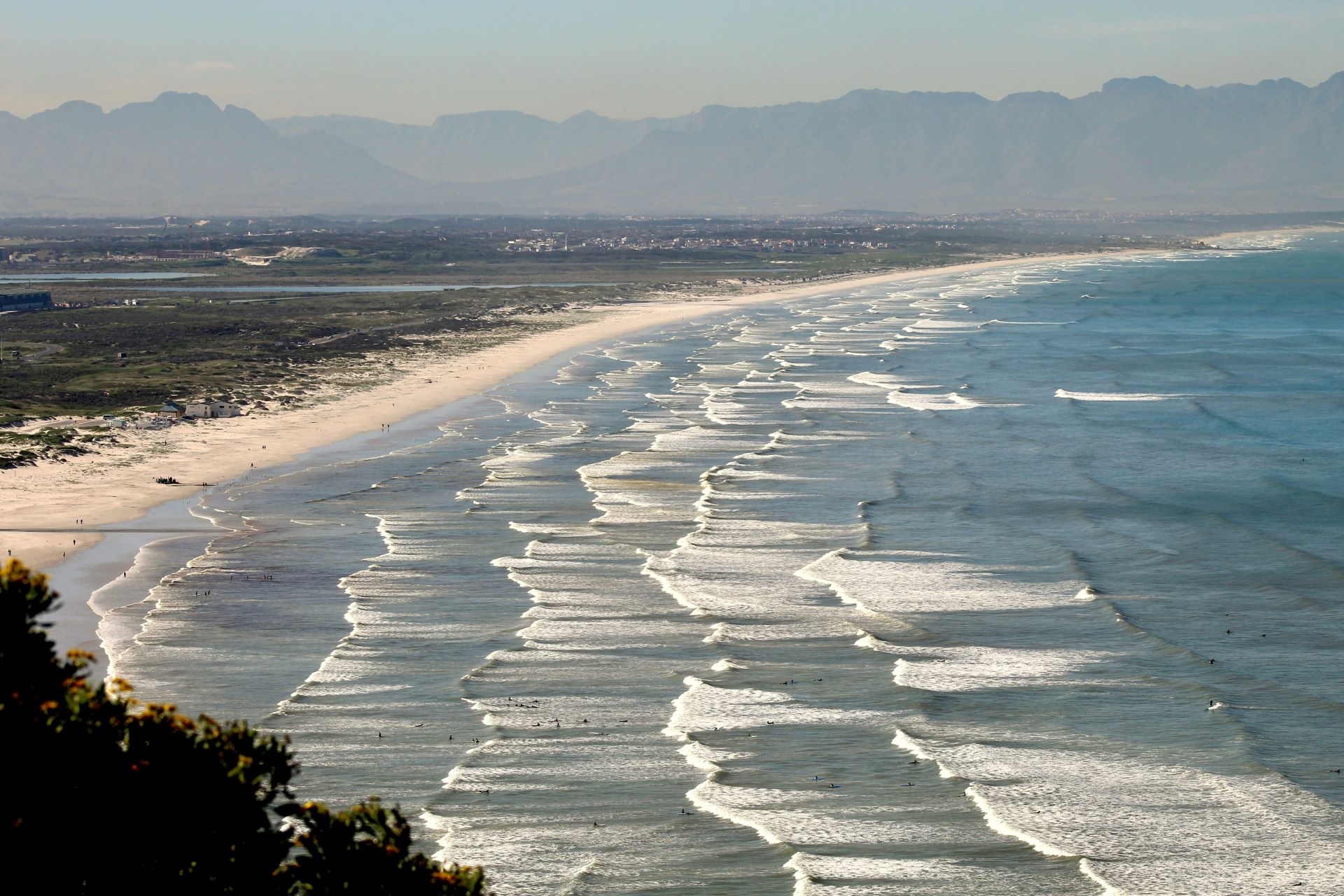
Rediscovering Nature’s Microcosms: Tide Pool Treasures
Along South Africa’s rocky intertidal zones, tide pools behave as miniature aquariums, revealing a hidden realm of marine biodiversity each time the ocean retreats. In places like the Cape Peninsula’s Atlantic seaboard and the West Coast’s Namaqualand, these shallow basins brim with life: iridescent nudibranchs crawling over kelp fronds, camouflaged limpets clinging to barnacle-encrusted rocks, and the sinuous movements of brittle stars as they seek refuge under submerged ledges. The spectacle is ever-changing; with each tidal cycle, new pools form and vanish, forming a living mosaic that invites patient observation and quiet wonder.
Prime Tide Pool Destinations
The Cape Peninsula’s rocky coves—particularly around Buffels Bay and Millers Point—are among the most accessible; here, sheltered reefs and moderate tidal ranges reveal multitudes of creatures during low spring tides. Farther north, Lambert’s Bay in the West Coast National Park offers expansive rocky outcrops where larger pools teem with velvet swimming crabs and the occasional shy octopus slipping between crevices. On the KwaZulu-Natal coast, Richards Bay’s rocky points provide subtropical variants, with colourful sea anemones and vibrant sea slugs contrasting against turquoise waters.
Ethical Tide Pool Exploration
Tide pooling, while thrilling, demands a respectful approach. Never pry organisms from their holds; instead, observe them in situ, returning the pool’s natural composition before advancing. Avoid trampling delicate seaweed beds, and tread only on bare rock. For families, gentle introduction to these principles transforms an outing into a lesson in marine stewardship—teaching that each small creature plays a vital role in the broader oceanic ecosystem.
Echoes of the Deep: Shipwrecks and Maritime Mysteries
South Africa’s coastline, once both highway and graveyard for seafaring vessels, bears the skeletal remains of ships ensnared by storms, reefs, or misfortune. Each wreck site narrates a chapter in maritime history: from Portuguese caravels charting the Cape of Storms in the 16th century to steamships helmed by colonial traders in the 19th and 20th centuries. For the coastal explorer, these submerged time capsules offer an intoxicating blend of archaeology, legend, and underwater adventure.
Underwater Wreck Diving
The western Cape’s Atlantic cold waters preserve wrecks in remarkably intact condition, with South African National Parks and local dive operators mapping sites like the SS Kakapo (sank in 1900 near Doringbaai) and the MV Oliva (grounded near Gansbaai in 2011). Technical divers equipped with mixed-gas certification explore hulking steel hulls draped in kelp and encrusted with filter feeders. Beneath the rusting beams, schools of copper rockfish swirl, and shy shy sharks patrol the shadows. On the east coast, warmer currents make diving more approachable for novices; beginner-friendly wrecks such as the SS Umgeni, off Durban, sit in shallower waters, inviting snorkelers and open-water divers alike to glimpse decks overtaken by corals and sponges.
Shore-Based Shipwreck Exploration
Not all wrecks require submersion. Along the Western Cape’s beach coves, seasonal storms shift sands to reveal fragments of wooden hulls and iron fittings—remnants of vessels like the 19th-century Wilhelm Tell, marooned near Kaap die Goede Hoop. Strolling along remote shorelines, explorers often stumble upon twisted anchors and baleen whale bones, testaments to eras when both ships and whales defined the maritime economy. Always check tide charts and local regulations: many wrecks lie within protected zones, and artefact removal is illegal.
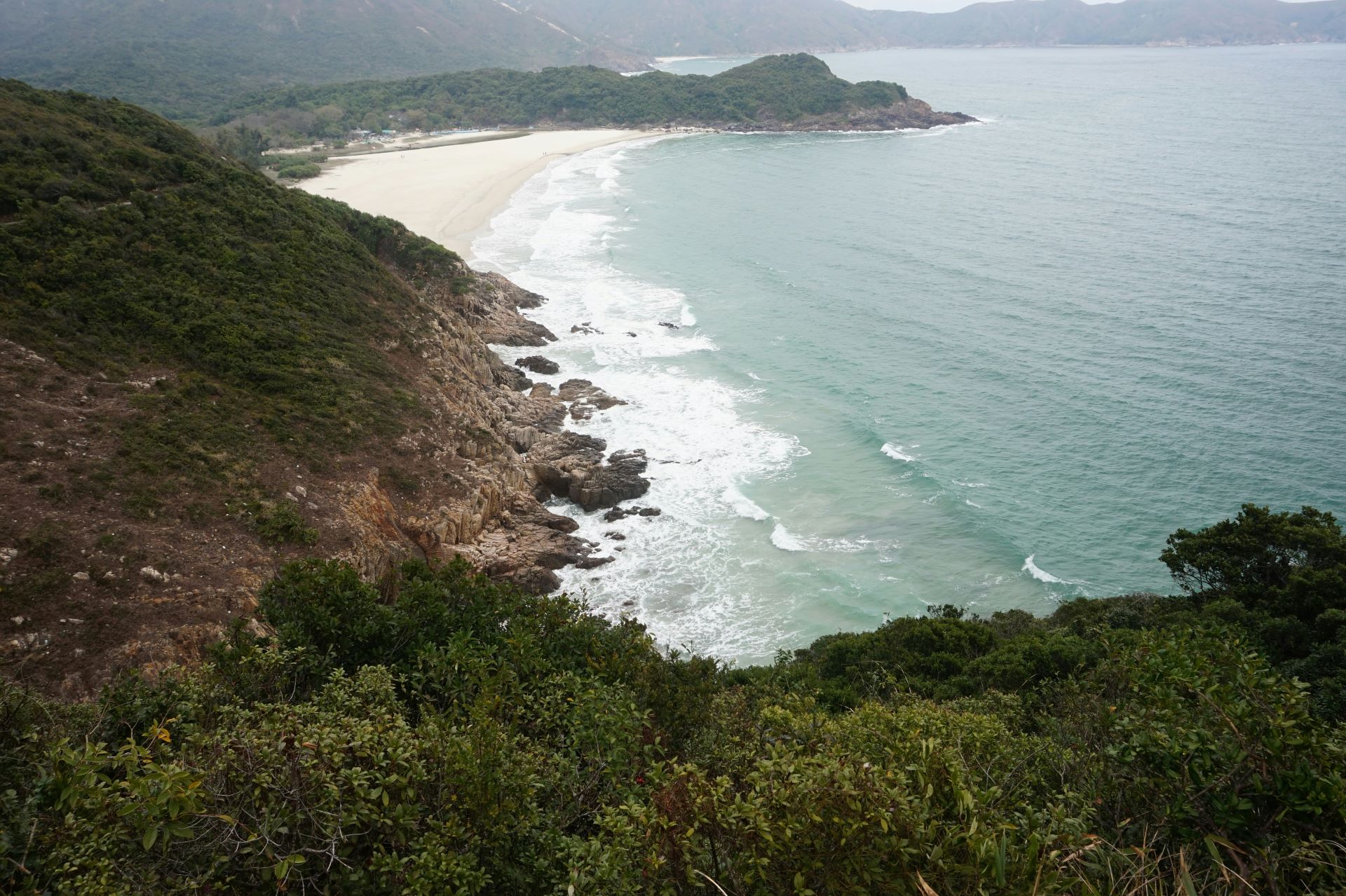
Into the Grotto: South Africa’s Sea Caves
Carved over eons by relentless wave action, sea caves punctuate the coast with hidden cathedrals of sandstone and granite. From the thunderous roar of the Indian Ocean battering Maputaland’s cliffs to the moody silence of fossil-bearing caverns along the Garden Route, each cave offers unique geological and sensory experiences.
The Caves of Maputaland
Northern KwaZulu-Natal’s shoreline conceals the Umlalazi Nature Reserve’s limestone grottoes. Accessible only by guided boat safari or a strenuous beach trek, these caves reveal delicate stalactites and calm lagoons where freshwater springs meet the tide. The interplay of light filtering through narrow inlets illuminates centuries of mineral deposition, while the resident vervet monkeys glance curiously from above.
Garden Route’s Coastal Cathedrals
Southwest of Cape Town, the Garden Route’s Knysna Heads conceal smaller, visitor-friendly caves. At sunset, guided kayak tours drift silently into narrow inlets, where the rhythmic pulse of the tide echoes off smooth walls. Nearby, the Droëmond Nature Walk leads to a small cave system adorned with ancient San rock art—human impressions that connect modern explorers to the earliest coastal inhabitants.
Charting Your Coastal Odyssey: Routes and Itineraries
Crafting a seamless coastal journey involves balancing remote wilds with convenient amenities. Below is an illustrative itinerary weaving tide pools, shipwrecks, and sea caves into a week-long explorer’s dream. Note that distances along South Africa’s coast can be deceptive; winding cliff roads and frequent stops for photo-worthy vistas extend travel times.
Best Times to Explore and Practical Tips
South Africa’s coastal climates vary dramatically: the west coast’s Mediterranean pattern sees dry summers (December–February) and wet winters (June–August), while the east coast enjoys subtropical rainfall peaks in spring and autumn. For tide pool clarity and safety:
Beyond the Adventure: Local Culture and Coastal Cuisine
No coastal expedition is complete without savouring the region’s gastronomic offerings. Along the West Coast, wild-harvested mussels and abalone (where sustainably licensed), served in creamy garlic butter, echo ancestral subsistence at sea. The Garden Route’s seafood markets brim with calamari and Cape smelts, ideal for crisp boatside snacks. In KwaZulu-Natal, Durban’s iconic bunny chow—spiced curry served in a hollowed bread loaf—satisfies the post-exploration appetite with its blend of Indian and Zulu culinary traditions.
Engage local artisans by visiting beachside markets in Hermanus or St. Lucia, where baskets woven from palm fronds and handcrafted surfboards reflect the region’s symbiosis between people and sea. Storytelling evenings, hosted by community guides, recount legends of shipwrecked sailors, mermaids glimpsed in moonlit coves, and the folklore of the Xhosa and Zulu communities who first navigated these shores.
Stewardship and Conservation: Protecting Fragile Coastal Ecosystems
As explorers, our footprints—literal and metaphorical—shape the future of these environments. South Africa’s coastal biodiversity faces threats from pollution, overfishing, and unsustainable tourism. By aligning our travels with conservation principles—participating in beach clean-ups, supporting marine protected areas, and choosing tour operators with eco-certifications—we ensure that future generations inherit the same wonder we experience today.
Several organisations, from local NGO Marine Dynamics to the national South African National Biodiversity Institute, welcome volunteer contributions and financial support. Simple acts—refilling water bottles instead of buying single-use plastic, adhering to “take only photographs, leave only footprints” ethos, and spreading awareness through social media—amplify collective efforts to safeguard tide pools, preserve shipwreck sites, and maintain the structural integrity of sea caves.
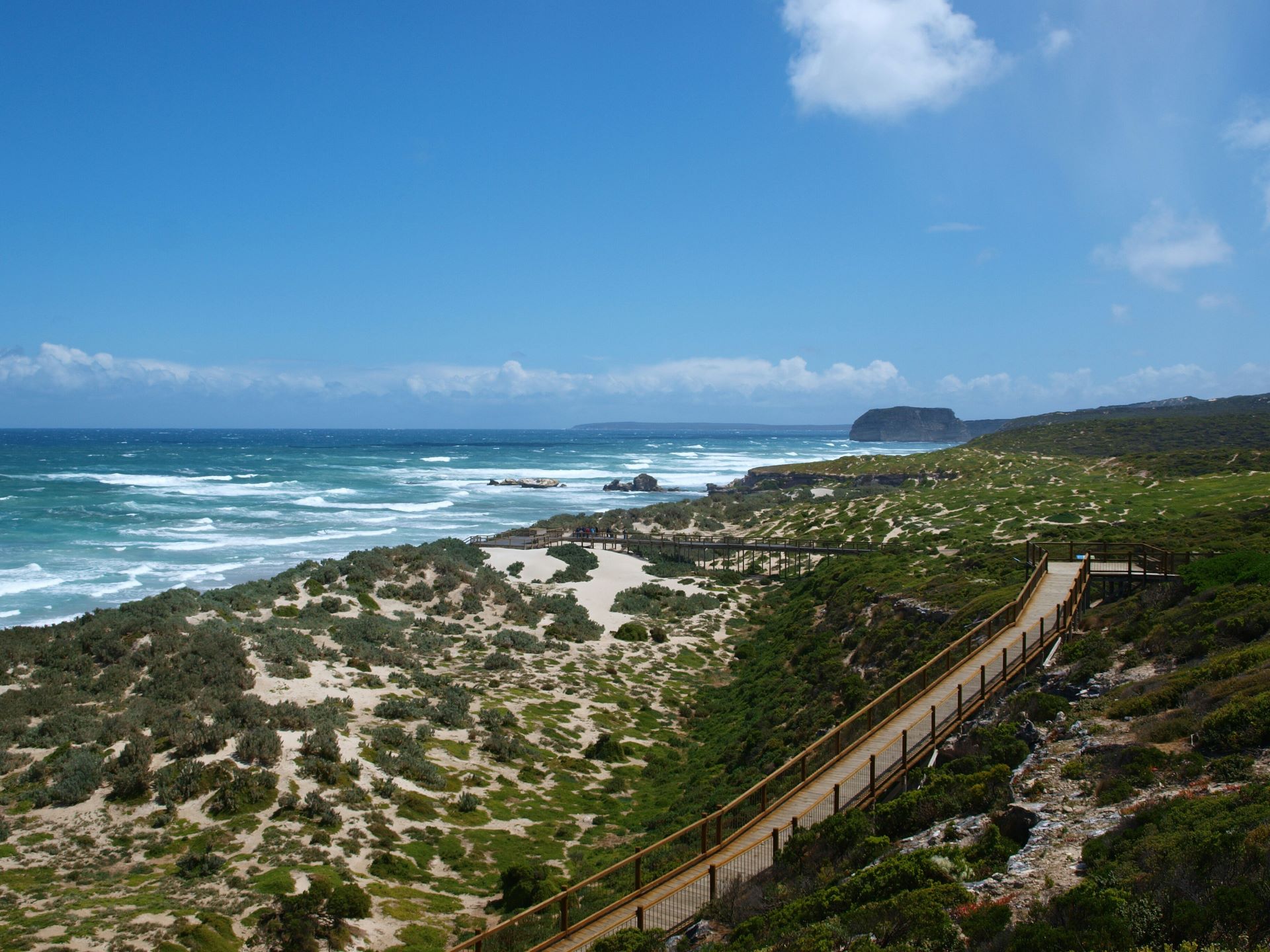
Embarking on Your Coastal Dream
Tide pools, shipwrecks, and sea caves form an indelible triad of experiences that define South Africa’s coastal allure. They beckon with scientific intrigue, historical resonance, and unfiltered beauty—each shore revealing secrets only to those who venture beyond the postcard-perfect beaches. Whether you’re mapping the intricate dance of intertidal creatures, tracing the rusting remains of vessels lost to tempests, or stepping into cavernous chambers carved by ancient waves, the coastal explorer’s dream awaits.
With respect for nature’s rhythms, deference to local traditions, and an earnest commitment to conservation, every journey becomes more than an adventure—it evolves into a shared stewardship of precious marine heritage. So chart your course, embrace the tide’s ebb and flow, and let South Africa’s storied coastline unveil its treasures, one hidden pool and hollowed rock at a time.
Herman
Reporting from the frontlines of the South African tourism renaissance. Bridging the gap between regional stories and global audiences through elite narrative strategy.