

A Nation Seasoned by Diversity
To understand South Africa is to taste it.
More than just a destination at the southernmost tip of the African continent, South Africa is a vibrant mosaic of cultures, languages, and landscapes—each offering its own unique flavour to the national table. With eleven official languages and a rich tapestry of indigenous, colonial, and migrant influences, the country’s culinary landscape is as diverse as its people. From the simmering pots of Cape Malay curry in the Western Cape to the fiery chakalaka of Gauteng’s townships, every bite is a passport to a story, a history, and a people.
This is not just a food tour. This is a journey into the heart of South Africa—one region, one plate, one story at a time.
Western Cape: Where the Spice Routes Ended and Began Again
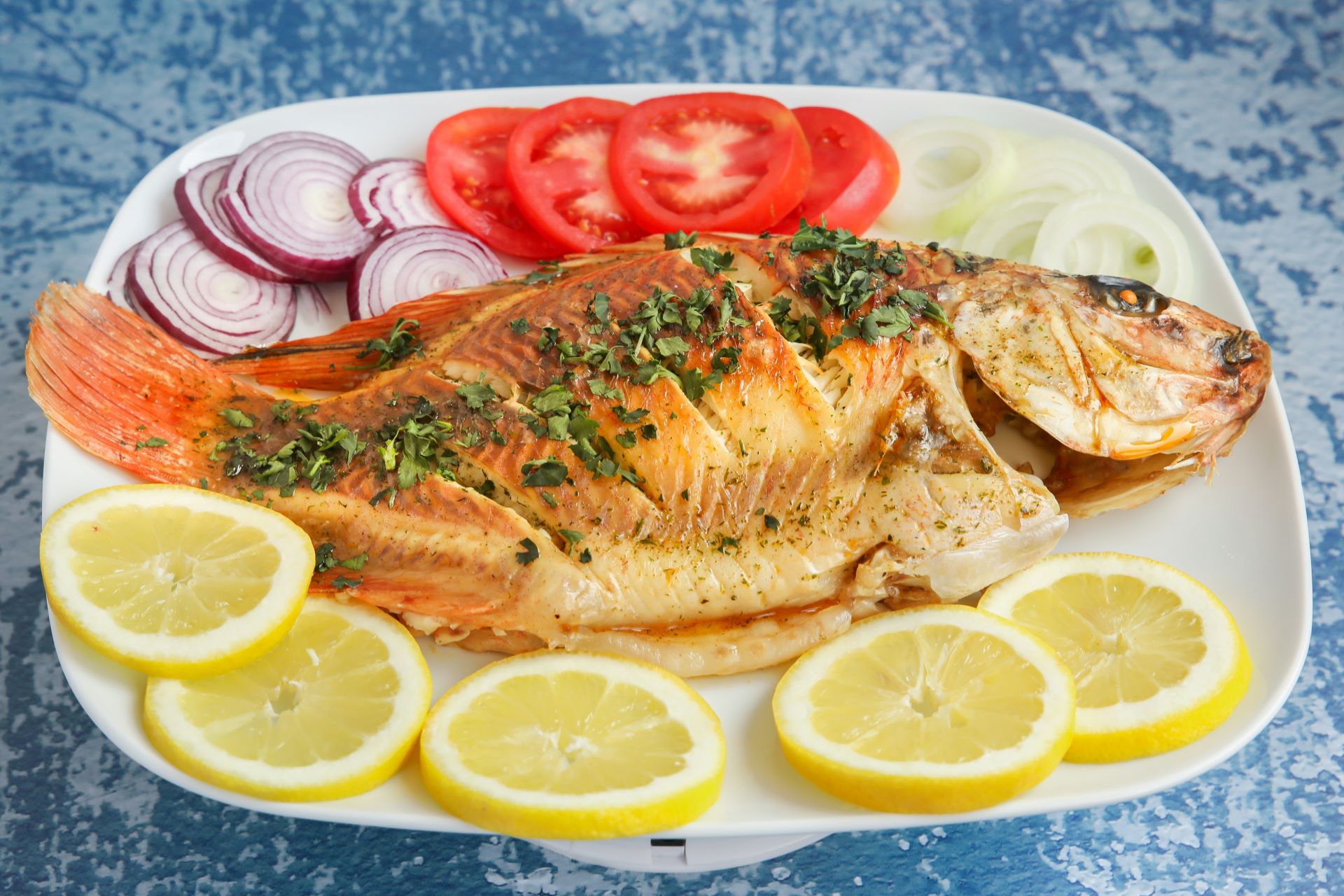
In Cape Town, the scent of cardamom, cinnamon, and cloves wafts through the air like the whispers of old trade winds. Here, the culinary traditions of the Cape Malay people—descendants of enslaved people and political exiles brought from Indonesia, India, and Madagascar—have blended with local and European influences to form a cuisine that is uniquely South African.
Must-Try Dish: Cape Malay Curry
Aromatic rather than hot, this slow-cooked stew often features chicken or lamb simmered with potatoes, apricots, and a heady mix of spices. Served with yellow rice and sambals, it’s a dish of history and harmony.
Food Experience: The Bo-Kaap Cooking Tour
Wander through the colourful streets of the Bo-Kaap, learning to fold samosas and blend your own masala in kitchens that have seen generations of culinary wisdom passed down like family heirlooms.
Beyond the city, the Cape Winelands stretch like a canvas painted with vines. Stellenbosch, Franschhoek, and Paarl are not just places—they are terroirs, each producing wines that are deeply reflective of their environments. Pairings here are a religion, where farm-to-table cuisine meets global sophistication.
Eastern Cape: Humble Heritage, Bold Flavour
The Eastern Cape, cradle of the amaXhosa people and birthplace of giants like Nelson Mandela, has a culinary story rooted in simplicity, resourcefulness, and community.
Must-Try Dish: Umngqusho
A hearty, nourishing dish of samp and beans, often enriched with beef bones or served alongside stewed vegetables. Mandela himself once called it his favourite meal.
Food Experience: Village Feasts in Qunu
Participate in a communal feast where food is prepared in three-legged cast iron pots over open flames. Taste imifino (wild spinach), umleqwa (free-range chicken), and traditional fermented sorghum beer.
The Eastern Cape is also known for its wild coast seafood—think peri-peri grilled crayfish caught by local fishers, and mussels harvested fresh from the rockpools of Coffee Bay.
KwaZulu-Natal: Spice and Subtropical Heat
KwaZulu-Natal’s cuisine is a rich intersection of Zulu traditions and Indian influence, thanks to the large population of South Africans of Indian descent whose ancestors arrived as indentured labourers in the 19th century.
Must-Try Dish: Bunny Chow
A hollowed-out loaf of white bread filled with a blazing-hot Durban curry—lamb, chicken or bean. Street food turned cultural icon, best eaten with your hands.
Food Experience: Victoria Street Market
This bustling market in Durban is an olfactory adventure. Shop for garam masala, turmeric, and biryani spice blends while sampling sweetmeats, samoosas, and pickled mango.
But don’t overlook traditional Zulu fare. Amadumbe (African yam), roasted maize, and isigwaqane (a type of dumpling) form the backbone of family meals served in the rural hills of Zululand.
Gauteng: Township Soul and Cosmopolitan Plates
Gauteng may be South Africa’s smallest province, but it packs a culinary punch. Johannesburg and Pretoria are where tradition meets trend—where fine dining restaurants share pavements with shisa nyama (barbecue) joints and bustling food trucks.
Must-Try Dish: Kota
Often dubbed the "South African gatsby", a kota is a hollowed-out quarter loaf stuffed with everything from polony and slap chips (vinegar-doused fries) to egg and atchar. It’s indulgent, messy, and deeply satisfying.
Food Experience: Soweto Food Tour
Explore Vilakazi Street with a local guide, stopping at corner stores for amagwinya (vetkoek) and fat cakes, and ending at a shisa nyama spot where you select your meat and grill it to taste. Paired with local beer and live music, this is more than a meal—it’s a cultural communion.
In the city centres, you’ll find modern interpretations of African ingredients—quinoa paired with boerewors, or bobotie deconstructed into tapas-style bites.
Limpopo: Ancient Recipes, Untamed Palates
Limpopo, home to the Venda, Tsonga, and Northern Sotho peoples, offers a culinary tradition shaped by ancient customs and abundant natural ingredients. Here, food is deeply connected to the land, seasonality, and spiritual rites.
Must-Try Dish: Mopane Worms (Mashonzha)
Often dried and then rehydrated in tomato and chilli sauce, mopane worms are a protein-rich delicacy eaten by many rural families. An acquired taste, yes—but one well worth acquiring.
Food Experience: Sekhukhune Culinary Circuits
Explore rural homesteads and eco-lodges that serve indigenous dishes like ting ya mabele (fermented sorghum porridge), morogo (wild greens), and chicken feet stew. The storytelling that accompanies each dish is as nourishing as the food itself.
In recent years, Limpopo’s organic farming movement has begun spotlighting indigenous ingredients for a wider audience, bringing traditional superfoods into modern focus.
Mpumalanga: Farm-to-Table in Panorama Paradise
Mpumalanga is best known for its scenic beauty—Blyde River Canyon, waterfalls, and the Kruger National Park. But its fertile soils yield avocados, macadamia nuts, bananas, and citrus that form the backbone of its regional cuisine.
Must-Try Dish: Pap and Wors with Tomato and Onion Relish
Simple yet sublime, this classic South African braai dish showcases maize meal porridge with juicy boerewors (farm-style sausage) and a sweet-spicy relish.
Food Experience: Agri-Tourism in White River
Tour avocado and macadamia farms, learn about sustainable practices, and enjoy al fresco meals under jacaranda trees, complete with local wines and pan-African tapas.
The region also has a growing slow food movement, with artisanal bakers, cheesemakers, and small-batch producers celebrating the value of patience and provenance.
North West: Indigenous Ingredients and Heritage Resilience
Often overlooked by foodies chasing big city lights, the North West province holds quiet culinary treasures. Its Setswana-speaking population has long cooked with indigenous grains, legumes, and game meats.
Must-Try Dish: Seswaa
A traditional meat dish made by slowly simmering beef or goat until tender enough to be shredded by hand, usually served with pap or a soft porridge.
Food Experience: Rustenburg’s Traditional Kitchens
Visit community kitchens where you can try serobe (offal), magwinya, and marula fruit beer, especially during the marula harvest season in late summer.
The province is also home to numerous food-focused festivals that celebrate indigenous culture, including dishes passed down through oral tradition alone.
Free State: Fields, Grains, and Homestead Comfort
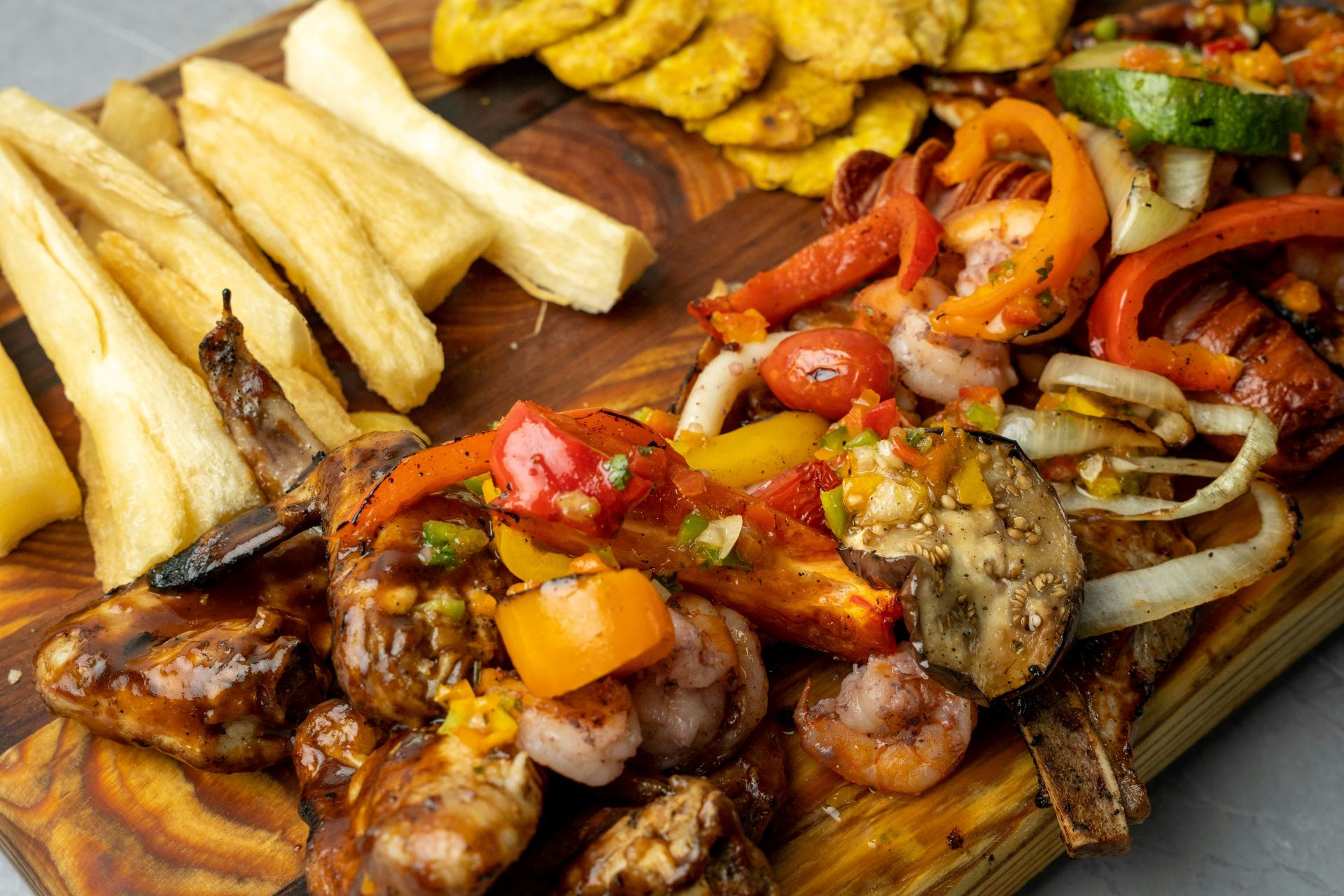
The Free State’s culinary identity is shaped by its agricultural heartland. Vast wheat fields, maize plantations, and sheep farms fuel a cuisine rooted in comfort and abundance.
Must-Try Dish: Vetkoek and Mince
Golden pillows of deep-fried dough filled with savoury mince or cheese, often eaten warm with a cup of rooibos tea.
Food Experience: Farm Stay Feasts
Stay at a working farm and enjoy a traditional boerekos meal—lamb stew, creamed spinach, pumpkin fritters, and malva pudding—served in a family dining room that feels like home.
The Afrikaans influence here is strong, but so too is the presence of Sotho culture, reflected in fermented porridges and stewed beans that grace the tables of many homesteads.
Northern Cape: The Desert’s Secret Bounty
Sparse and stark, the Northern Cape is home to the Nama and Khoisan peoples, whose foodways are deeply intertwined with the land’s arid nature. Bush tucker, foraged edibles, and smoked meats dominate the plate.
Must-Try Dish: Karoo Lamb
Considered some of the best lamb in the world, Karoo lamb owes its flavour to the region’s unique shrubland diet. Roasted with rosemary and garlic, it’s a celebration of terroir.
Food Experience: Foraging with the San
Join indigenous guides to forage for veldkos—plants like num-num berries, sour figs, and spekboom. End the day around a fire, sharing roasted meats and ancient stories under a canopy of stars.
The culinary philosophy here is minimalism born of necessity—where nothing is wasted and everything has a role, a rhythm, a reason.
The Modern Table: Fusion, Innovation, and Identity
South Africa’s food scene today is a dynamic fusion of past and present. Chefs are increasingly looking inward—rediscovering indigenous grains, reviving fermentation techniques, and giving new life to grandmother’s recipes. Food trucks serve gourmet kota, fine dining menus feature foraged fynbos, and townships are incubating culinary stars.
Global South African chefs like Mmabatho Molefe, Wandile Mabaso, and Siba Mtongana are rewriting narratives, while farmers' markets and pop-ups redefine accessibility and authenticity.
One Nation, Many Tables
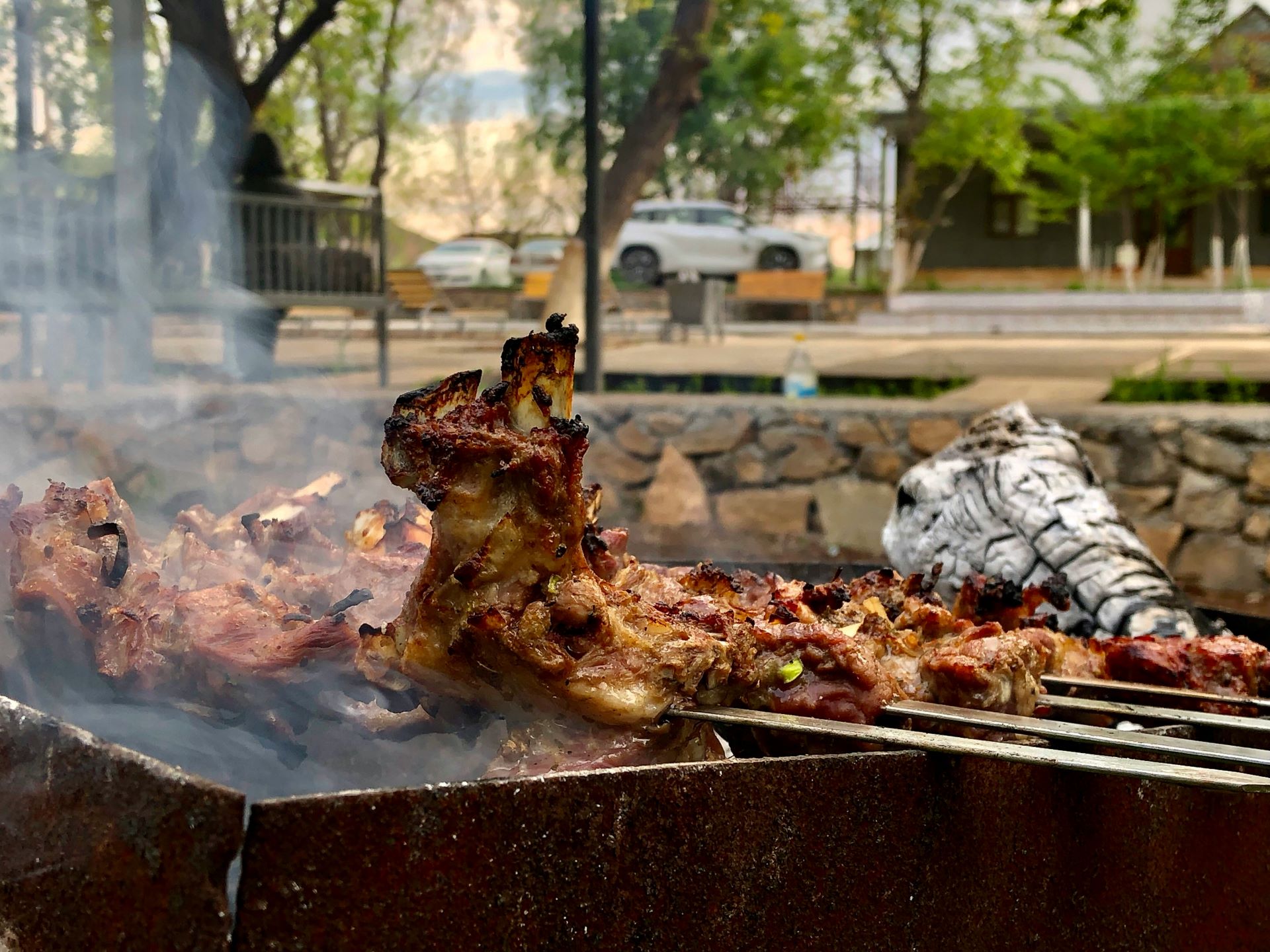
To taste South Africa is to experience its complexity—its layered histories, its painful past, and its vibrant, hopeful future. Each region offers a chapter in the nation’s edible biography, told in spices, stews, grains, and gatherings.
This is not a country you merely travel through. This is a country you eat your way across, one unforgettable mouthful at a time.
So come hungry. Leave transformed.
Elisha Roodt
Reporting from the frontlines of the South African tourism renaissance. Bridging the gap between regional stories and global audiences through elite narrative strategy.