

Where the Road Ends, the Adventure Begins
There are few places in the world that combine unspoilt coastline, world-class surf, ancient cultures and wildlife encounters quite like South Africa’s Wild Coast. Stretching roughly 300 kilometres between East London and Port Edward, this mystical slice of the Eastern Cape is a study in contrasts: lush hills meet crashing waves; rondavel huts dot cliff tops; and dirt tracks lead to some of the most soul-stirring views on the African continent.
Often overlooked in favour of the more manicured Garden Route or the Big Five-rich reserves of Kruger, the Wild Coast isn’t about curated convenience. It’s raw, it’s wild, and that’s exactly what makes it so compelling. Over the course of one week, travellers can dip into warm Indian Ocean waters, hike along rugged cliffs, visit Xhosa villages and spot elephants under African skies — all without the crowds.
Here’s how to experience the best of the Wild Coast in seven unforgettable days.
East London – The Gateway to the Wild
Morning: Arrival and OrientationYour journey begins in East London, the last real city before the wilderness. With its charming colonial architecture and surprisingly beautiful beaches, East London is more than just a springboard — it’s worth a short stay.
Fuel up with breakfast at The Reef Café on Nahoon Beach. Surfers will already be carving through the morning swell, and if you’re inclined, hire a board and join them.
Afternoon: Cultural ContextVisit the East London Museum, home to the coelacanth — the prehistoric fish thought to be extinct until it was caught off these shores in 1938. It’s a fitting metaphor for the Wild Coast itself: full of ancient, half-hidden wonders waiting to be rediscovered.
Evening: Prepare for DepartureStock up on essentials, especially cash, as ATMs grow sparse the deeper you go. For dinner, enjoy seafood at Grazia Fine Food & Wine, with a sea-facing terrace that sets the tone for the days ahead.
East London to Chintsa – Coastal Calm
Distance: 45 km | Driving time: ± 1 hourYour first taste of the Wild Coast proper is the sleepy beach town of Chintsa, where the tarmac ends and the untamed begins.
Morning: Into the HillsThe short drive leads through undulating hills and scattered villages. Chintsa is split by a river into East and West; both are gorgeous, but Chintsa East has more to offer the traveller.
Afternoon: Beach or Bush? Why Not Both?Settle in at Buccaneers Lodge & Backpackers, a laid-back institution perched on a hill overlooking the bay. Spend the afternoon lounging on the expansive beach, walking the dunes, or kayaking up the Chintsa River.
For something wilder, book a game drive at Inkwenkwezi Private Game Reserve. It's one of the few places in the region where you can see lions, giraffe, and rhino — all within a short drive of the surf.
Evening: Sundowners and StoriesBack at Buccaneers, mingle with fellow travellers around the bonfire. As the sun melts into the sea, the sounds of laughter, waves and distant drums blur into a lullaby.
Chintsa to Morgan Bay via Haga Haga
Distance: ± 90 km | Driving time: ± 2.5 hoursDay three is all about the joy of slow travel. Expect corrugated roads, river crossings, and moments of pure awe.
Morning: Stop in Haga HagaLeave early and detour to Haga Haga, a tiny coastal hamlet where the rhythm of life slows to a crawl. The tidal pools here are ideal for snorkelling, especially at low tide.
Afternoon: The Cliffs of Morgan BayArrive in Morgan Bay by late afternoon. Check in at The Morgan Bay Hotel, a family-run gem with balconies that overlook the Indian Ocean. The pièce de résistance here is the dramatic cliff walk — a 4km trail that hugs the sea, offering vertigo-inducing views of the surf crashing below.
Evening: Cliff-Top DiningDine at the hotel’s deck restaurant or try The Deck, a local favourite. Fresh fish, crisp Sauvignon Blanc, and a warm breeze — this is South African coastal living at its best.
Morgan Bay to Coffee Bay – Heart of the Wild
Distance: ± 220 km | Driving time: ± 6 hoursToday’s drive is long and, at times, treacherous — but it's also the most rewarding leg of the trip. The landscapes become more dramatic, the roads rougher, and the sense of adventure palpable.
Morning: Into the TranskeiCross the Kei River by pontoon — one of the last remaining car ferries in South Africa. From here, you’re in the former Transkei, Nelson Mandela’s homeland and a region that time forgot.
Pass herders on horseback, rondavels perched on hillsides, and barefoot children waving from the roadside. Expect potholes and gravel, so take it slow and enjoy the journey.
Afternoon: Arrival in Coffee BayNestled between steep green hills and golden beaches, Coffee Bay is the spiritual soul of the Wild Coast. The air smells of salt and woodsmoke, and the horizon stretches forever.
Stay at Ocean View Hotel or the more rustic Coffee Shack, both just steps from the surf.
Evening: Drum Circles and DancingAs night falls, the village comes alive with music. Join a local drumming circle, share stories by firelight, and fall asleep to the sound of waves and distant laughter.
The Iconic Hole in the Wall
Distance: 10 km (± 30 min, road depending)A geological marvel and cultural icon, Hole in the Wall is one of South Africa’s most photographed natural landmarks — and for good reason.
Morning: Hike or Drive to the HoleEither hike along the coast (roughly 3 hours round-trip) or brave the dirt road to reach this massive offshore arch, carved by the relentless surf. Legend has it a sea creature burst through the rock to take a maiden to his underwater kingdom. The Xhosa name, esiKhaleni, means “place of noise” — a nod to the crashing waves echoing through the hole.
Afternoon: Picnic and SwimEnjoy a picnic lunch while admiring the view. The nearby beach is perfect for a refreshing swim, though caution is advised — the currents are strong.
Evening: Seafood by CandlelightReturn to Coffee Bay for a seafood braai under the stars, perhaps with a cold Umqombothi (traditional sorghum beer) to wash it down.
Coffee Bay to Mbotyi – From Surf to Safari
Distance: ± 170 km | Driving time: ± 5 hoursYou’ll head further north today to Mbotyi, a remote village nestled between forest and sea. This is where the Wild Coast shows its wilder, more verdant side.
Morning: Back on the RoadDepart early and brace for rough roads, river crossings and spellbinding views. The route meanders through traditional villages, past waterfalls and into dense coastal forests.
Afternoon: Arrival in MbotyiCheck in at Mbotyi River Lodge, a tranquil oasis near the mouth of the Mbotyi River. The area is a nature lover’s dream: pristine estuaries, mangrove swamps and lush forests teeming with birdlife.
Evening: A Different Kind of WildEnjoy a sunset paddle up the river or a guided forest walk. Keep an eye out for Samango monkeys and rare Narina trogons. Later, dine al fresco to the sound of cicadas and frogsong.
Magwa Falls and Departure via Port Edward
Distance to Port Edward: ± 140 km | Driving time: ± 4 hoursBefore the journey ends, there’s one more marvel to behold.
Morning: Visit Magwa FallsJust 20 minutes inland from Mbotyi, Magwa Falls is one of the least known — and most dramatic — waterfalls in South Africa. The water plunges 144 metres into a narrow gorge, flanked by tea plantations and wild bush.
Afternoon: Final Leg to Port EdwardHead north toward Port Edward, where the Wild Coast officially ends. From here, you can return inland to Durban or continue up the coast toward KwaZulu-Natal’s game reserves.
Evening: Reflect and RechargeCheck in to a guesthouse or resort in Port Edward. Toast your adventure with one last ocean view, reflecting on a week where time slowed, senses sharpened, and the world felt vast and wild once more.
Packing Essentials for the Wild Coast
When to Go
The Wild Coast enjoys mild winters and warm summers. For surf and fewer rains, visit between April and September. Peak summer (December–February) brings crowds and intense heat.
More Than a Destination
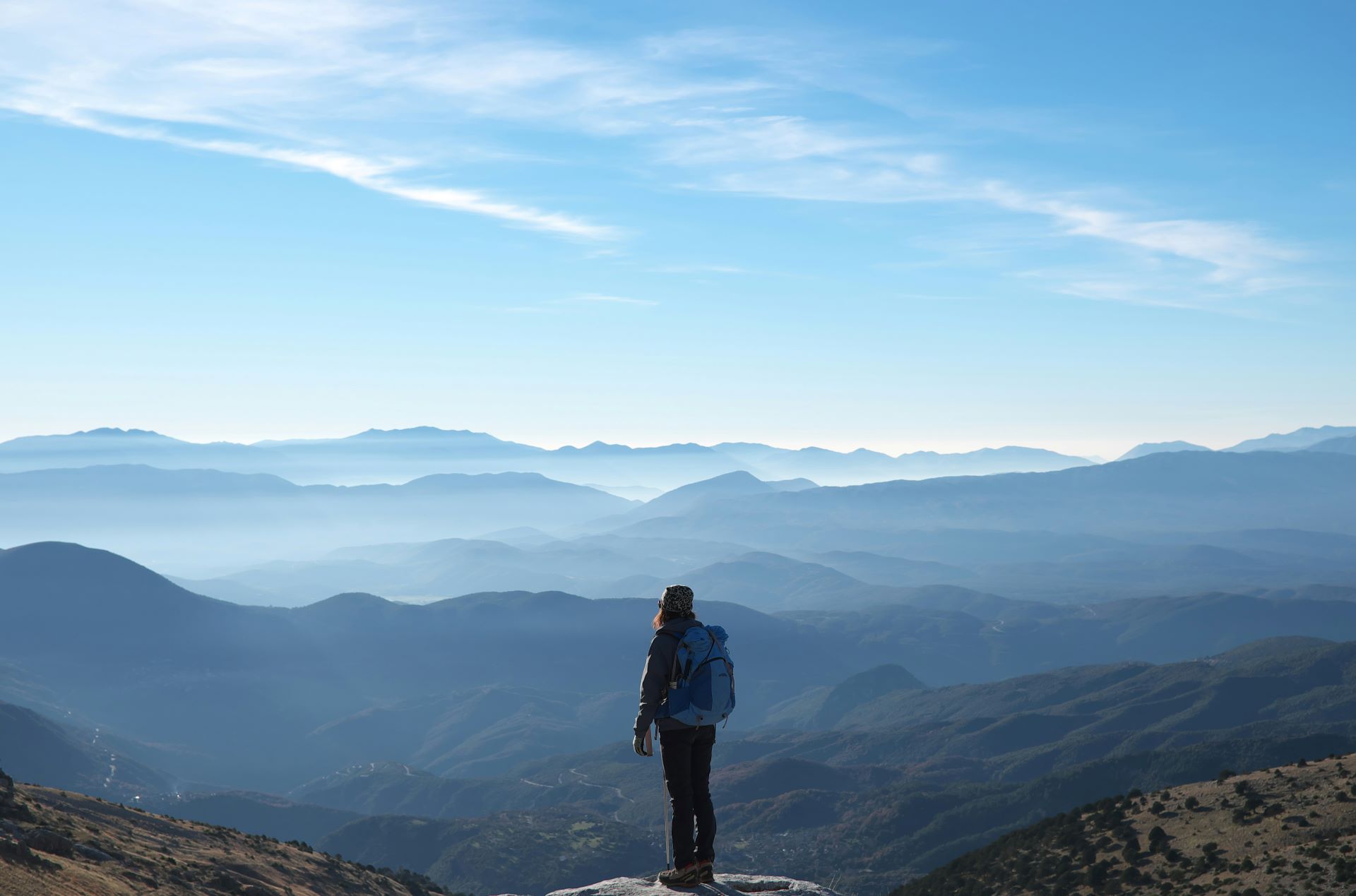
The Wild Coast is not a place you tick off a list — it’s a journey you surrender to. It rewards the patient, the curious, and the intrepid. In one week, you’ll cover surf-swept beaches, meet storytellers who still speak in folklore, and stare over cliffs where whales breach and time slows.
Whether you’re a surfer, a safari lover, or simply a seeker of the road less travelled, South Africa’s Wild Coast invites you in — not to conquer it, but to be changed by it.
Elisha Roodt
Reporting from the frontlines of the South African tourism renaissance. Bridging the gap between regional stories and global audiences through elite narrative strategy.