

Beyond the Familiar Vines – Discovering Hidden Gems
South Africa’s wine culture is often synonymous with the iconic vineyards of Stellenbosch, Franschhoek, and Paarl. These names conjure images of rolling vineyards, historic estates, and fine dining experiences. Yet, beyond these celebrated regions lies a treasure trove of less-traveled routes, where boutique wineries, unpretentious cellar doors, and intimate tasting experiences await those with a sense of adventure. For travellers seeking to escape the crowded wine tours and explore the authentic soul of South African viticulture, the country’s off-the-beaten-path regions offer a refreshing alternative.
The Western Cape may dominate international wine headlines, but regions like the Elgin Valley, Swartland, and Cederberg are quietly reshaping perceptions of what South African wine can be. In the Elgin Valley, cool-climate whites flourish, their crisp acidity reflecting the valley’s unique microclimate, where morning mists kiss the vineyards and late afternoon breezes temper the sun’s intensity. Here, visitors are invited into small, family-run estates where the vintners themselves guide tastings, sharing stories that illuminate the passion behind each bottle. It’s an experience far removed from the polished showrooms of larger estates, a chance to connect with the land and its custodians in a deeply personal way.
Swartland, on the other hand, tells a different story. Its rugged landscape, dominated by shale and granite soils, produces wines that are bold, characterful, and unapologetically expressive. Known for pioneering winemakers who embrace old-vine Chenin Blanc and Syrah, Swartland has become a playground for those seeking innovation without pretension. Unlike the structured tastings of traditional estates, many Swartland wineries operate by appointment or through curated experiences that combine vineyard walks, tastings of experimental blends, and encounters with artisanal food producers. Visitors here are not mere spectators—they are participants in a living, breathing exploration of South African terroir.
Travelers who journey north to the Cederberg Mountains discover a landscape as dramatic as the wines it produces. Situated far from the crowds of the Cape Winelands, the region is celebrated for its dryland vineyards, where resilience and resourcefulness define both vine and vintner. Here, boutique wineries offer an intimate connection to the craft, often in tasting rooms perched on rugged cliffs or nestled within valleys where the silence is punctuated only by the wind and the distant calls of birds. Beyond the wine itself, the Cederberg is steeped in cultural history, with ancient rock art and indigenous flora creating a backdrop that transforms a simple tasting into a full sensory experience.
These hidden wine regions are not merely about scarcity or novelty—they offer a perspective that contrasts sharply with the conventional vineyard model. In smaller estates, vintners often grow fewer varieties, focusing on quality, sustainability, and experimentation. Tasting a wine in such a setting is an educational journey, where the soil, climate, and human intervention are all integral characters in the story. Guests are encouraged to ask questions, explore barrels, and observe the process from vine to glass, creating an intimacy rarely found in more commercialized settings.
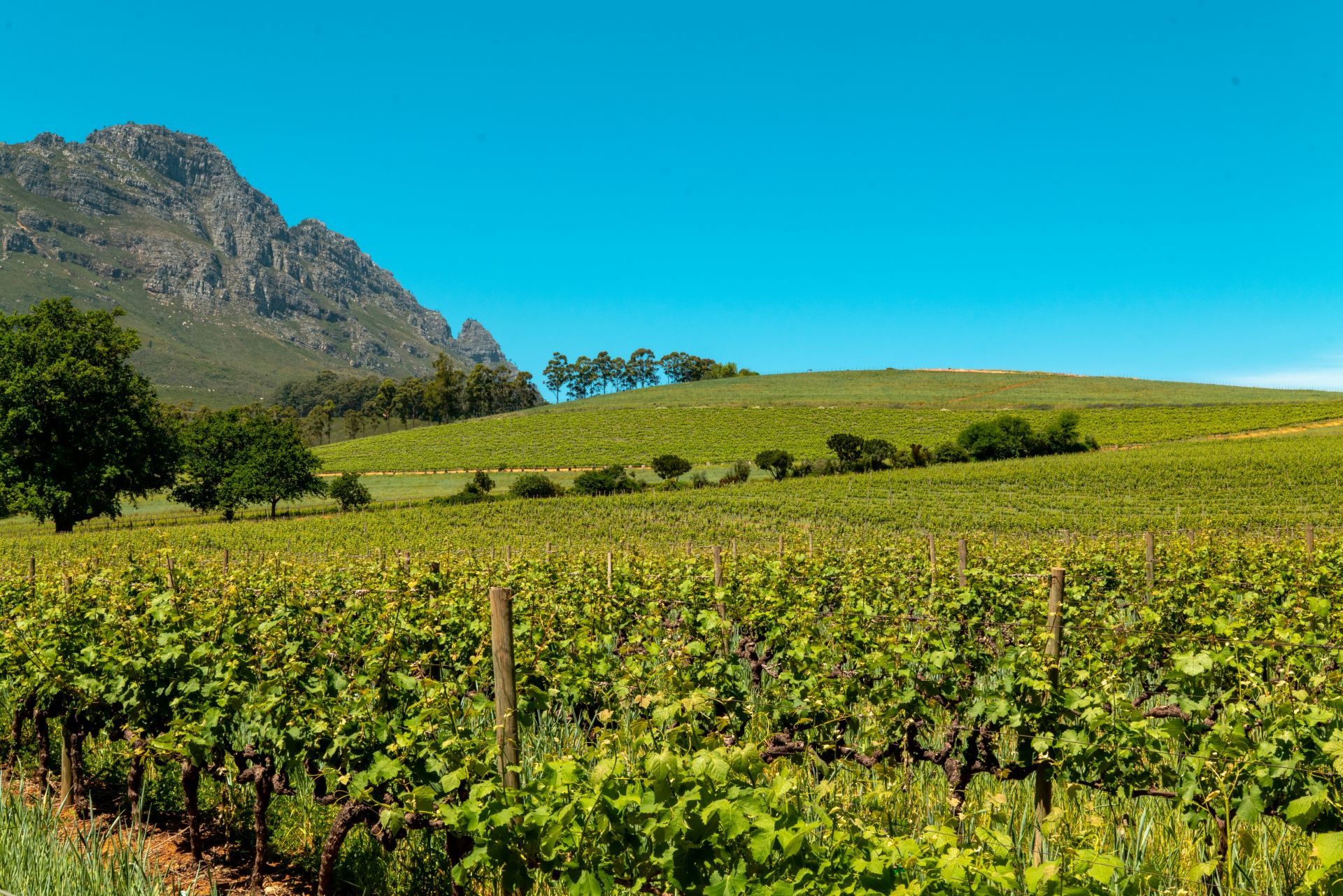
Moreover, these regions excel in presenting wine experiences that intertwine with broader cultural and culinary narratives. Off-the-beaten-path wineries frequently collaborate with local chefs, artisans, and craftsmen, resulting in tasting sessions accompanied by freshly baked bread, handcrafted cheeses, or small-batch preserves. The food complements the wine, but the pairing is organic rather than formulaic, driven by local ingredients and the winemaker’s philosophy. This emphasis on locality extends to architecture and ambience as well, with rustic cellar doors, contemporary eco-conscious designs, and historical farmhouses blending seamlessly into the landscape, enhancing the sense of discovery.
Accessibility has also become a unique part of the appeal. Whereas traditional wine routes can be congested with tour buses and day-trippers, these lesser-known regions reward those willing to venture off the main roads. Scenic drives through winding mountain passes, past flowering orchards, and alongside tranquil rivers heighten the anticipation of arriving at a secluded estate, where a warm welcome, a glass of something exceptional, and a quiet moment among the vines await. For many travellers, this journey—both physical and metaphorical—is as important as the wine itself, reinforcing the connection between exploration, story, and taste.
Beyond individual experiences, South Africa’s boutique wine regions are fostering a sense of community among winemakers and enthusiasts alike. Seasonal festivals, small-scale tastings, and collaborative dinners encourage interaction between local producers and visitors, transforming the wine journey into a shared cultural exchange. These gatherings provide insight into the country’s diverse terroirs, indigenous varietals, and evolving winemaking techniques, often accompanied by live music or traditional performances that echo the region’s heritage. Here, wine is not only a beverage but a conduit for storytelling, tradition, and innovation.
In essence, discovering South Africa’s hidden wine regions is about more than finding an unspoiled vineyard; it’s about connecting with a different rhythm of life. Away from the commercialized allure of the well-trodden paths, these experiences offer a balance between intimacy and authenticity, education and enjoyment. For those willing to take the detour, each sip becomes a narrative, each vineyard a chapter in a story that celebrates both the land and the people who nurture it. The journey into these lesser-known regions invites travellers to redefine their understanding of South African wine—not as a commodity, but as a living expression of place, heritage, and passion.
Intimate Encounters – Wineries Off the Beaten Path
For travellers seeking a deeper connection to South Africa’s wine culture, exploring the country’s boutique estates offers a rare intimacy with both the craft and the landscape. While the famed vineyards of Stellenbosch and Franschhoek dominate postcards, the true connoisseur’s adventure often lies in the nooks and crannies of regions like Greyton, the Overberg, and the Hemel-en-Aarde Valley. Each offers a distinctive personality, where innovation, heritage, and terroir converge to create wines—and experiences—that linger in memory long after the last sip.
Greyton, a small town tucked into the foothills of the Kogelberg Biosphere, is a revelation for travellers who favour charm over celebrity. The wineries here operate on a human scale; many are family-run, with vintners eager to share their stories. At one estate, visitors might stroll through rows of Sauvignon Blanc and Chardonnay, while the winemaker recounts the estate’s history, illustrating how soil composition and climate nuances influence each bottle. Tastings often unfold on sun-drenched terraces overlooking undulating hills, accompanied by artisan platters crafted from local produce. The setting—tranquil, verdant, and intimate—makes each glass feel like a personal connection to the land.
Heading south into the Overberg, a region less charted on conventional wine maps, travellers encounter a landscape of gentle slopes, fynbos-clad hills, and sweeping views of distant coastlines. The Overberg’s climatic diversity encourages experimentation, and small-scale wineries embrace a hands-on approach that contrasts sharply with the mechanized operations of larger estates. Here, tastings are experiences in themselves: barrel sampling, vineyard walks, and even harvest participation. The wines reflect the region’s versatility, from crisp Chardonnays and aromatic Sauvignon Blancs to robust Pinotage, each bottle echoing the subtle interplay between soil, sun, and meticulous craftsmanship.
The Hemel-en-Aarde Valley near Hermanus, often overshadowed by coastal tourist hubs, is renowned for its cool-climate varietals, particularly Pinot Noir and Chardonnay. What makes this region exceptional is not only the quality of the wine but also the intimacy of the tasting experience. Many estates are boutique in scale, welcoming only a handful of guests at a time, and designing tastings that tell a story of place and process. A walk through the vineyard can reveal the intricacies of vine training, while a seated tasting invites reflection, with panoramic mountain vistas serving as an ever-changing backdrop. The wines are expressive, the hospitality heartfelt, and the experience profoundly personal—a far cry from the hurried tastings of busier routes.
Travelers venturing east into the Breedekloof Valley encounter another type of hidden gem. Known more to locals than international tourists, this valley offers a fusion of tradition and experimentation. Boutique estates specialize in unique blends and varietals, often incorporating heritage grapes or unconventional techniques. Tastings are immersive: guests might explore underground cellars, observe fermentation, or sample limited-edition wines that are unavailable elsewhere. The combination of hands-on learning and sensory indulgence fosters an appreciation not only for the wine but also for the philosophy that drives these passionate winemakers.
Further north, the Orange River region introduces an unexpected dimension to South African wine tourism. Characterized by its arid climate and irrigated vineyards, it produces wines that are robust, sun-kissed, and surprisingly nuanced. Here, tastings often take place against dramatic backdrops of red earth and endless skies, offering a sense of scale and solitude. Small estates provide opportunities for intimate interactions, from guided tours highlighting sustainable viticulture to evenings spent under starlit skies pairing local delicacies with carefully curated wine selections. The experience transcends the glass, highlighting how environment, culture, and care converge to shape every sip.
Many of these off-the-beaten-path wineries have embraced innovation as a core principle. The emphasis is not solely on commercial success but on exploring what makes each vineyard unique. Visitors may find themselves sampling natural wines crafted with minimal intervention, or experimental blends that challenge conventional tasting expectations. This spirit of exploration is mirrored in the hospitality: relaxed, personalized, and rich in storytelling. A tasting is rarely just a series of wines; it is a dialogue between land, maker, and guest, where every aroma, texture, and flavor is an invitation to connect more deeply with the region.
Cuisine and wine are inseparable in these hidden locales. Chefs and winemakers collaborate to craft experiences that celebrate locality, seasonality, and authenticity. Simple platters of farmstead cheeses, freshly baked breads, and cured meats often accompany tastings, highlighting the natural affinities between food and wine without overshadowing either. At some estates, garden-to-table experiences allow visitors to harvest herbs, taste them alongside a Chardonnay, or pair freshly caught fish with a barrel-aged Pinotage. Such interactions blur the lines between consumption and creation, inviting travellers to participate actively in the story of each estate.
These intimate wineries also serve as cultural touchstones, preserving history while shaping the future of South African wine. Heritage varietals, historical techniques, and family narratives infuse tastings with a sense of continuity and reverence. Guests are often struck by the attention to detail—not just in the wine, but in architecture, art, and ambience—which transforms a visit from a mere tasting into a fully immersive sensory journey. The quiet elegance of a wooden tasting room, the scent of oak barrels mingling with mountain air, and the subtle music of fynbos rustling in the breeze all contribute to an experience that is both memorable and distinctly South African.
In discovering these hidden estates, travellers often find that the journey itself is as rewarding as the destination. Scenic drives through undulating hills, quaint villages, and quiet backroads punctuate the anticipation of each tasting. Encounters with local artisans, from potters to chocolatiers, enrich the experience further, creating a tapestry of sensory and cultural delight. By straying from the well-worn paths, visitors unlock a more authentic and nuanced understanding of South Africa’s wine landscape, one that celebrates not only the excellence of its bottles but the creativity, resilience, and humanity of the people who make them.
Immersive Experiences – From Vine to Glass
For many travellers, the allure of South African wine is not contained solely within the bottle—it lies in the journey from vine to glass. Beyond the conventional tasting room, boutique wineries and hidden estates offer immersive experiences that engage all the senses, allowing visitors to witness the delicate balance between climate, soil, and human craftsmanship that defines every vintage. These experiences reveal the depth of South Africa’s wine culture, highlighting regions where curiosity, experimentation, and tradition converge in unforgettable ways.
One of the most compelling forms of immersion is the vineyard walk. Across regions like Elgin, Swartland, and the Cederberg, estates invite guests to wander among the rows of vines, observing how the seasons, soil types, and microclimates influence growth. In the cool mornings of Elgin, mist drifts over low-lying vineyards, and visitors can see first-hand the delicate pruning techniques employed to shape the vine’s yield and flavour profile. Guides—often the winemakers themselves—offer insights into irrigation strategies, pest management, and the philosophy behind sustainable cultivation. These walks are as much about storytelling as observation, providing a narrative that transforms a casual visitor into a participant in the vineyard’s life cycle.
Harvest experiences take this engagement a step further. In regions such as Hemel-en-Aarde and the Orange River, estates open their gates during the picking season, inviting visitors to participate in grape collection, sorting, and sometimes even crushing. These hands-on opportunities not only offer a tactile connection to the process but also cultivate an appreciation for the labour, timing, and skill required to produce quality wine. Guests quickly realise that each berry contributes to a story that unfolds over months, even years, and that the nuances of terroir are inseparable from the care invested by the people who tend the vines.
Cellar tours and barrel tastings provide another layer of intimacy. In small, boutique estates, visitors can descend into cool, dimly lit rooms where oak barrels are stacked in orderly rows, each containing wines at different stages of maturation. Guided tastings here often include vertical samplings, where guests compare vintages side by side, observing how climate variation, soil, and vintage-specific decisions shape flavour and aroma. In some innovative estates, winemakers experiment with amphorae, clay vessels, and spontaneous fermentation, offering an unfiltered view of their craft. These tours are less about spectacle and more about understanding—the careful alchemy that transforms grapes into wine, and the human intuition guiding every step.
Pairing experiences also distinguish these hidden wine regions. Rather than relying on standard tasting notes, many estates encourage visitors to explore the interplay between wine and local produce. For instance, a freshly harvested Sauvignon Blanc might be served alongside soft cheeses infused with indigenous herbs, while a bold Syrah could be paired with smoked game or charcuterie cured on-site. Seasonal offerings, from wild fynbos honey to baked goods prepared with estate-grown grains, enhance the connection between place and palate. Some wineries even host interactive workshops where guests can experiment with pairings themselves, fostering a sense of discovery and creativity.
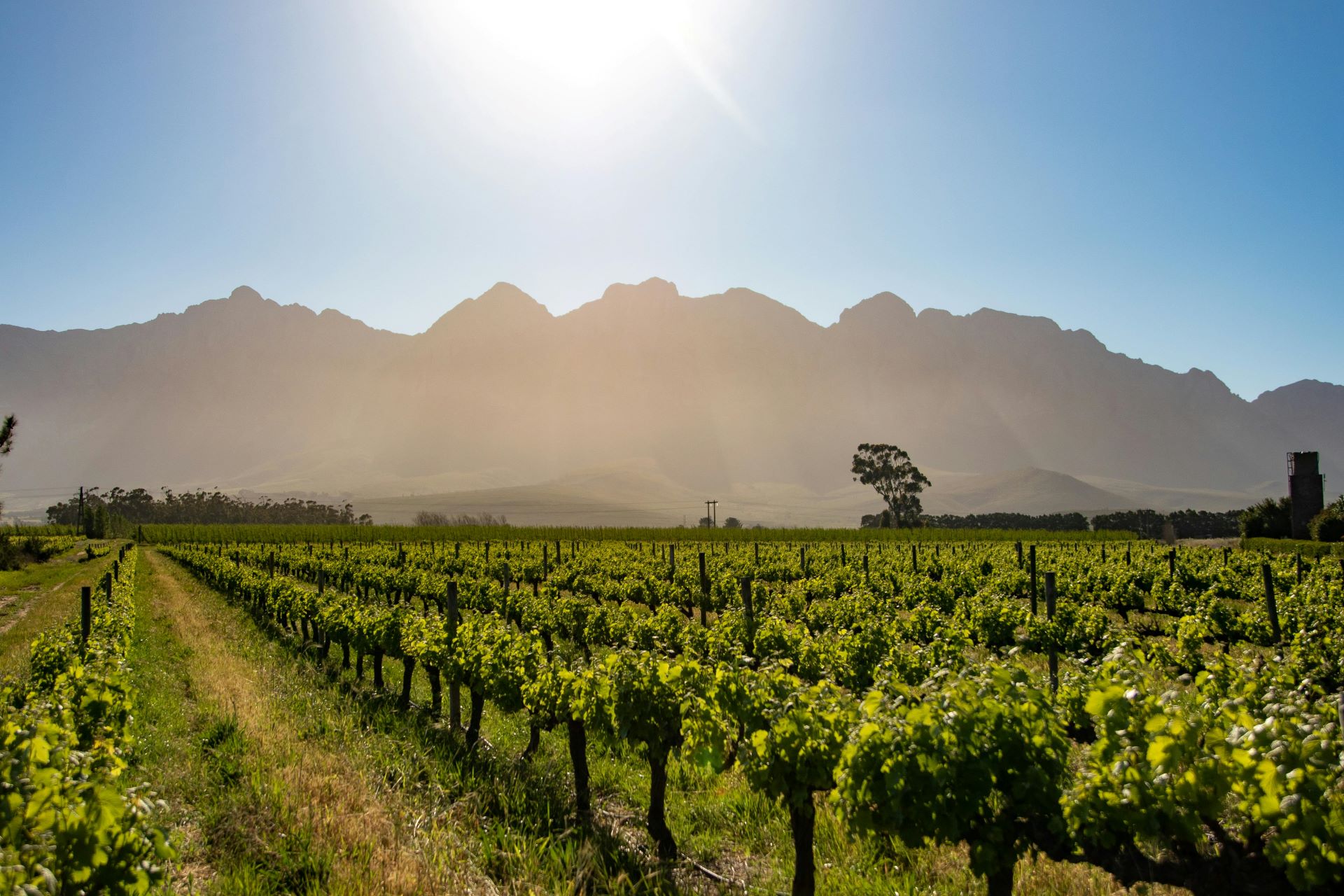
Beyond food, South Africa’s boutique estates often integrate broader cultural experiences into wine tourism. Music, art, and heritage become part of the tasting journey. In the Cederberg, for example, wine tastings are sometimes accompanied by performances of local folk music, echoing across rugged valleys. In Swartland, contemporary art exhibitions complement tastings, creating a dialogue between visual and sensory art forms. Guests are not merely observers; they are invited to engage with the cultural textures of the region, weaving a narrative that binds wine, land, and people.
Some estates extend the immersive experience through adventure tourism. A vineyard nestled in the mountains might offer guided hikes that conclude with a picnic and tasting at a panoramic lookout. In coastal areas like the Hemel-en-Aarde Valley, horseback tours through the vineyards combine exercise, scenery, and wine appreciation, offering a multisensory connection that remains unparalleled. These experiences transform wine from a static product into a living encounter, deeply rooted in geography, climate, and human endeavour.
Educational workshops add yet another dimension to immersive experiences. Many off-the-beaten-path wineries offer classes in winemaking, blending, and sensory evaluation. Guests can learn how acidity, tannin, and terroir influence flavour, or how different oak types affect maturation. These sessions often involve hands-on participation—tasting, blending, and even bottling—giving visitors a concrete understanding of how decisions made in the vineyard and cellar directly shape the wine in their glass. The result is a more informed, appreciative approach to tasting, turning casual interest into lasting engagement.
The sensory impact of these experiences is profound. Standing amid vines in the soft glow of sunset, inhaling the earthy aroma of fermenting grapes, and tasting a wine still warm from the cellar creates a memory that extends beyond taste alone. The interplay of sight, sound, smell, and texture fosters a holistic appreciation for wine, one that cannot be replicated in a restaurant or supermarket. By participating fully, travellers gain insight into the artistry, discipline, and passion that underpin South African winemaking.
Finally, immersive wine experiences foster personal connections that linger long after the visit. Whether it’s the warmth of a winemaker’s welcome, the stories shared over a barrel of aging Chenin Blanc, or the quiet satisfaction of harvesting grapes with one’s own hands, these interactions create a sense of belonging and understanding. Travellers leave not only with bottles to enjoy at home but with memories and narratives to share—a deeper understanding of South Africa’s wine regions and the people who bring them to life.
Wine and Landscape – Savoring the Scenery
South Africa’s wine regions are as much about the landscapes they inhabit as the wines they produce. From dramatic mountains to rolling valleys, rugged coastlines to fertile river plains, the country’s off-the-beaten-path vineyards invite travellers to experience a marriage of terroir and topography. These hidden regions not only provide exceptional wines but also offer scenic journeys that engage the senses, blending adventure, serenity, and cultural richness into a holistic wine tourism experience.
The Cederberg Mountains exemplify this interplay between landscape and wine. Remote and rugged, the region’s dry, rocky terrain may seem an unlikely setting for vineyards, yet it produces wines with remarkable concentration and character. Driving through the winding mountain passes, visitors encounter stark granite cliffs, ancient rock art, and vast expanses of fynbos. A tasting here is an immersive moment, often conducted on a terrace overlooking the jagged peaks, where the air is crisp and the views expansive. The sense of remoteness amplifies the appreciation of the wine: every sip is a testament to human ingenuity harmonising with nature.
In the Hemel-en-Aarde Valley, cool-climate vineyards stretch along gently rolling slopes, embraced by mountains on either side and the Atlantic Ocean beyond. The valley’s microclimate is ideal for Pinot Noir and Chardonnay, producing wines that are elegant, nuanced, and expressive. But the draw is not only the wine itself—it’s the journey through the region. Scenic drives reveal quaint villages, lush orchards, and panoramic lookout points that beg for a pause. Visitors often find themselves lingering to photograph the interplay of sunlight and shadow on the vineyards, or simply to inhale the aromatic fynbos that borders each estate. The landscape becomes an integral part of the tasting, a visual and olfactory complement to the flavors in the glass.
Further inland, the Swartland region offers a contrasting terrain. Its rolling hills, shale-rich soils, and wide-open skies foster wines that are bold and expressive, mirroring the landscape itself. Driving through the region, visitors encounter small, independent estates tucked along country roads, often accompanied by olive groves, wheat fields, and historic farmhouses. The Swartland’s rugged beauty and understated charm encourage exploration, inviting travellers to stop at roadside cellars, meet the winemakers, and participate in intimate tastings. Here, the wine experience is inseparable from the sense of place, each glass a reflection of the soil, climate, and human dedication that shapes it.
Coastal vineyards also offer a unique perspective. The Overberg, with its undulating hills and proximity to the southern coastline, combines maritime influences with fertile soils to produce wines of exceptional freshness. Travellers can enjoy tastings set against the backdrop of crashing waves, or meander along coastal paths where the salty breeze mingles with the aroma of ripening grapes. Some estates incorporate outdoor activities, from kayaking along nearby rivers to guided nature walks through indigenous flora, creating multi-sensory experiences that extend well beyond the cellar door. The interplay of sea, land, and sky transforms wine tasting into a journey through both flavour and environment.
South Africa’s interior wine regions, such as the Orange River Valley, offer a different but equally captivating landscape. Characterized by arid plains, irrigated vineyards, and endless horizons, the region invites a contemplative pace. Tastings here often occur in open-air settings, where the vast sky and warm sunlight frame the wine experience. Visitors can observe irrigation techniques, stroll through orderly vineyards, or take guided tours that highlight the ingenuity required to cultivate grapes in a challenging climate. The stark beauty of the landscape enhances the perception of the wines, emphasizing resilience, character, and adaptation.
The relationship between landscape and wine extends into culinary experiences as well. Many estates craft menus that echo the surrounding environment, sourcing ingredients locally and seasonally. A tasting paired with freshly caught fish on the Overberg coast, or a charcuterie platter accompanied by a Swartland Shiraz overlooking the hills, transforms a simple meal into a dialogue between terroir and table. The visual and gastronomic elements merge with the wine, creating a layered sensory narrative that reinforces the connection between land and liquid.
Adventure tourism also complements off-the-beaten-path wine experiences. Hiking, mountain biking, and horseback tours through vineyards allow travellers to engage physically with the landscape, deepening their appreciation for the effort involved in producing wine. In some regions, guided treks lead to hidden vantage points where tastings are served among wildflowers or overlooking valleys that stretch into the horizon. These moments of immersion provide a sense of scale and perspective, reinforcing the notion that wine is not simply a product but a reflection of place, climate, and human ingenuity.
Cultural immersion enhances the landscape experience further. Small towns near vineyards often host artisan markets, craft workshops, and local festivals, allowing travellers to engage with communities while exploring the wine regions. From historic architecture in Greyton to the contemporary art installations in Swartland, these interactions create a richer, more textured understanding of the regions beyond the vineyards. Wine becomes a lens through which travellers appreciate not only geography but the history, creativity, and character of the people who inhabit these landscapes.
Ultimately, the allure of South Africa’s hidden wine regions lies in the seamless integration of wine, landscape, and lifestyle. Each estate is a microcosm of its surroundings, reflecting the rhythms of the land, the ingenuity of its makers, and the beauty of its environment. By embracing these off-the-beaten-path experiences, travellers gain more than a collection of tasting notes; they discover a holistic narrative that binds vineyard, view, and visitor into a singular, memorable journey.
Planning the Journey – Making the Most of South Africa’s Hidden Wine Regions
Exploring South Africa’s lesser-known wine regions is an adventure that rewards curiosity, patience, and a willingness to stray from the conventional routes. Unlike the well-trodden paths of Stellenbosch or Franschhoek, these hidden vineyards require a bit more planning, but the payoff is immeasurable: intimate experiences, pristine landscapes, and a deeper understanding of the country’s diverse terroirs. For travellers eager to immerse themselves in authentic wine culture, preparation is key, allowing the journey to unfold naturally and without compromise.
Timing is an essential consideration. The seasons profoundly influence both the landscape and the wines. Spring, from September to November, transforms vineyards into vibrant tapestries of green and gold, with fynbos and wildflowers enhancing the visual feast. Harvest season, typically from late January through March, offers unparalleled access to the winemaking process, from picking to fermentation. During these months, estates often provide participatory experiences, where visitors can gather grapes, taste fermenting wines, and learn first-hand about viticultural techniques. Autumn, meanwhile, delivers a spectacle of colour as leaves turn and temperatures moderate, creating ideal conditions for scenic drives and outdoor tastings. Even winter, while quieter, can be deeply rewarding, offering reflective moments amid crisp mountain air, fewer crowds, and the comforting intimacy of a fireside tasting.
Practical logistics also matter. Many hidden wineries operate on a smaller scale, offering tastings by appointment rather than casual drop-ins. Scheduling ahead ensures access to guided experiences, private tours, and culinary pairings that showcase the estate’s philosophy. Hiring a local guide or driver can transform the experience, allowing travellers to navigate winding backroads safely while also gaining insights into regional history, geology, and culture. The journey between estates is as important as the destination, with scenic routes offering pauses at viewpoints, artisan markets, and quaint villages that enrich the narrative of exploration.
Accommodations near off-the-beaten-path wineries often reflect the character of the region itself. Boutique lodges, farm stays, and eco-conscious retreats provide a balance of comfort and authenticity, allowing visitors to remain immersed in the environment. Many estates offer on-site lodging, enabling early-morning vineyard walks or sunset tastings without the pressure of travel. Staying locally also strengthens the connection with community, offering opportunities to engage with winemakers, chefs, and artisans beyond the tasting room. Small gestures—a conversation over breakfast, a shared story in the vineyard—can transform a visit into a memory that endures long after departure.
Culinary experiences are inseparable from wine tourism in these hidden regions. Travellers are encouraged to explore local markets, artisanal producers, and estate kitchens, where fresh, seasonal ingredients form the foundation of thoughtful pairings. From hand-crafted cheeses and farm-raised charcuterie to wild fynbos honey and baked goods prepared on-site, these offerings reflect the terroir as much as the wines themselves. Engaging with local culinary culture enhances the tasting journey, revealing connections between land, tradition, and craft that extend beyond the glass.
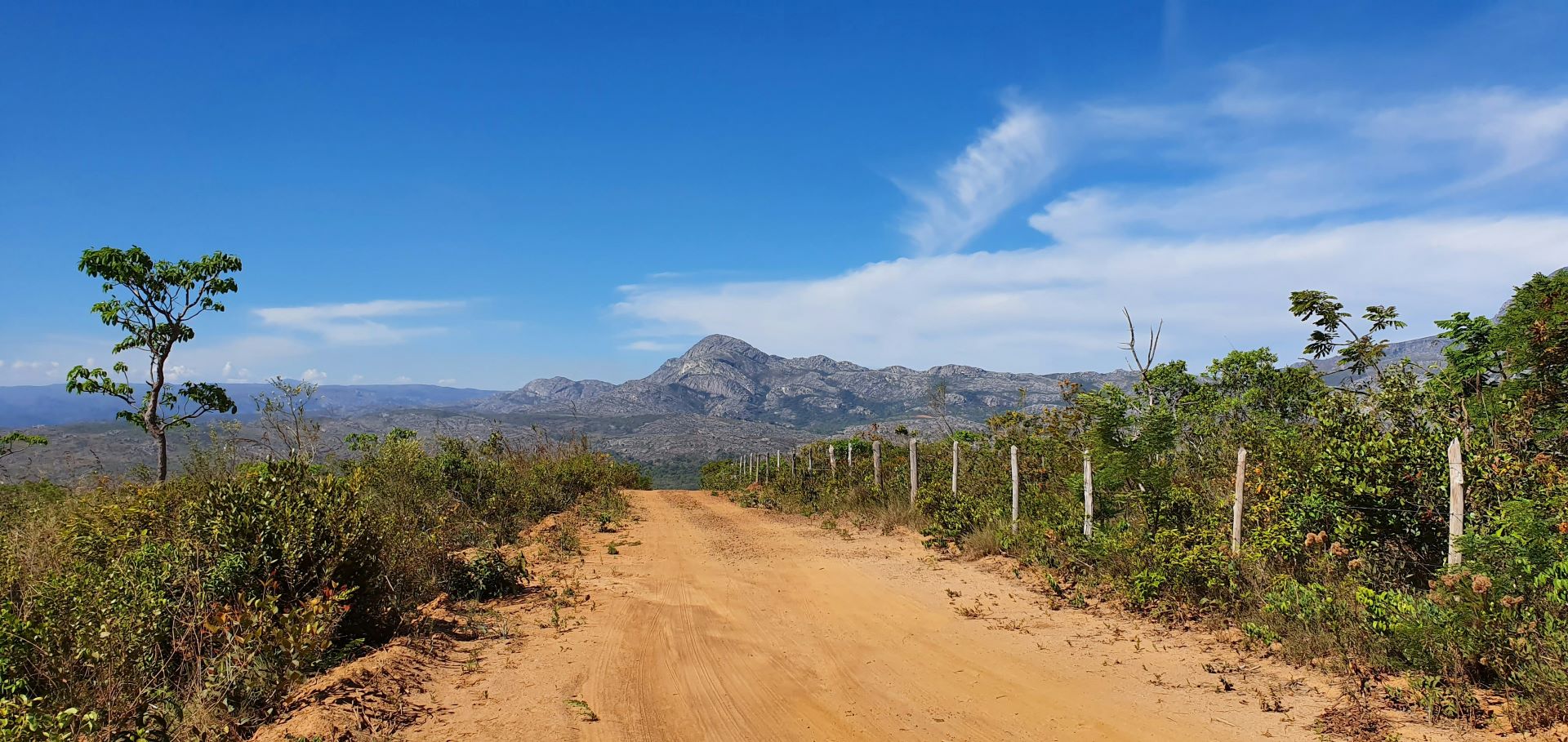
Each region also carries a unique cultural narrative. Greyton’s historic architecture, Swartland’s modernist artistry, and the heritage of the Cederberg’s indigenous peoples provide a rich tapestry of context for the wines. Travellers who take the time to explore these stories gain a more nuanced appreciation of each estate, understanding how history, geography, and community shape the wines they taste. In these interactions, wine becomes a medium through which travellers encounter the essence of place, weaving together sensory, historical, and emotional threads into a singular experience.
Flexibility is equally important. Hidden wineries often embrace spontaneity in their offerings, from small-batch experimental blends to outdoor tastings that shift with the light of day. Savouring these moments requires openness to change, an appreciation for subtlety, and a willingness to linger. Unlike commercial wine routes, the pace here is determined by nature and narrative rather than schedules, allowing travellers to connect fully with the estate, the people, and the landscape. Every tasting, every conversation, and every glance across a sunlit vineyard becomes part of an unfolding story, one that is both personal and place-based.
Finally, the joy of exploring South Africa’s hidden wine regions lies in the combination of discovery and intimacy. Each visit offers more than wine: it is a chance to witness dedication, celebrate craft, and engage deeply with the land and people who define it. Travellers leave not only with bottles to enjoy at home but with stories, memories, and a renewed appreciation for the diversity of South Africa’s wine culture. It is a reminder that beyond the celebrated estates lies a network of small, passionate wineries whose wines speak of place, passion, and persistence.
In embracing the road less travelled, visitors uncover the essence of South African viticulture. From the serene valleys of the Overberg to the windswept Cederberg mountains, from cool-climate Hemel-en-Aarde Chardonnay to Swartland’s bold Syrah, each encounter offers a narrative woven from soil, sun, and human care. The journey beyond the famous vineyards is not simply about tasting wine; it is about experiencing the land, understanding the craft, and connecting with the people whose labour and vision make each bottle possible. In South Africa’s hidden wine regions, every sip is a story, every vineyard a chapter, and every visit an invitation to savour a country’s richness, both in glass and in experience.
Jabulani
Reporting from the frontlines of the South African tourism renaissance. Bridging the gap between regional stories and global audiences through elite narrative strategy.