

South Africa has long been synonymous with majestic landscapes, rich biodiversity, and the unparalleled experience of witnessing the "Big Five" roam freely across the savannah. Yet, behind the awe-inspiring safari vistas lies a pressing need for conservation, ethical tourism, and responsible stewardship of the country’s natural heritage. The modern safari is no longer merely about adventure or luxury; it is increasingly defined by how it contributes to the preservation of wildlife, ecosystems, and local communities. From anti-poaching operations to wildlife rehabilitation centres and eco-conscious safari lodges, South Africa is quietly but resolutely setting new standards for responsible tourism.
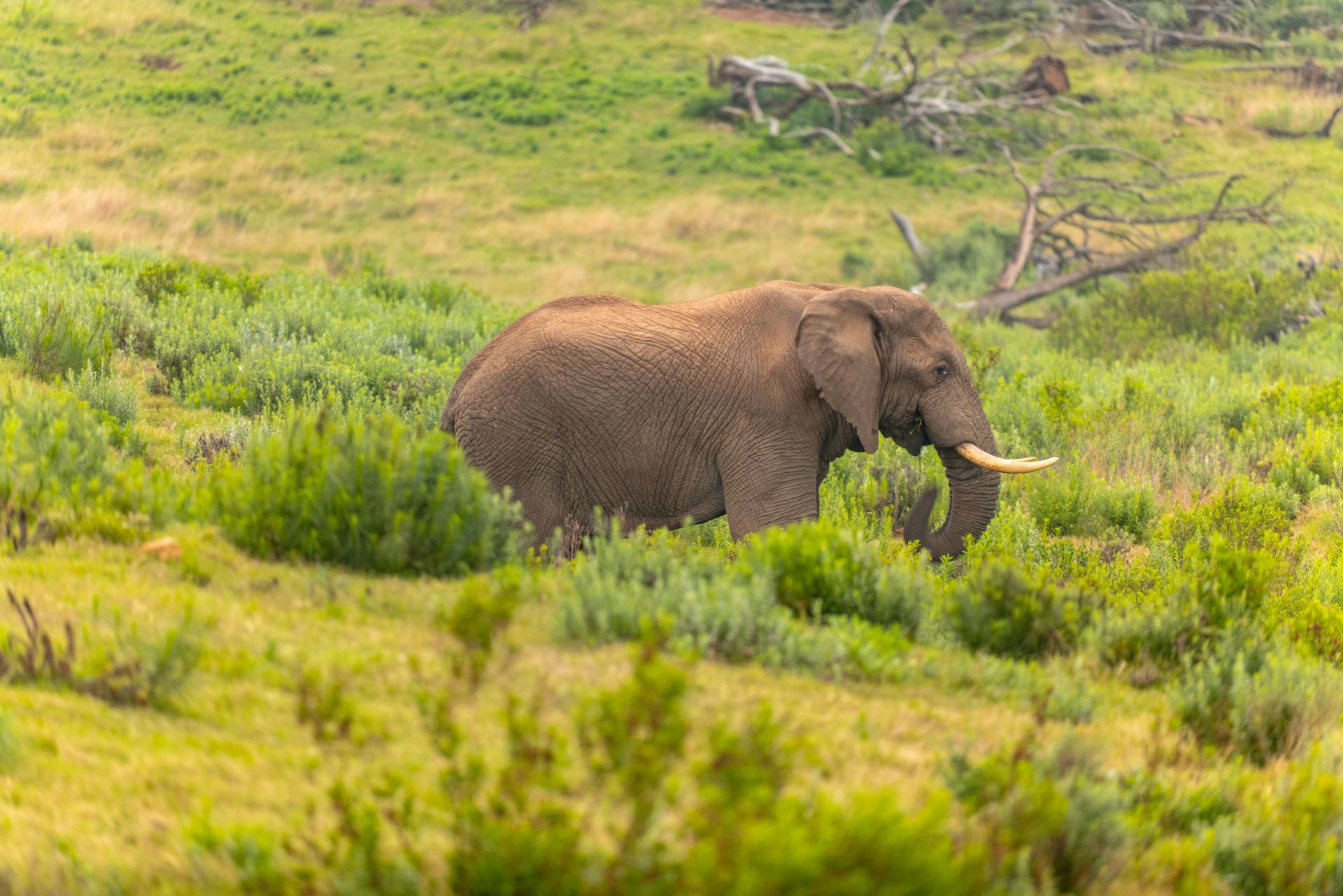
Ethical Safari Operators: Redefining Luxury with Conscience
The first step toward a responsible safari begins with choosing operators who prioritise ethics over mere spectacle. Leading safari lodges across the Kruger National Park, Madikwe, and the Eastern Cape are now aligning luxury with sustainability, crafting experiences that celebrate wildlife without disturbing it. Ethical operators ensure that guests encounter animals in their natural habitats with minimal intrusion, avoiding practices such as artificial feeding or staged photo opportunities that stress the animals.
Many lodges are also embedding conservation efforts directly into the guest experience. For instance, some safari camps offer guided bush walks that educate visitors on the flora and fauna, explaining the delicate balance of ecosystems and the critical role each species plays. Others have incorporated citizen science programs, inviting tourists to participate in data collection, from tracking elephant movements to monitoring bird populations. The result is a safari experience that is immersive, transformative, and deeply connected to the realities of conservation.
Moreover, ethical safari operators are increasingly focused on community engagement. By partnering with local villages, they ensure that tourism revenue supports education, healthcare, and sustainable livelihoods. Hiring local guides and staff not only provides economic empowerment but also enriches the visitor experience through authentic cultural exchange. The ethos is clear: a safari is not just about seeing animals, but also about supporting the people who live alongside them.
Anti-Poaching Initiatives: A Fight for Survival
Despite South Africa’s reputation as a conservation stronghold, poaching remains a persistent threat, particularly to rhinos and elephants. The rise in global demand for rhino horn and ivory has made these species vulnerable, prompting a multifaceted response from government agencies, non-profit organisations, and private conservancies. South Africa’s anti-poaching strategies are sophisticated and relentless, blending technology with human vigilance.
Drones equipped with thermal imaging cameras now patrol national parks at night, detecting potential poachers before they can strike. Ground teams, often comprising former military personnel, employ intelligence-led operations to intercept illegal trafficking networks. Some conservancies have even adopted the use of wildlife detection dogs, trained to locate snares and track poachers. Every successful interception is a testament not only to technological innovation but also to the courage and commitment of rangers who risk their lives daily in defence of wildlife.
Equally important is community-focused anti-poaching work. Many initiatives recognise that poaching often stems from economic desperation rather than mere greed. By offering alternative livelihoods, education, and conservation-linked employment, these programs reduce the allure of illegal hunting. Local residents become stakeholders in wildlife protection, with pride in their natural heritage aligning with tangible socio-economic benefits. It is a model that acknowledges the intertwined fates of people and wildlife, where sustainable conservation cannot exist in isolation from human development.
Wildlife Rehabilitation: Healing the Forgotten Victims
The aftermath of poaching, habitat loss, and human-wildlife conflict often leaves animals injured, orphaned, or in critical condition. South Africa’s network of wildlife rehabilitation centres has grown in prominence, providing a lifeline for these vulnerable creatures. These centres focus not only on medical treatment but also on the psychological and behavioural rehabilitation necessary for eventual release back into the wild.
At facilities such as the Wildlife Rehabilitation Centre in KwaZulu-Natal or the Hoedspruit Endangered Species Centre, highly specialised veterinary teams work tirelessly to nurse injured rhinos, cheetahs, and primates. Rehabilitation is a meticulous process: animals undergo intensive care, acclimation to their natural environment, and sometimes even social reintegration, ensuring they can survive independently once returned to their habitats. Visitors to some centres are invited to observe these processes, gaining insight into the painstaking work that underpins wildlife conservation. This transparency serves a dual purpose: educating the public and fostering a sense of collective responsibility for the animals’ welfare.
Rescue and rehabilitation are not limited to individual species but extend to entire ecosystems. For instance, the restoration of wetland habitats in Mpumalanga has been instrumental in supporting bird populations, amphibians, and small mammals. Through habitat regeneration projects, controlled breeding programs, and anti-trafficking measures, South Africa’s rehabilitation efforts represent a holistic approach to conservation that transcends the simple act of rescuing animals.
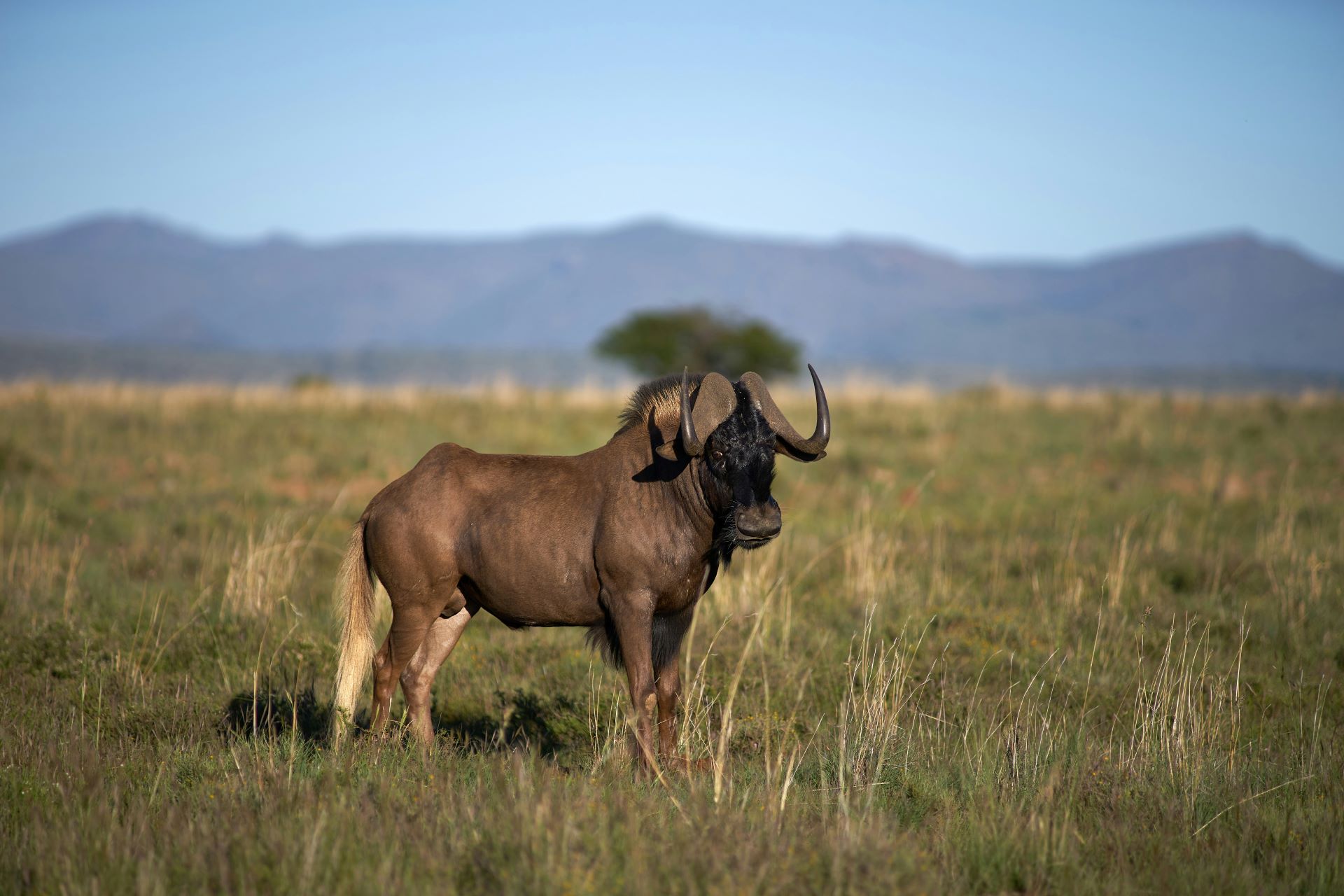
Eco-Conscious Safaris: Tourism that Gives Back
The modern safari industry is evolving rapidly, with sustainability at the forefront of design, operations, and guest experience. Eco-conscious lodges employ renewable energy, manage water use responsibly, and implement waste reduction strategies, creating minimal environmental impact. Some even operate on a zero-carbon model, offsetting emissions through tree planting initiatives and community-based conservation projects.
Beyond infrastructure, eco-conscious safaris focus on experiential education. Guests learn about predator-prey dynamics, the importance of biodiversity, and the consequences of climate change on fragile ecosystems. Photography and observation are encouraged, but always within strict ethical guidelines that protect animal welfare. This approach elevates tourism from passive observation to active participation in conservation, leaving a lasting impression that extends beyond the trip itself.
Importantly, eco-conscious safari operators are fostering global awareness about conservation challenges. Social media campaigns, virtual reality experiences, and interactive educational materials extend the reach of these initiatives, inspiring international audiences to engage with South African wildlife protection efforts. This connectivity ensures that responsible safari tourism is not merely a local imperative but a global movement, underscoring the interconnectedness of environmental stewardship across borders.
Success Stories: Conservation in Action
South Africa offers numerous examples of successful conservation partnerships that demonstrate the potential of responsible safari tourism. The Rhino Revolution campaign, led by private reserves and non-profit organisations, has achieved notable reductions in poaching incidents in key reserves. By employing cutting-edge tracking technology and collaborative patrols, rhino populations are stabilising, providing hope for a species once teetering on the brink of extinction.
Similarly, the Cheetah Conservation Fund has partnered with private landowners to establish safe corridors, ensuring cheetahs can roam without conflict with livestock farming. Education programs in local schools have instilled awareness of wildlife value, cultivating the next generation of conservation advocates. These success stories illustrate the tangible impact of coordinated, well-resourced efforts, proving that ethical tourism and wildlife protection can coexist successfully.
Marine conservation also plays a pivotal role. In KwaZulu-Natal and the Western Cape, initiatives protecting sharks, whales, and endangered fish species have incorporated eco-tourism as a funding mechanism. Responsible whale-watching excursions, for example, generate revenue while adhering to strict distance regulations, ensuring minimal disturbance to marine life. Visitors witness these animals in their natural environment while directly contributing to their protection—a model that epitomises the principles of responsible safari tourism.
Challenges and Future Directions
Despite these strides, challenges remain. Habitat encroachment, climate change, and illegal wildlife trade continue to threaten South Africa’s natural heritage. The balance between tourism, development, and conservation is delicate, requiring constant vigilance and adaptive strategies. Sustainable funding, community buy-in, and international cooperation remain crucial components of any long-term solution.
Innovation will be key to navigating the future. Emerging technologies, including AI-powered monitoring, satellite tracking, and drone surveillance, offer new avenues for protecting vulnerable species. Meanwhile, safari operators are experimenting with virtual reality tours, which can offer immersive wildlife experiences without physically disturbing sensitive habitats. These initiatives exemplify the forward-thinking approach necessary to reconcile tourism growth with ethical conservation imperatives.
Education will also play an increasingly central role. By integrating conservation awareness into travel experiences, South Africa is fostering a global community of informed, responsible tourists who understand the stakes of wildlife protection. Schools, universities, and community programmes are complementing safari experiences, ensuring that knowledge extends beyond the boundaries of the national parks and into homes around the world.
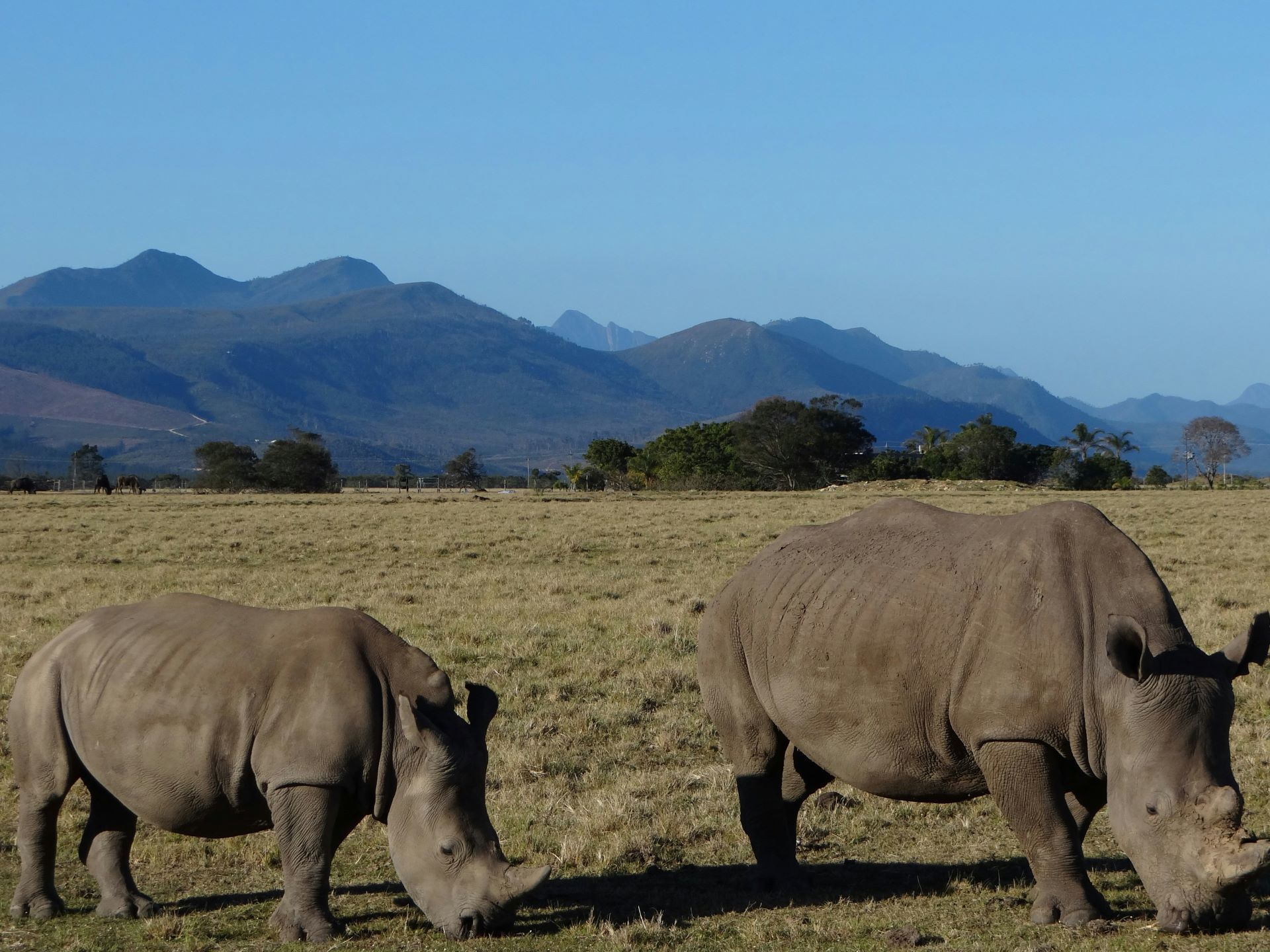
The Ethical Promise of South African Safaris
Ultimately, responsible safari tourism is a promise—a commitment to experience the wild while actively safeguarding it. South Africa’s wildlife is not just a national treasure; it is a global legacy, one that demands careful stewardship. Ethical safari operators, anti-poaching initiatives, rehabilitation centres, and eco-conscious lodges collectively embody this promise, demonstrating that luxury, adventure, and conservation can coexist harmoniously.
Visitors who engage with South Africa’s wildlife through this lens are participating in a transformative journey. Every guided safari, every educational tour, every contribution to local communities is a thread in the intricate tapestry of conservation. The act of observing an elephant herd or a lion pride becomes imbued with deeper meaning—a recognition that tourism can be both thrilling and responsible.
South Africa’s approach is not perfect, nor is it without challenges, but it provides a blueprint for the world. By prioritising ethical practices, supporting local communities, and embracing innovation, the nation is carving a path toward a future where wildlife thrives alongside humans. In doing so, it ensures that the magic of the safari endures for generations to come—a testament to the power of responsible tourism and the enduring spirit of South Africa’s wild places.
Jabulani
Reporting from the frontlines of the South African tourism renaissance. Bridging the gap between regional stories and global audiences through elite narrative strategy.