

South Africa is synonymous with safari, conjuring images of the iconic Big Five roaming the savannahs of Kruger National Park or the rolling plains of Pilanesberg. Yet, for the discerning traveller seeking a more intimate, distinctive experience, the country offers a wealth of boutique game reserves, private conservancies, and curated wildlife encounters far removed from the crowds. These hidden gems provide a sense of exclusivity, adventure, and deep connection to nature, appealing to those who wish to explore beyond the familiar and embrace the extraordinary.
Boutique Game Reserves: Luxury and Intimacy in the Wild
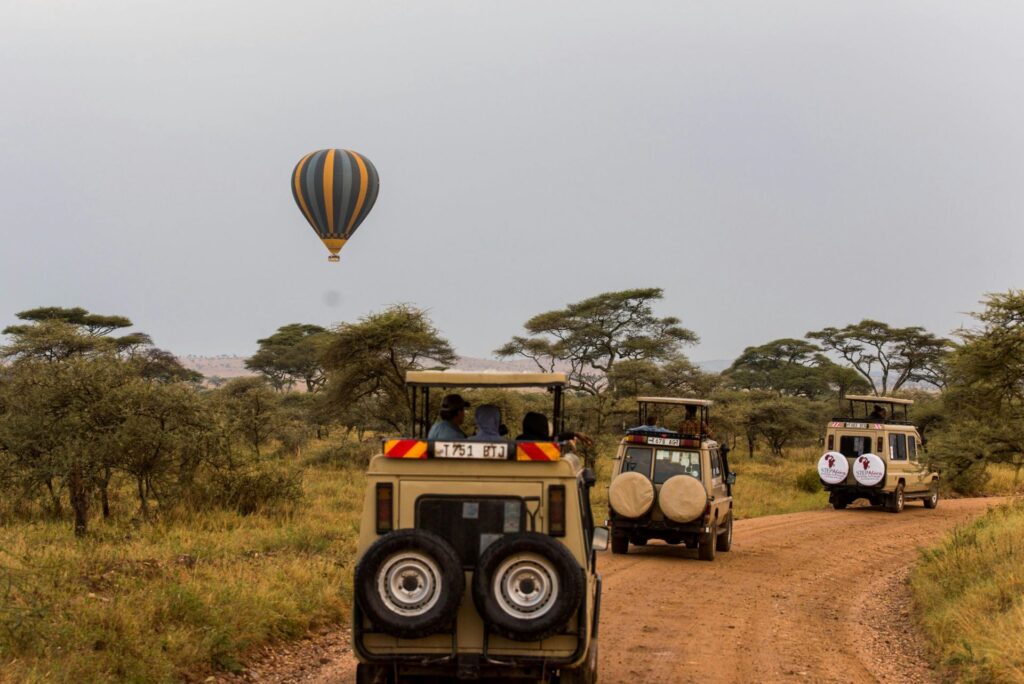
While Kruger remains a benchmark for wildlife safaris, South Africa’s boutique game reserves offer a more personalized, immersive experience. Reserves such as Sabi Sand, Timbavati, and Madikwe Private Reserve have long catered to travellers seeking private lodges, expert guides, and unrivalled access to wildlife. These smaller reserves typically restrict the number of visitors, which translates into uncrowded game drives, tailored itineraries, and the thrill of encountering predators without the distractions of tourist-filled vehicles.
At Sabi Sand, lodges are strategically situated to provide front-row access to sightings of elusive leopards and prides of lions. The emphasis is not merely on the Big Five, but on the subtleties of the ecosystem: observing the interaction between birds, smaller antelope, and the intricate social hierarchies of predators. Each lodge prioritizes authenticity, often blending seamlessly into the landscape, offering eco-friendly accommodations and a philosophy that prioritizes conservation as much as luxury.
In the Timbavati Private Nature Reserve, a focus on conservation-driven tourism enriches the visitor’s experience. Here, the absence of fences with Kruger National Park allows animals to roam freely, making sightings spontaneous and unique. Guided game drives offer insight into predator-prey dynamics, tracking techniques, and the stories behind individual animals that have become famous within the reserve. The intimacy of these reserves allows for safari experiences where guides can tailor the pace, focus, and narrative to match the interests of their guests, whether it’s photography, ecology, or pure wildlife observation.
Private Conservancies: Conservation with a Personal Touch
Private conservancies extend the boutique philosophy to a more holistic, often hands-on experience. Reserves such as Shamwari Private Game Reserve and Kapama Private Game Reserve are exemplary in their approach to conservation, education, and guest engagement. Unlike national parks, private conservancies often have fewer restrictions on movement, enabling visitors to explore areas off the main game trails, witness rare nocturnal behaviour, and interact more closely with guides who share decades of local ecological knowledge.
Conservancies frequently offer walking safaris, where guests traverse the landscape on foot, guided by rangers who illuminate the often-overlooked microcosm of the bush: tracks, insects, flora, and signs of animal behaviour invisible from a vehicle. Walking safaris provide a tactile and auditory experience of the bush that is profoundly different from traditional game drives, allowing for a deeper appreciation of the ecosystem and the rhythms of wildlife. Additionally, many conservancies contribute significantly to community projects, combining luxury tourism with social impact, enabling visitors to feel their presence benefits both nature and the people who steward it.
Night Safaris: Discovering the Bush After Dark
For those intrigued by the secretive life of nocturnal animals, night safaris offer an extraordinary alternative to daylight drives. Creatures such as African wild cats, genets, and bush babies reveal themselves under the cover of darkness, illuminated by the strategic sweep of spotlights and guided by expert trackers. Night safaris are a sensory immersion: the sounds of insects, calls of owls, rustling foliage, and the occasional distant roar create an atmosphere unmatched by daytime encounters.
Private reserves such as Karongwe Game Reserve and Pungwe Game Reserve specialise in these nocturnal explorations, often offering small groups to enhance intimacy and avoid disturbing wildlife. Here, visitors gain insight into predator behaviour, the adaptations of nocturnal species, and the delicate balance of life after sunset. These safaris often conclude around a traditional fire, with local storytelling and starlit dinners, reinforcing the connection between guests and the timeless rhythm of the African wilderness.
Walking Safaris: Footsteps of the Wild
Walking safaris are perhaps the most immersive form of safari, offering a primal connection to the land and its inhabitants. Unlike traditional vehicle-based safaris, walking safaris demand attentiveness, patience, and respect for the environment, rewarding participants with unique perspectives of animal behaviour and ecosystems. They allow visitors to notice the smallest details: the tracks of a passing cheetah, the smell of rain on dry earth, or the intricate web of interactions between flora and fauna.
Reserves like Thanda Private Game Reserve and Amakhala Game Reserve offer guided walking safaris led by highly trained rangers and trackers, who share the skills of animal tracking, bushcraft, and ecological storytelling. Guests may follow the spoor of elephants, learn to identify birds by call, or observe nocturnal creatures emerging as the sun dips below the horizon. Walking safaris encourage mindfulness, patience, and an appreciation of the interconnectedness of all species within the ecosystem, fostering a sense of respect and responsibility toward conservation.
Birding Tours: A Paradise for Ornithologists
South Africa is home to a staggering variety of bird species, many of which are endemic to specific regions. While Big Five safaris dominate the tourism narrative, birding tours cater to enthusiasts seeking a quieter, yet equally rewarding, wildlife experience. Locations such as the iSimangaliso Wetland Park and Kruger to Canyons Biosphere offer guided birding safaris, where expert ornithologists lead visitors through diverse habitats, from wetlands to savannahs, pointing out species both common and rare.
Birding safaris demand patience and observation, transforming a simple walk or drive into a detailed study of plumage, calls, and nesting behaviour. Many reserves integrate birding with broader conservation efforts, ensuring that guests witness both the diversity of avian life and the ecological pressures affecting it. Bird photography, often facilitated by lodge-provided hides and scopes, allows visitors to document their encounters while maintaining a non-intrusive distance, preserving the integrity of the species and their habitats.
Unusual Wildlife Experiences: Beyond Traditional Safaris
For travellers seeking unique, offbeat experiences, several South African reserves offer wildlife encounters that defy convention. Cheetah and lion tracking programmes enable guests to participate in conservation activities, from following collars to learning about predator behaviour and contributing to data collection. Elephant interaction experiences, strictly controlled and ethical, provide insights into herd dynamics, health monitoring, and human-wildlife coexistence strategies.
Additionally, some reserves integrate cultural immersion with wildlife observation. In regions like KwaZulu-Natal and the Eastern Cape, guided tours may incorporate local folklore, bush medicine knowledge, and community conservation initiatives, allowing visitors to understand the intertwined relationship between humans and the land they inhabit. These experiences elevate safari tourism from observation to engagement, fostering a sense of stewardship and personal connection to South Africa’s natural heritage.
Sustainability and Ethical Tourism: The Heart of Off-the-Beaten-Path Safaris
A defining characteristic of boutique and private safari experiences is their commitment to sustainability and ethical wildlife tourism. Unlike large-scale parks, these smaller reserves prioritize low-impact tourism, conservation-led initiatives, and the wellbeing of both animals and local communities. Many lodges are carbon-neutral, source food locally, and invest a portion of profits into anti-poaching operations, habitat restoration, and community education.
This ethical approach ensures that off-the-beaten-path safaris are not only exclusive but responsible, allowing travellers to indulge in luxury while supporting the preservation of South Africa’s biodiversity. Guests often leave with a heightened awareness of the fragility of ecosystems and the role tourism can play in sustaining them, making the experience transformative both personally and ecologically.
Planning Your Off-the-Beaten-Path Safari
Embarking on a boutique safari requires careful planning. Seasonality, wildlife migration patterns, and the type of experience desired—whether walking, birding, night drives, or conservation participation—determine the ideal time and reserve. Many lodges offer personalised itineraries, combining multiple experiences within a single visit, ensuring that each day is rich with discovery without the pressures of crowds or schedules.
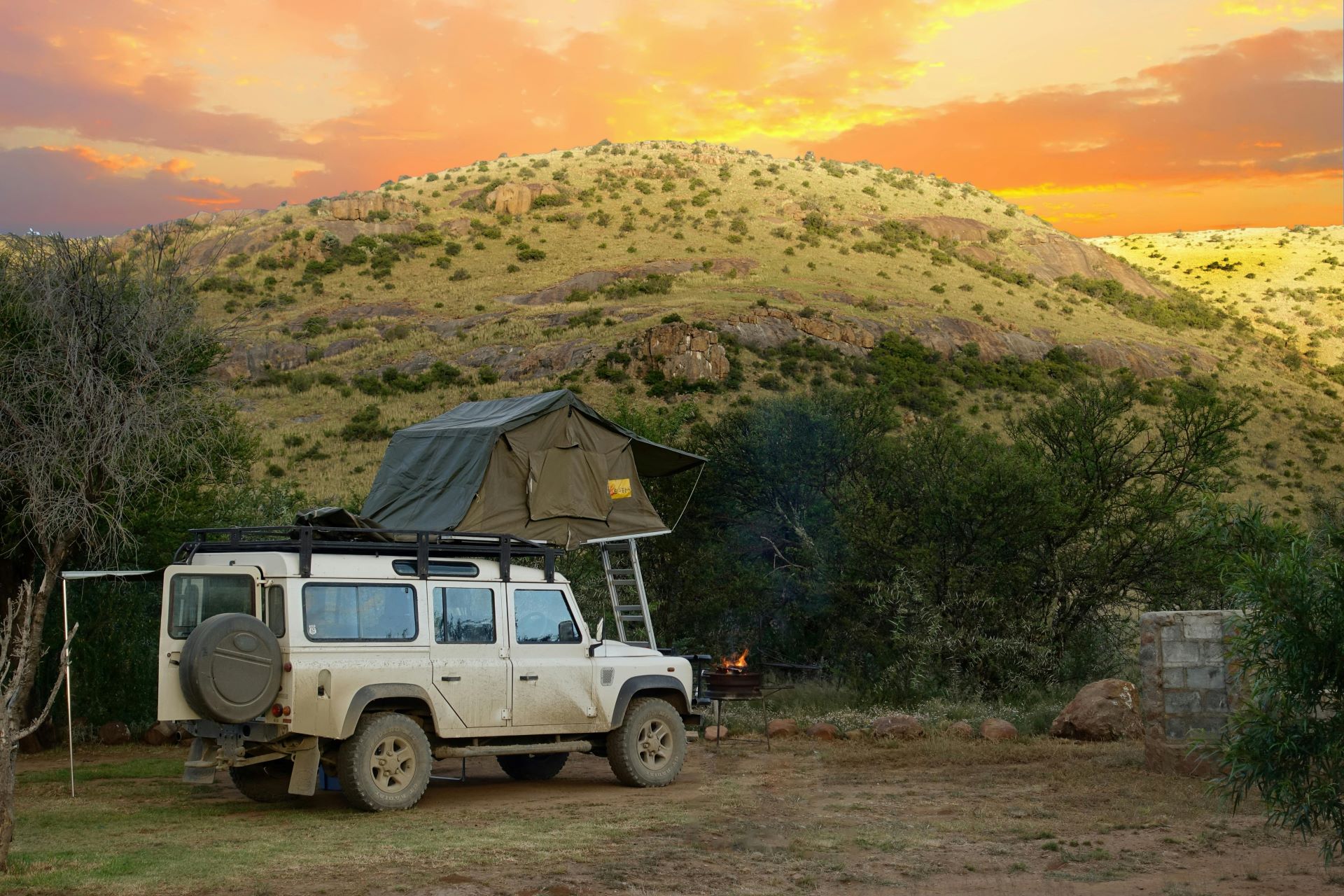
Choosing a reputable guide is crucial, as their knowledge enhances every encounter. Guides often double as educators, naturalists, and conservation ambassadors, turning ordinary sightings into memorable lessons in ecology and behaviour. Accommodations, ranging from luxury tented camps to intimate lodges, balance comfort with immersion, allowing guests to experience the wild without compromising on quality or ethical standards.
Rediscovering the Wild South Africa
For travellers who have experienced Kruger and Pilanesberg, South Africa’s off-the-beaten-path safari destinations offer an invitation to rediscover the wild through intimacy, authenticity, and adventure. Boutique game reserves, private conservancies, night safaris, walking trails, and birding tours provide an unparalleled window into the country’s rich biodiversity and conservation efforts. These experiences go beyond tourism—they cultivate connection, understanding, and respect for the natural world, ensuring that every encounter leaves a lasting impression.
Off-the-beaten-path safaris are not just about avoiding the crowds; they are about seeing, feeling, and experiencing South Africa’s wilderness in its most authentic, vibrant form. They allow guests to become part of a story that is ancient yet evolving, intimate yet expansive, luxurious yet profoundly natural. For those willing to venture beyond the familiar, South Africa promises a safari that is not only unforgettable but transformative, redefining what it means to truly engage with the wild.
Herman
Reporting from the frontlines of the South African tourism renaissance. Bridging the gap between regional stories and global audiences through elite narrative strategy.