

The Call of the Wild: South Africa’s Off-Roading Legacy
South Africa’s diverse terrain, ranging from rugged mountain passes to expansive deserts and dense bushveld, has long beckoned adventurers seeking the thrill of off-roading. For enthusiasts of 4x4 trails and overland expeditions, the country offers some of the most challenging and rewarding landscapes on the African continent. These trails are more than just dirt roads; they represent a lifestyle and a connection to nature that transcends the conventional notion of travel. Whether traversing the arid stretches of the Kalahari, negotiating the rocky ascents of the Drakensberg, or exploring the untamed wilderness of the Kruger Lowveld, off-roading in South Africa combines adrenaline with profound immersion in some of the most breathtaking environments imaginable.
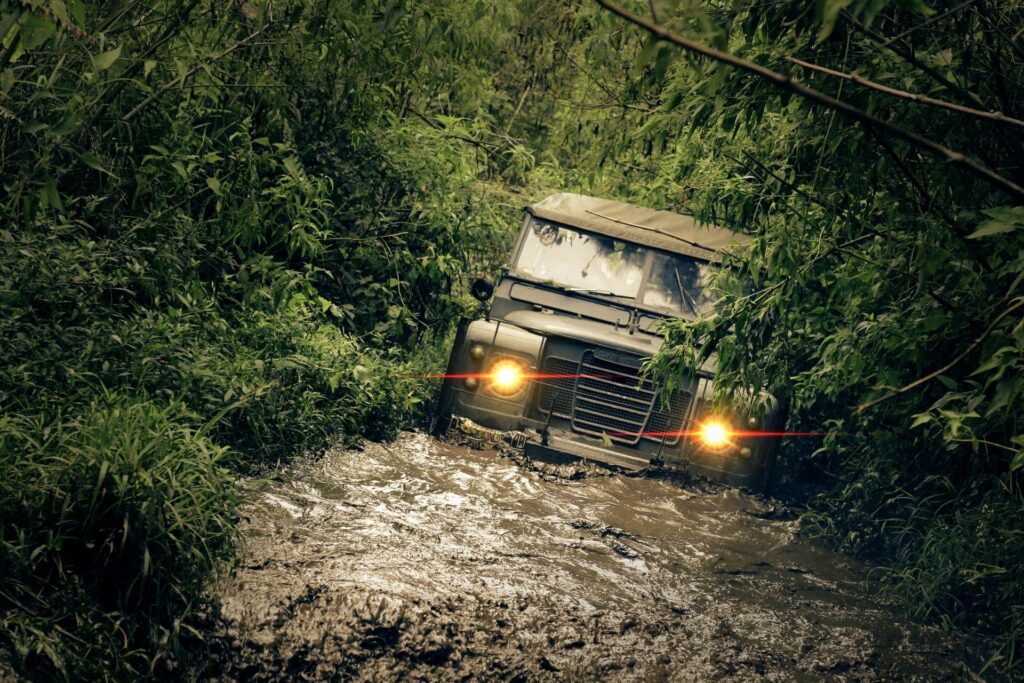
Over the decades, off-road driving has evolved from a mere recreational activity into a sophisticated discipline that demands skill, preparation, and respect for the environment. South Africa's established network of trails reflects this progression—each route carefully mapped to cater to different levels of expertise, from novice drivers to seasoned overlanders. The country’s rich off-roading culture is supported by numerous clubs, forums, and events that nurture a passionate community eager to share knowledge and experiences.
The Allure of Overlanding: Beyond the Trail
What distinguishes overlanding from typical off-road excursions is its holistic approach to exploration. It’s not solely about the destination but the journey itself—the prolonged interaction with nature, the self-reliance, and the spirit of discovery. South Africa’s trails are tailor-made for this ethos. They offer a compelling blend of rugged adventure and cultural encounter, enabling travelers to experience the country’s vast biodiversity and storied history intimately.
An overland journey often involves camping under star-studded skies, cooking over open fires, and navigating uncharted paths with the aid of GPS and traditional map reading. The discipline demands vehicles equipped for endurance and versatility, often modified with enhanced suspension systems, all-terrain tyres, and reinforced chassis to withstand the rigours of rocky, sandy, or muddy conditions. South African manufacturers and modifiers have risen to this challenge, producing bespoke 4x4 builds that are as much about reliability as they are about performance.
Moreover, overlanding in South Africa allows travellers to support rural communities along the way. Many trails intersect with small villages and farms, where visitors can engage in cultural exchange and contribute to the local economy. This dimension adds an invaluable layer to the adventure, transforming it from a solitary pursuit into a shared human experience.
Iconic 4x4 Trails: Landscapes of Challenge and Beauty
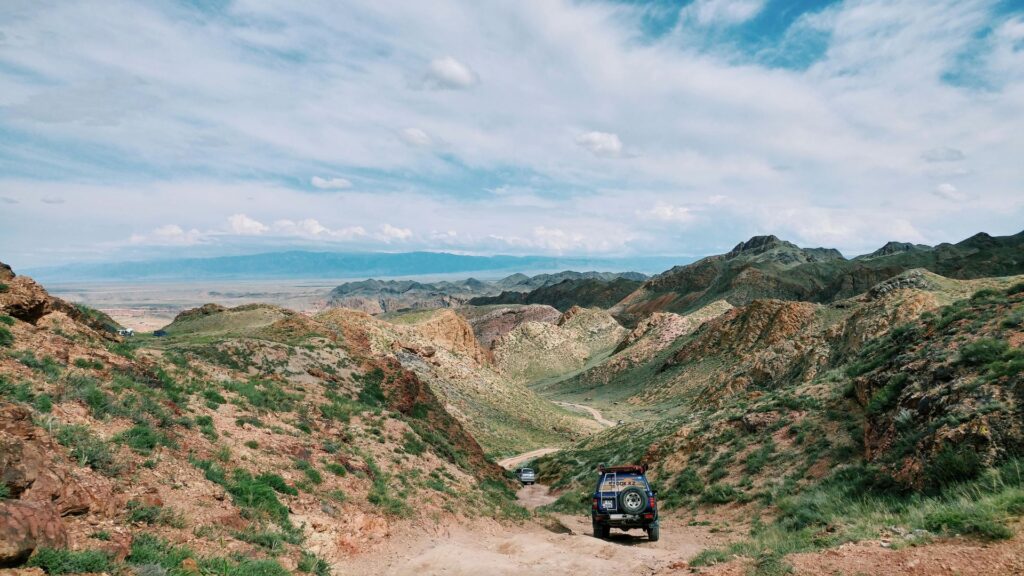
Across South Africa, several 4x4 routes have gained iconic status for their unique combination of natural beauty, technical driving challenges, and historical significance. One such trail is the famed Sani Pass, which ascends from the foothills of the Drakensberg into the highlands of Lesotho. This pass is legendary for its steep gradients, sharp bends, and breathtaking views of cliffs that plunge into lush valleys below. Driving the Sani Pass requires more than just a capable vehicle—it demands confidence, precision, and a willingness to embrace the unpredictable.
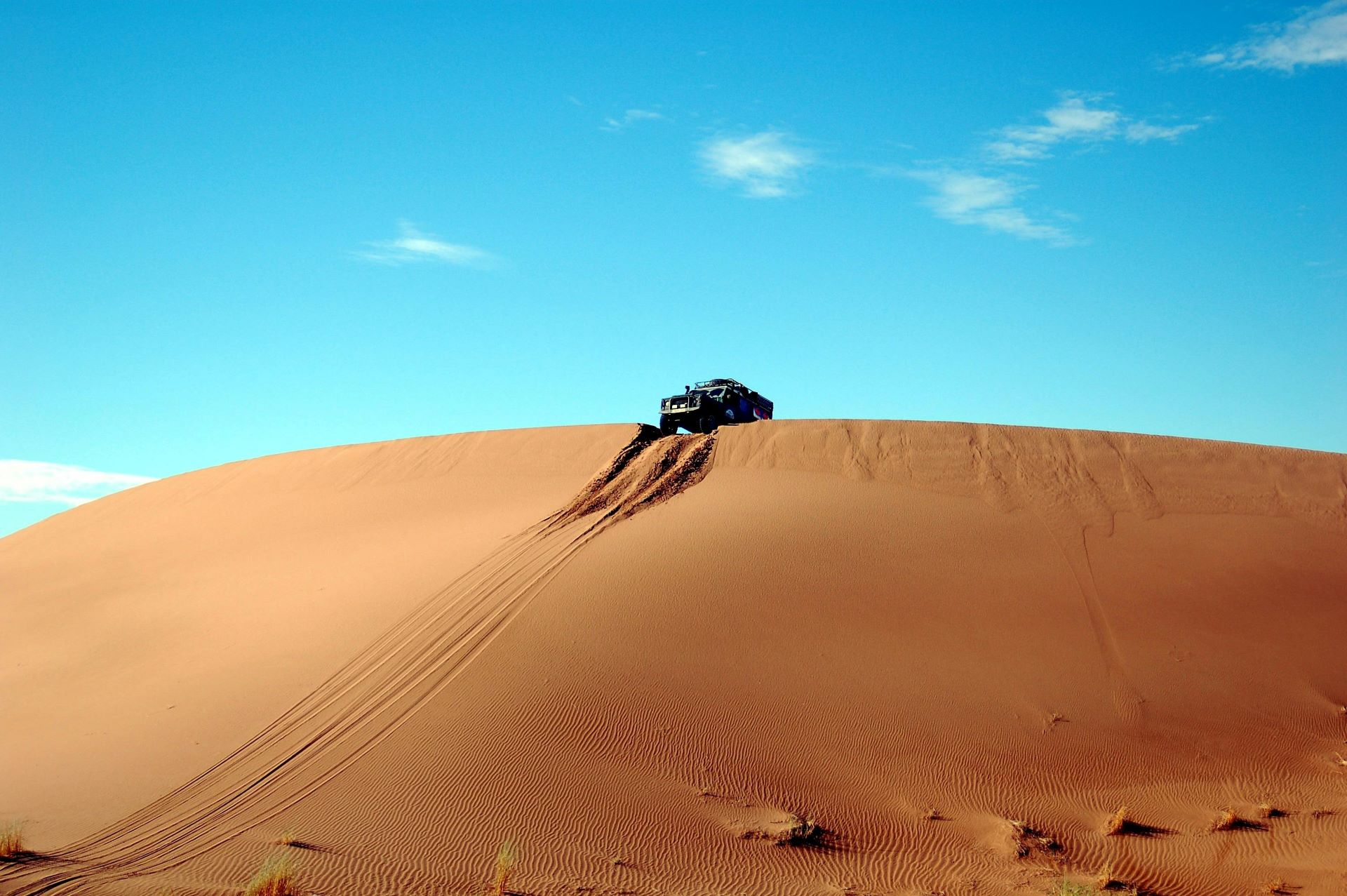
Another celebrated route is the Kalahari Desert trails, which offer a vastly different experience. The Kalahari’s red sands and sparse vegetation create a minimalist landscape that tests the driver’s endurance and navigation skills. It’s a land where the horizon stretches endlessly, and the wildlife—meerkats, gemsbok, and springbok—remind travelers of Africa’s wild heart. The Kalahari challenges off-roaders to adapt to shifting dunes and sudden weather changes, fostering a profound respect for the environment’s harshness and beauty.
Equally compelling is the Kruger National Park’s wilderness trails. While the park is globally renowned for its safari game drives, certain sections allow for off-road exploration, subject to strict regulations to preserve the ecosystem. Here, overlanders traverse tracks bordered by dense bush and ancient baobabs, with the thrill of possibly encountering elephants or lions enhancing the journey’s allure. These trails require a balance between adventure and conservation, underscoring the responsibility that comes with exploring such delicate habitats.
Preparing for the Journey: Essential Gear and Vehicle Modifications
Embarking on a South African off-road adventure requires meticulous preparation. The choice of vehicle is paramount, with many enthusiasts opting for rugged SUVs and pickups specifically designed or modified for off-road use. Key modifications typically include reinforced underbody protection, snorkels for water crossings, winches for vehicle recovery, and upgraded suspension systems to absorb the shock of uneven terrain.
Equipping the vehicle with recovery gear is non-negotiable. A high-quality recovery kit, including shackles, tow straps, and traction mats, can be the difference between a minor setback and a serious delay. Communication devices such as satellite phones and two-way radios are also vital, especially in remote areas where cellular coverage is unreliable.
Beyond the vehicle, personal gear plays a crucial role. Durable camping equipment, water purification systems, and adequate food supplies ensure that overlanders remain self-sufficient. Navigation tools, both digital and analog, help maintain orientation on complex trails where markers can be sparse. Most importantly, thorough knowledge of the route, weather conditions, and potential hazards contributes to safe and enjoyable travels.
Respecting the Land: Conservation and Ethical Off-Roading
South Africa’s natural landscapes are a precious resource, and the off-roading community recognizes the importance of preserving them. Responsible driving means adhering to designated trails, minimizing environmental impact, and respecting wildlife habitats. Many trail operators and conservation groups collaborate to maintain paths, control erosion, and promote eco-friendly practices among adventurers.
Ethical off-roading also extends to local communities. Travelers are encouraged to engage respectfully with residents, purchase local goods, and support community initiatives. By fostering positive relationships between visitors and hosts, overlanding contributes not only to personal enrichment but also to the socio-economic upliftment of rural areas.
Ronel Ferreira
Reporting from the frontlines of the South African tourism renaissance. Bridging the gap between regional stories and global audiences through elite narrative strategy.