

Where Tourism Meets Education
National parks are often seen primarily as destinations for recreation and wildlife viewing. Visitors arrive hoping to see iconic species, photograph dramatic landscapes, and experience nature away from urban life. Yet beneath this tourism appeal lies another important function. South Africa’s national parks also operate as powerful educational environments.
Across the country, protected areas managed by the South African National Parks (SANParks) serve as outdoor classrooms where visitors, students, and researchers can learn directly from living ecosystems. Instead of textbooks and lecture halls, learners encounter biodiversity in real time. Rivers, grasslands, forests, and wildlife become teaching tools that help people understand ecology, conservation, and environmental responsibility.
For the tourism sector, this educational role strengthens the long-term value of national parks. Visitors gain more than sightseeing experiences. They develop deeper knowledge of the landscapes they explore and often leave with a stronger appreciation for conservation. As environmental awareness grows globally, these learning experiences are increasingly important for sustainable tourism.
South Africa’s national parks therefore represent more than protected land. They function as dynamic learning environments where tourism, science, and education intersect.
National Parks as Natural Classrooms
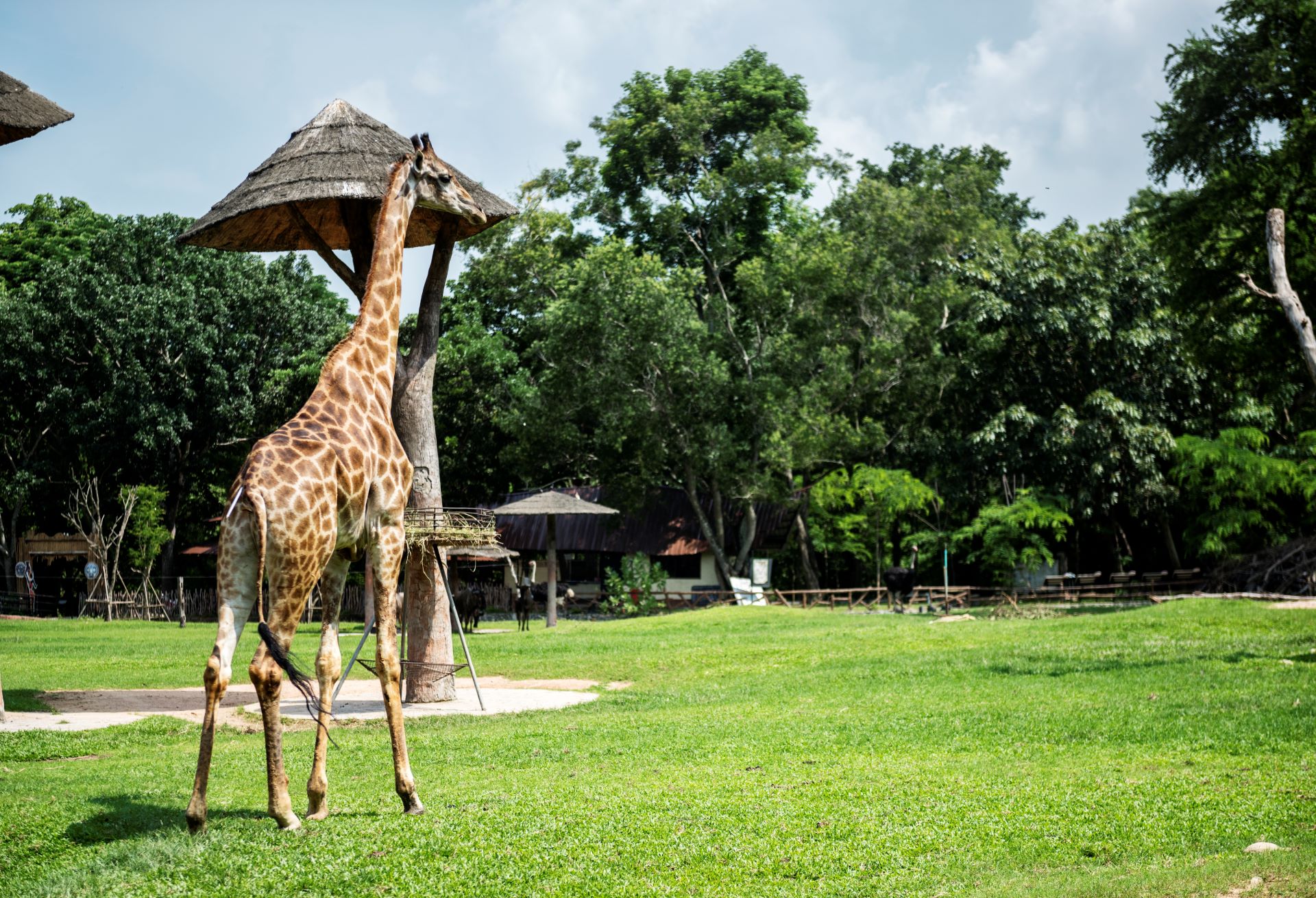
Unlike traditional educational settings, national parks provide immersive learning environments shaped by real ecological processes. The landscapes themselves become the curriculum.
Students and visitors encounter wildlife behaviour, plant communities, and geological features directly in the field. Observing animals in their natural habitats allows learners to understand ecological relationships far more effectively than abstract descriptions alone. Predator–prey interactions, seasonal migration patterns, and vegetation cycles become visible components of the learning experience.
This natural classroom approach is particularly powerful in large protected areas such as Kruger National Park. Covering nearly two million hectares, the park offers a vast and varied ecosystem where biodiversity can be studied at scale. Learners may observe elephants shaping vegetation, birds responding to seasonal rainfall patterns, or river systems supporting complex aquatic habitats.
Similarly, coastal environments within Garden Route National Park provide opportunities to explore marine ecosystems, indigenous forests, and wetland habitats. These diverse landscapes enable educators to teach concepts such as ecosystem interdependence, climate influences, and habitat conservation in ways that feel tangible and immediate.
The experience of learning in nature encourages curiosity. Visitors begin asking questions about the environment around them. Why do certain animals prefer particular habitats? How do seasonal rains influence plant growth? What role do predators play in maintaining ecological balance?
These questions transform a simple wildlife viewing trip into a deeper educational journey.
Guided Tours as Educational Experiences
Guided tours play a central role in turning national park visits into structured learning opportunities. Professional guides combine wildlife knowledge, storytelling, and environmental interpretation to help visitors understand the landscapes they explore.
Within parks managed by South African National Parks, guided activities often include game drives, bush walks, and specialised ecological tours. These experiences are designed not only to showcase wildlife but also to explain the ecological processes shaping the environment.
During a guided drive, for instance, visitors might learn how rainfall patterns influence animal movements across savannah landscapes. A guide may point out subtle signs of wildlife activity, such as tracks, dung, or feeding marks on vegetation. These observations help visitors recognise that ecosystems are complex networks of interaction rather than isolated species.
Bush walks provide even deeper educational value. Moving slowly through the landscape encourages participants to notice smaller details often overlooked during vehicle-based safaris. Insects, medicinal plants, soil types, and bird calls become part of the educational narrative.
Interpretation is key. A knowledgeable guide can connect individual sightings to broader environmental themes such as biodiversity conservation, habitat management, and human–wildlife coexistence. Through storytelling and explanation, the landscape becomes a living lesson in ecology.
These guided experiences are especially valuable for international tourists who may have limited knowledge of African ecosystems. By translating scientific concepts into accessible narratives, guides help visitors build a deeper understanding of South Africa’s natural heritage.
Environmental Education Programmes for Schools
National parks also serve as educational resources for South African schools. Environmental education programmes introduce learners to conservation principles while connecting classroom theory to real-world ecosystems.
Many initiatives organised by South African National Parks focus on providing opportunities for learners from surrounding communities to experience protected areas firsthand. These programmes are designed to inspire environmental stewardship among young people who may one day become conservation professionals, researchers, or tourism guides.
School groups visiting parks participate in structured learning activities guided by environmental educators. Lessons often focus on biodiversity, ecosystem functioning, and the importance of protecting natural resources. Learners may explore topics such as water conservation, climate change, and wildlife management.
In parks such as Table Mountain National Park, educational programmes frequently incorporate the region’s unique biodiversity. The park forms part of the globally recognised Cape Floristic Region, one of the world’s richest botanical regions. Learners studying plant diversity can observe rare fynbos species and understand why these ecosystems require careful protection.
Hands-on learning activities often include:
• Plant identification exercises
• Biodiversity observation walks
• Interactive discussions about conservation challenges
These experiences provide context for environmental topics taught in school curricula. Instead of abstract environmental concepts, learners see real examples of ecosystems under protection.
Exposure to these environments also builds emotional connections with nature. Many educators believe this connection is essential for fostering long-term environmental responsibility.
Supporting Scientific Research and Discovery
Beyond tourism and public education, national parks play a critical role in scientific research. Protected areas provide stable environments where ecosystems can be studied over long periods without the disruptive impacts of large-scale development.
Researchers from universities, conservation organisations, and international institutions conduct studies across South Africa’s national parks. Their work contributes to understanding biodiversity, climate patterns, wildlife behaviour, and ecosystem resilience.
In areas such as Addo Elephant National Park, research programmes focus on species conservation and habitat management. Studies examining elephant population dynamics help park managers make informed decisions about land use and ecological balance.
Similarly, long-term ecological research within Kruger National Park has produced valuable insights into savannah ecosystems. Scientists analyse topics ranging from predator population trends to the effects of drought on vegetation and herbivore populations.
Research activities also contribute to global environmental knowledge. Data collected in South African parks helps scientists understand broader issues such as climate change, biodiversity loss, and ecosystem adaptation.
For visitors, this research presence often enhances the educational experience. Interpretation centres, exhibitions, and ranger presentations frequently incorporate scientific findings. Tourists learn not only about wildlife but also about the ongoing research that supports conservation strategies.
In this way, national parks function as both tourist destinations and living laboratories.
Citizen Science and Visitor Participation
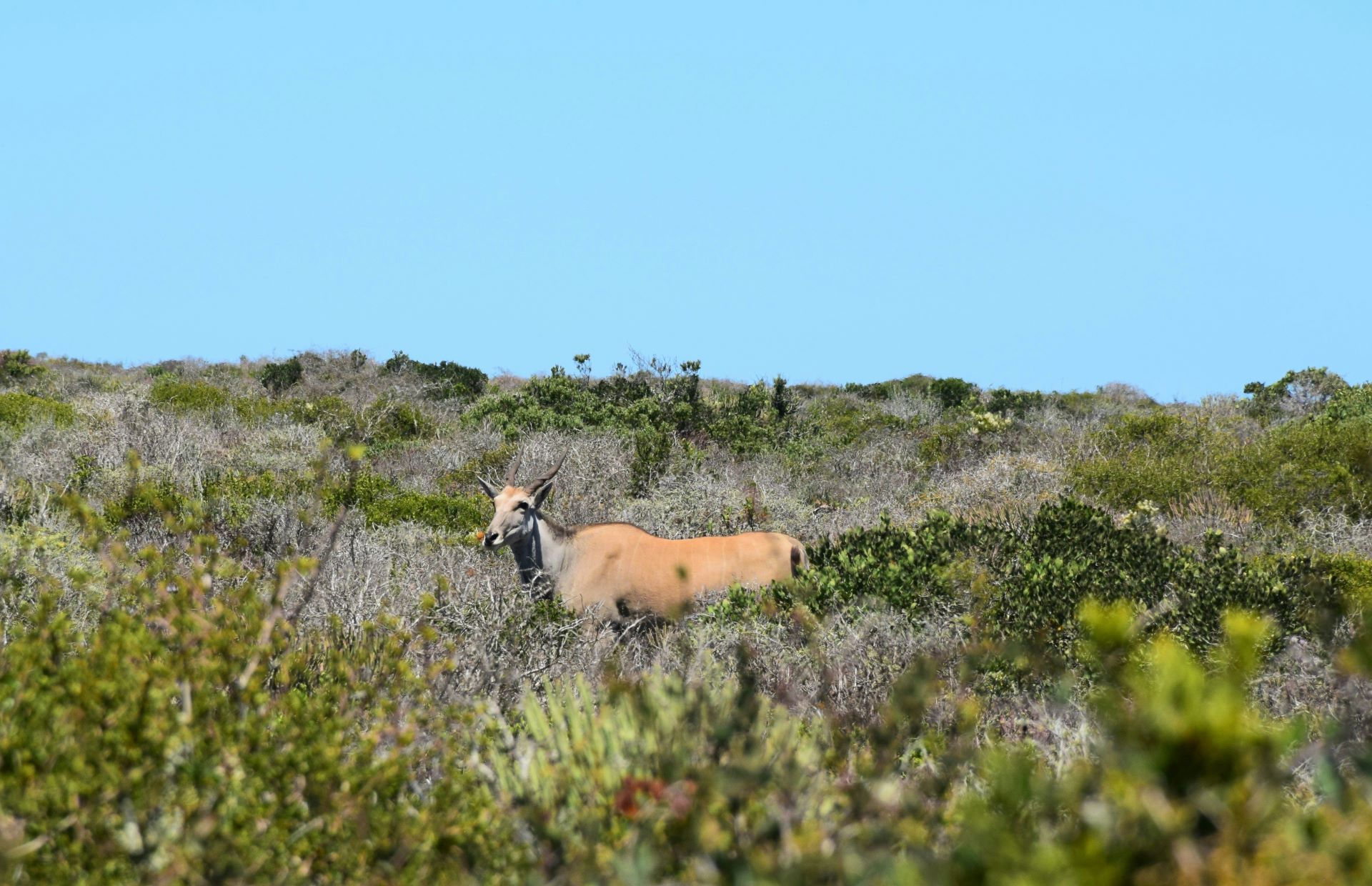
An emerging dimension of educational tourism involves citizen science. Visitors increasingly participate in scientific data collection while exploring national parks.
Citizen science programmes allow tourists to contribute observations that support conservation research. Participants might record bird sightings, photograph wildlife for identification databases, or log environmental conditions during their visits.
These initiatives create meaningful engagement with the environment. Instead of passively observing wildlife, visitors become active contributors to conservation knowledge.
In parks like Kruger National Park, tourists frequently share wildlife sightings through digital platforms that assist researchers in tracking species movements. Birdwatchers, photographers, and amateur naturalists often provide valuable data that complements formal research efforts.
Citizen science also strengthens environmental awareness. Participants gain a deeper understanding of biodiversity monitoring and conservation challenges. This involvement transforms tourism into a collaborative learning experience where visitors contribute directly to environmental knowledge.
For the tourism industry, such programmes create new opportunities to connect travellers with conservation initiatives.
Interpretation Centres and Educational Infrastructure
Many national parks include visitor centres designed specifically for educational purposes. These facilities help contextualise the landscapes visitors explore.
Interpretation centres often feature interactive exhibits, ecological displays, and multimedia presentations that explain the natural history of a region. Visitors can learn about geological formations, wildlife habitats, and conservation challenges before heading into the field.
Within Golden Gate Highlands National Park, visitor facilities highlight the dramatic sandstone formations that define the park’s landscape. Educational displays explain how geological processes shaped the region over millions of years.
Interpretation infrastructure also provides opportunities to showcase indigenous knowledge and cultural heritage. Many parks integrate local history into educational narratives, acknowledging the communities historically connected to these landscapes.
This integration helps visitors understand that national parks represent not only ecological resources but also cultural landscapes shaped by human history.
Educational infrastructure therefore enhances both tourism and learning. Visitors leave with a broader understanding of the natural and cultural significance of the areas they explore.
Community Outreach and Conservation Awareness
National parks do not operate in isolation. Many protected areas are surrounded by rural communities that interact closely with conservation landscapes.
Educational outreach programmes aim to build strong relationships between parks and neighbouring communities. These initiatives promote environmental awareness while highlighting the economic opportunities linked to sustainable tourism.
Through workshops, school visits, and conservation awareness campaigns, organisations like South African National Parks encourage local residents to participate in environmental stewardship.
Community education initiatives often focus on practical topics such as wildlife coexistence, sustainable resource use, and the benefits of biodiversity protection. By sharing knowledge about ecosystem services and tourism revenue, park authorities help demonstrate the long-term value of conservation.
Tourism can also play a role in these educational efforts. Cultural tours and community-based tourism experiences allow visitors to learn about local traditions while supporting nearby communities economically.
This relationship between parks, education, and community engagement strengthens the sustainability of conservation initiatives across South Africa.
The Future of Learning in National Parks
As environmental challenges intensify globally, the educational role of national parks is becoming increasingly important. Climate change, biodiversity loss, and habitat degradation require greater public awareness and understanding.
Protected areas offer ideal environments for communicating these issues. Visitors experiencing ecosystems firsthand are often more receptive to conservation messages than those learning through distant media or theoretical discussions.
Technology is also expanding educational possibilities. Digital interpretation tools, mobile applications, and interactive exhibits allow parks to share scientific information with visitors in new ways. Virtual guides, augmented reality experiences, and real-time wildlife tracking systems are beginning to appear in protected areas around the world.
For South Africa’s tourism sector, these developments present opportunities to enhance visitor engagement while strengthening conservation education. National parks can continue evolving as destinations where recreation and learning occur simultaneously.
The landscapes that attract tourists today may also inspire the conservation leaders of tomorrow.
Education at the Heart of Conservation Tourism
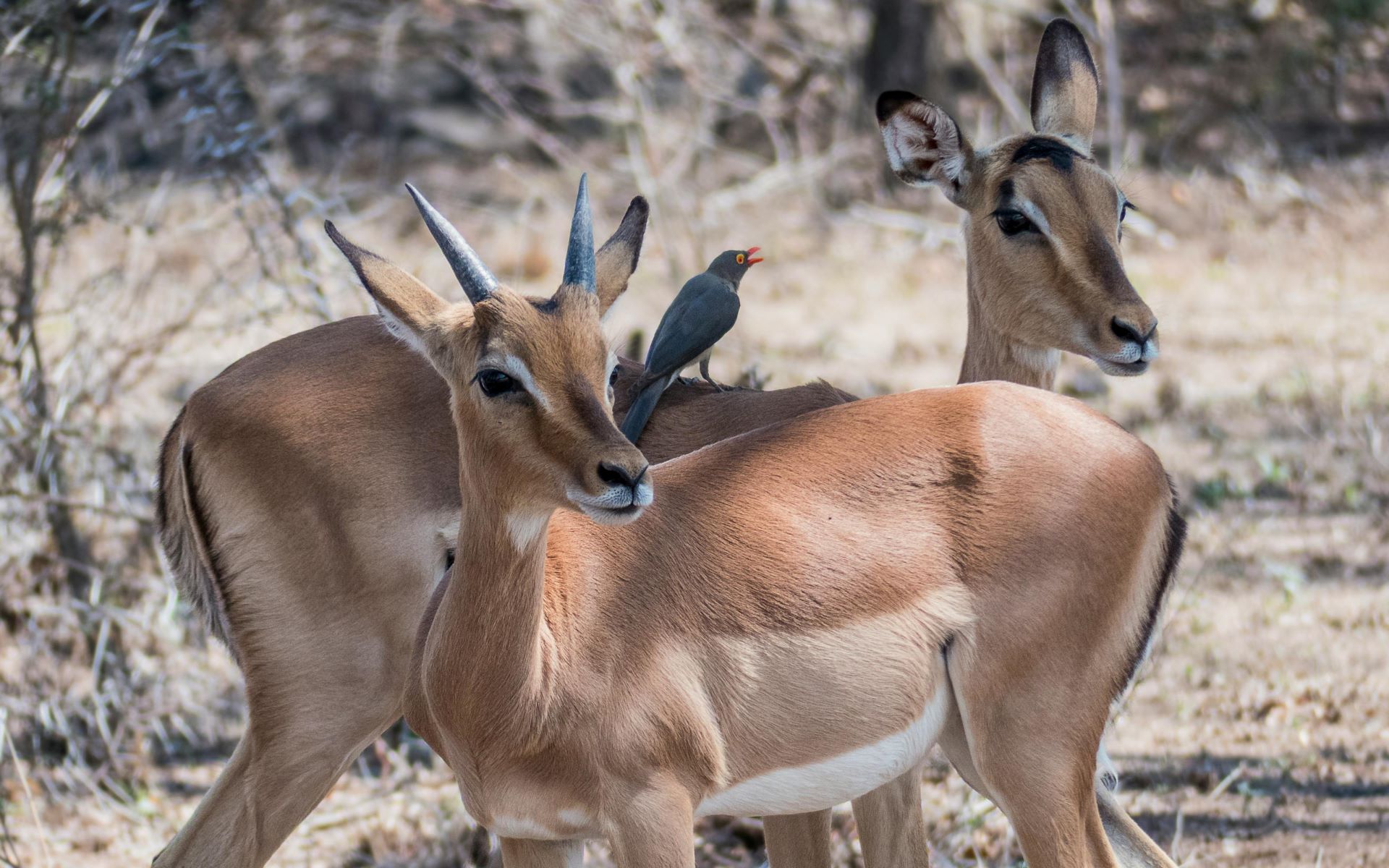
South Africa’s national parks occupy a unique position within the country’s tourism landscape. While they remain iconic wildlife destinations, their educational value is equally significant.
Through guided tours, school programmes, research initiatives, and community outreach, these protected areas function as powerful learning environments. Visitors encounter ecosystems directly, gaining insights into biodiversity, conservation, and environmental responsibility.
Institutions such as South African National Parks play a central role in facilitating this educational mission. By integrating tourism with environmental learning, they ensure that national parks serve not only as protected landscapes but also as platforms for knowledge and awareness.
As global interest in sustainable tourism continues to grow, the educational role of national parks will likely become even more prominent. These landscapes are more than scenic destinations. They are living classrooms where nature teaches lessons that extend far beyond park boundaries.
Mandla Ndlovu
Reporting from the frontlines of the South African tourism renaissance. Bridging the gap between regional stories and global audiences through elite narrative strategy.