

South Africa beckons the adventurous traveler with a tapestry of landscapes that defy convention. Beyond the well-trodden routes of major cities and popular resorts lie secret pockets of wilderness, each offering a distinctive escape into tranquility and raw natural beauty. In this land of contrasts, from rugged coastlines and ancient mountains to vast semi-deserts and blooming wildflower fields, off-the-grid destinations promise not only breathtaking scenery but also a soulful journey into the heart of the country’s cultural and ecological heritage.
Imagine trading the ceaseless buzz of urban life for the silent majesty of starlit skies, or discovering a hidden valley where indigenous art and age-old traditions whisper tales of times long past. These destinations invite you to step off the beaten track and immerse yourself in experiences that nourish both body and spirit. Whether you’re seeking adventure through challenging hikes, reflective solitude under an endless sky, or genuine encounters with local communities, South Africa’s remote corners deliver in abundance.
Throughout this article, we will explore ten remarkable off-the-grid destinations, each unique in its geography, cultural heritage, and opportunities for sustainable exploration. Expect to find practical travel advice alongside inspiring narratives that capture the essence of these hidden gems. Let your curiosity be your compass as we journey into a realm where nature’s wonders and warm local hospitality combine to create memories that last a lifetime.
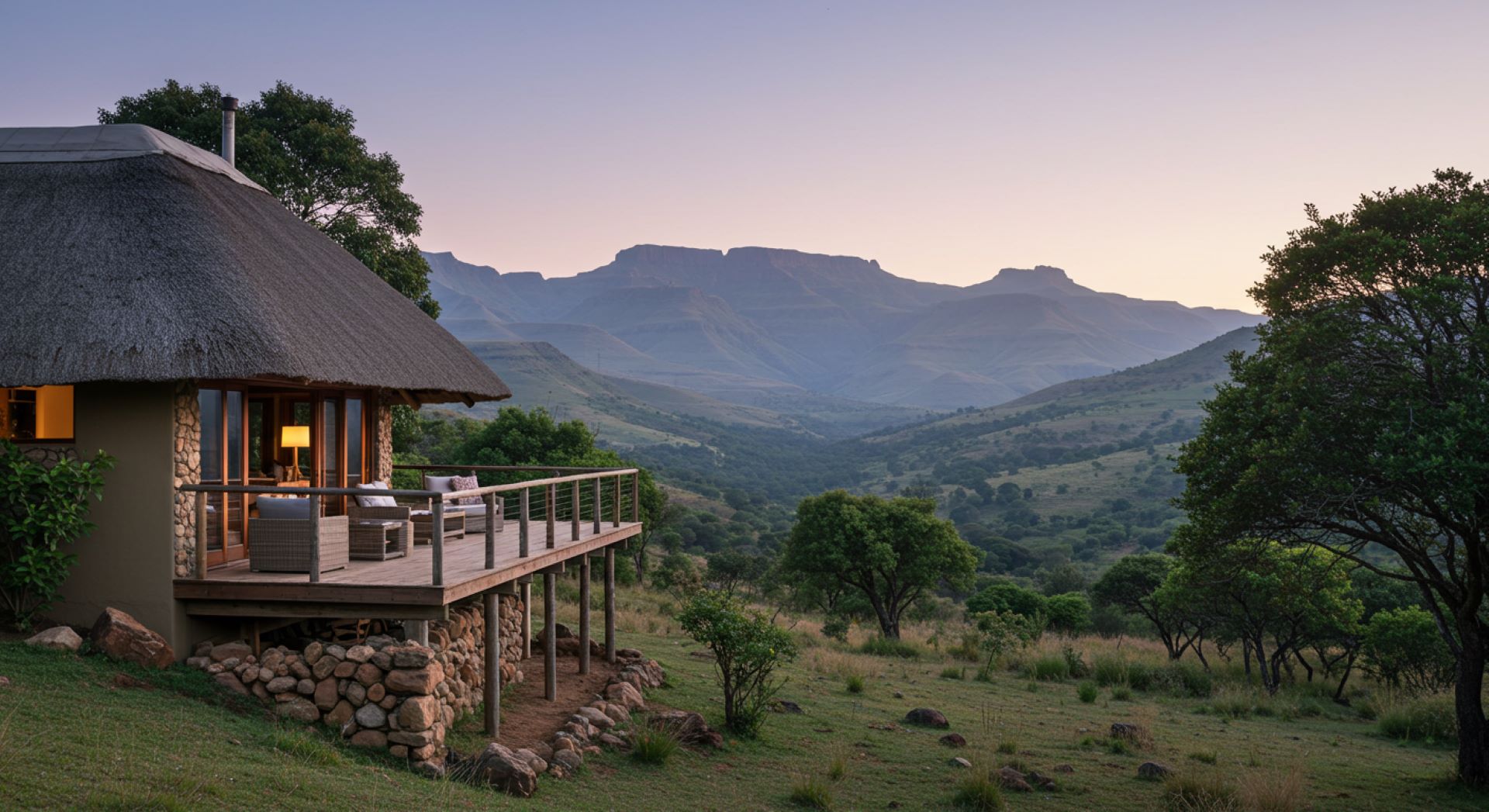
Cederberg Mountains
Nestled in the rugged landscapes of the Western Cape, the Cederberg Mountains epitomize an escape into a timeless wilderness. With dramatic sandstone formations etched by the forces of nature and ancient San rock art adorning its craggy outcrops, the Cederberg exudes an aura of mystery and history. The terrain, bathed in hues of red and ochre, offers a playground for hikers and rock climbers alike. As you traverse well-worn trails, the whisper of the wind through the fynbos and the distant call of indigenous birds create a symphony of natural sounds that soothe the soul.
Adventurers will delight in the region’s array of activities—from challenging treks that lead to panoramic vistas to more leisurely walks that invite reflection at secluded rock shelters. Nightfall transforms the mountains into an astronomical haven; the absence of light pollution reveals a celestial dome awash with stars. Practical tips for visitors include opting for a self-drive adventure with a sturdy vehicle, scheduling trips during spring or autumn for milder weather, and ensuring you have ample water and supplies, as facilities are sparse.
Local culture plays a significant role in the Cederberg experience. The area’s rich San heritage is celebrated through guided tours that explain the significance of rock engravings and indigenous practices. Eco-friendly lodges and campsites scattered throughout the region emphasize sustainability, ensuring that future generations can also revel in this natural splendor. Many travelers recall their time here as a transformative experience—a moment when they truly connected with nature’s pulse, leaving behind the clamor of modern life and embracing a slower, more deliberate rhythm of existence.
The Heart of the Karoo
In the vast expanse of the Karoo, an unyielding semi-desert stretches out under an endless sky, offering an unparalleled sense of solitude and introspection. This arid heartland of South Africa is not merely a barren wilderness; it is a landscape of surprising contrasts. Here, the sparse vegetation and rugged terrain are interspersed with dramatic rock formations, meandering dirt roads, and clusters of quaint settlements that echo stories of bygone eras.
Travelers venturing into the Karoo soon learn that this region is a master class in quiet beauty. With a backdrop of crystal-clear nights where the Milky Way unfurls overhead, stargazing becomes a meditative ritual. Daytime adventures might include exploring historical towns where centuries-old architecture stands as testament to the resilient spirit of the local people. The region is also famed for its culinary delights, with small family-run eateries serving hearty, authentic Karoo fare that nourishes both body and soul.
Practical travel advice is essential in this remote setting. A four-wheel-drive vehicle is recommended to navigate the sometimes challenging, unpaved roads, and planning visits during the shoulder seasons of spring or autumn can help avoid the extremes of summer heat and winter chill. Engaging with local residents reveals a rich tapestry of stories and traditions—hospitality here is not just a service but a way of life. Many visitors recount the warmth of impromptu gatherings at local farmhouses, where the simplicity of life becomes a powerful lesson in living fully.
Sustainability is a growing focus in the Karoo, with several eco-conscious initiatives promoting responsible tourism. This commitment to preserving the stark yet stunning environment ensures that the Karoo remains a pristine canvas for those who seek a genuine connection with nature and history.
The Untamed Wild Coast
Stretching along the Eastern Cape, the Wild Coast is a realm where untamed natural beauty meets deep-rooted cultural traditions. With its dramatic cliffs, secluded coves, and windswept beaches, this stretch of coastline is a haven for travelers seeking a rugged yet serene escape. The Wild Coast’s charm lies in its raw, unspoiled character—where the pounding surf mingles with the calls of coastal birds and the salty air carries whispers of ancient lore.
For the intrepid explorer, the Wild Coast offers a cornucopia of activities. Coastal hikes reveal hidden waterfalls and secret tide pools, while opportunities for birdwatching and even the occasional surfing session add an element of adventure to the journey. The region is best explored at a leisurely pace; allow time to meander along its labyrinthine paths and engage with the vibrant local communities who inhabit this dramatic landscape.
Local culture is woven intricately into the fabric of the Wild Coast experience. The indigenous Xhosa people, renowned for their rich oral traditions and exquisite crafts, welcome visitors with open arms. Travelers can participate in cultural tours that showcase traditional music, dance, and culinary delights, all while learning about the history and contemporary life of these resilient communities. Eco-friendly accommodations dot the coastline, ensuring that tourism here remains sustainable and that the pristine environment is carefully preserved.
Practical tips include planning visits during the dry season when the weather is mild and the coastal trails are most accessible. Whether it’s an early morning walk along a deserted beach or an evening spent around a communal fire sharing stories with locals, the Wild Coast promises an immersive experience that rejuvenates the spirit and ignites the imagination.
Augrabies Falls National Park
In the remote expanses of the Northern Cape lies Augrabies Falls National Park, a destination where nature’s raw power is on full display. Dominated by the thundering Augrabies Falls—where the Orange River plunges into a deep gorge—this park is a testament to the dramatic beauty of South Africa’s wilderness. The interplay of water and stone, sculpted over millennia, creates an ever-changing landscape that captivates the senses and inspires awe in every visitor.
The park is an adventurer’s playground. Hiking trails wind along the edges of the falls and through the surrounding bushveld, offering spectacular vantage points from which to witness the waterfall’s might. Photography enthusiasts find endless inspiration in the interplay of light and mist, while nature lovers revel in the chance to observe local flora and fauna adapted to this extreme environment. Safety is paramount, and visitors are advised to keep a respectful distance from the water’s edge and heed local guidelines during high water flows.
Local lore adds another layer of intrigue to Augrabies Falls. Indigenous communities have long revered the site, weaving myths and legends around the cascading waters. Guided tours often include insights into these cultural narratives, providing a richer context to the raw physical beauty of the park. Eco-friendly practices are also evident, as park authorities and local operators work together to ensure minimal environmental impact while offering immersive experiences.
Many travelers recount personal moments of quiet reflection as they stand before the roaring falls, feeling the spray on their faces and hearing the timeless song of nature. Such encounters are transformative, fostering a deeper appreciation for the delicate balance between human activity and natural preservation. Whether you’re an avid hiker, a photography buff, or simply a seeker of wonder, Augrabies Falls National Park offers an unforgettable journey into one of South Africa’s most dramatic landscapes.
Drakensberg – The Majestic Mountain Range
Rising majestically in KwaZulu-Natal, the Drakensberg Mountains command attention with their soaring peaks and rugged ridges. Often described as a natural fortress, this mountain range offers a refuge from modern life, where the whisper of ancient legends is as palpable as the crisp mountain air. The Drakensberg is not just a destination for the avid hiker or rock climber—it is a vibrant mosaic of history, culture, and natural splendor.
Trails of varying difficulty wind through lush valleys and up steep escarpments, leading adventurers to breathtaking viewpoints. Each step along these paths reveals a panorama of rugged landscapes, from glistening streams and cascading waterfalls to vast expanses of unspoiled wilderness. The region is renowned for its well-maintained eco-lodges and mountain retreats that champion sustainable tourism, ensuring that the natural beauty of the Drakensberg remains untouched for future generations.
Cultural immersion is integral to the Drakensberg experience. The area is steeped in Zulu tradition, and many local villages offer authentic cultural tours where visitors can learn about age-old customs, traditional music, and indigenous crafts. Engaging with the local community not only enriches your travel experience but also supports small businesses and preserves cultural heritage. Practical advice for visiting includes packing layers for unpredictable mountain weather, hiring local guides who know the terrain intimately, and scheduling hikes during the drier months to ensure safe and enjoyable exploration.
For many travelers, the Drakensberg is more than just a physical destination—it is a place of introspection and renewal. The interplay of rugged terrain and gentle hospitality creates moments of unexpected beauty and profound calm. Whether you’re scaling a challenging peak or simply savoring a quiet moment by a mountain stream, the Drakensberg offers a timeless escape into a world where nature and culture dance in perfect harmony.
Kgalagadi Transfrontier Park
Spanning the borders of South Africa and Botswana, Kgalagadi Transfrontier Park is a realm of vast desert landscapes and unspoiled wilderness. This expansive park, with its rolling red sands and sparse, wind-sculpted vegetation, offers a glimpse into one of Africa’s most remote and mesmerizing environments. Here, the silence of the desert is punctuated only by the rustle of the wind and the distant call of wild animals, creating an atmosphere of serene isolation that is both humbling and exhilarating.
Wildlife enthusiasts will find Kgalagadi a true haven. The park is home to a fascinating array of creatures adapted to the harsh desert conditions, including the iconic black-maned Kalahari lions, stealthy cheetahs, and a variety of antelope species. Self-guided drives and guided game trails provide ample opportunities to witness these animals in their natural habitat. For those who prefer a more intimate encounter with nature, overnight camping under a star-filled sky is an experience that stays with you long after you’ve left the desert behind.
Travel logistics in Kgalagadi require careful planning. The remoteness of the park means that visitors should be well-prepared with adequate supplies, fuel, and emergency provisions. Many opt for guided tours or self-drive safaris with vehicles equipped for off-road adventures. Seasonal conditions are key; the best time to visit is during the cooler months, when the daytime heat is tempered by refreshing desert breezes.
Local guides, often descendants of communities that have thrived in the region for generations, enrich the visitor experience with stories and insights about the desert’s secrets and its cultural heritage. These personal anecdotes, coupled with a genuine respect for the environment, underscore the importance of sustainable tourism in such a fragile ecosystem. For many, the vast, silent expanse of Kgalagadi is not merely a destination—it is a pilgrimage into the heart of nature’s resilience and beauty.
The Scenic Panorama Route
Winding through the dramatic landscapes of Mpumalanga, the Panorama Route is a visual feast that captivates the senses at every turn. This scenic drive offers travelers an immersive journey through a land where deep gorges, cascading waterfalls, and vibrant valleys converge to create a painterly tableau of natural wonder. From the moment you set off on this route, it becomes clear that you are traversing an area that is as rich in geological history as it is in breathtaking beauty.
The Panorama Route is best experienced at a relaxed pace, with plenty of stops to fully absorb the vistas. Popular attractions along the way include the breathtaking Blyde River Canyon, one of the largest canyons on Earth, and hidden waterfalls that cascade into pristine pools. Hiking trails, photography spots, and cozy picnic areas invite you to pause and reflect on the marvels that surround you. The route is also dotted with charming villages where local crafts and produce offer a taste of regional life.
Cultural immersion along the Panorama Route is equally rewarding. The small towns that dot the landscape are home to artisans and storytellers who celebrate the area’s rich heritage. Visitors are welcomed into local homes, invited to sample traditional delicacies, and encouraged to learn about the customs that have shaped this part of Mpumalanga. Eco-friendly initiatives are well established here, with many tour operators and lodges committed to preserving the pristine environment while promoting responsible travel.
Practical advice includes ensuring your vehicle is in good condition for the winding roads, planning your stops ahead of time, and visiting during the mild, dry months when the scenery is at its most vivid. Many travelers share memories of impromptu stops at roadside lookout points where, for a brief moment, the world seems to pause—allowing a deep, personal connection with the vast, colorful canvas that is the Panorama Route.
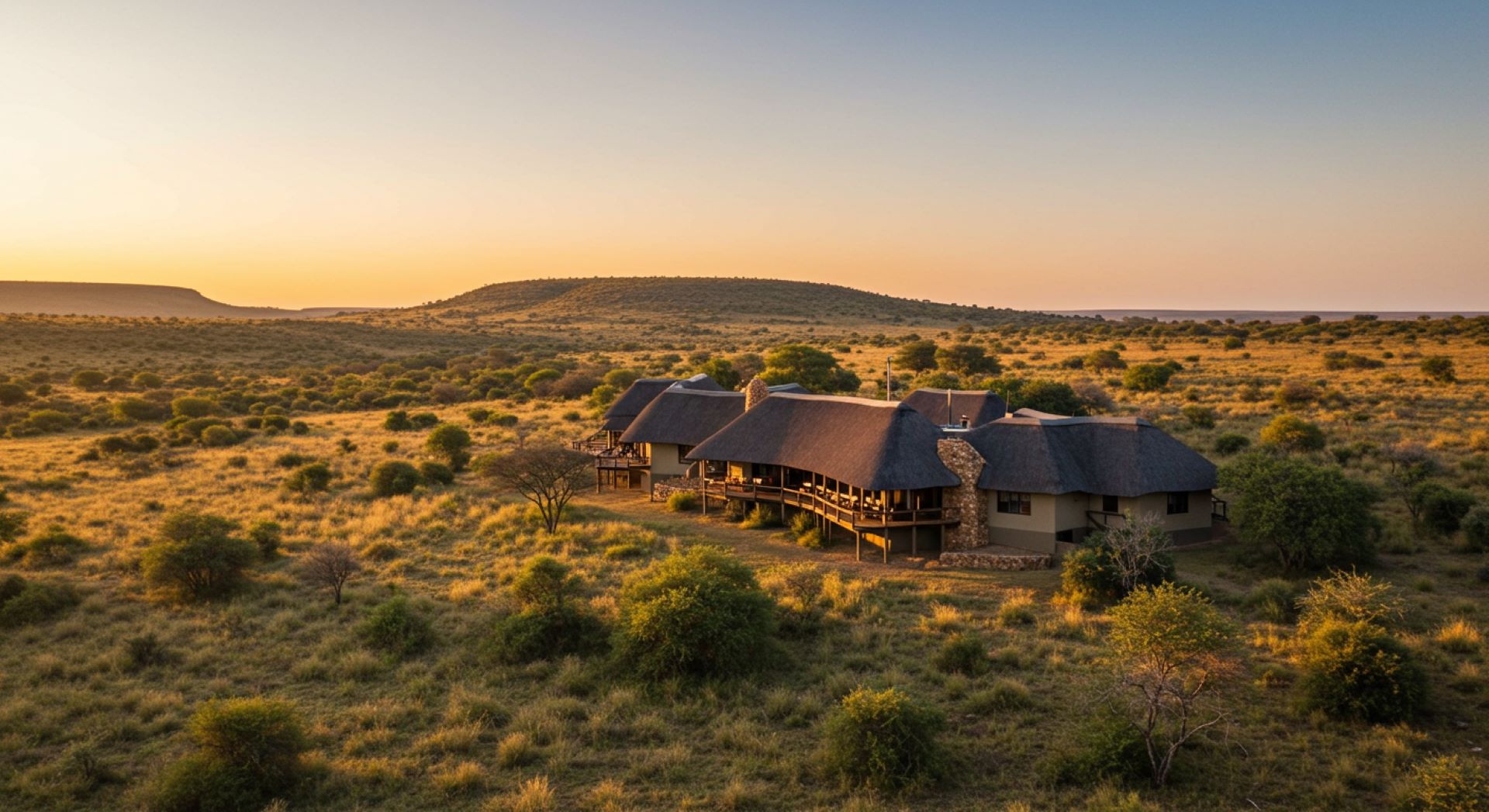
Magaliesberg: An Ancient Retreat
Just a short drive from the bustle of Gauteng lies the timeless sanctuary of Magaliesberg. This ancient mountain range, steeped in both geological and cultural history, offers a refreshing escape into a world where nature’s rhythm dictates the pace of life. With its rolling hills, dense forests, and serene river valleys, Magaliesberg is the perfect setting for travelers who crave an off-the-grid retreat without straying too far from civilization.
The area is a magnet for outdoor enthusiasts. Whether you’re hiking along well-marked trails, embarking on a thrilling canopy tour, or simply birdwatching in the early morning light, Magaliesberg promises encounters with nature that are both invigorating and deeply calming. Eco-retreats and boutique lodges nestled in the foothills emphasize sustainability, ensuring that visitors experience the beauty of the region with minimal environmental impact.
Cultural richness flows through Magaliesberg, where local legends and historical narratives are intertwined with the landscape. Storytelling sessions hosted by local guides recount tales of ancient battles, indigenous folklore, and the pioneering spirit that shaped the region. Visitors are encouraged to engage with local artisans and sample regional specialties, from freshly brewed herbal teas to traditional dishes prepared with locally sourced ingredients. Such experiences not only enhance the travel narrative but also support the community’s commitment to sustainable tourism.
Practical tips for exploring Magaliesberg include opting for guided hikes to fully appreciate the area’s natural and cultural heritage, planning visits during the region’s mild seasons, and ensuring that you carry water and a good pair of hiking boots. Many who have wandered these ancient slopes speak of the profound sense of calm and renewal that comes from reconnecting with a simpler, more natural way of life—a feeling that stays with you long after you leave.
Namaqualand: A Blooming Desert Miracle
Every year, Namaqualand transforms from a seemingly barren desert into a vibrant canvas of color. Located in the Northern Cape, this unique region is celebrated for its extraordinary wildflower displays that herald the arrival of spring. The delicate interplay of floral hues against the rugged backdrop of arid terrain creates a spectacle that enchants visitors and beckons them to explore further.
In Namaqualand, nature’s artistry is on full display. Trails winding through the desert reveal carpets of daisies, succulents, and endemic wildflowers that bloom in a riot of colors, turning the harsh landscape into a living masterpiece. The region is not only a photographer’s paradise but also a haven for those seeking moments of reflective solitude. Whether you’re taking a leisurely walk amidst the blossoms or venturing on a more challenging off-road drive, every step in Namaqualand offers a sensory delight.
Local communities play a vital role in preserving and celebrating this natural wonder. Farmers and indigenous groups have long coexisted with the desert’s rhythms, and their deep-rooted traditions are evident in the local crafts, music, and storytelling. Cultural festivals held during the wildflower season further enrich the visitor experience, offering insights into traditional practices and the enduring relationship between the people and the land. Eco-tourism initiatives in the area emphasize conservation, ensuring that the delicate balance of this blooming miracle is maintained for future generations.
Practical advice for a trip to Namaqualand includes planning your visit during the peak blooming period—typically between August and September—securing a reliable mode of transport for off-road conditions, and packing appropriate sun protection. Many travelers fondly recall the overwhelming sense of wonder they felt upon witnessing the transformation of the desert—a reminder that even the harshest landscapes can be capable of producing extraordinary beauty. In Namaqualand, every flower tells a story of resilience and hope, inviting you to pause, reflect, and celebrate the marvels of nature.
Waterberg Region: A Savanna Sanctuary
In the far north of South Africa, the Waterberg region rises as a dramatic tableau of sandstone cliffs, rolling savannahs, and meandering rivers. This hidden sanctuary in Limpopo offers a rare blend of rugged natural beauty and intimate cultural encounters, making it one of the most rewarding off-the-grid destinations in the country. Here, the landscape unfolds like a vast open-air gallery where nature and human heritage converge in perfect harmony.
Waterberg is a playground for the curious traveler. Wildlife safaris through private game reserves reveal elusive antelope, majestic elephants, and even the occasional leopard, all seen against a backdrop of ancient rock formations. For the more adventurous, hiking trails crisscross the region, leading to secluded lookouts that provide panoramic views of the vast plains and dramatic cliffs. Eco-friendly lodges and camps offer an immersive experience, where modern comforts blend seamlessly with the rugged charm of the landscape.
Engaging with the local culture in Waterberg is an enriching experience. The region’s communities are known for their warm hospitality and rich traditions, offering visitors a chance to sample authentic cuisine, learn about indigenous healing practices, and even participate in community-led heritage tours. Traditional music, dance, and storytelling sessions provide a window into a way of life that has adapted gracefully to the rhythms of nature. This cultural exchange is deeply intertwined with sustainable tourism initiatives, ensuring that every visitor leaves with a deeper respect for the land and its people.
For those planning a visit, practical tips include booking eco-lodges well in advance during the dry season—when wildlife is most visible—and considering guided tours to safely navigate the expansive terrain. Many travelers recount their time in Waterberg as a transformative journey, where the golden hues of a savannah sunset and the quiet murmur of nature instilled a sense of renewal and purpose. In Waterberg, every moment is an invitation to explore, connect, and be inspired by the enduring spirit of South Africa’s wilderness.
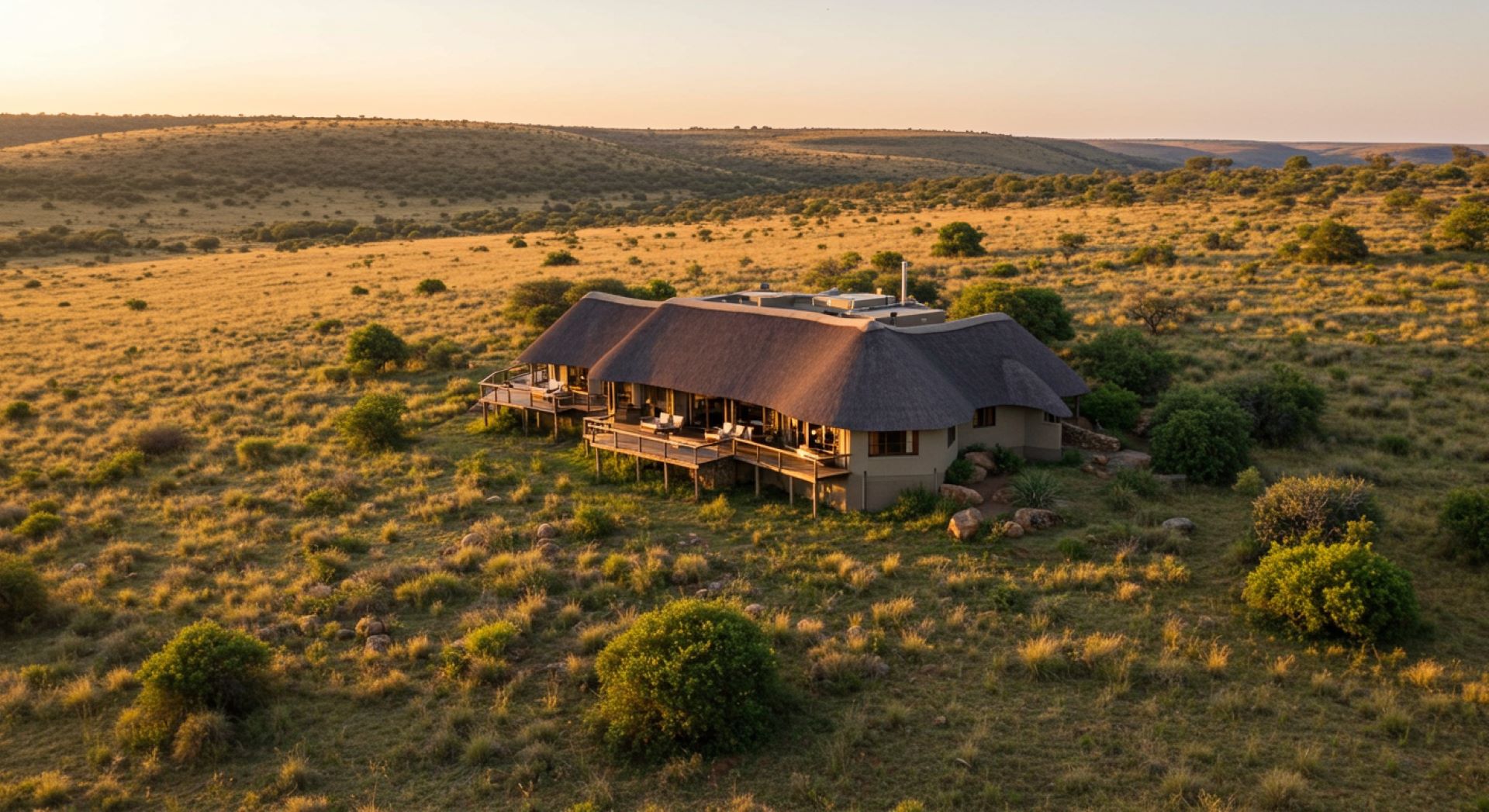
South Africa’s off-the-grid destinations are not merely remote escapes; they are gateways to experiences that transform the way we see the world. From the mystical landscapes of the Cederberg Mountains and the serene solitude of the Karoo to the vibrant cultural tapestry of the Wild Coast and the awe-inspiring power of Augrabies Falls, every destination offers a unique narrative steeped in nature’s beauty and local heritage.
These hidden gems invite travelers to disconnect from the chaos of modern life and reconnect with a more authentic, sustainable way of being. Whether you’re hiking through ancient mountain ranges, gazing at starlit skies in the desert, or engaging in genuine cultural exchanges with local communities, each journey reinforces the idea that adventure is not measured solely by distance traveled, but by the moments of wonder and introspection along the way.
As you plan your next adventure, consider venturing off the beaten path into these remote corners of South Africa. Embrace the unknown, savor every sensory detail, and let the optimism of discovery guide you. In a world that often feels overwhelmingly fast-paced, these off-the-grid destinations offer a gentle reminder: the true joy of travel lies in the moments when you pause, breathe, and let nature’s magnificence fill your heart with hope and inspiration.
Pack your bags, set your sights on the horizon, and prepare for a journey that will not only redefine your sense of adventure but also leave you with cherished memories of a land where every whisper of the wind and every ray of sunlight tells a story of beauty, resilience, and endless possibility.
Herman
Reporting from the frontlines of the South African tourism renaissance. Bridging the gap between regional stories and global audiences through elite narrative strategy.