

Kruger National Park on a Budget
There is a persistent myth circling the savannahs of South African tourism: that a safari in Kruger National Park demands deep pockets, luxury lodges, and champagne at sunset. In reality, Kruger is far more democratic than its glossy brochures suggest. It is one of the few places in the world where a traveller with a modest budget can access the same landscapes, the same wildlife, and often the same unforgettable sightings as those paying premium rates. The difference lies not in what you see, but in how you plan.
Stretching across nearly two million hectares, Kruger National Park offers an expansive, well-managed ecosystem that caters to a wide range of travellers. With careful choices around accommodation, transport, and timing, it becomes entirely possible to experience the Big Five without financial strain. A budget safari here is less about compromise and more about strategy.
Understanding Park Fees and Conservation Costs
Entry into Kruger is governed by a daily conservation fee, which plays a crucial role in maintaining infrastructure, protecting wildlife, and supporting anti-poaching initiatives. For South African residents, this fee is relatively modest, making Kruger one of the most accessible major game reserves in the country. International visitors pay higher rates, but even these remain competitive compared to private reserves elsewhere in Africa.
The structure is simple. You pay per person, per day, with fees varying depending on residency status. For locals, the cost is manageable enough to allow multi-day trips without escalating expenses too quickly. Wild Card memberships, offered through South African National Parks, can further reduce costs for frequent visitors by providing unlimited access to multiple parks for a fixed annual fee. For anyone planning more than one visit within a year, this quickly pays for itself.
Beyond entry fees, optional activities such as guided drives and bush walks come at an additional cost. These are worthwhile but not essential. The beauty of Kruger lies in its accessibility. You are not required to book expensive guided experiences to see wildlife. The park’s infrastructure allows independent exploration, which is where the real savings begin.
Accommodation That Won’t Derail Your Budget
Accommodation inside Kruger is operated primarily by SANParks and ranges from basic campsites to well-equipped bungalows. The key to affordability is resisting the allure of private luxury lodges and focusing instead on the rest camps, which are designed with practicality in mind.
Camps like Skukuza, Satara, and Lower Sabie function as small villages within the park. They offer a mix of accommodation types, from budget-friendly huts to family units with kitchens. These are not extravagant spaces, but they are comfortable, secure, and located in prime wildlife areas. Waking up to the distant rumble of lions rather than an alarm clock adds a richness that no five-star amenity can replicate.
Camping remains the most economical option. Kruger’s campsites are well maintained, with access to communal kitchens, ablution blocks, and braai facilities. For travellers equipped with tents or campervans, this drastically reduces costs while enhancing the immersive experience. There is something uniquely grounding about sitting beside a fire under a sky thick with stars, knowing that the boundary between you and the wild is thinner than it appears.
For those who prefer to stay outside the park, nearby towns such as Hazyview and Hoedspruit offer a range of guesthouses, backpackers, and budget lodges. These options are often cheaper, particularly during peak seasons, and can be paired with day visits into Kruger. The trade-off is travel time, but for many, the savings justify the extra effort.
The Art of the Self-Drive Safari
If Kruger has a secret weapon for budget travellers, it is the self-drive safari. Unlike many reserves that require guided tours, Kruger allows visitors to explore its extensive road network in their own vehicles. This transforms the safari experience into something personal and flexible, while eliminating the cost of daily guided excursions.
The park’s roads are clearly marked and maintained, with a combination of tarred routes and gravel tracks that lead through diverse habitats. Navigation is straightforward, aided by detailed maps available at entrance gates and camps. With a bit of planning, you can chart routes that maximise your chances of sightings without unnecessary fuel consumption.
Timing plays a crucial role. Early mornings and late afternoons are when the bush comes alive. Predators move with purpose, herbivores gather at waterholes, and the soft light turns every scene into something cinematic. Midday, by contrast, tends to be quieter, making it an ideal time to rest at camp and conserve fuel.
Patience is the currency of a successful self-drive. Wildlife sightings are unpredictable, but that unpredictability is part of the appeal. One moment you are scanning an empty stretch of road, the next you are sharing space with a herd of elephants moving with quiet authority. These encounters carry a sense of discovery that guided tours can sometimes dilute.
Eating Well Without Overspending
Food expenses can quietly inflate a travel budget, but Kruger offers several ways to keep costs under control. Rest camps typically have small shops where visitors can purchase groceries, snacks, and basic supplies. While prices are slightly higher than in nearby towns, they remain reasonable, especially for essential items.
Self-catering is the most effective strategy. Many accommodation units include kitchen facilities, and communal braai areas are widely available. Preparing your own meals not only reduces costs but also adds a social element to your stay. Evenings around the braai become moments of reflection, where stories of the day’s sightings are shared over the crackle of firewood.
For those who prefer convenience, camp restaurants provide affordable meals, though relying on them exclusively will increase overall spending. A balanced approach works best. Stock up on groceries before entering the park, supplement with occasional restaurant meals, and keep snacks on hand for long drives.
Getting There Without Breaking the Bank
Transport is another area where careful planning pays dividends. For travellers based in South Africa, driving to Kruger is often the most cost-effective option. The journey from Johannesburg to the park’s southern gates takes around five to six hours, making it accessible for long weekends or extended trips.
Carpooling can significantly reduce fuel costs, particularly for groups. Rental vehicles are also an option, and choosing a fuel-efficient model helps keep expenses manageable. While larger vehicles may offer better visibility for game viewing, smaller cars are perfectly capable of navigating Kruger’s roads and are often more economical.
Flights to nearby airports such as Kruger Mpumalanga International Airport are available, but these add to the overall cost and typically require additional transport arrangements. For budget travellers, the road trip remains the preferred choice, combining affordability with the freedom to explore surrounding areas.
Timing Your Visit for Maximum Value
Seasonality has a significant impact on both costs and the quality of your experience. Peak periods, such as school holidays and long weekends, see increased demand for accommodation and higher prices. Booking during off-peak months not only reduces costs but also results in quieter camps and less congested roads.
Winter, from May to September, is widely regarded as the best time for wildlife viewing. Vegetation is thinner, water sources are limited, and animals congregate in predictable areas. This increases your chances of sightings, making each drive more rewarding. Cooler temperatures also make for more comfortable exploration.
Summer, while hotter and wetter, has its own appeal. The landscape transforms into a lush, green environment, and birdlife becomes particularly active. Accommodation rates are often lower during this period, making it an attractive option for budget-conscious travellers willing to contend with the occasional thunderstorm.
Low-Cost Experiences That Deliver Big Rewards
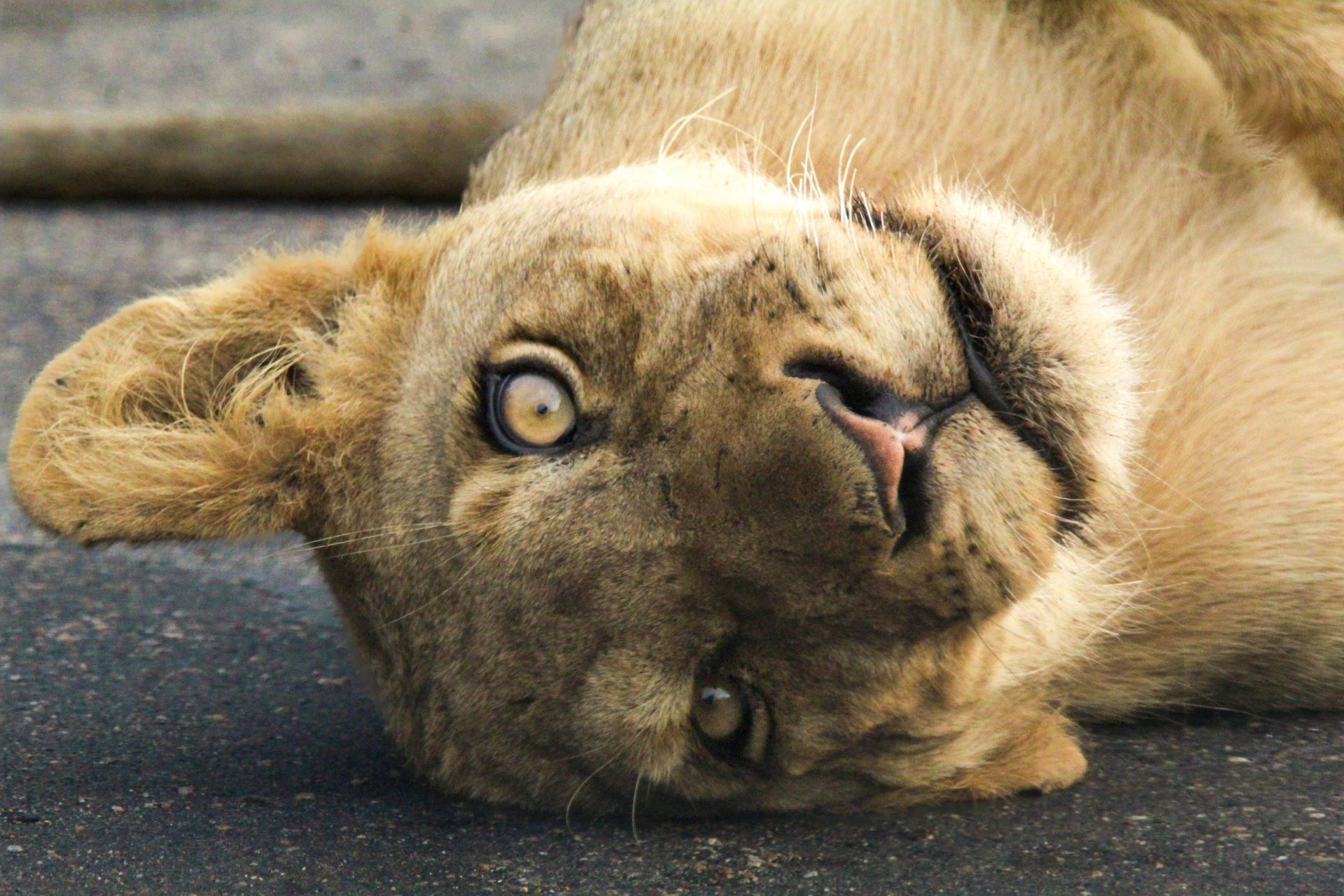
Kruger is not a place that demands constant spending to deliver value. Some of its most memorable experiences are entirely free once you have entered the park. Watching elephants gather at a waterhole, tracking a pride of lions across the plains, or simply sitting quietly as the bush shifts around you requires no additional payment.
Birdwatching, photography, and even simple observation become deeply engaging activities. Each day unfolds differently, shaped by weather, movement, and chance. This unpredictability is what keeps visitors returning, often with nothing more than a map, a vehicle, and a sense of curiosity.
Picnic spots scattered throughout the park provide opportunities to pause and absorb the surroundings. These designated areas are safe, well-maintained, and often located in scenic positions. They offer a chance to step out of the vehicle, stretch, and reconnect with the environment in a more tangible way.
Safety and Practical Considerations
Budget travel should never come at the expense of safety. Kruger operates under strict rules designed to protect both visitors and wildlife. Staying inside your vehicle in non-designated areas, adhering to speed limits, and respecting animal behaviour are non-negotiable aspects of the experience.
Preparation is equally important. Ensure your vehicle is in good condition, carry sufficient water, and keep a full tank of fuel whenever possible. Distances within the park are vast, and services are limited outside of rest camps.
Mobile reception can be inconsistent, so offline maps and printed guides are valuable tools. Inform someone of your travel plans, particularly if you are venturing into less frequented areas. These small precautions contribute to a smoother, more enjoyable trip.
A Sample Budget Mindset in Practice
A typical budget-friendly Kruger trip might involve driving from Johannesburg, staying in a self-catering bungalow or campsite, preparing most meals, and focusing on self-drive game viewing. With careful planning, daily expenses can be kept within a manageable range, allowing for an extended stay without financial strain.
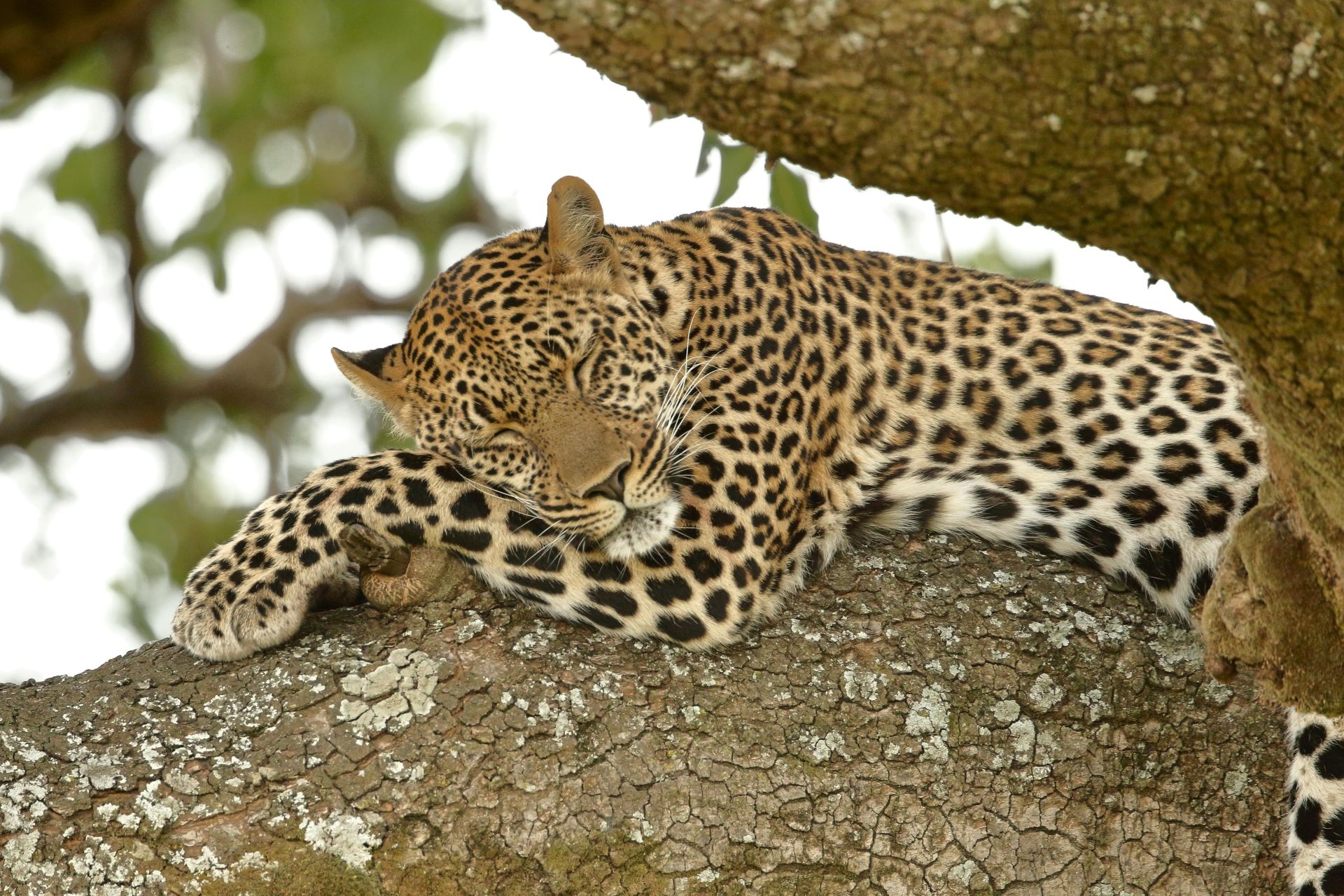
The true value of such a trip lies not in what is spent, but in what is experienced. The sight of a leopard draped over a tree branch, the distant call of a fish eagle, the golden hue of sunrise over the bushveld. These moments are not reserved for those with larger budgets. They are available to anyone willing to approach Kruger with intention and respect.
Redefining the Safari Experience
Kruger National Park challenges the notion that meaningful travel must be expensive. It proves that with thoughtful planning, a willingness to embrace simplicity, and a bit of patience, a world-class safari can be accessible to a wide range of travellers.
In many ways, a budget safari strips the experience back to its essentials. Without the distractions of luxury, the focus shifts entirely to the landscape, the wildlife, and the quiet rhythm of the bush. This is where Kruger reveals its true character, not as an exclusive destination, but as a shared natural heritage.
For South African travellers and international visitors alike, the park offers an opportunity to engage with nature on authentic terms. It invites exploration without excess, discovery without extravagance, and memories that linger long after the journey ends.
Elisha Roodt
Reporting from the frontlines of the South African tourism renaissance. Bridging the gap between regional stories and global audiences through elite narrative strategy.