

Reimagining Cities as Destinations
For decades, South African tourism narratives leaned heavily on the country’s natural splendour — its sun‑kissed coasts, bushveld safaris teeming with Big Five allure, and the dramatic sweep of Table Mountain. Yet beneath that well‑trodden frame lies a growing truth: South Africa’s cities, once seen as mere transit points, are now powerful destinations in their own right. Among them, Johannesburg stands tall — a metropolis that is redefining what urban tourism can mean in the African context.
Johannesburg’s journey into the heart of global and local tourism hasn’t been linear or easy. Born from gold‑rush origins, shaped by complex histories, ruptured by socio‑economic divides, and galvanized by a vibrant cultural pulse, the city’s transformation reads like a novel of reinvention. Today, it is a testament to how urban renewal, lively cultural ecosystems, and innovative, tech‑driven experiences are unlocking new reasons for travellers to wander south of the typical tourist trail.
This article unpacks the layers of Johannesburg’s urban tourism evolution. We explore the city’s physical renewal, its blossoming cultural hubs, and how digital tourism — from augmented reality to self‑guided apps — is weaving narratives that resonate with today’s global explorer. Through this lens, South Africa’s cities emerge not as adjuncts to natural wonders, but as powerful attractions all of their own.
Urban Renewal: Beyond Concrete and Steel
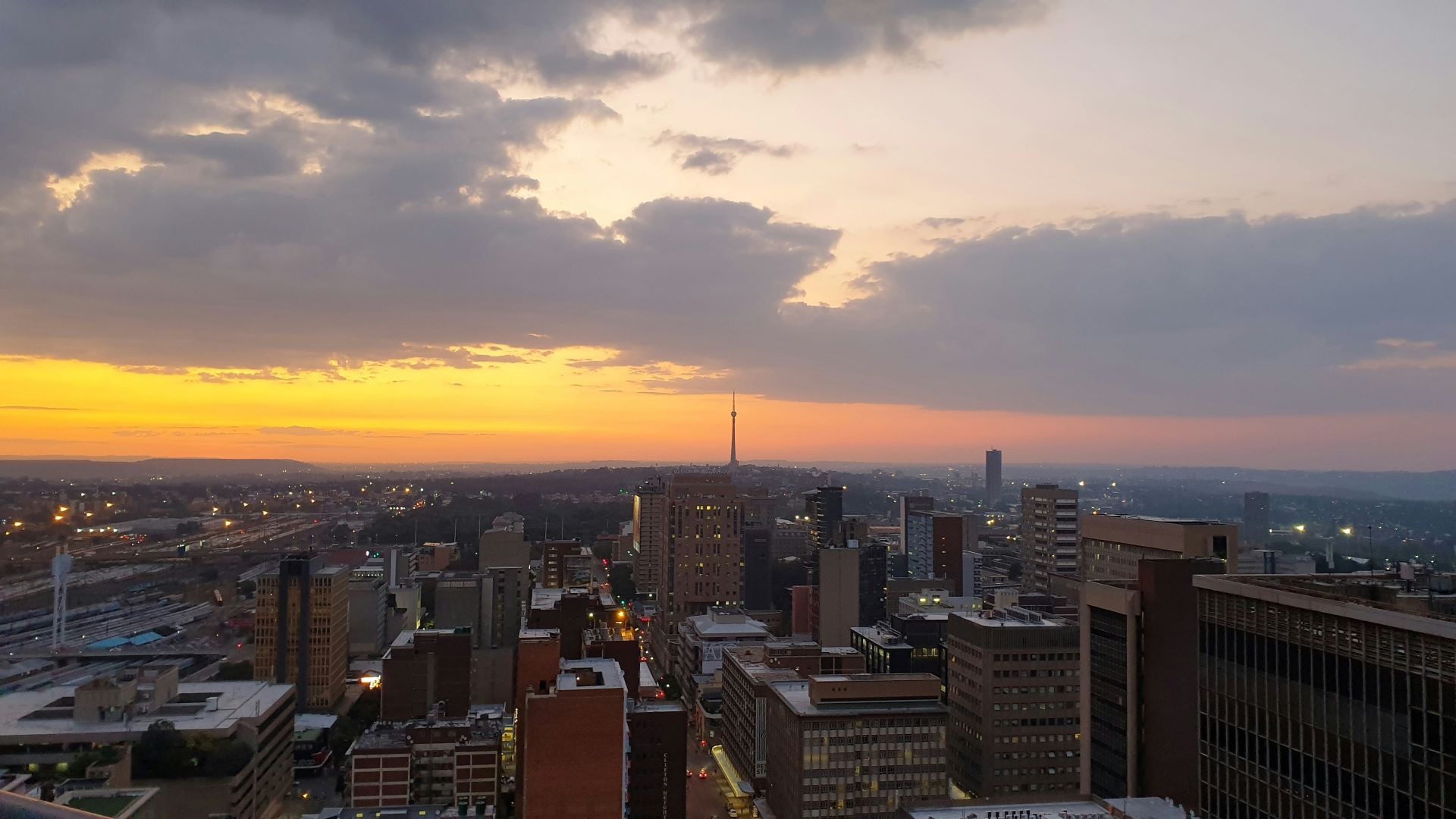
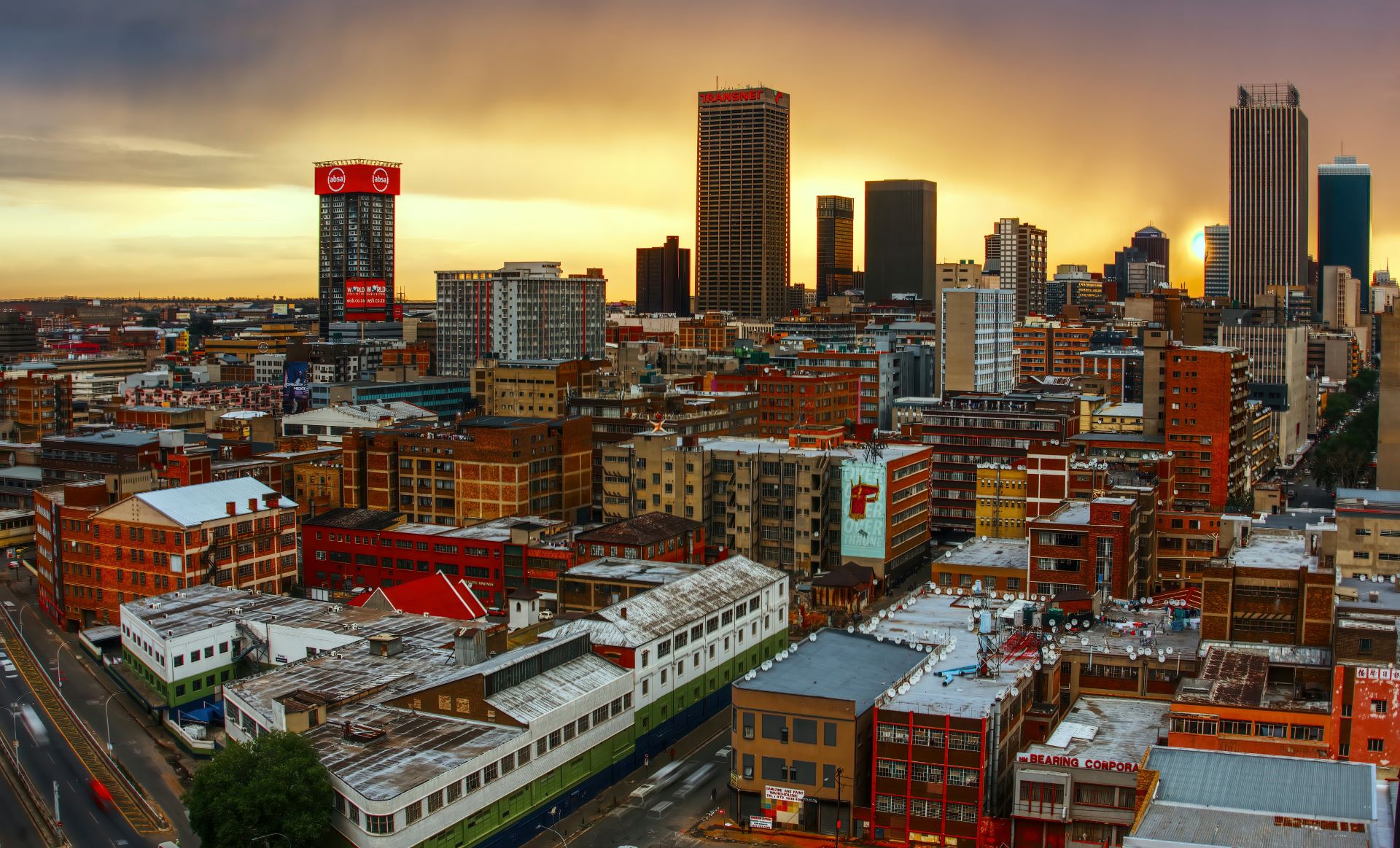
At its core, urban tourism thrives when cities are not just places to pass through, but places to truly inhabit — streets that beg exploration, squares that draw conversation, markets that mirror local life, and neighbourhoods that feel alive at all hours. Johannesburg’s skyline has long been a symbol of economic might. But more fascinating is the city’s evolution at street level, where renewal efforts have reinvigorated formerly neglected spaces into hubs of social and cultural exchange.
The story of urban renewal in Johannesburg is one of intentional reimagining. Once shuttered buildings, victims of disinvestment and social fragmentation, are now homes to galleries, studios, co‑working spaces, cafés, and boutique lodgings. This renaissance has not only physical value; it signals a deeper reclamation of urban space that invites both locals and visitors to engage with the city on a human scale.
Take Newtown, for example. Once an industrial wasteland, it has been transformed into a vibrant precinct where arts and heritage coalesce. Museums, theatres, and cultural venues sit cheek by jowl with eateries and creative studios, inviting a pace of exploration that doesn’t rely on the predictable rhythms of traditional tourism. This kind of layered urban fabric is what sophisticated travellers now seek — spaces that reveal themselves slowly, richly, and with complexity.
Yet renewal here is not merely cosmetic. It is purposeful, targeted towards community upliftment, economic inclusion, and the nurturing of local enterprise. Initiatives that embrace inclusive design — from public art projects to community markets — help anchor tourism in social value, offering visitors not just sights, but stories and connections.
Maboneng: At the Heart of Urban Culture
Few precincts exemplify Johannesburg’s urban tourism evolution like Maboneng. A word that means “place of light,” Maboneng is a microcosm of the city’s creative rebirth. Where once derelict warehouses stood silent, now there is a heartbeat palpable in every alleyway mural and artisanal café.
Maboneng is more than a district; it’s a mindset. It signals the confluence of entrepreneurial energy, artistic expression, and cosmopolitan living. It is here that Johannesburg’s narrative of cultural rediscovery plays out most visibly. Visitors are drawn to Maboneng for its weekend markets, pop‑up galleries, and diverse roster of eateries that fuse local flavours with global culinary influences. It’s a place where street art and public performance aren’t peripheral attractions — they are woven into the urban fabric.
This precinct has become a case study in how city spaces can be rethought through culture‑centric design. It offers travellers the chance to interact with local creatives, attend intimate music nights, and witness art installations that speak to both personal and collective identities. Moreover, Maboneng has demonstrated how urban tourism can build community empowerment. Small businesses flourish here, and the precinct’s success has inspired similar models in Braamfontein, Rosebank, and beyond.
Cultural Hubs: Museums, Markets and Memory
Johannesburg’s cultural heartbeat extends far beyond any single precinct. The city is rich with institutions that hold memory, provoke dialogue, and provide deep context to South Africa’s social journey.
The Apartheid Museum remains one of Johannesburg’s most poignant attractions, offering an unflinching look at the nation’s past. Visitors embark on an emotional arc that leads from segregation to liberation, gaining invaluable insight into the forces that have shaped modern South Africa. This isn’t passive tourism; it is transformative presence — a journey into understanding that deepens every other experience in the city.
Meanwhile, neighbourhood markets such as Neighbourgoods Market at the Old Biscuit Mill in nearby Cape Town’s cultural cousin city offer a different kind of encounter. They celebrate local food, crafts, and community life — bustling, unstructured, and authentically grounded.
Johannesburg’s markets, whether at arts precincts or community spaces, offer a similar pulse. They showcase local makers and give travellers a taste of South African creativity that is unfiltered and grounded in place.
Tech‑Enabled City Tours: The Digital Frontier
If the first wave of urban tourism was about rediscovering space, the new wave is about rediscovering experience — and technology is the tide lifting all boats. Johannesburg’s urban tourism ecosystem is embracing digital tools that deepen engagement, personalise experiences, and invite exploration beyond the well‑worn path.
Augmented reality (AR) and location‑based storytelling are beginning to change how visitors interact with city landmarks. Imagine standing outside a historic building and instantly accessing layered narratives — from archival photos to multimedia interviews with people who lived through pivotal moments there. These tools shift the city from static postcard to interactive museum.
Mobile guide apps, audio tour platforms, and QR‑tagged heritage points are empowering travellers to take control of their narrative. No longer confined to rigid group tours, visitors can explore at their own rhythm, discovering hidden murals, local cafés, or community spaces that traditional maps might overlook. This suite of digital tools enriches the visitor’s agency — transforming the city from something to see into something to uncover.
Tech also plays a role in accessibility. Real‑time information on transit, safety updates, crowd insights, and personalised recommendations help travellers feel confident navigating a large, dynamic metropolis. For international visitors, this translates into comfort and freedom; for locals, it reinforces pride in place.
Community‑Centred Tourism: A New Ethic
The evolution of urban tourism in Johannesburg is not just about aesthetics and tech. It increasingly embraces a community‑centred ethic that prioritises inclusion, benefit sharing, and authentic representation.
Tourism models are shifting from extractive to cooperative. Local guides, often anchored in specific neighbourhoods, offer tours rooted in lived experience — whether through township tours, food walks, or historical narratives. These tours don’t present Johannesburg as a backdrop; they position it as a lived, breathing city shaped by real people.
Such approaches honor the complexity of place. They avoid sanitised narratives and instead embrace the city’s mosaic — its triumphs and tensions alike. This is what sophisticated travellers now seek: not superficial snapshots, but nuanced immersion.
Connectivity and Collaboration
Part of Johannesburg’s success lies in its interconnectivity — between precincts, between cultural institutions, and between digital and physical experiences. City planners, tourism authorities, creative entrepreneurs, and tech innovators are increasingly working in concert to build a cohesive yet diverse urban tourism product.
The integration of transport nodes, pedestrian‑friendly precincts, and linked heritage trails makes the city feel smaller, more navigable, and more cohesive. Collaboration between museums, galleries, markets, and digital platforms amplifies the city’s story — ensuring it is told not in isolated chapters, but as a dynamic, evolving anthology.
Looking Ahead: Cities as Beating Hearts
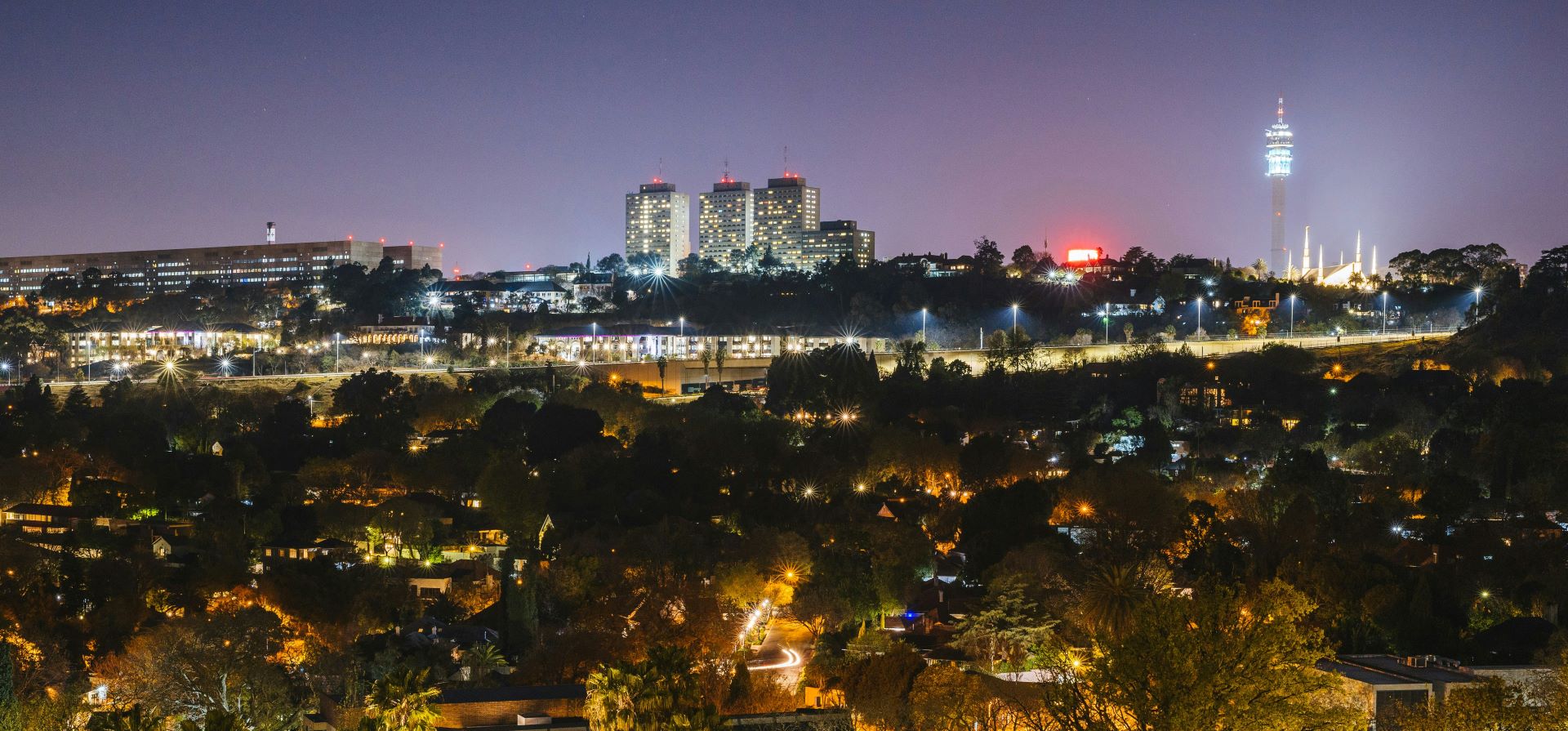
Johannesburg’s urban tourism evolution reveals a compelling truth: cities are not mere waypoints between attractions; they are attractions unto themselves. They are gateways to layered histories, crucibles of culture, and frontiers for innovative, tech‑infused experiences.
South Africa’s urban centres offer depth, diversity, and dynamism. Johannesburg leads this charge, proving that the resonance of a place lies not just in its vistas, but in its voices, its renewal, and its capacity to surprise.
For travellers seeking meaning as much as momentary pleasure, Johannesburg offers an invitation: come not just to see, but to feel, to understand, and to belong — even if only for a while.
In embracing urban tourism, South Africa’s cities are crafting narratives as compelling as any mountain or safari horizon — narratives that beckon global audiences to discover city life anew.
Elisha Roodt
Reporting from the frontlines of the South African tourism renaissance. Bridging the gap between regional stories and global audiences through elite narrative strategy.