

South Africa is a country of diverse cultures, histories, and landscapes. Yet, amidst its well-known heritage lies an often-overlooked yet vital part of its identity—the Indigenous First Nations. Before colonialism reshaped the land, the San and Khoi peoples thrived across Southern Africa, leaving behind a legacy that still echoes in the rock art of the Cederberg, the storytelling of the Kalahari, and the resilient spirit of their descendants today.
For travelers seeking a deeper connection with South Africa, engaging with its First Nations offers an enriching experience that goes beyond typical sightseeing. It is an opportunity to walk in the footsteps of the country’s original inhabitants, hear their stories, and appreciate their enduring connection to the land. This article explores the history, culture, and modern realities of the San and Khoi, offering insights into how travelers can respectfully engage with these vibrant communities.

Historical Context
The history of South Africa’s First Nations dates back thousands of years. The San, often referred to as Bushmen, are considered the oldest continuous inhabitants of Southern Africa, with a lineage stretching back over 20,000 years. The Khoi, traditionally pastoralists, arrived later and integrated with the San in various ways, forming the broader Khoisan identity.
Both groups developed sophisticated ways of life, relying on hunting, gathering, and pastoralism. They created intricate rock art that still adorns caves and rock faces across the region, depicting their spiritual beliefs, daily lives, and interactions with nature. However, the arrival of European settlers in the 17th century led to significant disruptions. The Khoi were among the first to resist colonial expansion, facing displacement, disease, and cultural erosion. The San, often viewed as obstacles to colonial development, suffered persecution and near-extermination. By the 20th century, many Indigenous communities had been marginalized, their languages suppressed, and their identities nearly erased.
Despite these challenges, First Nations people have persisted, fighting for land rights, cultural recognition, and the preservation of their heritage. Understanding this history is crucial for any traveler wishing to engage meaningfully with Indigenous communities.
Cultural Insights
The San and Khoi cultures are deeply connected to the land. Their traditional knowledge of flora, fauna, and ecological systems is unparalleled, allowing them to thrive in some of the world’s harshest environments. The San, in particular, developed an extraordinary tracking ability, reading the land like a book to follow animal movements and find water sources.
Their languages, characterized by unique click sounds, are among the most complex in the world. Khoekhoegowab, spoken by some Khoi and San descendants, is one of the few surviving Indigenous languages in South Africa, though it remains endangered.
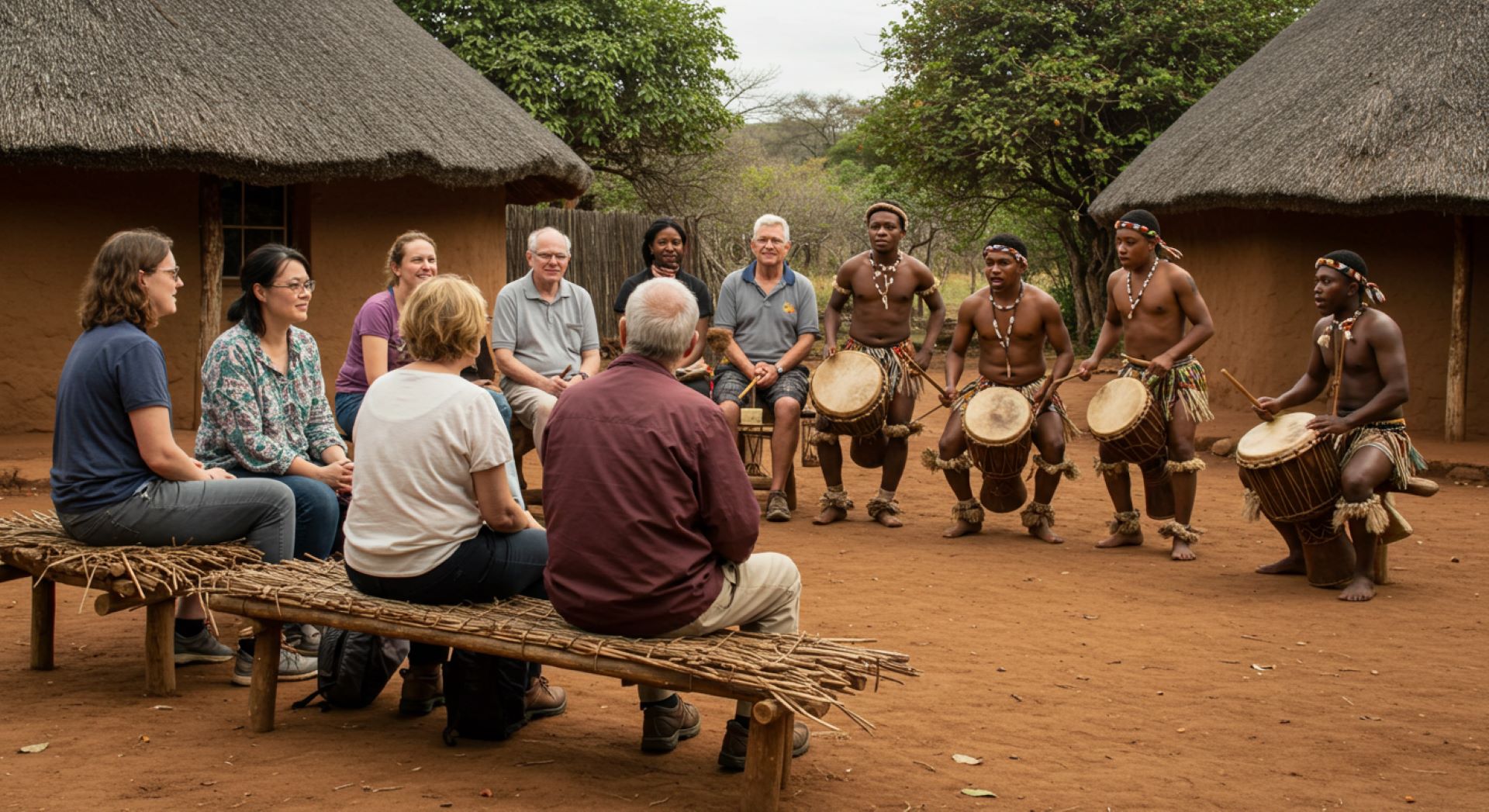
Spirituality plays a central role in their lives. The San practice trance-dancing, a powerful ritual used to heal, communicate with ancestors, and enter altered states of consciousness. Stories passed down through generations serve as both entertainment and education, reinforcing values and preserving historical knowledge.
For many Indigenous South Africans, these traditions are not relics of the past but living practices that continue to shape their identities.
Indigenous Communities Today
Despite their historical significance, South Africa’s First Nations continue to face challenges. Land dispossession remains a critical issue, with many communities fighting for recognition and ownership of ancestral territories. Economic marginalization has led to high levels of poverty, and the loss of Indigenous languages threatens cultural continuity.
However, there are signs of progress. Organizations such as the !Khwa ttu San Heritage Centre work to preserve Indigenous knowledge and provide economic opportunities through cultural tourism. Language revitalization projects and legal battles for land restitution are gaining momentum, offering hope for greater recognition and autonomy.
Experiential Travel Opportunities
Travelers seeking authentic Indigenous experiences can explore several ethical and immersive opportunities:
Personal Stories and Interviews
The voices of Indigenous people offer invaluable perspectives. One such voice is that of Dawid Kruiper, a late leader of the ǂKhomani San, who fought tirelessly for his people’s land rights. His words still resonate: “We do not want to be put in a museum. We want our language, our land, and our dignity.”
Similarly, community leader Pauline Solomons from the Khoi community speaks of the importance of cultural preservation: “Our heritage is not just in the past; it is alive in the way we honor our ancestors and teach our children.”
Their stories remind us that Indigenous cultures are not static; they are evolving, resilient, and deeply tied to identity and survival.
The Role of Travelers
Travelers can play a crucial role in supporting Indigenous communities. By choosing ethical tourism experiences, supporting Indigenous-owned businesses, and educating themselves on cultural sensitivities, visitors can help sustain and celebrate these traditions.
Key considerations include:
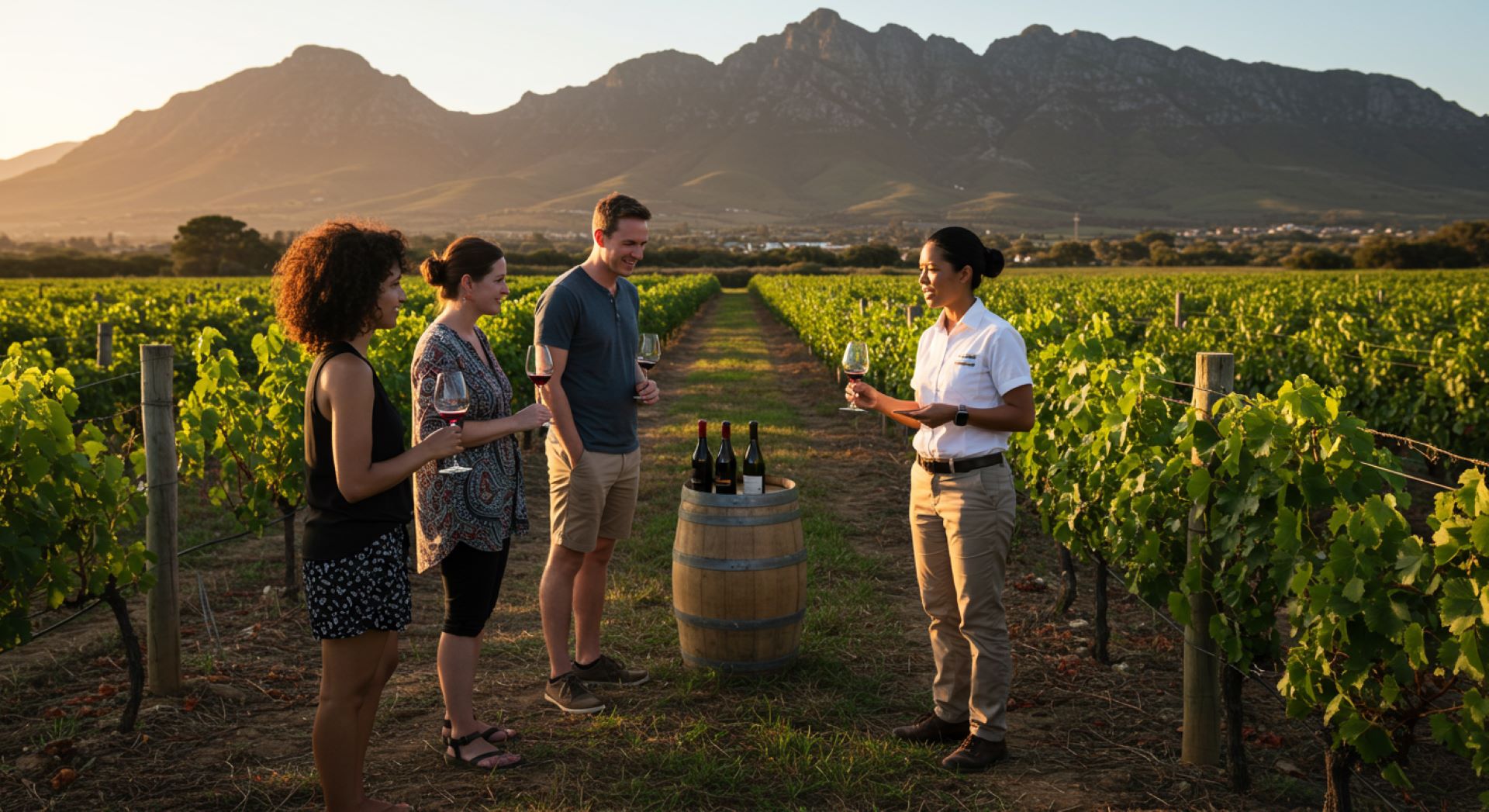
Connecting with South Africa’s First Nations offers travelers a profound and transformative experience. It is an opportunity to see the country through the eyes of its original custodians, to hear stories that have endured for millennia, and to participate in the ongoing journey of cultural survival and renewal.
As you explore South Africa, take the time to engage respectfully, listen deeply, and walk away not just with memories, but with a greater appreciation of the resilience and beauty of Indigenous cultures. True travel is not just about places; it is about people—and the San and Khoi have stories worth hearing.
Elisha Roodt
Reporting from the frontlines of the South African tourism renaissance. Bridging the gap between regional stories and global audiences through elite narrative strategy.