

A Hidden World of Waters
When most travellers picture South Africa, they imagine safari plains, rugged coastlines, and cosmopolitan cities. The global perception is dominated by wildlife reserves and wine estates, while the idea of South Africa as a destination for flyfishing seldom features in the picture. Yet, nestled in its highland regions are some of the most pristine trout waters in the southern hemisphere, offering a flyfishing experience that rivals the celebrated rivers of Scotland, New Zealand, or Montana. For those willing to travel beyond the well-trodden tourist routes, the South African highlands reveal a world of cold, clear streams, dramatic mountain backdrops, and a quietly thriving angling culture.
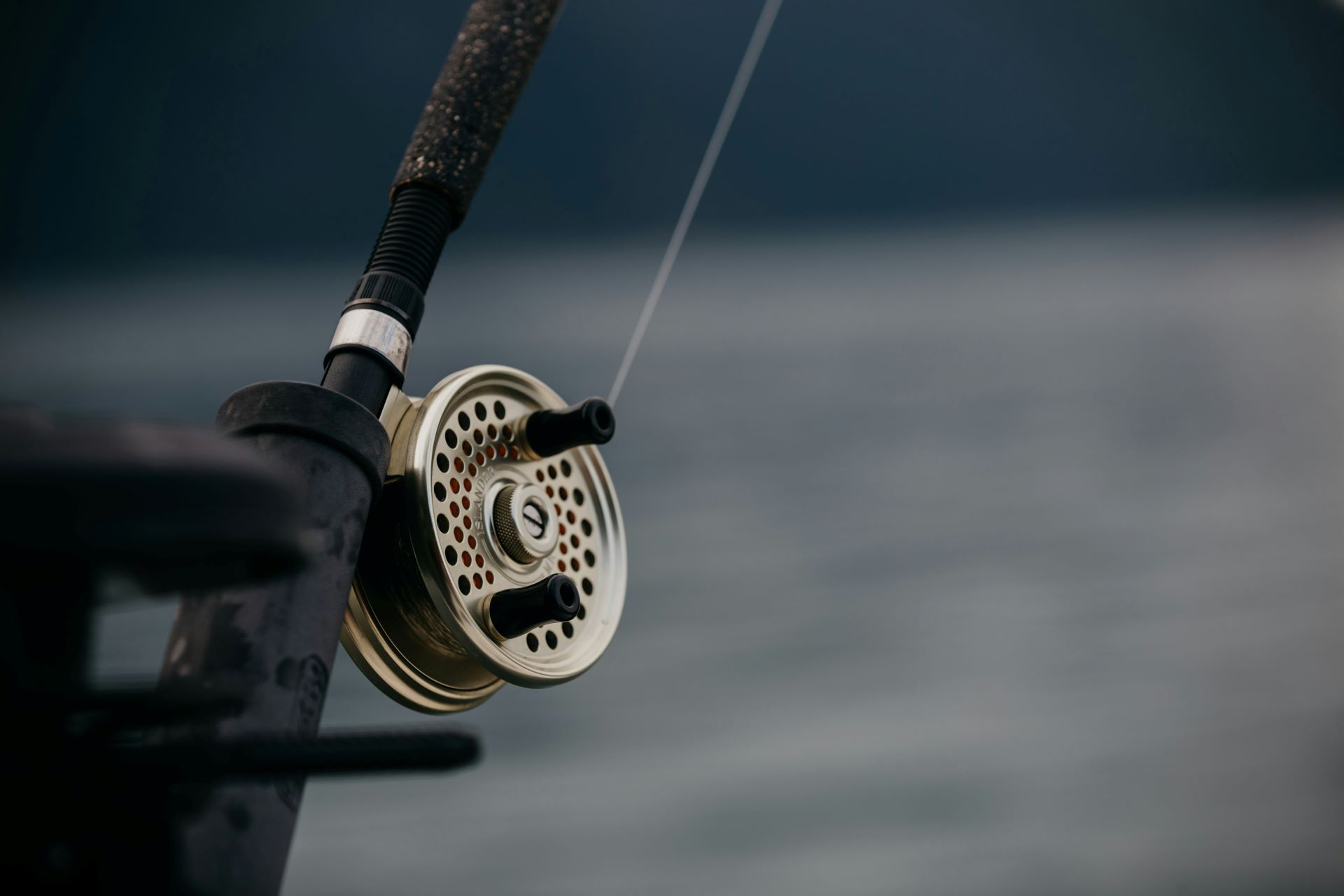
South Africa’s flyfishing story begins in the late nineteenth century, when trout were introduced to the country’s upland rivers and dams by European settlers. Against the odds, these fish took to their new environment with remarkable success, especially in the cool, oxygen-rich waters of KwaZulu-Natal and the Eastern Cape. Today, the legacy of that early introduction is a fishing tradition that feels distinctly South African—shaped by its landscapes, its climate, and the sense of discovery that comes with casting in places still unknown to the wider world.
The Highland Atmosphere
The highland regions of South Africa possess a beauty that feels entirely unique. In KwaZulu-Natal, the Drakensberg mountains rise dramatically, their basalt cliffs veiled in mist on chilly mornings, while rivers spill down through valleys carved by time. In the Eastern Cape, softer rolling hills cradle streams that wind through sheep farms and villages where time moves gently. Mpumalanga, with its deep escarpments and panoramic plateaus, adds its own flavour to the highland fishing experience.
What unites these places is atmosphere. Unlike the bustling coastal resorts or the Big Five game lodges, the highlands are places of stillness. Here, the rhythm of a day is dictated by the light on the water, the rise of a trout, or the sudden rush of wind through tall grass. It is this sense of solitude and immersion in landscape that makes flyfishing in South Africa so distinct. To fish here is not only to pursue trout but to enter into a dialogue with the land itself.
The Rivers and Dams of Trout Country
In the Drakensberg foothills of KwaZulu-Natal, the Mooi River and Bushman’s River are iconic names in South African flyfishing circles. Their waters are cold, fast-flowing, and rich in insect life, making them prime habitats for rainbow and brown trout. On a good day, one might spot trout rising steadily in the pools, sipping mayflies off the surface in a manner that evokes faraway chalk streams. The upper reaches, narrow and boulder-strewn, offer the kind of technical small-stream fishing that rewards patience and precision, while the lower stretches open up into meandering flows perfect for longer casts.
The Eastern Cape presents an entirely different mood. Here, rivers like the Bell, Sterkspruit, and Kraai run through wide valleys where sheep graze under watchful skies. These are working landscapes, yet they are interlaced with waters that feel as though they were designed for flyfishing. Dams and stillwaters are abundant, many of them privately stocked, and they provide anglers with opportunities to land truly large trout. South African flyfishing clubs have, over decades, nurtured these stillwaters into jewels of the angling world, offering access to fish that can test even the most seasoned visitor’s skill.
Mpumalanga’s trout waters, though fewer in number, hold a special charm. The region’s escarpments funnel mountain streams into rivers that gleam like silver threads against red sandstone cliffs. The Crocodile River system and its tributaries hold isolated stretches of trout water, and for the adventurous angler, the reward is a wilderness fishing experience that feels almost untouched.
A Season of Possibility
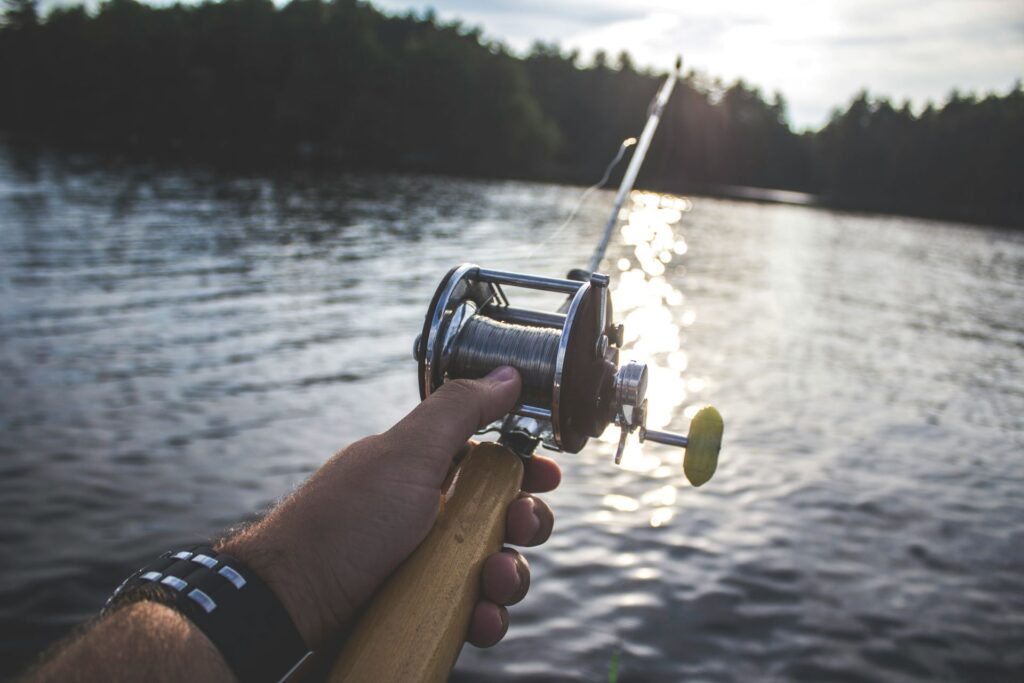
Flyfishing in South Africa is shaped by the seasons in ways that demand both adaptability and appreciation. The best months are the cooler seasons, typically from March to May and again from September to early November. During these periods, the waters are cold enough to sustain active fish, insect hatches are plentiful, and the surrounding landscapes wear their most photogenic colours.
Summer can be unpredictable, with sudden thunderstorms swelling rivers in minutes, but it also brings lush greenery and lively aquatic life. Winter, by contrast, brings crystal-clear water and the chance to sight-fish for large trout in stillwaters, though one must brave frost-tipped mornings and brisk winds. These seasonal shifts add to the richness of the South African flyfishing experience. Anglers learn quickly that here, flexibility is as essential as a well-tied fly.
An Angling Culture of Warmth
One of the most surprising aspects of flyfishing in South Africa is the warmth of its angling culture. Clubs and associations, many with histories stretching back a century, manage access to rivers and dams, often on behalf of private landowners. This system, though unfamiliar to many overseas visitors, has ensured the sustainability of trout waters and maintained a strong sense of stewardship among local anglers.
Travellers who connect with these clubs often discover not only access to prime fishing spots but also companionship around a braai fire, stories shared over a glass of Cape wine, and a generosity of spirit that reflects the broader character of South African hospitality. This is not a solitary pursuit in the way it sometimes is in Europe or America; here, flyfishing is both personal and communal, blending tradition with camaraderie.
Beyond the Rod and Reel
The appeal of flyfishing the South African highlands extends well beyond the fishing itself. The regions where trout thrive are also home to hiking trails that climb to panoramic viewpoints, caves adorned with San rock art, and wildlife reserves where eland, jackal, and raptors are part of the scenery. In KwaZulu-Natal, the Drakensberg’s amphitheatres and escarpments invite exploration, while the Eastern Cape offers rural charm, farm stays, and unhurried encounters with local communities.
Cuisine is another highlight. After a day on the water, many anglers retreat to guesthouses or lodges that pride themselves on hearty South African cooking. A plate of Karoo lamb, a glass of pinotage, or even freshly smoked trout from the very river fished earlier in the day all become part of the memory. The integration of fishing with culture, food, and landscape is what sets South Africa apart from more narrowly defined angling destinations.
Conservation and the Future of Flyfishing
Flyfishing in South Africa is not without its challenges. Trout are not indigenous to the country, and their introduction more than a century ago has raised ecological debates about their impact on native species. Conservation groups and angling clubs have worked hard to balance the preservation of these trout fisheries with broader biodiversity concerns. In many areas, trout waters are confined to high-altitude zones where they coexist with minimal ecological disruption, while indigenous fish such as yellowfish dominate the warmer rivers and lowland systems.
This duality has created a unique fishing environment: South Africa is one of the few countries where an angler might pursue trout in a mountain stream one day and target powerful yellowfish on a warmer river the next, all within a few hours’ drive. Conservation efforts increasingly focus on education, responsible catch-and-release practices, and habitat management, ensuring that the highland flyfishing tradition remains sustainable for future generations.
Why South Africa Surprises
The magic of flyfishing in South Africa lies in its ability to defy expectations. Travellers come for safari or wine but leave enchanted by the discovery of rivers and stillwaters that feel both intimate and vast, both remote and accessible. They are surprised by the quality of the trout, the variety of waters, and the sheer beauty of landscapes that often go overlooked in glossy brochures.
What truly distinguishes South Africa, however, is the sense of journey. Flyfishing here is never only about the fish. It is about winding mountain roads that reveal valleys hidden from view, about dawn breaking over misty hills, about conversations with local anglers who share both knowledge and laughter. It is about immersion in a place where land, water, and culture weave seamlessly together.
The Highlands Await
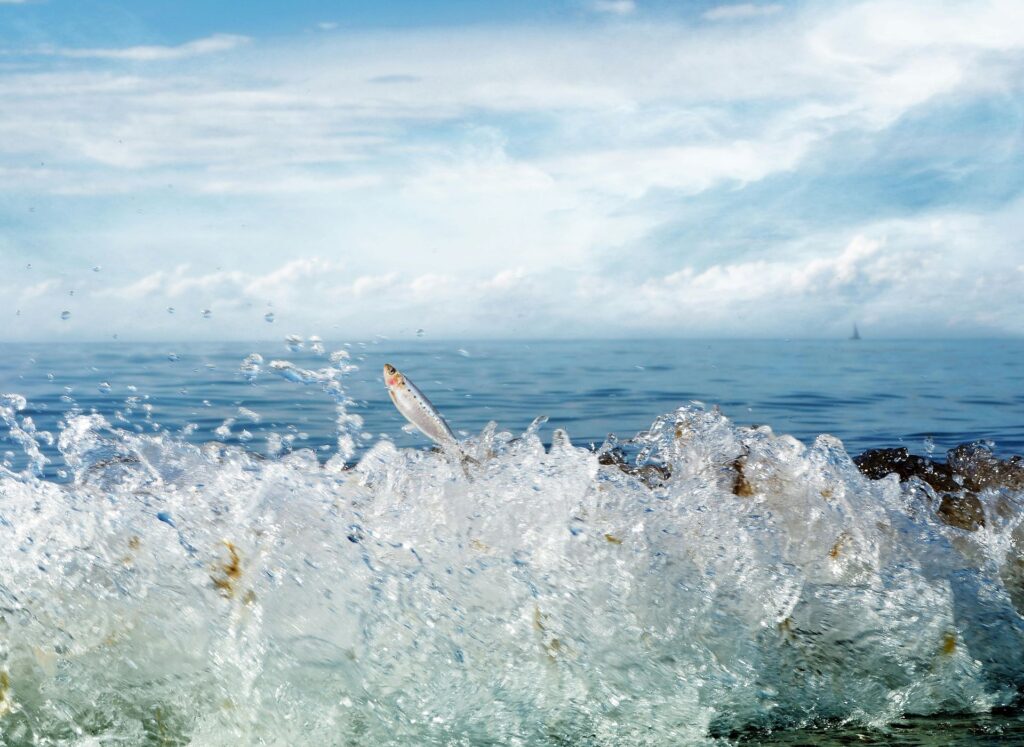
For those who carry a rod in their luggage, South Africa offers one of the world’s great underexplored flyfishing frontiers. Its highland waters, shaped by history and preserved through care, invite not only the casting of flies but the casting aside of preconceptions. Here, amidst the mountains and valleys, lies a paradise that is both surprising and profoundly rewarding.
To fish these waters is to discover a South Africa beyond the safari brochures—a South Africa where silence reigns over highland streams, where trout rise in cold pools, and where the angler is reminded that paradise sometimes hides in the most unexpected places.
Ronel Ferreira
Reporting from the frontlines of the South African tourism renaissance. Bridging the gap between regional stories and global audiences through elite narrative strategy.