

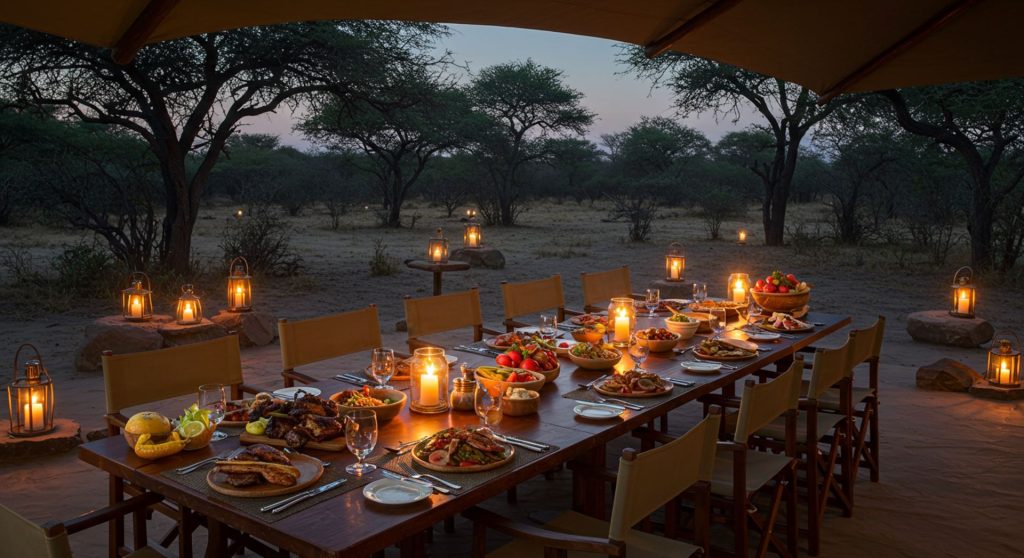
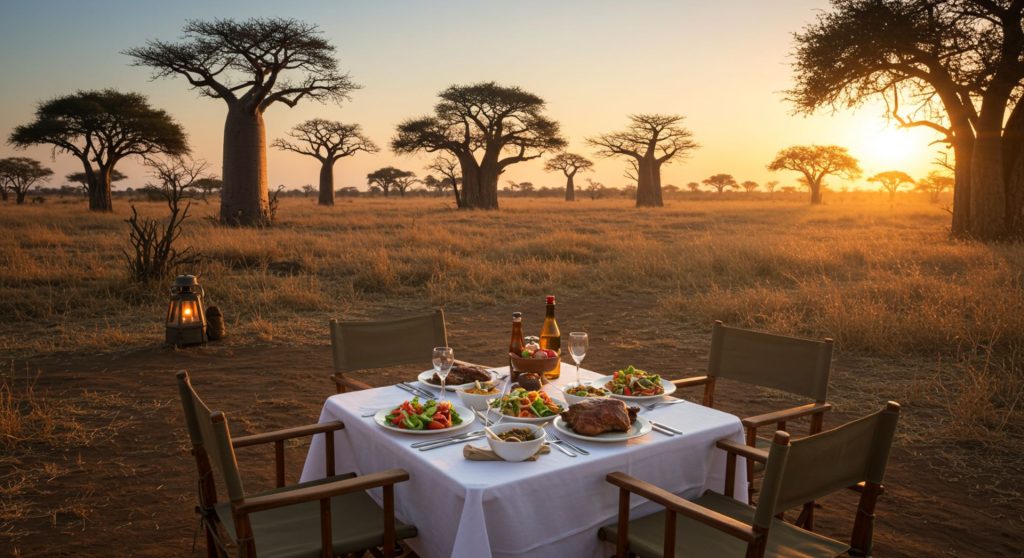
Picture this: a crisp linen-draped table set beneath an ancient marula tree, lanterns casting a golden glow as the sun dips below the acacia-dotted horizon. The scent of grilled game meats mingles with wild herbs on the breeze, while the distant roar of a lion punctuates the evening air. This is not a dream—this is fine dining on safari in South Africa, where the wild meets the refined in unforgettable harmony.
South Africa has long been lauded as one of the world's premier safari destinations, revered for its staggering biodiversity, Big Five sightings, and varied ecosystems. Yet, beyond the game drives and bush walks lies another adventure just as thrilling: a culinary journey that defies expectations. Here, in the midst of untamed landscapes, travelers are treated to gourmet experiences that rival the world's top restaurants.
Luxury safari lodges across South Africa have redefined wilderness dining, creating spaces where gastronomic artistry and nature coexist. From intricately plated seven-course meals to open-flame feasts under the stars, these culinary offerings are designed not just to satisfy hunger but to stir the soul. Each bite tells a story—of heritage, innovation, and the land itself.
This article invites you to journey into South Africa’s wildest kitchens, where the safari experience is elevated by fine food, world-class wine, and unforgettable moments of sensory delight. Whether you're a gourmand with a taste for adventure or a traveler seeking something out of the ordinary, South Africa's safari dining scene promises a feast for the senses and memories to last a lifetime.
The Allure of Safari Dining
Dining on safari is not just about the food—it’s about the entire experience. It's about hearing the call of a nightjar while savoring a citrus-infused springbok tartare, or watching a herd of elephants wander by as you sip aged pinotage during a lazy brunch. The setting is as vital to the meal as the ingredients on the plate.
What makes safari dining so compelling is the seamless integration of luxury and raw wilderness. Chefs stationed in remote lodges create dishes that would make any urban fine dining establishment envious, yet they do so while surrounded by nature's unpredictable rhythms. Ingredients are flown in from specialty suppliers or sourced from nearby villages and sustainable farms. The logistics are as intricate as the cuisine is delicate.
These are not mere meals; they are curated experiences. Dinner might be served in a lantern-lit boma encircled by sand and stars, followed by a fireside digestif and storytelling by local guides. A mobile bush breakfast may be set up next to a watering hole, offering fresh fruit, pastries, and eggs-to-order as giraffes drink nearby. Each moment blurs the line between gastronomy and adventure.
Moreover, safari dining taps into a primal elegance. There’s something deeply moving about indulging in exquisite cuisine while being immersed in the raw power of nature. It brings together contrasts: precision and spontaneity, refinement and wilderness, silence and the call of the wild. It transforms eating into a full-body, soul-stirring event.
In an era where authenticity and meaningful travel are valued more than ever, safari dining offers travelers the chance to connect deeply with place and palate. It's where luxury becomes immersive, and each meal becomes a memory etched against Africa's golden light.
Iconic Safari Lodges with Culinary Excellence
Singita Lebombo Lodge
Located in a private concession of Kruger National Park, Singita Lebombo Lodge is a beacon of innovation and culinary brilliance. The lodge's glass-walled suites float above the N’wanetsi River, offering breathtaking views and unmatched exclusivity. Its culinary program is equally spectacular, helmed by chefs who treat every dish as a canvas for storytelling.
Guests can enjoy dishes like Karoo lamb with wild rosemary, or beetroot carpaccio paired with handcrafted South African wines from Singita’s award-winning cellar. The lodge also offers interactive cooking experiences where guests can learn to prepare regional favorites using local produce and indigenous spices.
Londolozi Private Game Reserve
A pioneer in sustainable luxury tourism, Londolozi is not only renowned for its leopard sightings but also its exceptional culinary offerings. Each of the five camps within the reserve has a distinct character, but all share a commitment to elevated bush cuisine.
Dinners here often feature seasonal tasting menus under the stars, where dishes such as smoked kudu loin and amasi panna cotta are served with poetic flair. The lodge’s food philosophy emphasizes freshness, simplicity, and a deep respect for local traditions, often incorporating family recipes passed down through generations.
Sabi Sabi Earth Lodge
Carved into the earth itself, Sabi Sabi Earth Lodge is a masterpiece of eco-design and culinary imagination. The dining experience here mirrors the lodge’s ethos of harmony with nature. Meals are a fusion of contemporary technique and indigenous inspiration.
Signature dishes include rooibos-infused venison, ostrich fillet with tamarind glaze, and vegetarian options that hero seasonal produce like marula fruit or morogo (wild spinach). The underground wine cellar, home to over 6,000 bottles, doubles as an exclusive private dining venue.
Tswalu Kalahari Reserve
South Africa’s largest private game reserve, Tswalu, lies in the remote northern reaches of the country. Its culinary program is led by Michelin-starred South African chef Jan Hendrik van der Westhuizen, who oversees the exceptional Klein JAN dining experience.
Set in a restored 100-year-old farmhouse, Klein JAN is a narrative-driven dining journey through South Africa’s culinary heritage. Courses evolve from the root cellar to the main dining room, showcasing heirloom ingredients, regional techniques, and emotional storytelling through food.
Royal Malewane
Royal Malewane in Thornybush Private Game Reserve exudes old-world charm and culinary extravagance. The lodge is home to one of the few safari kitchens led by a Relais & Châteaux Grand Chef, John Jackson, who brings global refinement to local ingredients.
Expect to encounter intricately plated dishes like bobotie soufflé with tamarind chutney or pan-seared quail with naartjie glaze. Meals can be enjoyed in intimate settings—on your private deck, beside a firepit, or under a canopy of stars.
Ingredients and Influences
South African cuisine is a melting pot of cultures and flavors, drawing from indigenous heritage, Dutch and British colonial legacies, and Indian and Malaysian culinary traditions. On safari, this rich tapestry is celebrated with pride and creativity.
At the heart of many dishes are local ingredients that speak of place and season. Game meats such as springbok, kudu, and eland are staples, often prepared with techniques like open-fire grilling or slow braising in cast iron pots. Indigenous herbs and vegetables—such as wild garlic, buchu, and gemsbok cucumbers—add depth and authenticity to each bite.
Safari chefs often embrace sustainable sourcing, forging partnerships with nearby farms, foraging from the veld, and even maintaining lodge gardens. Some lodges, like Grootbos Private Nature Reserve, integrate permaculture into their food programs, ensuring a minimal ecological footprint and a maximum flavor profile.
Traditional dishes are also reimagined with modern flair. Think chakalaka reinterpreted as a delicate amuse-bouche, or malva pudding deconstructed into a trio of textures. These interpretations honor the past while inviting new perspectives.
Wine, of course, is an essential part of the safari dining experience. South Africa’s Cape Winelands are globally respected, and many lodges boast impressive cellars featuring rare vintages and biodynamic labels. Sommeliers often pair meals with varietals that complement both flavor and ambiance—from a crisp chenin blanc at midday to a bold shiraz by candlelight.
The Cultural and Sensory Experience
Dining in the bush is a fully immersive affair. As the embers crackle and the night air hums with the chorus of crickets and distant wildlife, your senses are awakened to more than just taste. It is in these moments that food becomes memory, and meals become milestones in your journey.
Many lodges weave cultural storytelling into the dining experience. Guests may be treated to traditional drumming and dance performances, or hear folklore shared by elders around the fire. This adds a meaningful layer to each meal, grounding the luxury in heritage and heart.
The sensory richness of the bush amplifies the pleasure of eating. The touch of cool linen, the aroma of wood smoke and spice, the sight of firelight dancing on faces—all combine to create a deeply moving encounter. It’s not uncommon for guests to describe these dinners as the highlight of their trip, not just for the food but for the profound connection to Africa they inspire.
The pace, too, is different. Meals are unhurried, encouraging reflection and conversation. Whether you're sharing stories with new friends or savoring a romantic dinner for two under the stars, each meal feels like a gift of time and presence.
Tips for Planning Your Culinary Safari Adventure
Planning a culinary safari requires more than just booking a lodge—it’s about curating an experience that aligns with your tastes and travel style. Here are a few key tips to ensure your trip is as flavorful as it is unforgettable:
Research Culinary Credentials
Seek out lodges with award-winning chefs, renowned culinary programs, or partnerships with top restaurants. Websites, travel reviews, and even social media can offer valuable insights.
Consider the Season
South Africa's dry winter months (May to September) are ideal for game viewing and cool evening dinners by the fire. Summer brings lush landscapes and vibrant produce, perfect for foraged menus and garden-to-table dining.
Book Early for Exclusive Experiences
Some dining offerings, like Klein JAN or private wine pairings in the bush, are limited in availability. Reserve well in advance to avoid disappointment.
Communicate Dietary Preferences
Safari kitchens are highly accommodating. Be sure to communicate any dietary restrictions or preferences before arrival to ensure a seamless experience.
Embrace Variety
Choose a multi-lodge itinerary to sample different culinary philosophies and ecosystems. Each region offers unique ingredients, traditions, and flavors—from the fynbos-covered Cape to the red sands of the Kalahari.
Enhance with Extras
Consider adding cooking classes, wine tastings, or chef’s table experiences to your itinerary. These extras deepen your engagement and create lasting memories.
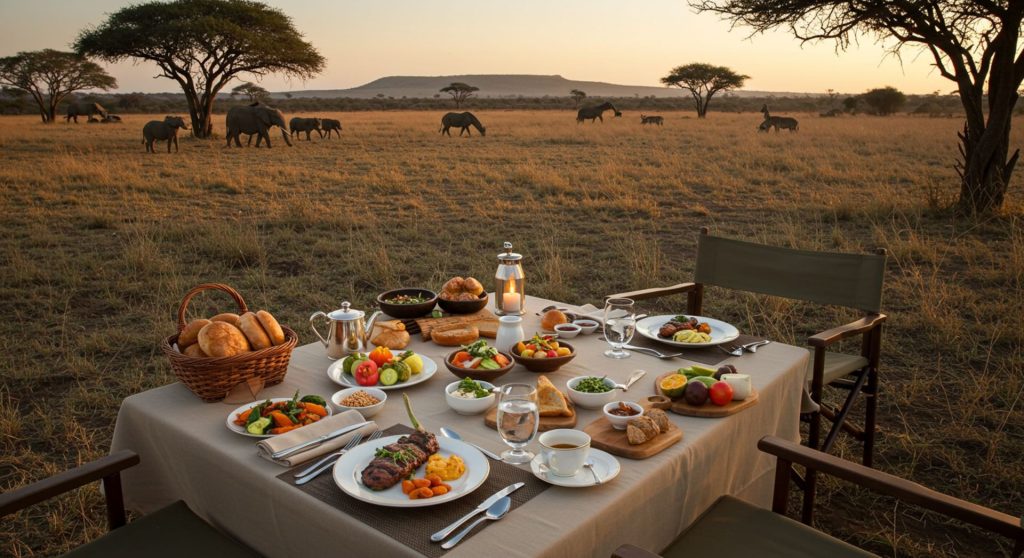
In South Africa, fine dining and the wilderness are not mutually exclusive—they are beautifully entwined. The thrill of a safari meets the artistry of gourmet cuisine to create an experience unlike any other. Whether it's sipping sparkling wine while watching elephants at dusk, or savoring a dessert crafted from indigenous botanicals under a blanket of stars, every meal is an invitation to fall deeper in love with Africa.
This is more than just travel. It’s a journey of the senses, a celebration of place, and a testament to the extraordinary creativity and resilience of those who make magic in the most remote of kitchens.
So go ahead—follow the call of the wild, and bring your appetite with you. South Africa’s wildest culinary experiences await, ready to feed your wanderlust and stir your soul.
Jabulani
Reporting from the frontlines of the South African tourism renaissance. Bridging the gap between regional stories and global audiences through elite narrative strategy.