

South Africa is often described as the Rainbow Nation, a term coined by Archbishop Desmond Tutu and popularised by Nelson Mandela. But beyond its symbolism of multiculturalism, diversity here finds profound expression on the plate. From the smoky shores of the Western Cape to the hearty hearths of the Free State, South Africa’s nine provinces are rich with unique culinary signatures that tell the stories of history, migration, tradition and innovation.
Embarking on a gastronomic road trip across the country is not only a celebration of flavour—it’s a journey into the soul of the nation.
Western Cape: Where the Winelands Meet the Ocean
Signature Dish: Cape Malay BobotieMust-Try Beverage: Chenin Blanc from Stellenbosch
We begin our culinary odyssey in the Western Cape, where culinary heritage is a melting pot of Dutch, Indonesian, French and British influences. The star of the show is Cape Malay cuisine, birthed in Bo-Kaap and carried through generations of spice-laden storytelling. Bobotie—fragrant minced beef baked with an egg custard topping—delivers a warming blend of curry, turmeric, fruit and savoury goodness.
Pair this with a glass of Chenin Blanc or Pinotage from Stellenbosch or Franschhoek, and you begin to understand how food and wine in the Western Cape are inextricably intertwined. The region is also famed for seafood—snoek, mussels, and crayfish are seasonal delights best enjoyed along the West Coast.
Local Secret: The Friday food market at Oranjezicht City Farm is a treasure trove of artisanal fare.
Northern Cape: Desert Flavours and Dried Delicacies
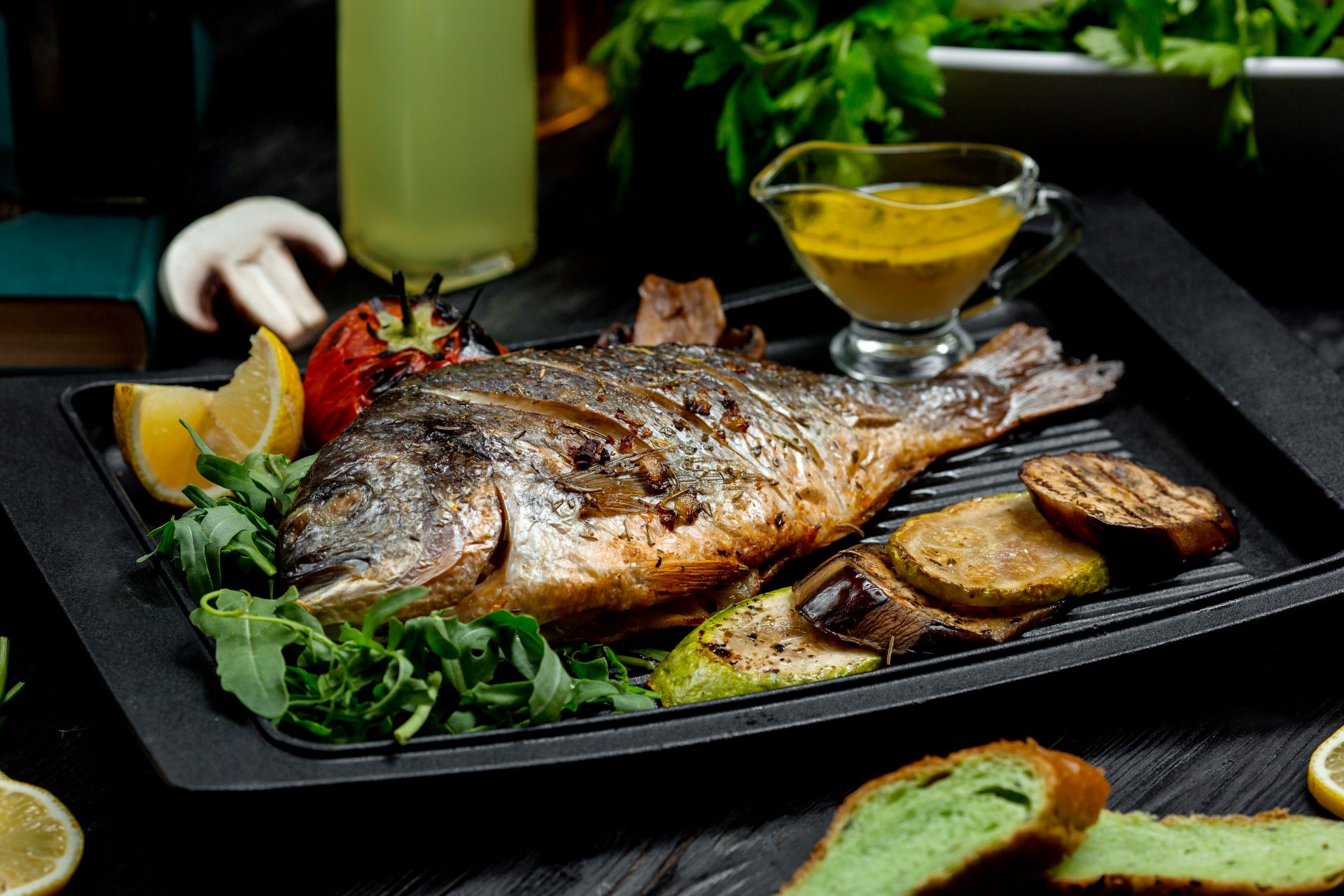
Signature Dish: Karoo Lamb Chops with RosemaryMust-Try Snack: Biltong & Droëwors
As the arid, ochre landscapes of the Northern Cape unfold, so too does a deeply rustic culinary identity. The Karoo’s semi-desert terrain lends itself to raising sheep of extraordinary flavour, and Karoo lamb is a protected geographical indicator. Grilled lamb chops seasoned simply with rosemary and salt are as emblematic of this province as its clear, star-strewn skies.
You’ll also find a culture of preservation here. Biltong and droëwors—dried meat snacks spiced with coriander and vinegar—are not only snacks but a way of life for long road trips and campfire evenings.
Local Secret: Visit Carnarvon for traditional skaapkop (sheep’s head) if you’re brave enough—and hungry enough.
Eastern Cape: Home of Hearty Xhosa Traditions
Signature Dish: Umngqusho (Samp and Beans) with AmasiMust-Try Street Food: Vetkoek filled with Mince or Atchar
Rolling hills and coastal cliffs introduce us to the Eastern Cape, the spiritual heartland of the Xhosa people. Here, food is deeply rooted in tradition, ceremony, and the land. Umngqusho, a wholesome mix of samp and sugar beans, is often served with amasi (fermented milk) or stewed meat.
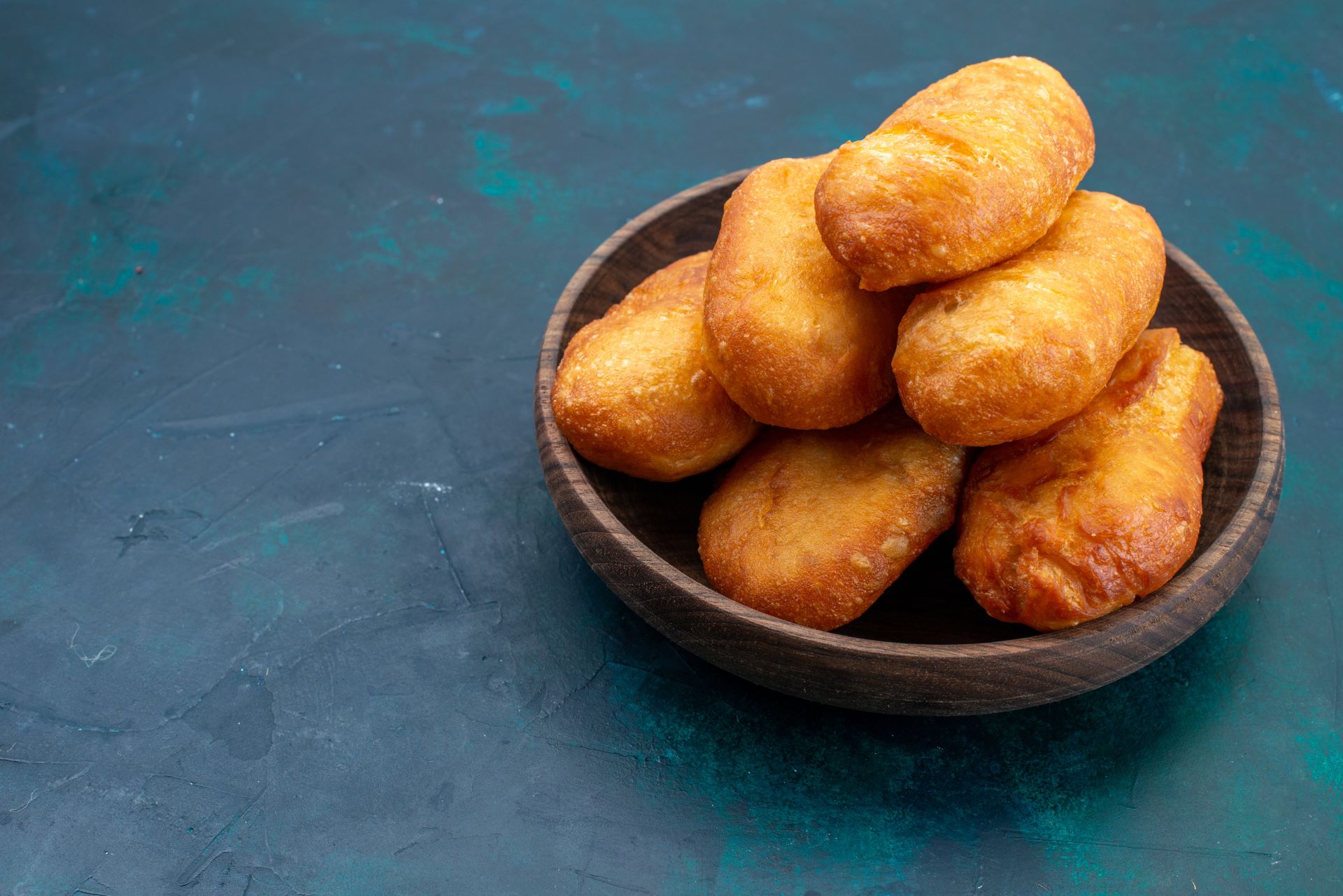
You’ll find vibrant township vendors selling vetkoek, a golden deep-fried dough ball filled with spiced mince or curried vegetables. Rich in starch and flavour, it’s a comfort food with mass appeal.
Local Secret: Head to Mqanduli during traditional festivals and try ulusu (tripe), often cooked over open flames.
KwaZulu-Natal: Curries, Culture, and Coastlines
Signature Dish: Bunny ChowMust-Try Beverage: Umqombothi (Traditional Sorghum Beer)
A province where Zulu, Indian, and colonial British cuisines converge, KwaZulu-Natal offers a kaleidoscope of flavour. The quintessential dish here is Bunny Chow—half a loaf of white bread hollowed out and filled with fiery Durban curry. It’s messy, addictive, and entirely unforgettable.
From beef and mutton to sugar bean or soya-based vegetarian options, the spice-forward dishes of Durban’s Indian population are foundational to the province’s identity. Pair them with sweet chillibites or samoosas, and end the meal with soji or burfee.
Local Secret: In the rural hills of Zululand, seek out traditional meals like isiphingo (grilled chicken feet) and homemade umqombothi.
Free State: Basotho Roots and Farmstead Flavours
Signature Dish: Mala Mogodu (Tripe) with PapaMust-Try Dessert: Melktert (Milk Tart)
As you move into the Free State’s open grasslands, life slows down. This is the breadbasket of South Africa, and its cuisine is simple, nourishing, and humble. Tripe—known as mala mogodu—is simmered until tender and typically served with maize porridge (pap) and chakalaka (a spicy relish).
Influenced by Basotho culture and Afrikaner traditions, the Free State also embraces baked goods like melktert, which graces every family gathering and church bazaar.
Local Secret: Visit Parys’ riverside cafés and try souskluitjies (dumplings in cinnamon syrup) for a sweet taste of nostalgia.
Gauteng: Fast-Paced, Fusion, and Urban Cool
Signature Dish: Shisa Nyama Platters with Chakalaka & PapMust-Try Experience: Pan-African Cuisine in Maboneng
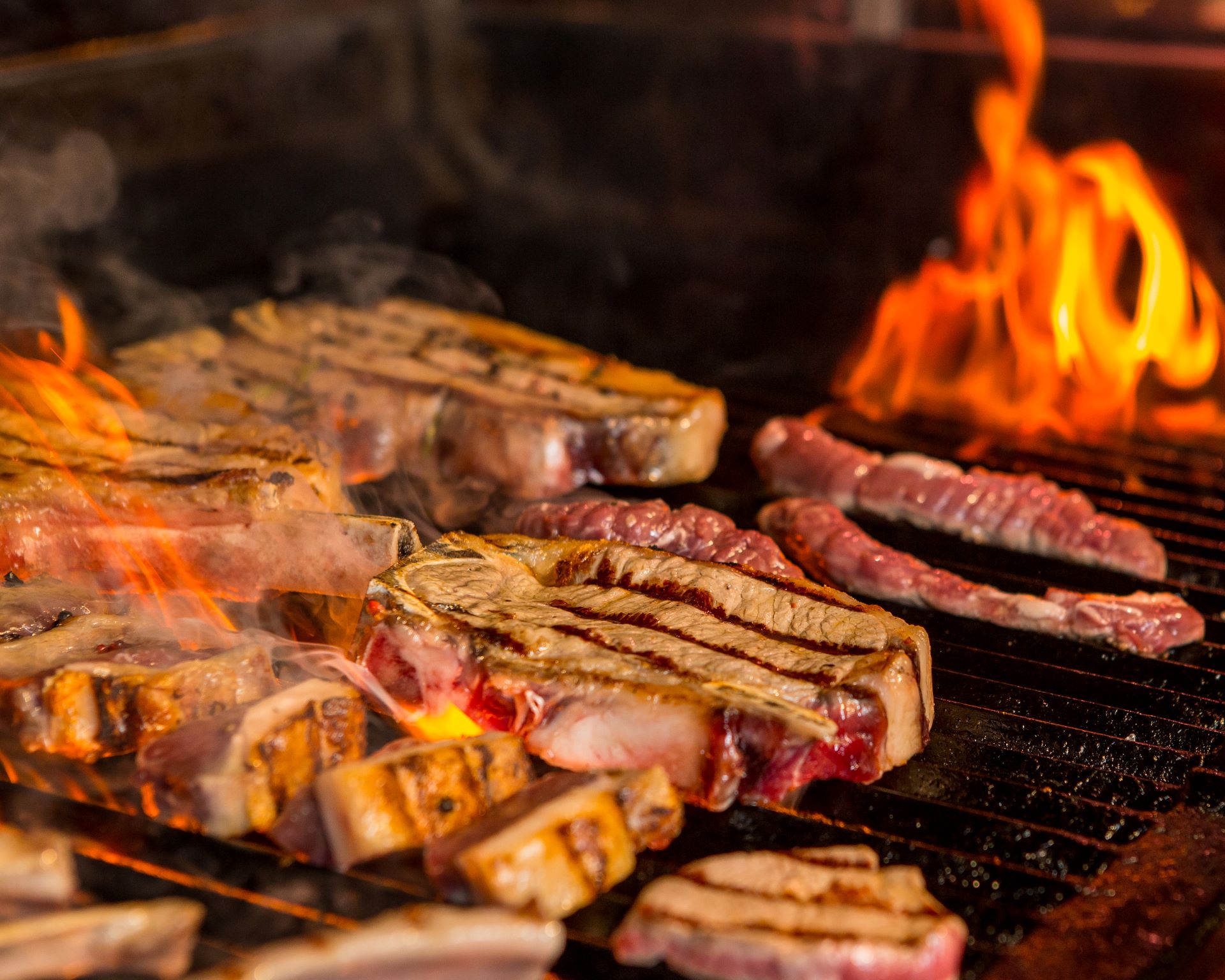
The economic engine of South Africa, Gauteng is home to Johannesburg’s electric energy and Pretoria’s diplomatic sprawl. Here, the food scene mirrors the pace of urban life—diverse, eclectic, and dynamic. Shisa nyama (literally “burn the meat”) is a township braai culture that brings friends and families together around flames and music. Expect steak, boerewors, chicken wings and ribs served with pap, chakalaka, and coleslaw.
In the inner city, global influences thrive—from Nigerian jollof to Ethiopian injera to gourmet takes on mogodu and burgers.
Local Secret: Head to Yeoville’s Food Market for a crash course in pan-African flavours.
Mpumalanga: Game Country and Homely Cooking
Signature Dish: Braised Oxtail StewMust-Try Snack: Roosterkoek with Apricot Jam
Mpumalanga, meaning “the place where the sun rises,” is home to some of South Africa’s most breathtaking natural wonders—from the Blyde River Canyon to Kruger National Park. The cuisine here is hearty and generous, designed to comfort after long days outdoors. Braised oxtail stew, slowly cooked in red wine and stock with potatoes and carrots, is a local favourite.
Along the roadside, you’ll encounter vendors selling roosterkoek—bread grilled on open coals and served with butter, cheese, or jam.
Local Secret: Seek out tshotlo (shredded beef stew) in the rural Lowveld villages, often prepared with wild herbs and served during gatherings.
Limpopo: Indigenous Ingredients and Ancient Flavours
Signature Dish: Morogo (Wild Spinach) with Mopani WormsMust-Try Beverage: Mageu (Fermented Maize Drink)
Limpopo is where the culinary map of South Africa begins to blur into the ancient tastes of Africa. Indigenous vegetables like morogo, lerotse (a type of melon), and peanut butter spinach are celebrated for their nutritional value and earthy richness. The much-mythologised mopani worm—a protein-rich caterpillar—is either fried or stewed and served with pap.
The Venda, Tsonga, and Pedi communities each contribute distinctive styles of preparation, including fermentation techniques and the use of clay pots for slow-cooked stews.
Local Secret: Try magwinya (fat cakes) at early-morning markets in Polokwane—best enjoyed fresh and piping hot.
North West: Tswana Traditions and Sunset Braais
Signature Dish: Beef Stew with Bogobe (Sorghum Pap)Must-Try Side: Madombi (Dumplings)
In the North West province, home to the Setswana-speaking people, food is a communal affair. Bogobe, made from sorghum flour, accompanies rich beef stews or chicken pieces stewed with vegetables and spices. Clay-pot cooking is still popular in rural areas, and dumplings (madombi) are frequently added to stews to soak up the gravy.
It’s also a province where the braai is a near-daily ritual, often overlooking sun-drenched landscapes and accompanied by local choral music.
Local Secret: Attend a traditional lebollo (initiation celebration) and experience Tswana hospitality through food that carries ceremonial weight.
One Nation on One Table
From nine provinces emerge a thousand stories. This culinary road trip across South Africa is more than a tour of flavour—it’s a passage through heritage, hardship, resilience, and joy. It’s the preservation of indigenous knowledge, the remixing of global techniques, and the reawakening of ancestral taste.
Feasting the rainbow, in this context, is not about gimmickry—it’s about reverence. And in every shared pot of stew, every grilled chop, and every roadside vetkoek, you’ll find that South Africa isn’t just cooking. It’s remembering.
Sidebar: Pro Tips for Your Culinary Road Trip
Bon voyage. Or, as we say here—hamba kahle, and don’t forget to eat.
Mandla Ndlovu
Reporting from the frontlines of the South African tourism renaissance. Bridging the gap between regional stories and global audiences through elite narrative strategy.