

A Land of Living Treasures
South Africa’s landscapes are extraordinary tapestries of life, stitched together by sweeping savannas, rugged coastlines, dense forests, and arid deserts. These ecosystems, rich with endemic species, are not just scenic backdrops for postcards—they are living, breathing entities that sustain biodiversity, culture, and livelihoods. Eco-tourism in South Africa has emerged as both a means of economic development and a tool for environmental stewardship, providing a sustainable pathway to safeguard these natural wonders.
For decades, the nation has balanced the dual imperatives of preserving its natural heritage while opening its doors to tourists eager to witness the grandeur of its wild spaces. From the iconic Kruger National Park, home to the Big Five, to the lesser-known Karoo wetlands, South Africa’s approach to eco-tourism blends innovation, community engagement, and rigorous conservation science.
This article explores the interplay between eco-tourism and conservation, illustrating how South Africa’s policies, parks, private game reserves, and community initiatives coalesce to protect its natural treasures.
The Philosophy of Eco-Tourism in South Africa
Eco-tourism is not merely a travel trend; it is a philosophy that places environmental responsibility at the heart of tourism. In South Africa, the model integrates three core principles: ecological integrity, community benefit, and education. Visitors are encouraged to engage in experiences that foster awareness of environmental challenges while contributing directly to the maintenance of natural habitats.
At the philosophical level, eco-tourism aligns with the idea that humans are caretakers rather than conquerors of the land. It is a conscious effort to reduce carbon footprints, avoid disturbing wildlife, and support conservation projects financially. This paradigm shift has influenced not only national policy but also the operations of private reserves and tourism enterprises.
South Africa’s eco-tourism philosophy is also deeply intertwined with cultural heritage. The country’s first peoples, including the San and Khoikhoi, have for millennia demonstrated sustainable practices in harmony with nature. Today, these traditions inform modern conservation efforts, ensuring that eco-tourism is not just an economic exercise but a holistic practice that respects both nature and culture.
National Parks: Guardians of Biodiversity
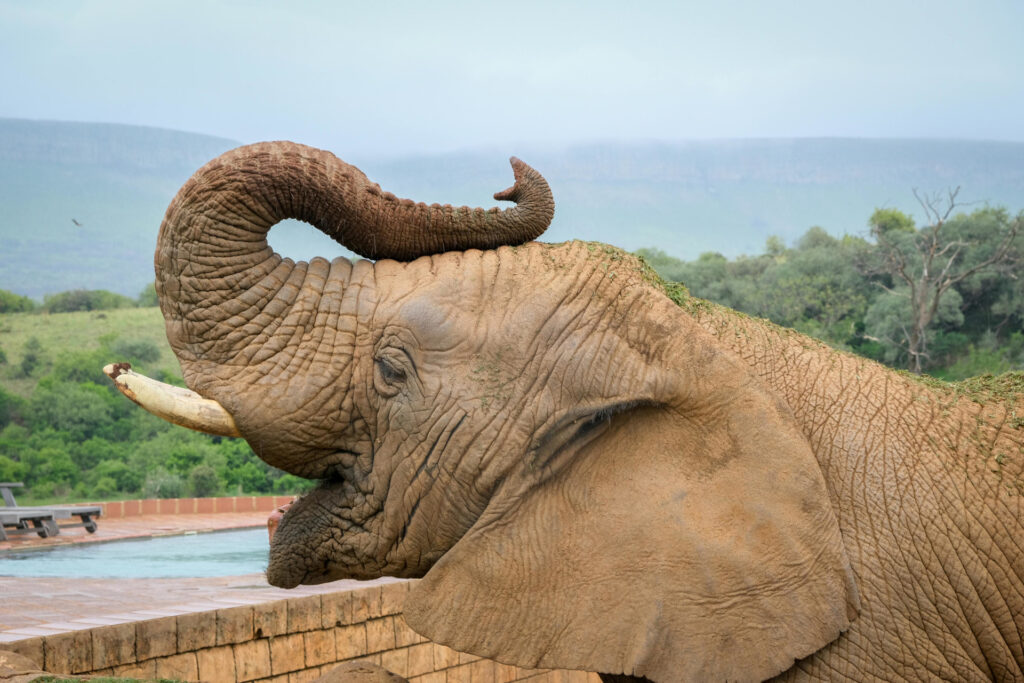
South Africa’s national parks are the backbone of its conservation strategy. The South African National Parks (SANParks) agency oversees a network of 21 protected areas covering more than three million hectares, from the fynbos-rich Table Mountain National Park to the game-filled expanses of Kruger.
Kruger National Park exemplifies the synergy between eco-tourism and conservation. With over 147 mammal species and 500 bird species, it draws international attention while implementing strict anti-poaching measures. Revenue from tourism funds anti-poaching units, habitat restoration projects, and scientific research. Beyond wildlife, the park’s management ensures sustainable tourism infrastructure, including eco-friendly lodges, solar-powered facilities, and carefully regulated safari routes designed to minimize human impact.
Similarly, Addo Elephant Park in the Eastern Cape has become a model of inclusive conservation. Once home to fewer than a dozen elephants, Addo now hosts over 600, thanks to careful management, ecological monitoring, and community engagement. Tourists visiting Addo contribute to these efforts, turning each safari into a conservation act.
Private Game Reserves: Luxury Meets Responsibility
While national parks safeguard vast ecosystems, private game reserves complement these efforts by providing niche conservation opportunities. Many of these reserves operate under eco-tourism principles while offering luxury experiences. The balance between exclusivity and responsibility is delicate but crucial.
Reserves such as Sabi Sand, MalaMala, and Phinda exemplify how tourism can directly fund conservation. Each visitor’s stay contributes to wildlife monitoring, anti-poaching initiatives, and habitat restoration. Unlike traditional parks, private reserves often have smaller, controlled populations and can implement highly adaptive management practices.
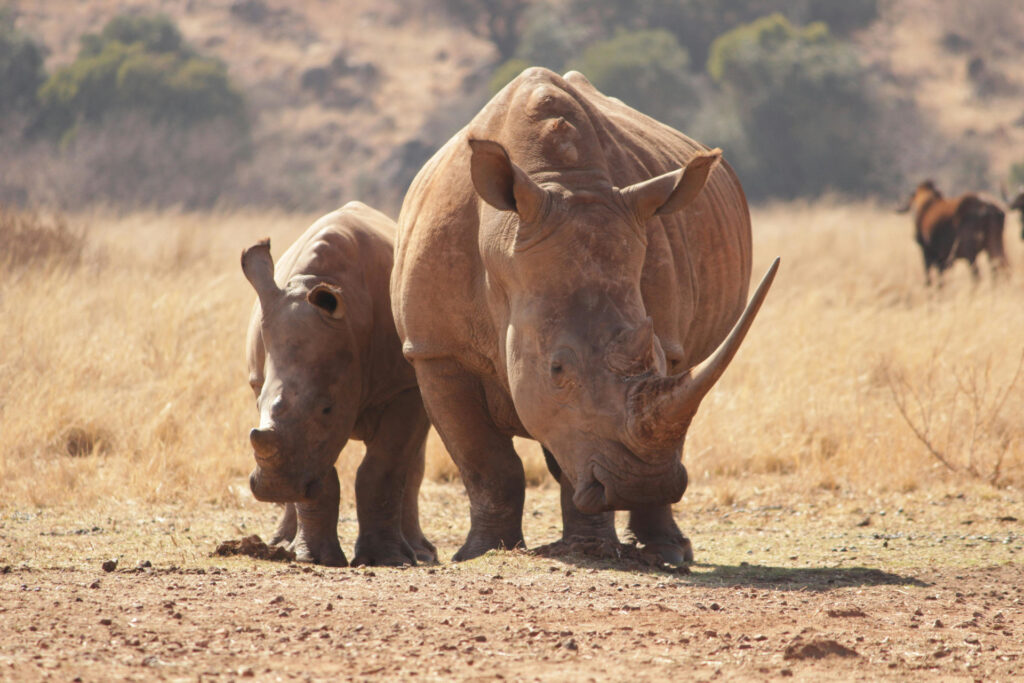
Private reserves also serve as incubators for species reintroduction programs. Cheetahs, wild dogs, and even rhinos have found sanctuary within these areas, safeguarded by intensive veterinary care and state-of-the-art monitoring technologies. Visitors, often guided by experienced rangers, gain not only unforgettable experiences but also a deep appreciation of the delicate interplay between predator, prey, and habitat.
Community-Based Conservation: People as Partners
True conservation cannot succeed without community involvement. South Africa’s eco-tourism model increasingly integrates local populations into its operations, transforming residents into stakeholders and guardians of their own natural heritage.
In KwaZulu-Natal, programs such as the Hluhluwe-Imfolozi Game Reserve’s Community Trust enable nearby villages to benefit directly from tourism revenues. These funds support local schools, healthcare, and micro-businesses, creating tangible incentives to protect wildlife rather than exploit it. In rural areas where human-wildlife conflict has historically been a source of tension, these initiatives foster a sense of ownership and pride, turning potential threats into allies for conservation.
Community engagement extends beyond economics. Cultural experiences, traditional storytelling, and guided nature walks help tourists connect with both the land and its people. In this way, eco-tourism in South Africa transcends the transactional—it becomes an exchange of knowledge, values, and responsibility.
Conservation Technology: Modern Tools for Ancient Challenges
South Africa’s conservation efforts have been enhanced dramatically by technological innovation. Drones, satellite tracking, and artificial intelligence now monitor animal populations, track poachers, and predict environmental changes with unprecedented precision.
The use of GPS collars on elephants and rhinos, for example, allows rangers to respond swiftly to threats and study migration patterns. Camera traps provide insights into elusive species, while anti-poaching drones equipped with infrared sensors patrol vast territories. Even artificial intelligence platforms analyze poaching patterns and optimize ranger deployment.
Tourism plays a supportive role here. Many eco-lodges and reserves allocate a portion of visitor fees to fund technological tools, ensuring that each safari or nature excursion contributes directly to conservation. In this way, guests are transformed from observers into active participants in the fight to preserve South Africa’s biodiversity.
Coastal and Marine Conservation: Protecting the Blue Heart
While South Africa is renowned for its terrestrial wildlife, its marine ecosystems are equally remarkable. The coastline, stretching over 2,500 kilometers, is home to kelp forests, coral reefs, and abundant marine fauna, including the great white shark and southern right whale. Eco-tourism initiatives now extend into these aquatic realms, promoting sustainable diving, whale watching, and coastal conservation projects.
Marine Protected Areas (MPAs), such as the iSimangaliso Wetland Park and Aliwal Shoal, restrict human activity to prevent overfishing and habitat destruction. Tourist participation in beach cleanups, snorkeling tours, and marine research expeditions allows visitors to witness and support conservation firsthand. Eco-tourism thus provides both economic incentive and educational impact, fostering a generation of ocean stewards.
Sustainable Lodging: Living in Harmony with Nature
South Africa’s eco-lodges and green accommodations reflect a growing commitment to sustainability. Constructed from local materials and designed to blend seamlessly with the environment, these establishments minimize energy consumption, reduce water usage, and prioritize waste management.
Many lodges operate on renewable energy sources, utilize greywater systems, and maintain composting toilets. Local sourcing of food and labor strengthens community ties while reducing carbon footprints. Tourists are invited to participate in sustainability practices, from guided nature hikes to wildlife monitoring, transforming their stay into a conscious, impactful experience.
Sustainable lodging is not a compromise on comfort—it represents a philosophy where luxury coexists with ecological responsibility. Guests can experience the grandeur of the savanna or the serenity of the coast without contributing to degradation, embodying the very essence of eco-tourism.
Education and Awareness: Cultivating the Next Generation
Education is a cornerstone of South Africa’s eco-tourism strategy. By fostering awareness among tourists, local communities, and youth, the nation ensures that conservation is a continuous, evolving endeavor.
Interpretive centers, guided tours, and interactive exhibits teach visitors about species diversity, ecological balance, and human impact on the environment. School outreach programs introduce children to conservation science, nurturing future stewards of the land. In addition, citizen science projects allow tourists and locals alike to contribute to biodiversity monitoring and habitat restoration.
By combining hands-on experience with structured learning, eco-tourism in South Africa transcends passive observation. It inspires informed, responsible action and builds a culture of respect for natural systems that extends far beyond a single visit.
Challenges and Resilience
Despite its successes, South Africa faces significant challenges in eco-tourism and conservation. Poaching, climate change, habitat loss, and human-wildlife conflict continue to threaten species and ecosystems. Economic fluctuations and tourism downturns, such as those induced by global pandemics, place additional pressure on conservation funding.
Yet resilience defines South Africa’s approach. Adaptive management strategies, cross-sector partnerships, and innovative funding mechanisms have enabled the nation to navigate these challenges. Public-private collaborations, technology integration, and community-driven programs exemplify how eco-tourism can sustain both livelihoods and ecosystems even in the face of adversity.
A Model for Global Stewardship
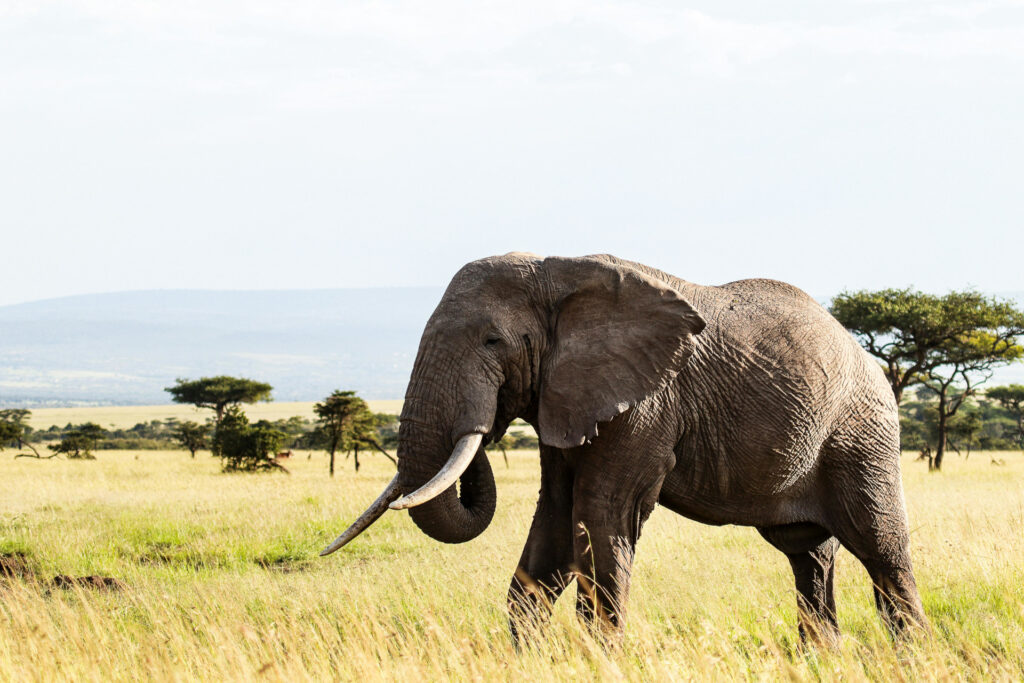
South Africa demonstrates that eco-tourism and conservation are not mutually exclusive. By harmonizing human activity with environmental protection, the nation has crafted a model where tourism generates revenue, fosters education, and supports scientific research—all while safeguarding irreplaceable natural wonders.
Visitors to South Africa do more than witness breathtaking landscapes and remarkable wildlife—they become participants in a broader conservation mission. Each safari, hike, or dive contributes to the protection of biodiversity, the resilience of ecosystems, and the well-being of communities. In this way, eco-tourism transforms from leisure into legacy, ensuring that South Africa’s natural wonders endure for generations to come.
Through policy innovation, community engagement, technological integration, and a steadfast commitment to sustainability, South Africa is not just preserving its environment—it is setting a benchmark for global conservation. Its eco-tourism sector is proof that when humans act as stewards rather than exploiters, the natural world thrives, and humanity prospers alongside it.
Jabulani
Reporting from the frontlines of the South African tourism renaissance. Bridging the gap between regional stories and global audiences through elite narrative strategy.