

A City Rediscovering Its Coastline
Durban has always lived in rhythm with the sea. Its shoreline, stretching for kilometres along the warm Indian Ocean, has drawn traders, settlers, and travellers for centuries. Known historically as the “Golden Mile,” the beachfront is both a playground and a cultural crossroads. Yet for much of the late 20th century and early 2000s, this once-iconic stretch lost some of its sparkle. Infrastructure aged, safety became a concern, and international visitors looked increasingly to Cape Town or Johannesburg as gateways to South Africa.
But cities, like the tides, rise and recede. Over the past decade, Durban has invested in reimagining its waterfront, transforming the Golden Mile into a hub of tourism, culture, and modern urban life. Today, the beachfront is no longer a relic of nostalgia but a symbol of a city proudly stepping into its future while celebrating its roots.
This revival is not just about building new promenades or upgrading hotels. It is about reawakening the cultural, sporting, and social heartbeat of Durban—reintroducing the world to a destination where Zulu heritage, Indian influence, and global tourism converge.
Surfing: The Soul of the Oceanfront
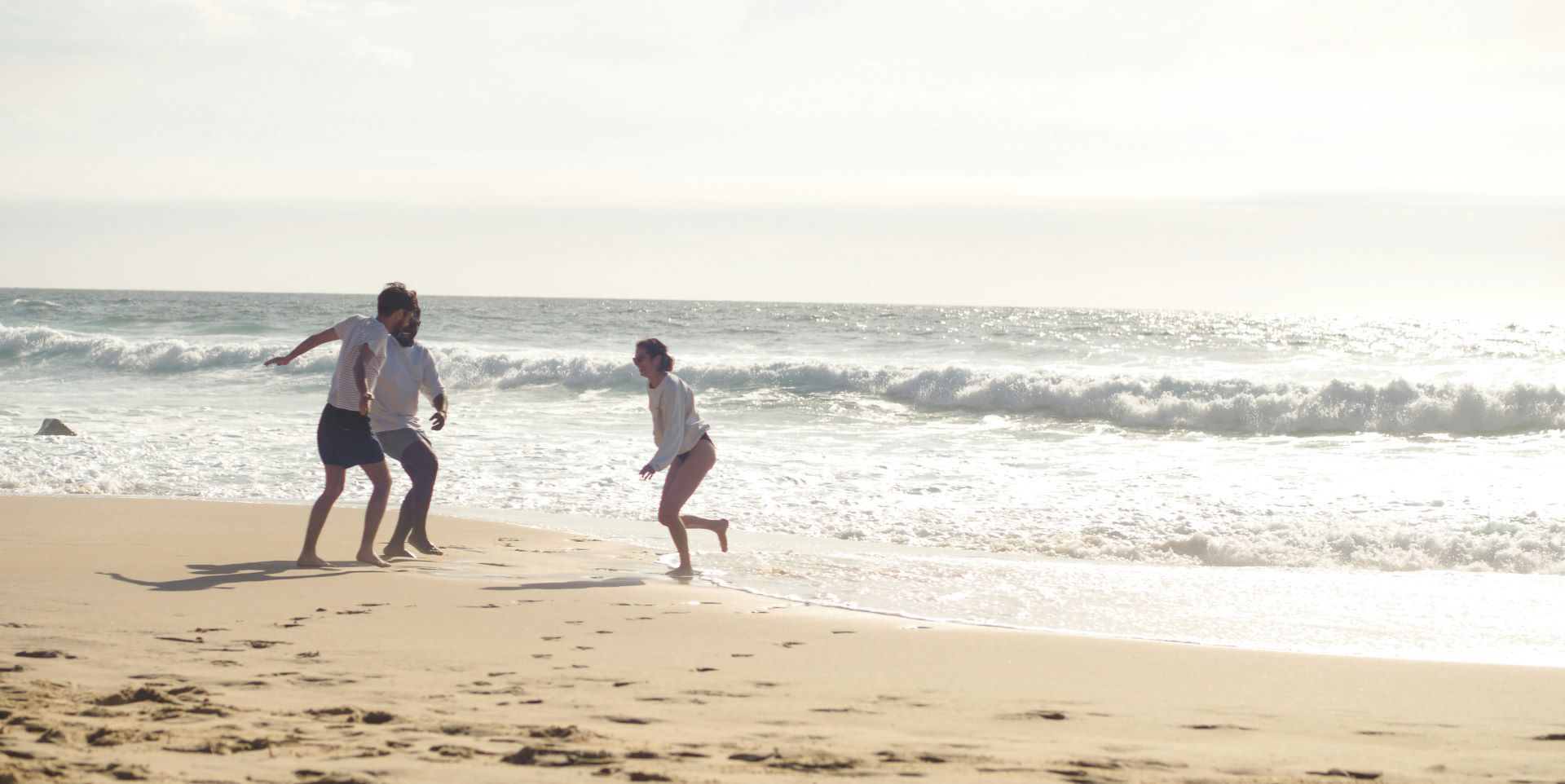
To understand Durban’s beachfront revival, one must first understand surfing. The city’s relationship with the sport goes far beyond waxed boards and breaking waves—it is an identity, a culture, and for many, a livelihood.
Durban’s coastline enjoys some of the most consistent surf in South Africa, with swells rolling in from the Indian Ocean year-round. Unlike Cape Town’s icy Atlantic waters, Durban’s ocean remains comfortably warm even in winter, making it possible to surf in boardshorts when other destinations demand thick wetsuits. This natural advantage has made Durban a surfing capital not only for South Africans but also for international travellers seeking an accessible and welcoming wave culture.
From South Beach’s beginner-friendly waves to the more challenging breaks near North Beach and the Bluff, the shoreline caters to every skill level. Surf schools thrive here, offering lessons to first-time tourists, while seasoned locals carve the waves at dawn, turning the sea into a living canvas of athleticism and artistry.
The sport’s impact on the city is undeniable. International competitions such as the Ballito Pro and past editions of the Gunston 500 have placed Durban firmly on the global surfing map. Local legends have risen from its waves, inspiring new generations to take up the board. Surfing is not just a sport in Durban—it is an emblem of resilience, a connection to the sea, and a bridge across cultural divides.
The Promenade: An Artery of Life
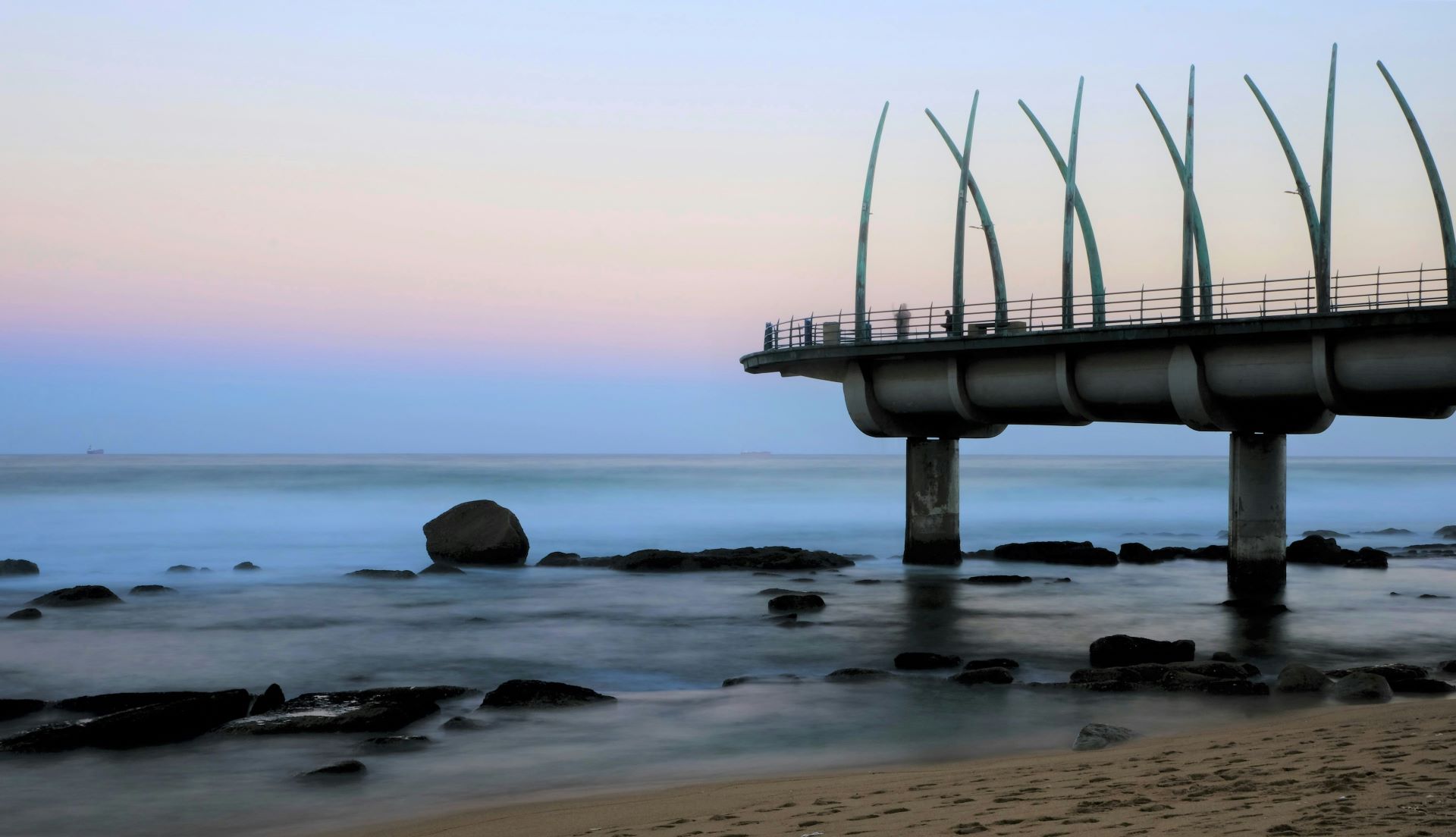
The centrepiece of the revival is Durban’s promenade, which now stretches seamlessly for kilometres from uShaka Marine World in the south to the Suncoast precinct in the north. Wide, well-maintained, and alive with energy, the promenade has become a multi-use artery where the city’s diverse communities intersect.
At sunrise, joggers and cyclists trace its curves, while fishermen cast lines into the surf. As the day warms, families stroll with prams, ice-cream vendors ring their bells, and skateboarders practice tricks against the ocean backdrop. By nightfall, the promenade transforms again—restaurants and bars spilling over with patrons, buskers filling the air with music, and couples enjoying moonlit walks.
What sets Durban’s beachfront apart is not just its beauty but its accessibility. Unlike many urban shorelines around the world, this is a space that belongs to everyone. Locals and tourists share the same benches, swim in the same waves, and dance to the same rhythms. It is a rare democratic space in a city still negotiating the legacy of division.
Culinary Fusion: Durban’s Flavours on the Shore
One cannot speak of Durban without speaking of food. The city is South Africa’s culinary melting pot, shaped by waves of Zulu tradition, Indian migration, and colonial influences. This fusion is nowhere more visible—or more delicious—than along the beachfront.
The most iconic contribution is, of course, the Durban curry. Known for its deep red hue, complex spice profile, and fiery kick, it is a dish that tells the story of Indian indentured labourers who brought their recipes to the colony in the 19th century and adapted them to local ingredients. The beachfront has embraced this heritage with curry houses, bunny chow stands, and modern eateries serving reimagined takes on the classic.
Yet curry is only part of the story. Along the promenade, one can find everything from smoky braais serving boerewors rolls to artisanal gelato counters, seafood platters straight from the harbour, and health-conscious smoothie bars catering to surfers and fitness enthusiasts. Street vendors offer freshly fried vetkoek, steaming samoosas, or sugar-coated pineapples—all served with the warmth and friendliness that defines Durban hospitality.
Food here is not just sustenance—it is theatre, identity, and tourism drawcard. For visitors, a beachfront meal becomes a cultural experience in itself, a chance to taste the diversity that defines Durban.
A Cultural Crossroads
Durban’s beachfront is more than sand and surf. It is a stage where cultures collide and collaborate. On weekends, Zulu dancers in traditional attire perform near amphitheatre spaces, their movements echoing ancestral rhythms. Nearby, street musicians strum guitars, buskers perform for crowds, and vendors display beadwork, wood carvings, and paintings inspired by the sea.
The beachfront has also become a venue for festivals and events that highlight Durban’s cultural wealth. From music concerts to art fairs and lifestyle markets, these gatherings turn the promenade into a celebration of identity and creativity. Importantly, these aren’t staged performances for tourists alone—they are authentic expressions of a community that thrives on diversity.
This cultural fusion has become a tourism differentiator. While Cape Town may boast Table Mountain and Johannesburg its urban dynamism, Durban offers something unique: a living, breathing cultural experience that is as casual as a barefoot stroll yet as profound as a heritage dance at sunset.
Tourism Beyond the Sand
The beachfront revival has also unlocked opportunities beyond the sand. Attractions such as uShaka Marine World provide family-friendly entertainment, blending aquariums, waterparks, and ocean conservation education. The Suncoast precinct offers cinemas, casinos, and dining experiences that extend the tourism offering late into the evening.
Sports tourism is another growing pillar. From cycling events along the promenade to marathons and triathlons that integrate the beachfront route, Durban has positioned itself as a host city for endurance sports. The annual Comrades Marathon and Dusi Canoe Marathon may be the city’s historic sporting gems, but the beachfront now complements them with year-round events that drive both domestic and international travel.
Eco-tourism is also on the rise. Initiatives promoting sustainable travel, ocean conservation, and green infrastructure are increasingly tied to the beachfront, attracting a new generation of environmentally conscious travellers.
Challenges and Solutions
Revival does not come without challenges. Durban has had to confront issues of safety, water quality, and urban management to ensure its beachfront remains attractive to visitors. Collaboration between city authorities, tourism boards, and private stakeholders has been key to addressing these concerns.
Investment in visible policing and surveillance has improved perceptions of safety, while community-led initiatives have encouraged greater public ownership of the space. Environmental efforts, including beach clean-ups and anti-pollution campaigns, have highlighted the importance of sustainability in protecting Durban’s greatest asset—the ocean.
The city’s success has been in recognising that the beachfront cannot be treated as an isolated tourism product. It must function as part of a wider urban ecosystem, integrating transport links, hospitality, and cultural initiatives to create a holistic visitor experience.
Looking Ahead: The Future of Durban’s Beachfront
Durban’s beachfront revival is far from complete—it is an ongoing project shaped by global tourism trends, local ambition, and the unpredictable rhythm of the ocean itself. Future plans include expanded cycle routes, enhanced entertainment districts, and stronger positioning of the beachfront as a hub for international events.
The real challenge will be balance: preserving authenticity while embracing modernisation, ensuring inclusivity while attracting high-value tourism, and safeguarding the environment while driving economic growth. If Durban succeeds, its beachfront could stand not only as South Africa’s seaside jewel but as a model of urban coastal revival worldwide.
A Symbol of Renewal
In many ways, Durban’s beachfront revival is about more than tourism. It is a story of a city reclaiming its pride, redefining its identity, and offering the world a new reason to visit South Africa’s east coast.
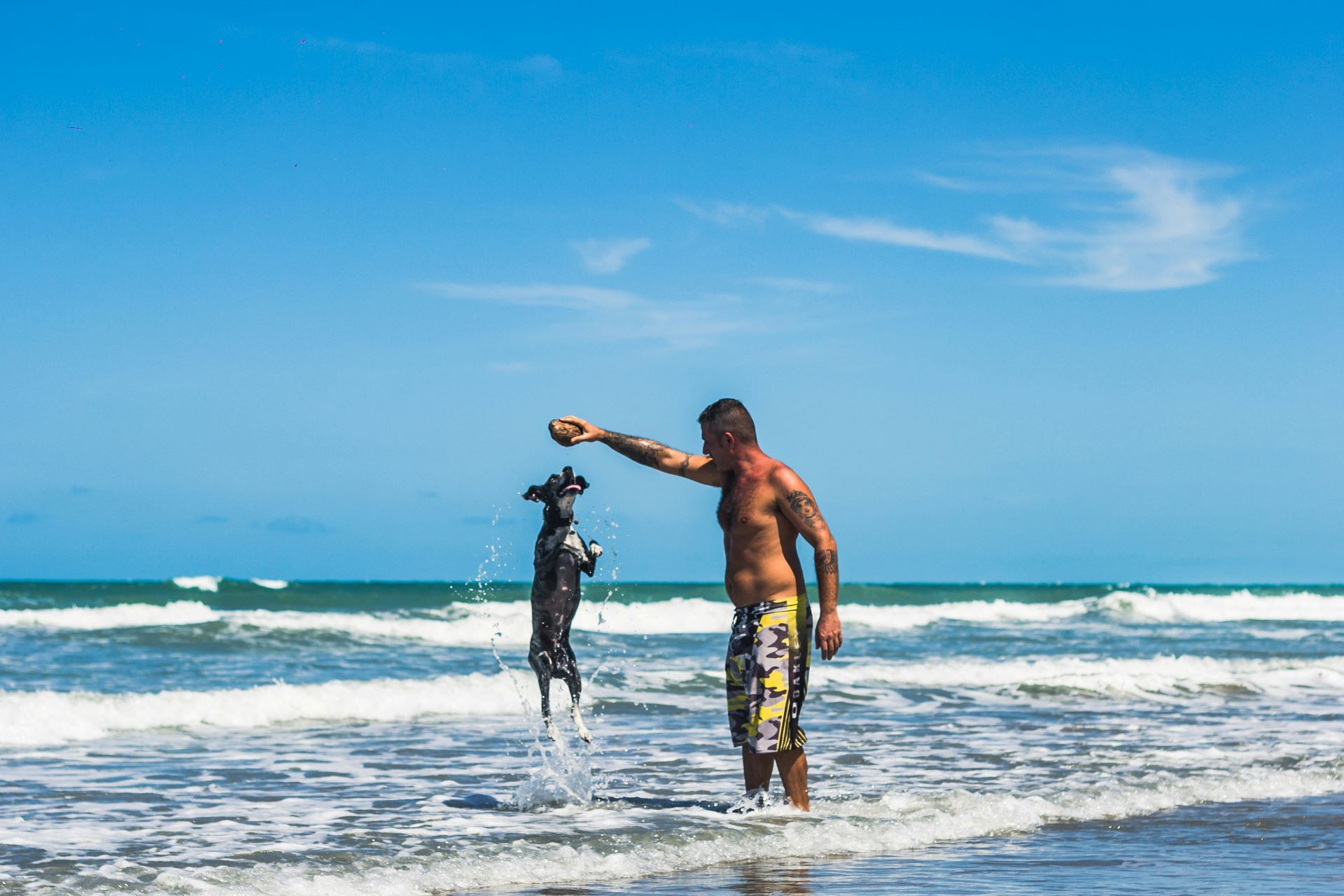
For the surfer, it is warm waves and a community that lives by the tide. For the foodie, it is a journey of spice, smoke, and flavour. For the culture-seeker, it is the dance, the song, and the craft of a city that celebrates diversity. For locals, it is the rediscovery of a space that belongs to them—shared, inclusive, and alive.
Durban has always been a city of fusion. Now, with its beachfront revival, it has fused past and present, tradition and modernity, ocean and urban life into a singular experience. It is not just a beachfront—it is the beating heart of Durban’s renaissance.
Elisha Roodt
Reporting from the frontlines of the South African tourism renaissance. Bridging the gap between regional stories and global audiences through elite narrative strategy.