

South Africa’s diverse landscapes have long captivated travelers, from dramatic coastlines to lush vineyards. Yet among all its treasures, the Kalahari Desert stands apart—a land of vast horizons, red dunes that ripple like molten fire, and nights filled with stars that feel close enough to touch. Far from barren, the Kalahari offers a playground for explorers seeking adventure, serenity, and a deeper connection with the natural world. Here, sandboarding down towering dunes becomes a ballet of adrenaline, hiking across arid landscapes a lesson in resilience, and stargazing a meditation under one of the most pristine skies on the planet.
This is a desert that tests, rewards, and transforms. Unlike the traditional safari lodges of South Africa’s game parks, the Kalahari offers intimacy—a chance to witness life in its rawest form, where wildlife has adapted to extremes and the silence itself becomes a companion. For travelers ready to embrace its challenges, the Kalahari promises experiences that are thrilling, humbling, and unforgettable.
The Timeless Allure of the Kalahari
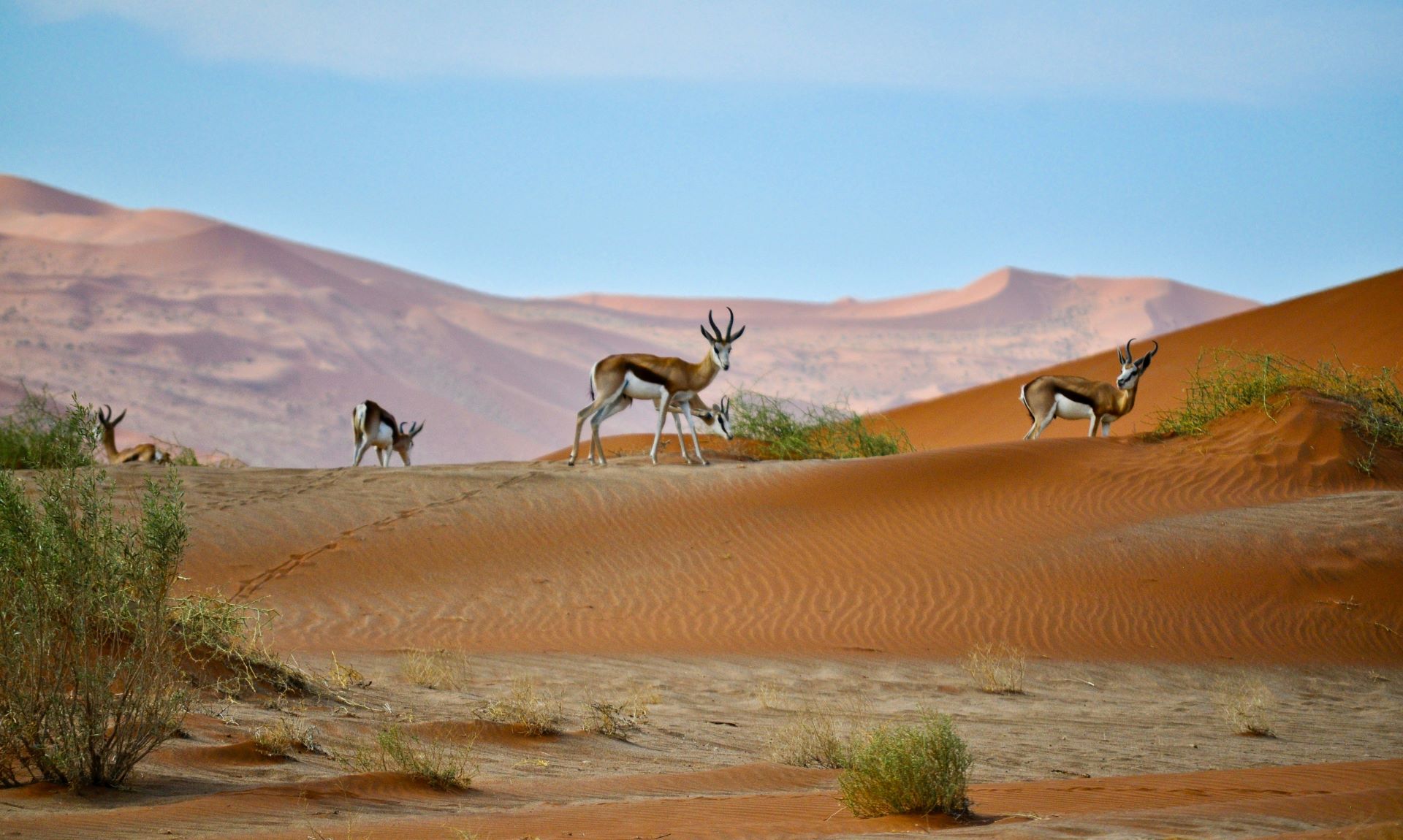
The Kalahari Desert stretches across the Northern Cape and beyond, its vastness both daunting and seductive. Its name, derived from the Tswana word Kgala, meaning “the great thirst,” hints at the challenges inherent in such an environment. Yet life thrives in subtle, astonishing ways. Giant red dunes undulate across the landscape, sculpted by relentless winds, while seasonal pans transform into reflective mirrors after the rains, creating ephemeral vistas of surreal beauty.
Days in the Kalahari are painted in contrasts—the searing sun illuminates the dunes, casting sharp shadows that accentuate the desert’s sculpted forms. Nights bring cool relief, cloaking the landscape in deep indigos and purples as the first stars appear. Amid this vastness, travelers are reminded of nature’s scale and power.
The desert is also a living cultural archive. For millennia, the San people have called this land home. Their rock art, storytelling traditions, and profound understanding of the environment offer insights into survival, adaptation, and spiritual connection with the earth. Today, guided experiences allow visitors to witness this heritage firsthand, whether through walking tours, storytelling sessions, or interactive demonstrations of ancient hunting and tracking techniques. The Kalahari is thus a landscape of both adventure and introspection, where every step carries a sense of history.
Sandboarding: Riding the Desert Waves
No visit to the Kalahari is complete without embracing the exhilaration of sandboarding. Towering dunes, some hundreds of meters high, invite travelers to strap in and descend with gravity as their guide. Unlike snowboarding, sandboarding requires a keen understanding of shifting terrain. Each slope behaves differently: some sections offer smooth acceleration, while others demand careful navigation to avoid sudden sand traps.
Locations near Kgalagadi Transfrontier Park are particularly popular, offering dunes with striking red-orange hues that glow at sunrise and sunset. Whether it’s a beginner taking their first hesitant ride or an experienced thrill-seeker chasing the perfect line, sandboarding embodies the essence of kinetic desert adventure. Beyond adrenaline, it also fosters a tactile connection to the landscape—the sensation of sliding over warm, granular sand, the sound of grains cascading beneath the board, and the wind whipping across exposed skin, all create a visceral, unforgettable experience.
Sandboarding isn’t merely a recreational activity; it’s a metaphor for desert life itself. The dunes shift constantly, requiring adaptability and attention, reminding visitors that the Kalahari is alive, changing, and unpredictable. Each ride is a lesson in surrendering to the elements while relishing the sheer joy of movement.
Desert Wildlife: Adaptation in Action
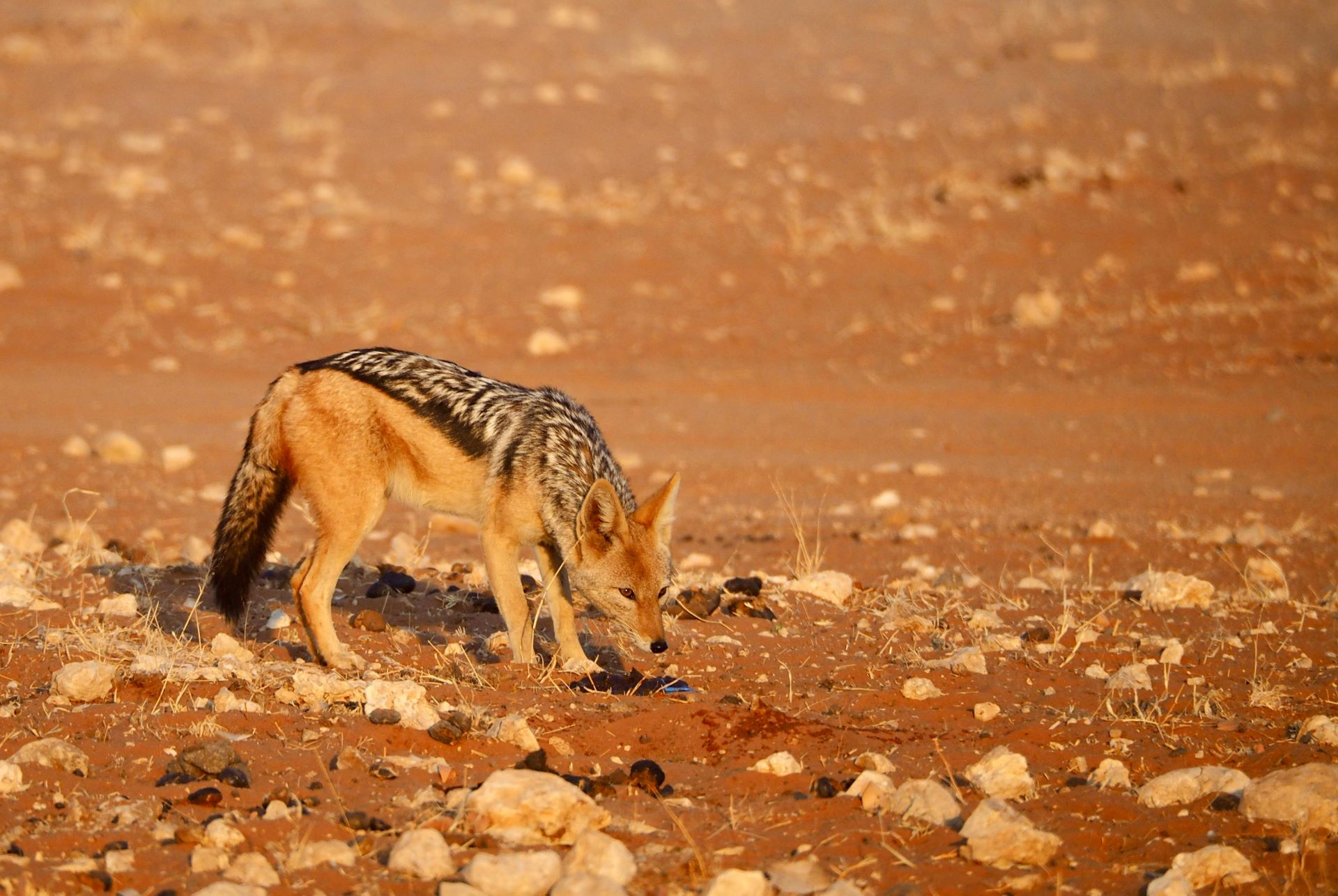
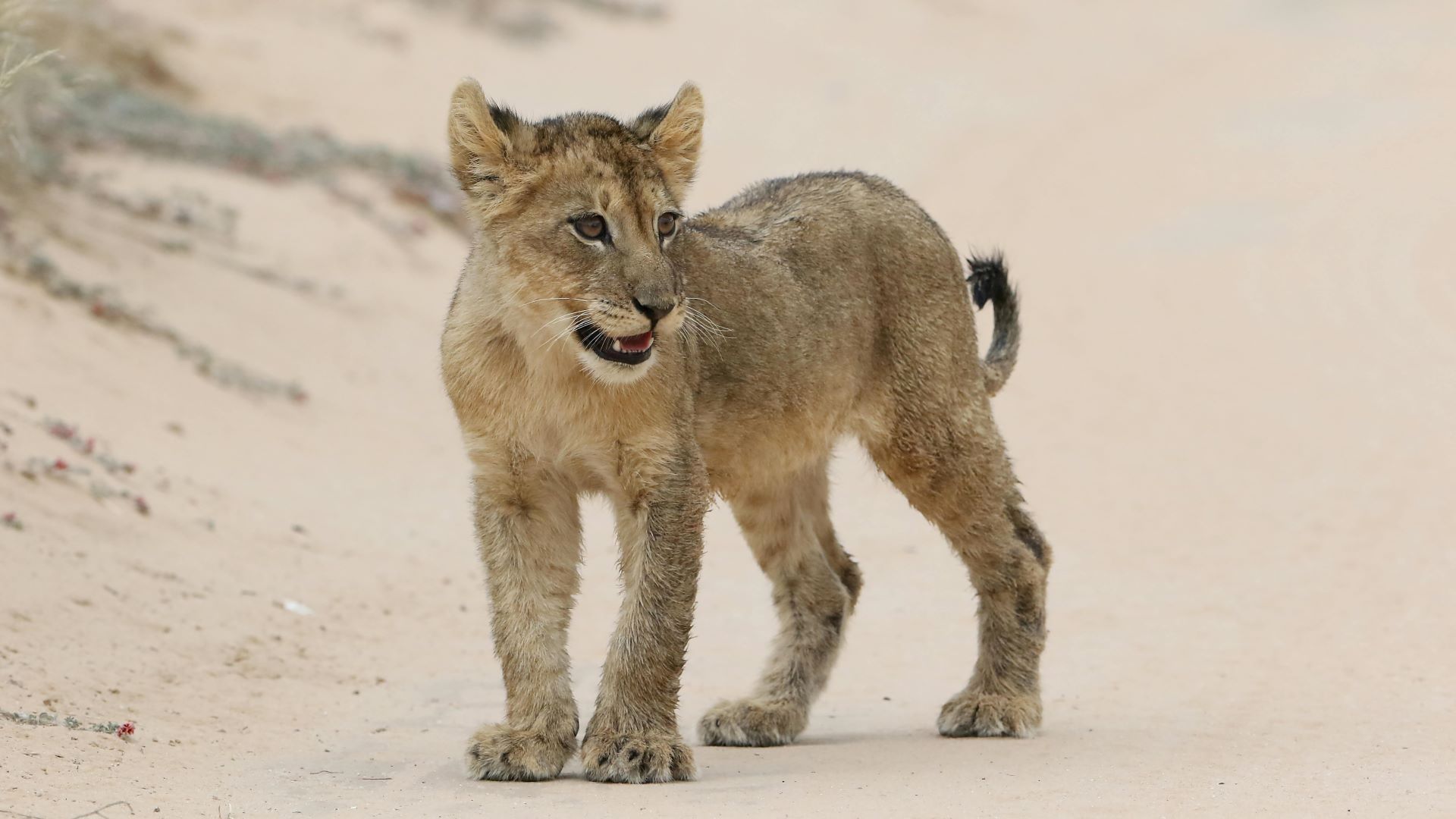
While the Kalahari is renowned for its sandscapes, it is equally celebrated for its wildlife. Creatures here have evolved to survive in extreme conditions, offering encounters distinct from South Africa’s traditional game reserves. Meerkats, with their playful social hierarchies, scuttle across the dunes, performing a daily drama of survival. Gemsbok, springbok, and wildebeest traverse the arid plains in elegant procession, while predators like cheetahs and lions adapt their hunting strategies to the sparse vegetation and open spaces.
Guided safaris reveal the intricacies of this desert ecosystem. Knowledgeable guides point out tracks and signs, share stories of animal behavior, and explain how life persists despite limited water and harsh temperatures. These experiences cultivate a profound respect for adaptation and survival. Unlike more populated reserves, the Kalahari offers solitude—a chance to witness wildlife without the crowd, creating moments of intimacy with nature that feel both rare and sacred.
Nighttime adds another layer of fascination. Nocturnal species emerge, from the diminutive bat-eared fox to the vigilant aardvark. Observing these creatures in their natural rhythm reinforces the desert’s role as a stage for life’s subtle, persistent drama. For wildlife photographers and enthusiasts, the Kalahari’s arid expanses provide unparalleled opportunities for capturing animals in striking, unspoiled settings.
Stargazing: A Celestial Masterpiece
When night falls, the desert transforms. Devoid of urban light pollution, the Kalahari sky unfurls as a vast canvas of stars. The Milky Way stretches overhead with dazzling clarity, while familiar constellations mingle with Southern Hemisphere-specific wonders like the Magellanic Clouds. Meteor showers occasionally streak across the horizon, and the sheer density of stars can leave even the most seasoned travelers breathless.
Many lodges and camps arrange guided stargazing sessions. Experts use telescopes to highlight planetary movements, distant galaxies, and celestial phenomena, often weaving stories of African mythology, astronomy, and navigation. Yet even without a guide, simply lying on the warm sand, gazing upward, becomes a contemplative ritual. The desert’s night sky offers not just beauty, but perspective—a reminder of one’s smallness against the universe, and the grandeur of nature’s vastness.
Cultural Immersion: Learning from the San
Beyond adrenaline and natural beauty, the Kalahari offers profound cultural experiences. The San people’s intimate knowledge of the desert is unparalleled, spanning hunting techniques, water sourcing, and ecological awareness. Visitors can participate in tracking walks, learning how to read subtle signs in the sand, identify edible plants, and understand animal behaviors.
Storytelling sessions, often around a campfire under the stars, reveal myths, cosmology, and the oral history of the desert. These narratives are more than entertainment—they are a bridge between past and present, demonstrating how humans can harmonize with extreme environments. Travelers leave with not only memories of dramatic dunes but also insights into resilience, resourcefulness, and connection to the natural world.
Seasonal Highlights and Optimal Travel Times
The Kalahari is a land of extremes, and timing a visit can transform the experience. Winter months, from May to September, offer cooler temperatures, making outdoor activities like hiking and sandboarding more comfortable. Wildlife is often easier to spot during this period as animals congregate around water sources, creating unique photographic opportunities.
The summer rains, from November to March, bring a different kind of magic. The desert blooms with ephemeral wildflowers, salt pans fill to reflect the sky, and migratory bird species arrive, creating a vibrant ecosystem in contrast to the arid surroundings. Each season offers distinct experiences, ensuring that no two visits are ever the same.
Lodges, Camps, and Unique Stays
Accommodation in the Kalahari ranges from luxury lodges to intimate, eco-conscious camps. Many are designed to harmonize with the environment, featuring solar-powered facilities, natural materials, and open views of the dunes. Guests can wake to the sun rising over vast red sands, enjoy meals under acacia trees, and end the day with guided walks or stargazing.
Some lodges offer immersive packages, combining wildlife safaris, sandboarding, cultural experiences, and photography workshops. For those seeking solitude, smaller camps provide an intimate retreat, where the only sounds are the wind shifting dunes and nocturnal wildlife stirring. These stays emphasize sustainability, comfort, and connection, allowing travelers to experience the desert’s beauty without compromising its fragile ecosystem.
Adventure Beyond the Dunes
While sandboarding and safaris are core experiences, the Kalahari also offers adventure in quieter, introspective forms. Guided hikes reveal hidden pans, ancient riverbeds, and panoramic views that stretch to the horizon. Photographers find endless inspiration in the interplay of light and shadow, capturing the desert’s dramatic landscapes in ways impossible elsewhere. Birdwatchers and naturalists uncover species uniquely adapted to arid climates, enriching the understanding of this diverse ecosystem.
For those seeking adrenaline with nuance, night drives and camel excursions provide alternative perspectives of the desert. Each mode of exploration offers different sensory experiences—the crunch of sand underfoot, the shimmer of starlight on dunes, the distant roar of lions—reminding travelers that adventure comes in many forms, not all measured in speed or risk.
Travel Tips and Practical Advice
Exploring the Kalahari requires preparation. Temperatures vary dramatically between day and night, so layered clothing is essential. Sunscreen, hats, and hydration are non-negotiable, particularly during summer months. Footwear suitable for sand hiking is recommended, while binoculars and cameras enhance wildlife and stargazing experiences.
Travelers should plan itineraries that balance activity and rest. Long drives can be challenging, and mobile connectivity is limited in many areas. Embracing the desert’s rhythms—its slow mornings, quiet afternoons, and luminous nights—is part of the experience. Many lodges provide guidance on safe travel routes, seasonal highlights, and culturally respectful interactions, ensuring that visitors gain both enjoyment and understanding from their journey.
Photography and Storytelling in the Desert
The Kalahari is a dream for photographers and storytellers alike. Its striking color palette—fiery dunes, emerald vegetation, and cobalt skies—provides endless opportunities for dynamic, cinematic imagery. Sunrise and sunset are particularly dramatic, transforming the landscape with warm, shifting hues. Wildlife photography demands patience and observation, as animals are often elusive, blending seamlessly into their arid environment.
For writers, the desert offers rich narrative possibilities. The interplay between solitude and adventure, human history and natural spectacle, allows stories that are introspective yet vivid, combining sensory detail with emotional resonance. Travelers often return with both photographs and stories, each capturing the essence of a place where nature feels at once immense and intimate.
A Journey of Discovery
The Kalahari Desert is not merely a destination—it is an invitation. An invitation to step into a world of extremes, to embrace silence as much as exhilaration, to connect with wildlife, culture, and the cosmos in ways few landscapes allow. From the rush of sandboarding down crimson dunes to the quiet wonder of stargazing under an infinite sky, every moment in the desert is a lesson in resilience, beauty, and presence.
For travelers seeking more than conventional tourism, the Kalahari offers an immersive, unforgettable adventure. It challenges the body, excites the senses, and nourishes the soul, proving that South Africa’s deserts are as vibrant, compelling, and essential to explore as its savannas, coasts, and cities. The desert calls—not just to see, but to experience, engage, and remember.
Gerald Ferreira
Reporting from the frontlines of the South African tourism renaissance. Bridging the gap between regional stories and global audiences through elite narrative strategy.