

South Africa, a land of breathtaking landscapes and rich cultural tapestries, invites the adventurous traveler not only to witness its natural beauty but also to immerse in a culinary journey that is as diverse as its people. From the sun-drenched vineyards of the Western Cape to the vibrant street markets of Johannesburg and the coastal bounty of the Eastern Cape, the country’s food and wine culture is an evocative narrative of history, geography, and innovation. This article uncovers South Africa’s gastronomic heritage, weaving together stories of tradition, terroir, and modern culinary artistry.
The Roots of South African Cuisine: A Cultural Mosaic
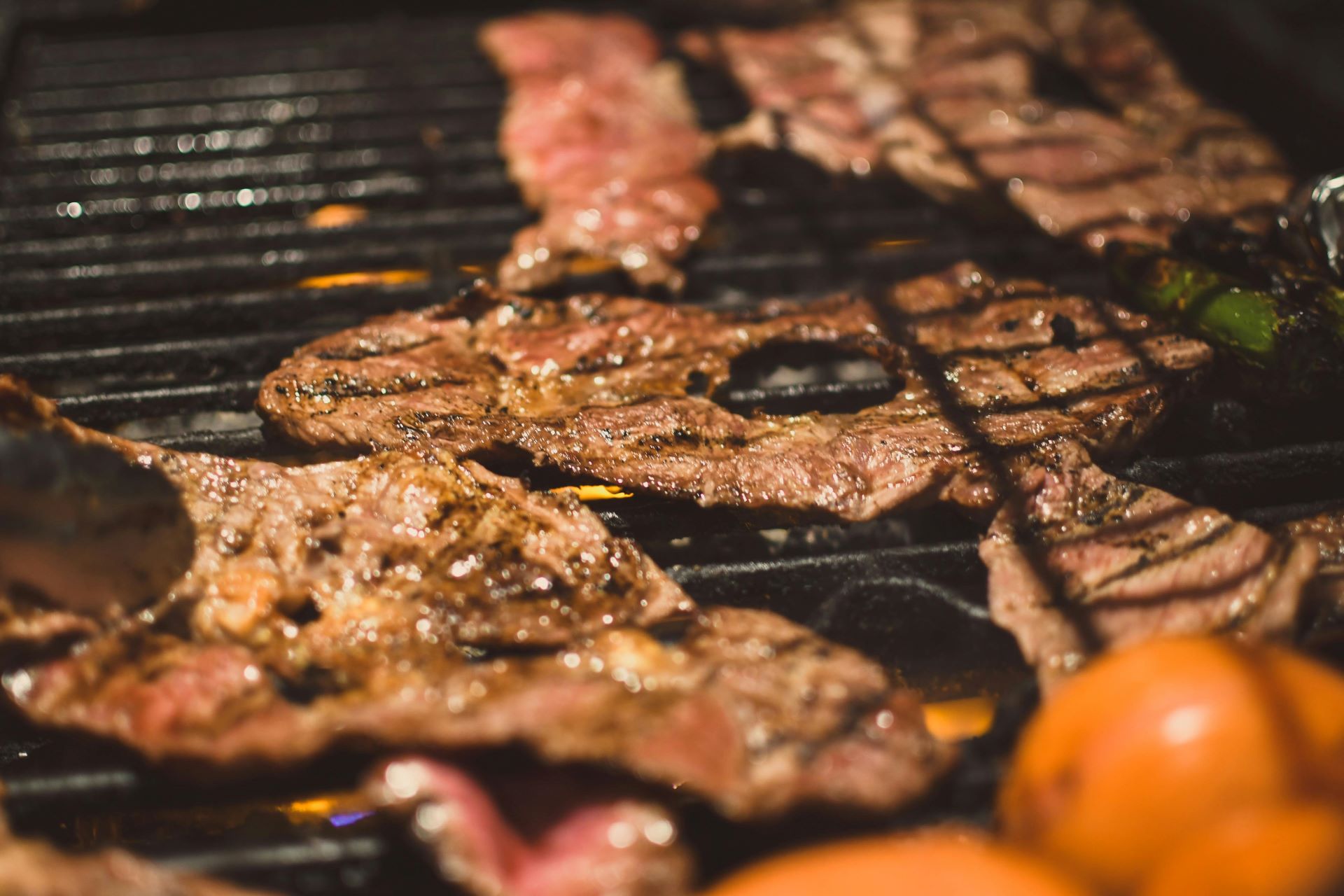
South African cuisine is a vivid mosaic reflecting centuries of indigenous customs, colonial influences, and global exchanges. The culinary landscape is shaped by the indigenous Khoisan and Bantu peoples, whose knowledge of native ingredients and cooking techniques laid the foundation. Their use of wild herbs, grains, and game meats remains an enduring influence.
With the arrival of Dutch settlers in the 17th century, and later British colonialists, the palate began to broaden. The Cape Malay community introduced aromatic spices and sweet-savory dishes, while Indian and Indonesian migrants contributed rich curries and complex flavour profiles. This multicultural layering gave rise to iconic dishes such as bobotie, a fragrant curried mince bake, and bredie, slow-cooked stews imbued with earthy depth.
In contemporary South Africa, the echoes of these culinary legacies resonate in restaurants and homes alike. Chefs and food artisans embrace this diversity, creating menus that honor tradition while pushing boundaries.
The Western Cape: Heart of South African Wine Country
No discussion of South African food culture is complete without celebrating its globally acclaimed wine industry. The Western Cape, especially the Stellenbosch, Franschhoek, and Paarl regions, offers a sensory voyage through rolling vineyards and historic estates.
The vineyards flourish in Mediterranean climates, where sun-soaked days and cool nights produce grapes with exceptional complexity. South Africa’s signature varietals — Chenin Blanc, Pinotage, and Shiraz — reflect the terroir’s uniqueness. Pinotage, a homegrown cross between Pinot Noir and Cinsault, is particularly symbolic, marrying fruit-forward intensity with smoky undertones.
Wine estates here are more than production sites; they are culinary destinations. Many estates boast world-class restaurants where chefs craft menus that harmonize perfectly with their vintages. Imagine tasting a delicate Sauvignon Blanc alongside freshly caught West Coast seafood, or savoring a bold Shiraz paired with succulent Karoo lamb. These curated experiences elevate both wine and food, drawing visitors into a celebration of local bounty.
Beyond the Vineyards: Regional Flavours and Food Experiences
South Africa’s culinary map extends far beyond the Western Cape’s vineyards. Each province offers distinctive food narratives shaped by geography and culture.
In KwaZulu-Natal, the Indian Ocean’s proximity enriches coastal cuisine with seafood delights, from grilled line fish to prawn curry. The province is also home to Durban’s famed bunny chow—a hollowed-out loaf filled with spicy curry, a street food born from Indian indentured laborers. Its fiery and aromatic nature offers a vibrant contrast to the country’s more subtle dishes.
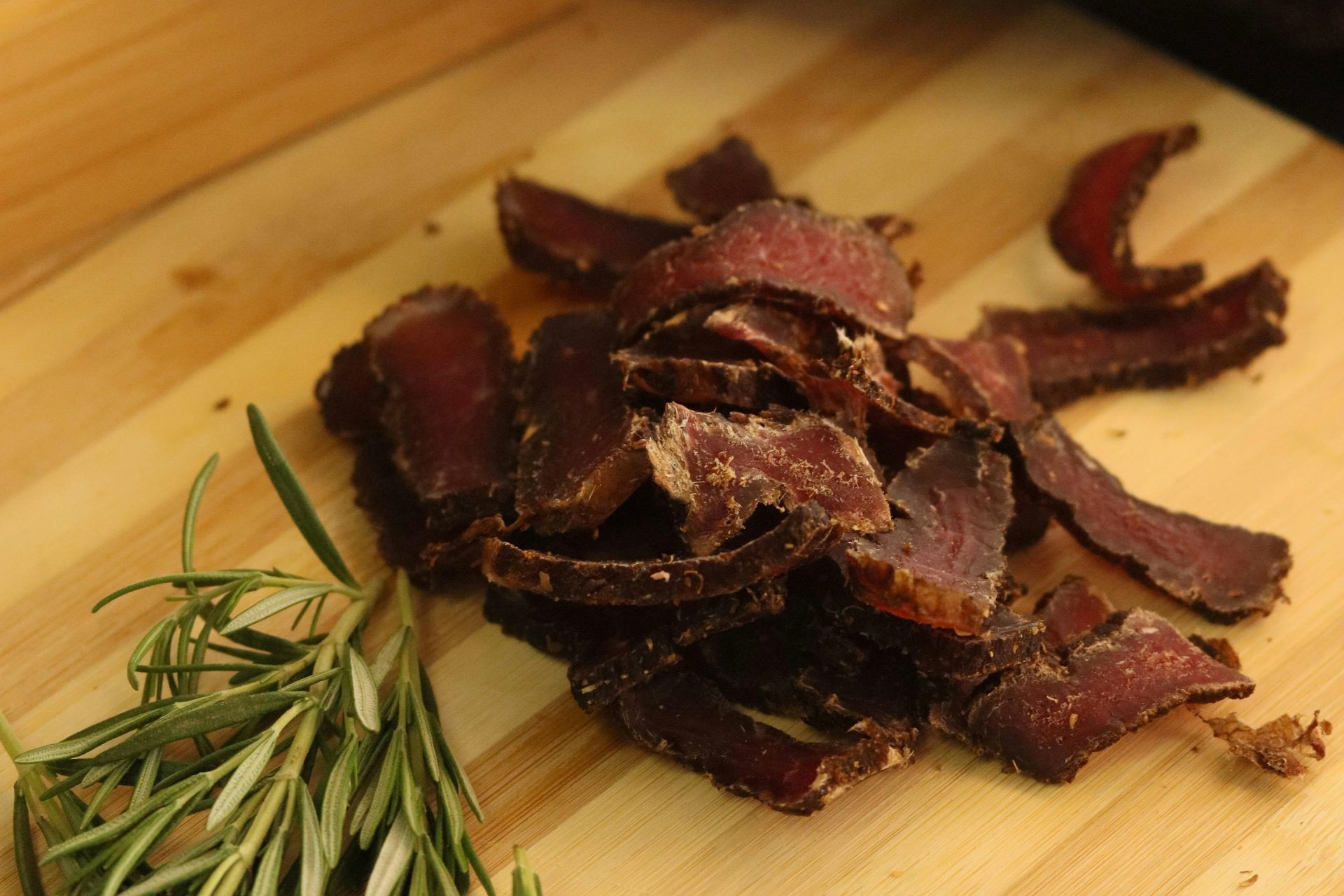
The Eastern Cape’s cuisine reflects Xhosa traditions, with staple ingredients such as maize meal (pap), wild herbs, and smoked meats forming the backbone of everyday meals. Here, indigenous cooking methods like open-fire roasting and fermentation are still practiced, preserving authentic flavours that tell stories of resilience and heritage.
In Gauteng, South Africa’s economic powerhouse, food culture is urban and eclectic. The city of Johannesburg pulses with a cosmopolitan dining scene, fusing traditional flavours with global trends. Markets and eateries showcase everything from African game meat to international fusion dishes, reflecting the city’s dynamic, multicultural identity.

The Art of Food Pairing: South African Wine and Local Ingredients
Pairing food and wine is a subtle art, one South Africa has mastered by marrying its diverse ingredients with the character of its wines. The country’s chefs and sommeliers often draw inspiration from indigenous flavours when selecting wine accompaniments.
Take, for example, the indigenous rooibos tea, known worldwide for its health benefits and subtle earthiness. Rooibos reduction sauces or infusions have found their way onto modern plates, paired with robust reds or crisp whites to create balanced, layered tasting experiences.
Similarly, the use of game meats such as springbok or kudu offers rich, lean textures that demand wines with both structure and finesse. A well-chosen Pinotage or Cabernet Sauvignon enhances the wild notes of the meat, while softer varietals like Viognier complement spicier, herb-infused dishes.
Culinary Innovation and Sustainability in South Africa
South Africa’s culinary scene is also a laboratory of innovation, with chefs and producers leading efforts to promote sustainability and elevate indigenous ingredients.
Farm-to-table practices are gaining momentum, with many restaurants sourcing locally to reduce carbon footprints and support small-scale farmers. This not only ensures freshness but fosters community development and biodiversity preservation.
A growing number of chefs are revisiting ancient grains like sorghum and millet, incorporating them into contemporary dishes that respect tradition while catering to modern palates. These grains, resilient to drought, also align with sustainability goals in a country where climate change poses ongoing challenges.
Urban farms and coastal aquaculture projects further exemplify this shift, introducing novel ingredients and techniques to South African menus. This evolution is not just about environmental responsibility; it is a renaissance of culinary identity, where every ingredient carries a story and a sense of place.
Food Festivals and Culinary Tourism: Experiencing South Africa’s Flavours Firsthand
For travellers seeking immersive culinary experiences, South Africa hosts a vibrant calendar of food and wine festivals that showcase the country’s gastronomic excellence.
Events like the Knysna Oyster Festival celebrate local seafood with lively tastings and cooking demonstrations, while the Franschhoek Literary Festival pairs literary discussions with gourmet meals and wine tastings. The Cape Town Good Food & Wine Show is another highlight, gathering top chefs, sommeliers, and food lovers for a multi-day feast of flavours.
Beyond festivals, culinary tours provide intimate encounters with producers, vintners, and chefs. Visitors can explore organic farms, artisanal cheese dairies, and traditional markets, gaining insights into the craft behind each product.
These journeys deepen appreciation not only for the food itself but for the communities and landscapes that nurture it, creating lasting memories that transcend the plate.
A Culinary Heritage Worth Savoring
South Africa’s food and wine culture is a rich tapestry woven from its diverse peoples, landscapes, and histories. Its culinary trails beckon explorers to taste stories of migration, innovation, and connection. From the vineyards of the Western Cape to the bustling markets of Johannesburg and the coastal kitchens of KwaZulu-Natal, every dish and every glass of wine speaks of a land where tradition and modernity intertwine.
For the curious traveller or the passionate gastronome, South Africa offers an unforgettable journey — one where every bite is an invitation to discover the soul of the nation.
Mandla Ndlovu
Reporting from the frontlines of the South African tourism renaissance. Bridging the gap between regional stories and global audiences through elite narrative strategy.