

Cape Town – A Melting Pot of Flavours
South Africa’s culinary journey begins in Cape Town, where history, culture, and geography converge to create one of the most diverse gastronomic landscapes in the country. Nestled between the imposing Table Mountain and the shimmering Atlantic Ocean, Cape Town is more than a visual feast—it is a city that tells its story through food. The legacy of the Cape Malay community, who settled in the city centuries ago, is perhaps the most vibrant thread in this tapestry. Their influence is felt in the brightly painted streets of Bo-Kaap, where the scent of spices drifts from every doorway, inviting visitors to explore the rich flavours that have become synonymous with the city.
Cape Malay cuisine is a celebration of complexity, layering spices, textures, and aromas into dishes that are both comforting and bold. Curries infused with cinnamon, turmeric, and cardamom are central to the cuisine, often balanced by the sweetness of dried fruits or the subtle tang of vinegar. Bobotie, widely regarded as a national treasure, epitomizes this balance. It is a baked dish of curried minced meat topped with an egg custard, often garnished with almonds or bay leaves. Each bite tells a story, blending Malay, Dutch, and local influences into a harmony of flavours.
Visiting a Cape Malay kitchen is as much a cultural experience as a culinary one. Many families open their doors to travellers, offering cooking classes or guided tasting sessions that provide insight into ingredient selection, spice combinations, and traditional preparation methods. Dishes are often paired with homemade breads, chutneys, and pickles, each contributing a layer of depth to the meal. Even desserts, like the syrupy koeksister or delicate milk tart, reflect centuries of ingenuity, transforming humble ingredients into iconic treats.
Beyond Bo-Kaap, Cape Town’s dining scene stretches from the bustling harbour to serene vineyards in the surrounding Cape Winelands. Waterfront restaurants serve freshly caught seafood, prepared with minimal fuss to highlight the natural flavours of fish, calamari, and line-caught lobster. In contrast, vineyard estates offer a more curated culinary experience, pairing artisanal cheeses, hand-baked breads, and locally foraged vegetables with world-class wines. These settings allow visitors to savour the terroir, understanding how soil, climate, and culture shape both food and drink.
Markets are another integral part of Cape Town’s culinary identity. The Neighbourgoods Market in the Old Biscuit Mill, for example, is a bustling hub of local creativity, where farmers, artisans, and chefs converge to showcase seasonal produce, baked goods, and small-batch condiments. Here, visitors can taste artisanal chocolates, sip on fynbos-infused gins, or enjoy a gourmet sandwich made with house-cured meats. The market is also a place of exchange—recipes are shared, stories are told, and culinary traditions are passed on, bridging generations and cultures.
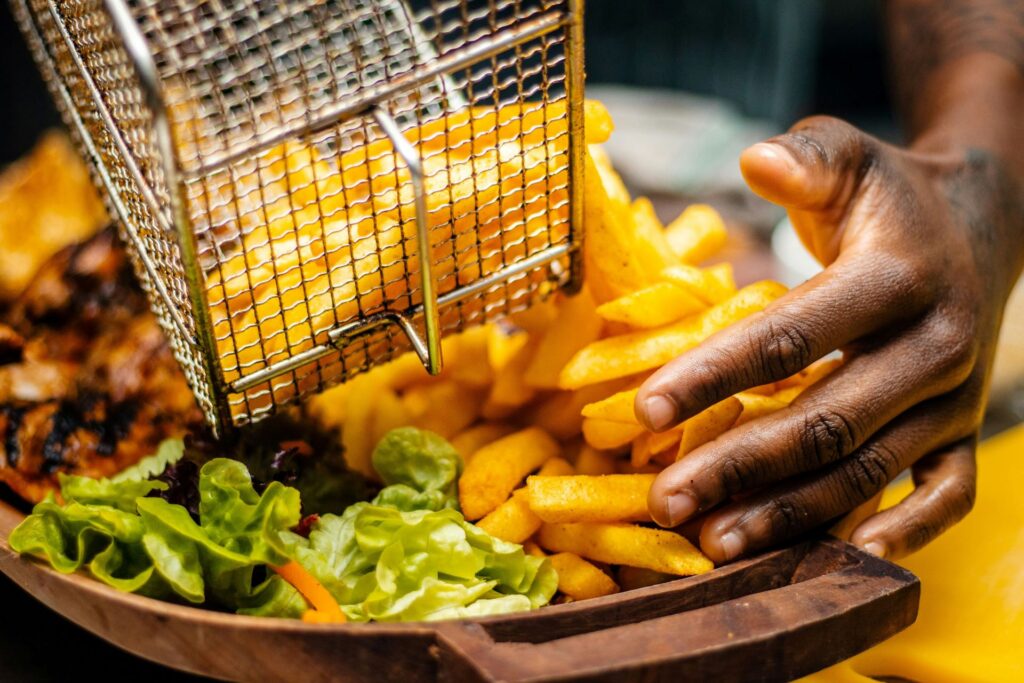
Street food adds yet another layer to Cape Town’s gastronomic identity. From the humble Gatsby—a long sandwich stuffed with fillings like peri-peri steak, chicken, or masala chips—to the spiced biltong and droëwors sold by market vendors, the city’s streets are alive with flavour. These dishes, often eaten on the move, are a testament to Cape Town’s diversity and ingenuity, offering both locals and visitors an accessible entry point into the city’s culinary culture.
Seafood, spices, and street fare aside, Cape Town is also home to a growing community of chefs who embrace innovation while respecting tradition. Contemporary restaurants experiment with fusion cuisines, pairing indigenous ingredients like rooibos, buchu, or Cape fynbos honey with modern cooking techniques. The result is a culinary dialogue that honours heritage while pushing boundaries, creating meals that are simultaneously familiar and unexpected.
The city’s geography plays a significant role in shaping its culinary identity. The proximity of the mountains and sea allows for a diverse array of locally sourced ingredients, from mountain herbs and wild mushrooms to sustainably caught fish. Seasonal variations also influence menus, ensuring that dishes remain fresh, dynamic, and reflective of the land. This connection to place is at the heart of Cape Town’s culinary philosophy: food is not just sustenance, it is storytelling, a way of engaging with culture, history, and nature simultaneously.
For travellers, Cape Town is more than a destination—it is a gateway to South Africa’s rich culinary heritage. Cooking classes, market tours, and vineyard tastings allow visitors to engage actively with the city’s food culture, while dining in intimate family-run establishments provides a window into daily life. Here, every meal is an opportunity to taste history, to understand the fusion of cultures that has shaped the region, and to participate in a tradition that continues to evolve.
From the spicy curries and fragrant bobotie of Bo-Kaap to the fresh seafood of the waterfront and the inventive dishes of contemporary chefs, Cape Town is a city that invites travellers to savour its diversity. The experience is holistic: it engages all the senses, encourages curiosity, and fosters a deep appreciation for the ingenuity and resilience of its people. A culinary journey through Cape Town is not just a tour of flavours—it is an immersion into the very essence of South African identity.
Durban – The Heart of Indian Flavours and Coastal Culinary Traditions
Travelling north from the Western Cape, the culinary journey takes us to Durban, a subtropical city renowned for its vibrant Indian community and its enduring contribution to South African cuisine. Durban’s gastronomic identity is inseparable from the legacy of indentured Indian labourers who arrived in the late 19th century. They brought with them not only spices and recipes but also a culinary philosophy that emphasized balance, depth of flavour, and the joy of communal eating. Today, Durban stands as the epicentre of curry in South Africa, offering a remarkable spectrum of dishes that range from street-side staples to fine-dining innovations.
At the heart of Durban’s culinary fame is the iconic bunny chow, a dish that has transcended its humble origins to become a national symbol. A hollowed-out loaf of white bread filled with aromatic curry, bunny chow was originally a pragmatic solution for Indian workers who needed a portable meal. Today, it is celebrated as a cultural landmark, with restaurants and street vendors competing to perfect the balance of tender meat, fragrant spices, and fluffy, slightly chewy bread. Variations abound, from mutton and chicken to vegetarian fillings featuring lentils, beans, or seasonal vegetables. Eating a bunny chow in Durban is a rite of passage for visitors—a sensory immersion in the city’s history, culture, and community.
Durban’s Indian culinary influence extends far beyond the bunny chow. Street stalls and family-run curry houses offer a kaleidoscope of flavours, from rich, slow-cooked masalas to light, fragrant seafood curries. Samosas, chutneys, and roti accompany meals, adding texture and contrast, while spices such as cardamom, coriander, cumin, turmeric, and chili create layers of complexity that are simultaneously bold and comforting. Local markets, including Victoria Street Market, are treasure troves for culinary adventurers, offering freshly ground spices, pickled vegetables, and traditional sweets like jalebi and burfi. These markets are not only about shopping; they are vibrant social spaces where traders, chefs, and families exchange stories, recipes, and culinary secrets passed down through generations.
The city’s subtropical climate also shapes its cuisine. Sugarcane plantations in KwaZulu-Natal produce not only sugar but also artisanal syrups, beverages, and chutneys that are integrated into both traditional and contemporary dishes. Coastal influences bring seafood into everyday meals, with prawns, crayfish, and line-caught fish featuring prominently on menus. The Indian Ocean’s bounty is celebrated in simple, grilled preparations as well as complex curries and seafood stews, reflecting the region’s seamless blending of land and sea. Coastal dining experiences are often informal yet memorable, with beachside stalls and family-run eateries serving meals that are as fresh as the surrounding waters.
Durban’s food culture is not static; it is dynamic and innovative. Modern chefs and culinary entrepreneurs have embraced the city’s rich heritage while experimenting with fusion and contemporary techniques. At some urban eateries, traditional Indian recipes are reimagined using local South African ingredients. Imagine a Durban chicken curry enhanced with fynbos honey, or a lentil masala paired with marula-infused chutney. This blending of tradition and innovation highlights Durban’s position as both a custodian of history and a hub of culinary creativity, appealing to both purists and adventurous palates.
Beyond the city limits, the surrounding KwaZulu-Natal province offers additional layers of culinary exploration. Rural communities preserve indigenous ingredients and preparation methods that have been overshadowed in urban centres. Sorghum, maize, and sugar beans form the basis of hearty meals, while wild herbs, foraged greens, and locally grown vegetables enhance flavours naturally. Traditional beer brewing, using maize or sorghum, is still practiced in some rural areas, offering a unique complement to meals and a taste of heritage. Travellers who venture off the beaten path often find themselves immersed in communal dining experiences, where storytelling and cooking go hand in hand, reinforcing the social and cultural significance of food.
Street food culture is central to understanding Durban’s culinary vibrancy. From bustling markets to small corner stalls, the city’s streets are alive with sizzling grills, aromatic curries, and colourful arrays of vegetables, sweets, and breads. Boerewors rolls—grilled sausages served on bread with onions and chutney—are a nod to broader South African food culture, while vetkoek stuffed with curried fillings provides a local twist. Eating on the street is not merely about convenience; it is a way to experience the city authentically, sharing in the daily rhythms and culinary creativity of Durban’s residents.
Durban also celebrates food through festivals that highlight the region’s culinary diversity. The Durban Curry Festival is a showcase of both traditional and modern Indian cuisine, bringing together street vendors, established restaurants, and up-and-coming chefs. Here, visitors can taste everything from spicy lamb curries to delicate vegetarian thalis, all while enjoying music, performances, and workshops that contextualise the dishes historically and culturally. Similarly, coastal seafood festivals highlight the Indian Ocean’s abundance, with chefs demonstrating local fishing practices, sustainable sourcing, and innovative cooking techniques. Festivals like these offer travellers a holistic experience: taste, culture, history, and community are intertwined, revealing the depth of Durban’s culinary identity.
Education and immersive experiences also define Durban’s gastronomic scene. Cooking classes, market tours, and farm visits provide visitors with hands-on engagement, whether it’s grinding fresh spices, kneading roti dough, or learning the delicate balance of ingredients in a curry. These experiences deepen understanding of the city’s food culture, emphasizing not just flavour but also the stories, rituals, and relationships that underpin each dish. Culinary tourism here is therefore not passive; it is participatory, inviting visitors to connect directly with the people and places behind the food.
Durban’s coastal and Indian culinary heritage also reflects the city’s multicultural nature. Zulu influences merge with Indian, Portuguese, and European traditions to create dishes that are uniquely Durbanite. The result is a cuisine that is complex yet approachable, deeply rooted in history yet forward-looking, and overwhelmingly generous in flavour and hospitality. For travellers, this means that every meal offers a narrative—of migration, adaptation, and the human capacity to create joy and connection through food.
In summary, Durban is a city where culinary tradition and innovation coexist harmoniously. From the humble yet iconic bunny chow to sophisticated fusion dishes, from bustling markets to beachside seafood feasts, the city’s food culture invites exploration, participation, and reflection. The subtropical climate, the Indian Ocean, and the rich tapestry of cultures all converge to produce flavours that are unforgettable, creating a culinary experience that is as educational as it is indulgent. For anyone journeying through South Africa, Durban represents a gateway to understanding the profound influence of Indian cuisine, coastal bounty, and the enduring importance of community in shaping the nation’s gastronomy.
Travelling here is an invitation to taste, to learn, and to participate in a culture where food is not only sustenance but identity, heritage, and celebration. In Durban, the culinary journey is more than a series of meals—it is an exploration of history, people, and place, all served with the city’s characteristic warmth and vibrancy.
The Karoo – Where Braai Culture Meets the Open Sky
Journeying inland from the coastal vibrancy of Durban, South Africa’s culinary landscape shifts dramatically as travellers enter the vast, sunbaked expanse of the Karoo. This semi-arid region, stretching across the Northern and Western Cape, is more than a geographic anomaly—it is a cultural and culinary heartland, where traditions of hospitality, resourcefulness, and communal dining converge. Here, the act of cooking and sharing food is elevated beyond mere sustenance; it becomes a ritual, a celebration of land, heritage, and the open sky. At the centre of this experience is the iconic braai, the South African barbecue, a culinary institution that unites families, communities, and visitors alike.
The Karoo’s stark landscape, characterized by rolling plains, rugged mountains, and vast open skies, shapes both the ingredients and the methods of cooking. Indigenous herbs such as wild rosemary, sage, and buchu flourish in this environment, lending unique aromas and flavours to meats roasted over open flames. Locally sourced lamb, mutton, and beef are the mainstays of Karoo cuisine, with the dry climate enhancing the natural textures and intensifying the taste of the meat. Many farmers still practice traditional rearing methods, ensuring that their livestock are free-range, naturally fed, and imbued with the distinct characteristics of the Karoo terroir.
Braaiing in the Karoo is as much about technique as it is about ingredients. Meat is slow-cooked over wood or charcoal fires, with smoke and heat creating layers of flavour that cannot be replicated in modern kitchens. Boerewors, a spiced sausage made with beef, lamb, and a hint of vinegar, is often curled into coils and cooked over glowing embers, releasing its signature aroma across the surrounding plains. Lamb chops and whole chickens are seasoned with minimal spices—often just salt, pepper, and local herbs—to allow the natural flavours to shine, demonstrating the Karoo’s philosophy of simplicity and respect for ingredients.
Beyond the preparation itself, the braai is a profoundly social event. Locals gather around the fire, exchanging stories, laughter, and advice while the food cooks. The act of braaiing is as much about connection as it is about cuisine: it reinforces bonds between family, friends, and community members. Visitors to the Karoo are often invited into these intimate gatherings, gaining insight into the etiquette and rituals that accompany the braai—from the careful tending of the fire to the shared responsibilities of preparation and service. Here, food becomes a medium for storytelling, embodying the region’s cultural memory and identity.
The Karoo is also home to unique culinary products derived from its environment. Karoo lamb, often hailed as some of the finest in the world, has a distinct, succulent flavour, influenced by the hardy vegetation and natural grazing conditions. Local cheeses, often produced on small-scale farms, are infused with indigenous herbs or smoked using wood from native trees. Seasonal vegetables, legumes, and grains complement the meat, often prepared simply to preserve their freshness and inherent flavour. Even the most straightforward meals in the Karoo carry the imprint of the land, reflecting a philosophy of sustainability and respect for natural resources.
Nightfall in the Karoo transforms the culinary experience into something almost mystical. Under the canopy of the Southern Hemisphere’s brilliant star-strewn sky, dinners take on an extraordinary intimacy. Many lodges and guesthouses offer guided night braais, where guests enjoy traditional Karoo fare while listening to the wind sweep across the plains and the occasional distant call of nocturnal wildlife. These experiences are not just meals—they are multi-sensory engagements, combining taste, aroma, sight, and sound to create lasting memories. Eating in the open air, far from the distractions of urban life, allows visitors to reconnect with both the land and the essence of South African culinary heritage.
The Karoo’s culinary identity extends beyond the braai. Game meats such as springbok, gemsbok, and kudu are integral to regional diets, often prepared in stews, roasted on spits, or incorporated into sausages and pâtés. Indigenous grains like sorghum and maize provide the base for porridges and breads that accompany meat dishes, while foraged herbs and wildflowers enhance flavour profiles with subtle aromatic notes. Honey, often harvested from wild bee colonies, adds natural sweetness to desserts or serves as a glaze for roasted meats, highlighting the Karoo’s connection to its flora and fauna.
Local establishments, from rustic farm stalls to boutique guesthouse kitchens, showcase the Karoo’s culinary excellence. Visitors can participate in cooking classes or guided farm tours, where they learn the nuances of traditional meat curing, fire management, and ingredient selection. Chefs often emphasize seasonal cooking, encouraging the use of fresh produce and herbs sourced directly from local farms or gardens. These immersive experiences provide both practical knowledge and cultural insight, offering a deeper understanding of the Karoo’s food heritage and the enduring relationship between people and the land.
Culinary tourism in the Karoo also celebrates the region’s festivals and community gatherings. Events such as the Karoo Lamb Festival bring together farmers, chefs, and food enthusiasts to celebrate the land’s bounty through competitions, tastings, and workshops. Visitors witness the blending of heritage and innovation, sampling traditional recipes alongside contemporary interpretations, while gaining insight into the sustainable practices that sustain the region’s agriculture and gastronomy. These festivals transform food into a shared experience of pride, identity, and celebration.
Braai culture in the Karoo represents a larger South African philosophy: the idea that food is inseparable from community, storytelling, and the natural environment. It is a culinary tradition that is lived rather than simply consumed, emphasizing process, participation, and connection. In the Karoo, a meal is not defined solely by the ingredients on the plate but by the collective experience of preparing, sharing, and enjoying it in harmony with the land. This approach to food transcends taste alone; it nurtures relationships, preserves heritage, and creates moments that linger long after the embers have cooled.
For travellers, the Karoo offers a unique blend of rustic charm and sophisticated flavour. The simplicity of ingredients belies the depth of taste, and the vast landscapes provide a sense of scale and perspective rare in more urban settings. Experiencing a Karoo braai, whether at a family farm, a guesthouse, or a curated night event under the stars, is an opportunity to engage with a fundamental aspect of South African culture. It is an immersion in history, community, and the rhythms of rural life, reminding visitors that some of the most profound culinary experiences are grounded in tradition, locality, and shared enjoyment.
In essence, the Karoo invites travellers to slow down, observe, and participate. It celebrates the elemental aspects of cooking: fire, time, quality ingredients, and human connection. The braai is at once humble and majestic, offering a tangible link between the land, the people, and their culinary heritage. In a world of fast food and fleeting trends, the Karoo preserves the timeless joy of communal cooking and the deep satisfaction of meals created with care, respect, and love.
A journey through the Karoo is, therefore, not simply a stop on a culinary itinerary—it is a transformative experience. It teaches travellers to appreciate the profound relationship between place and plate, to value process as much as product, and to savour both food and the stories that accompany it. Here, under the vast African sky, every braai is a celebration of heritage, identity, and the enduring pleasure of shared meals.
Indigenous Ingredients – South Africa’s Botanical Culinary Treasures
Beyond the bustling cities and open plains, South Africa’s culinary story is deeply entwined with its land. Indigenous ingredients—fruits, herbs, and teas—offer flavours that are unique, versatile, and steeped in history. Across the country, these ingredients have been used for centuries by local communities for sustenance, medicine, and cultural rituals. Today, they are enjoying a renaissance, celebrated not only for their taste but also for their nutritional benefits and their connection to South Africa’s rich ecological heritage. A journey into the country’s indigenous culinary ingredients is a journey into its history, culture, and biodiversity.
Among the most celebrated native ingredients is the marula fruit, found primarily in the northern regions such as Limpopo, Mpumalanga, and the bushveld of the North West. Known as the “elephant tree” for its popularity among wildlife, marula produces small, golden fruits with a tart, juicy flavour. Traditionally, communities have used marula to make jams, sauces, and fermented beverages, as well as to enhance stews and desserts. The fruit’s kernels are rich in oil, prized for both culinary and cosmetic applications. Contemporary chefs have embraced marula for its versatility: marula-infused liqueurs, marula-glazed meats, and marula desserts are increasingly featured in fine-dining establishments, bridging indigenous tradition with modern culinary innovation.
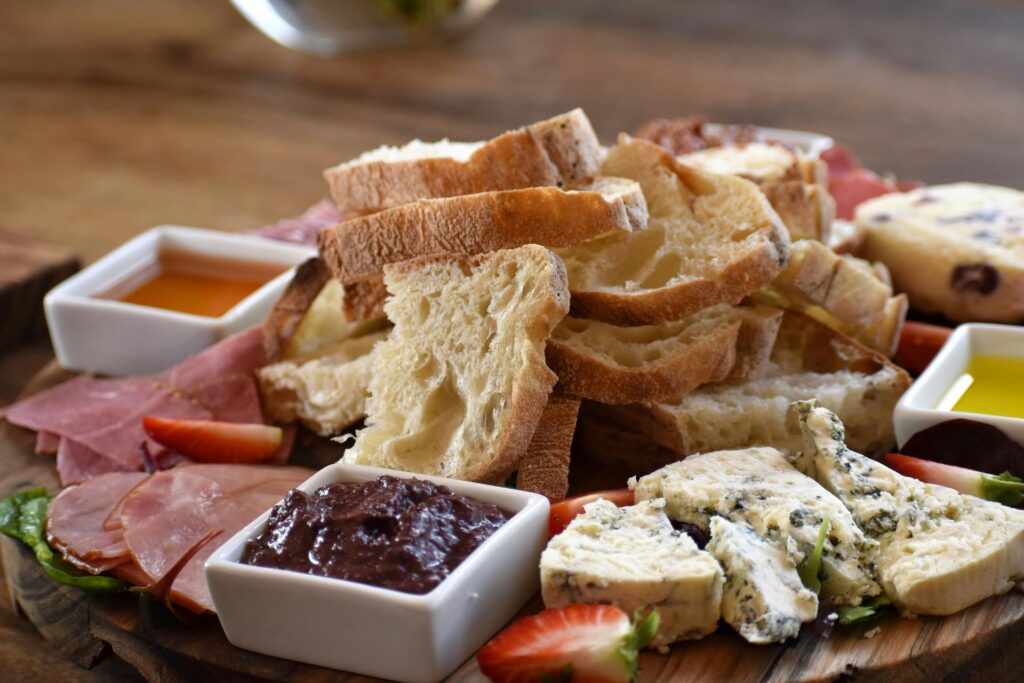
Honeybush tea, native to the fynbos biome of the Western Cape, is another botanical treasure. Harvested from the endemic Cyclopia species, honeybush tea has a naturally sweet, floral flavour that makes it suitable for both hot infusions and culinary applications. Unlike conventional teas, honeybush can be used in syrups, baked goods, and even as a marinade or glaze for meats. Its subtle aroma complements chocolate, citrus, and spice, allowing chefs to experiment while remaining rooted in South Africa’s botanical heritage. Local producers, often small-scale farmers or cooperatives, prioritize sustainable harvesting, ensuring that the fynbos ecosystem thrives while offering a distinctive, premium product to both domestic and international markets.
Similarly, rooibos, another fynbos gem from the Cederberg region, has transcended its traditional use as a caffeine-free tea. Its sweet, nutty, and slightly earthy flavour has become a staple in contemporary gastronomy. Beyond the teacup, rooibos is used in desserts, chocolates, ice creams, and even smoked or grilled meats, providing a subtle depth and complexity to dishes. Its health benefits, including antioxidant properties, have made it popular not only among culinary innovators but also among health-conscious consumers, blending nutrition with heritage in every preparation.
Other indigenous ingredients, such as baobab, buchu, and amarula’s botanical companions, contribute to South Africa’s culinary diversity. Baobab fruit, with its tangy, citrus-like taste, is often used in smoothies, sauces, and desserts. Its high vitamin C content and powdery pulp make it an attractive ingredient for both flavour and nutrition. Buchu, a fragrant herb native to the Western Cape, has historically been used in traditional medicine and as a flavouring for spirits and sauces. Its bold, minty notes are now appearing in modern cocktails, desserts, and marinades, showcasing the adaptability of indigenous ingredients in contemporary gastronomy.
The beauty of South Africa’s indigenous culinary ingredients lies not only in their flavour but in the cultural knowledge they embody. Many of these plants have been used for generations in traditional medicine, rituals, and seasonal celebrations. Engaging with these ingredients allows travellers to connect with the histories and practices of communities that have cultivated and protected them for centuries. Local guides, chefs, and herbalists often provide immersive experiences—harvesting honeybush, grinding marula kernels, or preparing rooibos-infused desserts—offering hands-on insight into the stories and techniques behind each ingredient.
Culinary tourism experiences centered on indigenous ingredients are increasingly popular. Visitors can explore fynbos-rich landscapes while learning about sustainable harvesting practices or attend workshops in small towns where artisans craft jams, oils, teas, and liqueurs from local flora. These experiences often include tastings that reveal the subtle complexities of each ingredient, paired with locally sourced accompaniments. For example, marula jam may be served alongside goat’s cheese, or honeybush syrup drizzled over roasted root vegetables, creating combinations that highlight the ingredients’ versatility and complementarity.
Indigenous ingredients also play a central role in South Africa’s contemporary fine-dining scene. Chefs at boutique restaurants and vineyard estates across the country are incorporating marula, rooibos, honeybush, and baobab into tasting menus, desserts, and beverage pairings. By using these ingredients, they create dishes that are not only innovative but also deeply rooted in local identity, connecting diners to the land and its heritage. Even international chefs operating in South Africa increasingly seek out indigenous products, recognizing their uniqueness and culinary potential.
The nutritional value of indigenous ingredients further enhances their appeal. Marula is high in vitamin C and antioxidants; rooibos and honeybush offer anti-inflammatory properties; baobab contains essential vitamins and minerals. These attributes allow chefs to integrate health-conscious options into menus without sacrificing flavour or authenticity. From teas and smoothies to gourmet desserts and savoury sauces, indigenous ingredients provide both nourishment and an expression of South African terroir.
Engaging with South Africa’s indigenous ingredients also underscores the importance of sustainability. Many of these plants grow in fragile ecosystems, such as the fynbos biome or semi-arid savannahs. Responsible sourcing and cultivation practices are critical to preserving biodiversity while supporting local communities. Culinary tourism initiatives often highlight these practices, educating visitors on the ecological and cultural significance of each ingredient. This awareness transforms a simple tasting into a meaningful, responsible experience, reinforcing the connection between food, culture, and environment.
From the northern bushveld to the Western Cape fynbos, indigenous ingredients offer a lens into South Africa’s diverse landscapes. Each ingredient carries with it stories of survival, adaptation, and ingenuity. Culinary travellers who explore these foods encounter not just flavour but history—understanding how communities have cultivated, preserved, and celebrated these treasures across centuries. Sampling a marula-infused dessert, sipping honeybush tea in a fynbos valley, or tasting a baobab smoothie in a local market is an opportunity to engage directly with the essence of South African identity, through both palate and narrative.
In essence, indigenous ingredients are more than culinary curiosities—they are a gateway to understanding South Africa itself. They demonstrate how food can connect people to place, heritage, and community, creating meals that are simultaneously nourishing, inventive, and culturally resonant. For travellers, these botanical treasures offer an unforgettable aspect of South Africa’s culinary journey, revealing a side of the nation that is at once ancient and contemporary, rooted and evolving.
Exploring South Africa through its indigenous ingredients is a holistic experience: it engages the senses, educates the mind, and nurtures an appreciation for the intricate relationships between land, people, and cuisine. The flavours are bold yet subtle, the techniques traditional yet innovative, and the experiences immersive yet accessible. By engaging with these botanical culinary treasures, travellers gain a deeper understanding of the country’s diverse cultural and ecological heritage, and leave with tastes and memories that linger long after the journey ends.
Wine Routes, Coastal Flavours, and Urban Culinary Innovation
No culinary journey across South Africa would be complete without exploring its world-renowned wine regions, the bounty of its coastal waters, and the innovative spirit of its urban food culture. From the vineyards of the Cape Winelands to the buzzing street food markets of Johannesburg and Cape Town, these experiences highlight the country’s ability to blend tradition, terroir, and creativity into every dish and drink.
The Cape Winelands—encompassing towns such as Stellenbosch, Franschhoek, Paarl, and Constantia—offer more than picturesque vineyards and historic estates; they present an immersive culinary experience where food and wine are intrinsically linked. Farm-to-table dining is at the heart of this region, with local chefs creating menus that highlight seasonal, locally sourced produce. Freshly baked breads, artisanal cheeses, heirloom vegetables, and native herbs frequently appear alongside world-class wines, creating a dialogue between the flavours of the land and the distinctive notes of each vintage. Tasting rooms, wine estates, and boutique restaurants often provide guided pairings, revealing how a crisp Chenin Blanc complements a goat’s cheese tart, or how a robust Pinotage enhances a roasted Karoo lamb dish.
The synergy of food and wine in the Winelands extends to festivals and events. Wine harvest celebrations, grape-stomping experiences, and culinary weekends invite travellers to engage with both production and preparation. Visitors can witness winemakers’ dedication in the vineyards, participate in cooking demonstrations that incorporate local ingredients, and sample menus that marry traditional South African dishes with modern culinary flair. These immersive experiences transform the act of dining into a holistic journey, where each taste is informed by history, environment, and the hands that crafted it.
Along the coast, South Africa’s oceans provide a wealth of fresh seafood, reflecting the diversity of its maritime ecosystems. From the stormy Atlantic waters of the Western Cape to the warm, subtropical currents of KwaZulu-Natal, the country’s shores are teeming with line-caught fish, calamari, oysters, prawns, and rock lobster. Coastal towns such as Hermanus, Knysna, and Mossel Bay have long been celebrated for their seafood, often prepared with simplicity to showcase the natural flavours of the sea. Grilled fish with indigenous herbs, lightly smoked calamari, and freshly shucked oysters exemplify the coastal culinary philosophy: freshness, seasonality, and respect for ingredients.
Seafood festivals punctuate the culinary calendar, offering travellers the chance to celebrate regional abundance. The Knysna Oyster Festival, for instance, is not only a showcase of world-class oysters but a multi-sensory experience, combining food, music, and community spirit. Visitors participate in tastings, masterclasses, and paired wine dinners, while local chefs highlight sustainable harvesting practices and innovative cooking techniques. These events provide a window into South Africa’s coastal traditions, emphasizing the link between environment, culture, and culinary excellence.
Urban centres add a dynamic, experimental layer to South Africa’s food culture. Johannesburg, Pretoria, Cape Town, and Durban have witnessed a surge in gourmet street food markets and boutique restaurants that blend tradition with innovation. Markets such as Neighbourgoods in Braamfontein and Old Biscuit Mill in Cape Town serve as incubators for culinary creativity, where local entrepreneurs showcase dishes that reinterpret classics like boerewors rolls, chakalaka, and vetkoek with contemporary flair. Chefs experiment with fusion, pairing indigenous ingredients such as rooibos, honeybush, and marula with international techniques, resulting in dishes that are both inventive and rooted in South African identity.
In these urban culinary spaces, food becomes a narrative. Pop-up markets, rooftop eateries, and casual dining hubs create platforms for storytelling, where chefs share the history behind recipes, ingredients, and cooking techniques. Guests not only taste the food but engage with the people, culture, and heritage that inform it. This interaction transforms dining into an educational and immersive experience, reflecting the modern evolution of South African gastronomy while remaining anchored in tradition.
Food festivals across the country provide additional opportunities to explore regional diversity. Events like the Cape Town Street Food Festival, the Durban Curry Festival, and the Hermanus Whale Festival celebrate local produce, artisanal craftsmanship, and culinary innovation. Visitors can sample everything from gourmet seafood and game meats to traditional breads, sweets, and street snacks, all while observing live cooking demonstrations and participating in workshops. Festivals often combine gastronomy with music, art, and performance, reinforcing the role of food as a cultural expression and communal celebration. These gatherings highlight how South African cuisine continues to evolve, embracing new flavours and techniques while maintaining deep ties to heritage.
The convergence of wine, coastal seafood, and urban innovation reflects a broader narrative of South African culinary identity. It demonstrates the nation’s ability to honour tradition while embracing creativity, sustainability, and global trends. Farm-fresh ingredients, artisanal products, and indigenous flavours intersect with contemporary techniques, creating a culinary landscape that is diverse, sophisticated, and accessible. Each region, each festival, and each market provides a unique lens through which travellers can experience the country’s identity, culture, and history.
For those journeying across South Africa, these experiences provide a multi-dimensional understanding of the nation’s food culture. A morning spent tasting wines and artisanal cheeses in Stellenbosch might be followed by a seaside lunch of freshly grilled fish in Knysna, an afternoon exploring a bustling urban market in Cape Town, and an evening at a local festival celebrating regional specialties. The itinerary is not merely a series of meals but a continuous immersion in the stories, people, and places that define South African gastronomy.
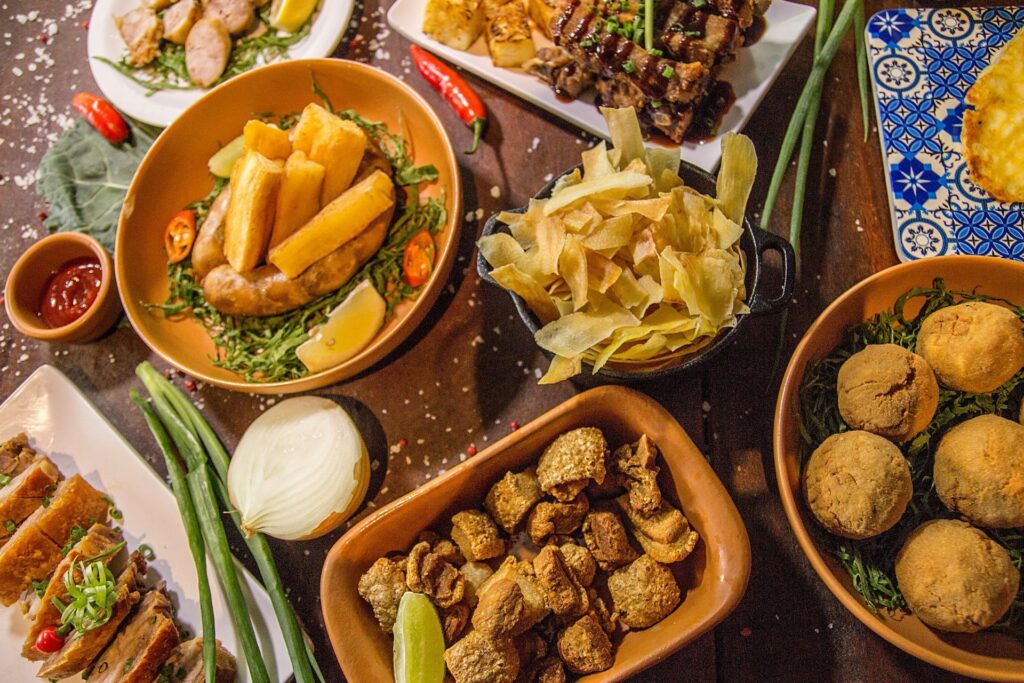
Moreover, these experiences underscore the interplay between tradition and innovation. Indigenous ingredients, passed-down recipes, and age-old cooking methods coexist with modern techniques, fusion cuisines, and contemporary presentation. Chefs and producers balance respect for heritage with a desire to push boundaries, resulting in dishes that are visually striking, nutritionally mindful, and culturally resonant. Culinary travellers gain not only enjoyment but insight, discovering how South Africa’s culinary identity is simultaneously grounded and evolving, local and global, historical and forward-looking.
In conclusion, South Africa’s wine routes, coastal seafood, and urban culinary innovations encapsulate the nation’s gastronomic diversity. The vineyards of the Cape Winelands highlight the intimate relationship between land and flavour, coastal towns celebrate the richness of marine resources, and urban centres showcase the creativity and adaptability of modern chefs. Festivals, markets, and immersive experiences invite travellers to connect with food on multiple levels, combining taste, story, and culture.
A journey across South Africa, therefore, is more than a tour of meals—it is an exploration of identity, heritage, and the natural and cultural bounty of the nation. From vineyard estates to street stalls, from seafood feasts to curated tasting menus, the country’s culinary landscape offers richness, diversity, and a profound sense of place. South African cuisine is a narrative in itself: it tells the story of migration, adaptation, innovation, and the enduring pleasure of shared meals. For culinary travellers, this journey promises not just flavour, but understanding, connection, and memories that endure long after the final bite.
Mandla Ndlovu
Reporting from the frontlines of the South African tourism renaissance. Bridging the gap between regional stories and global audiences through elite narrative strategy.