

A Sky Like No Other
In a world increasingly illuminated by artificial lights, the night sky often feels like a forgotten landscape. Yet, in the heart of South Africa, the cosmos reveals itself in a spectacle both humbling and awe-inspiring. Vast landscapes, pristine air, and minimal light pollution converge to make South Africa one of the world’s premier destinations for stargazing. From the arid expanses of the Karoo to the rugged peaks of the Cederberg, the heavens stretch out in a tapestry of stars, planets, and galaxies, inviting both seasoned astronomers and casual travelers to embark on a celestial journey.
South Africa’s commitment to preserving its nocturnal environment has given rise to the designation of Dark Sky Reserves—protected areas where the night sky is celebrated as much as the land itself. These reserves are more than scenic backdrops; they are portals to the universe, offering experiences that blend scientific curiosity, cultural heritage, and tourism.
The Lure of Dark Sky Reserves
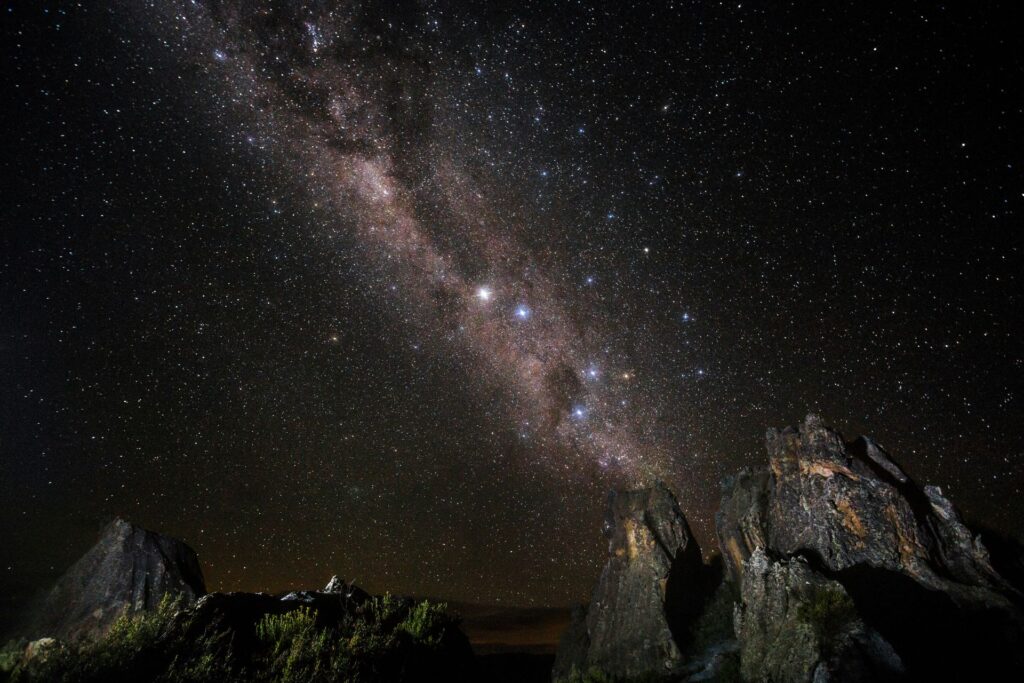
Dark Sky Reserves are sanctuaries for night-time visibility. In South Africa, the Karoo, the Cederberg, and the Magaliesberg are regions where light pollution is rigorously controlled, and the sky is left to shine in its natural brilliance. Observatories, local lodges, and guided tours enhance the experience, offering telescopes, astrophotography lessons, and expert commentary.
The Karoo, with its vast, flat plains and sparse population, is arguably the crown jewel of stargazing in South Africa. Its open horizons provide uninterrupted views of celestial wonders, from the Milky Way to meteor showers that light up the winter skies. Tourists here can spend evenings under the dome of the universe, guided by astronomers who weave narratives of cosmic history, mythology, and scientific discovery.
Meanwhile, the Cederberg, famous for its dramatic rock formations and San rock art, offers a striking juxtaposition of earth and sky. Hikers and campers find themselves enveloped in a darkness so profound that the night sky becomes tactile, almost within reach. For visitors, the experience is not only visual but deeply spiritual—an immersion into both natural heritage and cosmic scale.
Celestial Tours: Blending Science and Storytelling
Beyond passive observation, celestial tours in South Africa are immersive experiences. Companies and lodges specializing in astronomy tourism offer curated itineraries that combine adventure, education, and luxury. These tours often begin at dusk, with guided walks through wilderness areas as the first stars appear. As night deepens, telescopes are set up, and the constellations reveal their stories.
One popular format is the “Astro-Safari,” which pairs traditional wildlife viewing with night-time astronomy. Guests might watch a sunset over a savannah teeming with wildlife before settling in for a lecture on planetary motion, the origin of galaxies, or the mythology behind Orion and the Southern Cross. The synergy of terrestrial and celestial exploration creates a holistic sense of wonder that is both unique to South Africa and deeply memorable.
Luxury lodges such as those in the Karoo and the Cederberg offer bespoke experiences, where stargazing is complemented by gourmet dinners, premium accommodations, and even overnight stays in glass-ceilinged suites designed to frame the night sky. Here, astronomy is not only educational but a lifestyle experience, a way to connect with the universe in comfort and style.
Indigenous Knowledge and Celestial Heritage
South Africa’s stargazing appeal is enriched by its cultural heritage. Indigenous knowledge systems, particularly those of the San people, have long interpreted the night sky, linking stars to seasonal cycles, hunting patterns, and spiritual beliefs. Celestial tours often integrate these narratives, offering visitors insights into how astronomy has shaped human culture in southern Africa for millennia.
The San people, for example, have stories tied to Orion, the Milky Way, and planetary movements, which have guided their survival and rituals. By connecting these ancient practices with modern scientific understanding, tours provide a layered experience—one where science and storytelling converge under the same night sky.
This approach not only deepens appreciation for the stars but also fosters respect for cultural heritage, making South African stargazing a truly immersive and educational tourism offering.
Astrophotography: Capturing the Universe
For photographers, South Africa is a dreamscape. The clarity of the skies and minimal light pollution allow long-exposure astrophotography that rivals any location in the world. Tour operators often provide dedicated workshops, teaching techniques to capture star trails, the Milky Way, and deep-sky objects.
Astrophotography tourism has grown exponentially, attracting enthusiasts who travel across provinces to capture fleeting celestial events such as eclipses, meteor showers, or planetary alignments. Even smartphone photography, when paired with the right guides and apps, can yield breathtaking results. This accessibility ensures that stargazing is not reserved for professional astronomers but is available to anyone seeking a connection with the cosmos.
Seasonal Spectacles and Celestial Events
South Africa’s geographical position in the southern hemisphere offers unique access to celestial features often invisible in northern latitudes. The Southern Cross, the Magellanic Clouds, and the Coalsack Nebula are just a few examples of astronomical sights best viewed from the southern skies. Seasonal events, such as the Perseid meteor shower or the Orionid meteors, are eagerly anticipated, with local tours timed to coincide with peak visibility.
Astronomy calendars are central to tourism planning, as they help visitors synchronize their travel with celestial highlights. Lodges and observatories often create packages that include guided night tours, evening lectures, and stargazing dinners to ensure guests experience these events in comfort and style.
Star Lodges and Accommodations: Immersive Nighttime Experiences
Accommodation plays a crucial role in South Africa’s stargazing tourism. Eco-lodges and boutique hotels are increasingly incorporating night-sky experiences into their offerings. Rooftop observatories, open-air decks, and even transparent domes allow guests to sleep under the stars without sacrificing comfort.
Many lodges partner with astronomers to offer personalized stargazing sessions, integrating telescopic observations with storytelling, music, or ambient lighting that accentuates the night rather than diminishes it. This fusion of hospitality and astronomy positions South Africa as a leader in experiential tourism, where luxury and learning coexist seamlessly.
Dark Sky Conservation: Tourism with Responsibility
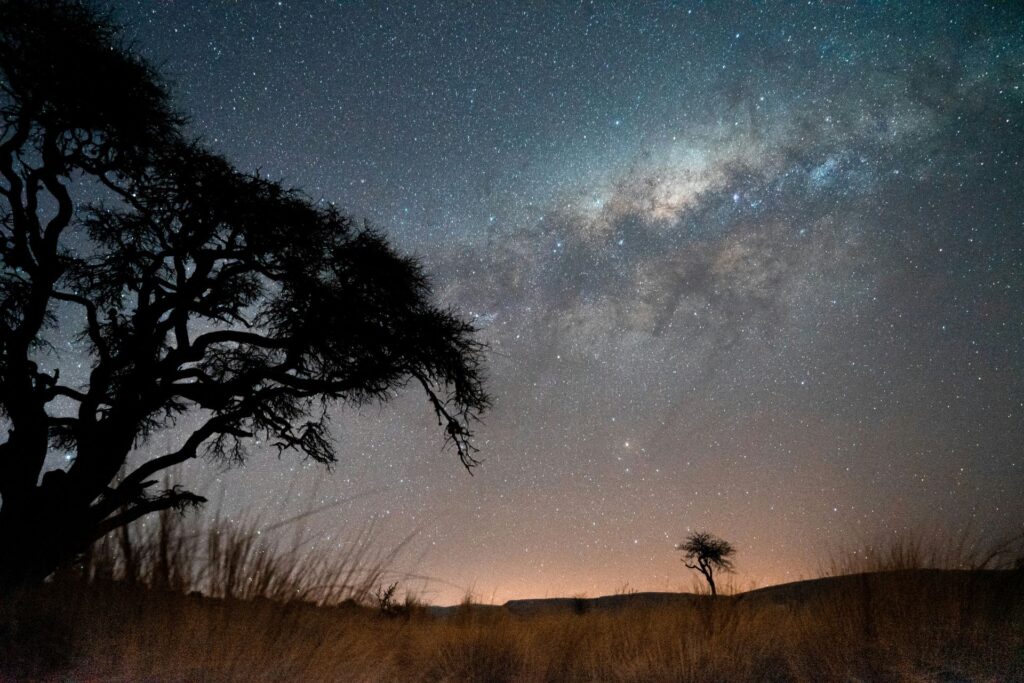
Sustainable tourism is essential to preserving South Africa’s celestial heritage. Dark Sky Reserves enforce strict regulations on artificial lighting, vehicle access, and even campsite placement to minimize environmental impact. Visitors are encouraged to participate in conservation efforts, from reducing light pollution to supporting local communities involved in maintaining reserves.
This responsible approach ensures that South Africa remains a premier destination for stargazing while safeguarding its natural and cultural landscapes. Tourists are invited not only to enjoy the night sky but to become stewards of it, appreciating that every star observed is part of a delicate ecosystem that transcends human activity.
Stargazing Beyond the Reserves
While Dark Sky Reserves are the pinnacle of controlled stargazing environments, South Africa offers celestial experiences beyond designated areas. Remote game reserves, mountain lodges, and coastal retreats provide excellent opportunities for impromptu stargazing. Even urban-adjacent areas, with the aid of telescopes and guided apps, allow enthusiasts to connect with the stars, though light pollution may limit visibility.
Specialized tours also offer “astro-adventure” experiences, combining night hiking, desert camping, and stargazing in one continuous journey. These experiences emphasize immersion, taking visitors off the beaten track to discover the intimacy of the night sky in solitude and silence.
Educational Tourism: Astronomy for All Ages
South Africa’s stargazing tourism is not only recreational but educational. Schools, universities, and science programs frequently integrate visits to observatories and Dark Sky Reserves into their curricula. Hands-on workshops, night-sky lectures, and citizen-science projects encourage young learners to explore astronomy in a practical and engaging way.
Tour operators cater to families, offering interactive sessions that make the night sky accessible to children. Activities such as identifying constellations, learning the phases of the moon, or tracking planets transform tourism into a dynamic learning experience. This focus on education strengthens South Africa’s reputation as a destination where tourism and knowledge seamlessly intersect.
The Future of Astronomy Tourism in South Africa
South Africa’s stargazing tourism is poised for expansion, driven by growing interest in experiential travel and astro-tourism globally. Investments in infrastructure, accommodation, and marketing are increasing accessibility while preserving environmental integrity. Initiatives to integrate technology, such as augmented reality star maps and interactive apps, are enhancing the visitor experience, making astronomy more engaging for diverse audiences.
By promoting both conservation and accessibility, South Africa ensures that its night skies remain a beacon for travelers seeking awe, reflection, and connection. The combination of natural beauty, cultural depth, and scientific richness positions the country as an unrivaled destination for celestial exploration.
A Night to Remember
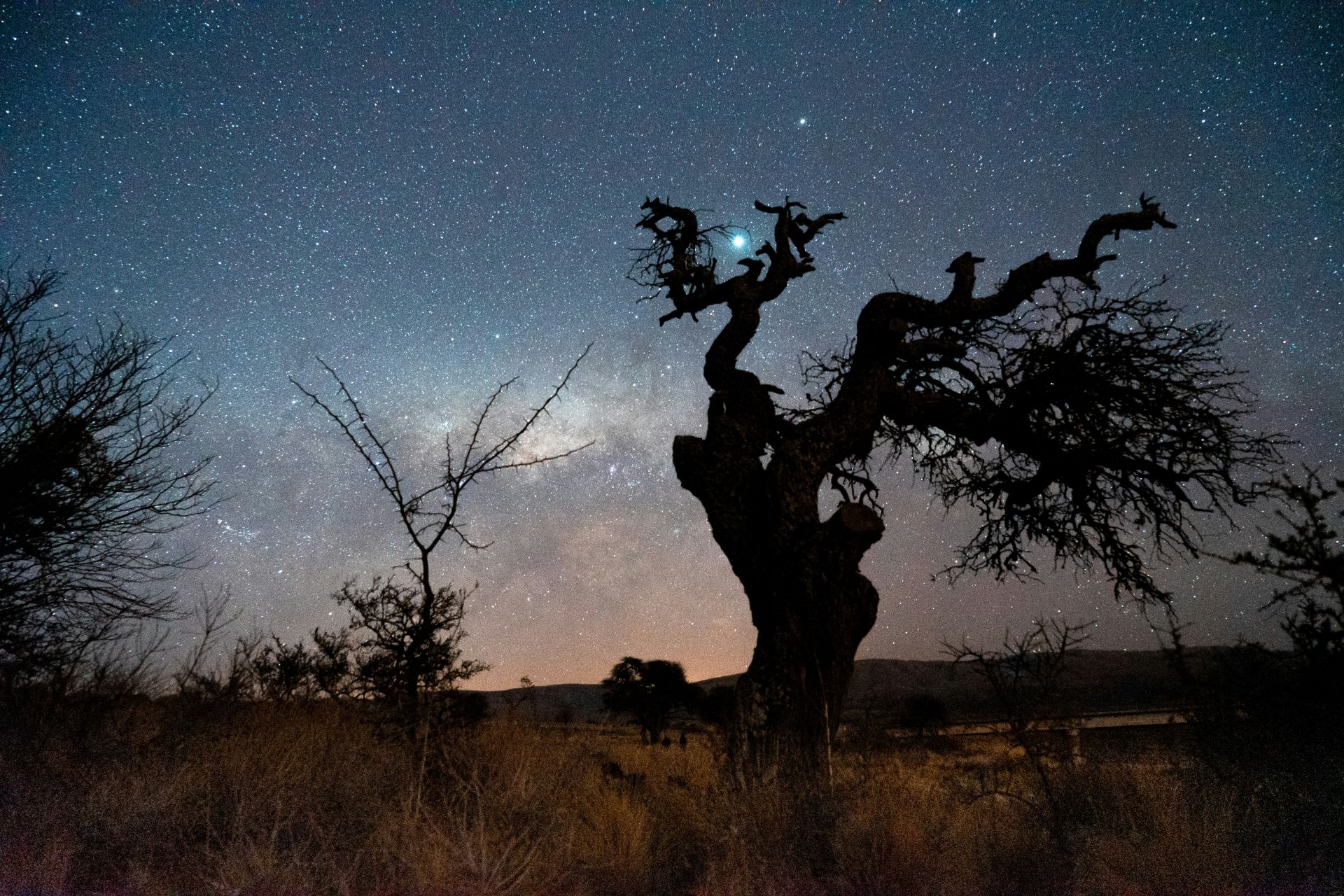
To witness the South African night sky is to encounter a universe both vast and intimate. It is a reminder of human curiosity, cultural heritage, and the profound beauty of the natural world. Dark Sky Reserves, celestial tours, and stargazing lodges offer not only leisure but an opportunity to engage with the cosmos in ways that are rare and transformative.
Whether lying under the Milky Way in the Karoo, trekking through the Cederberg with an astronomer as guide, or capturing the Southern Cross in a long-exposure photograph, travelers leave South Africa with memories as expansive as the night sky itself. Here, tourism is not just about destinations—it is about experiences that expand the mind, inspire the spirit, and ignite a lifelong fascination with the stars.
South Africa’s dark skies are an invitation: come, look up, and let the universe unfold before your eyes.
Jabulani
Reporting from the frontlines of the South African tourism renaissance. Bridging the gap between regional stories and global audiences through elite narrative strategy.