

The Rise of Responsible Adventure
South Africa’s savannas and bushlands have long captured the imagination of travelers worldwide. From the iconic Big Five in Kruger National Park to the rugged wilderness of the Eastern Cape, the country’s safari experiences are unparalleled. Yet, as global awareness of climate change grows, the environmental cost of travel—especially long-haul flights and energy-intensive safari operations—is coming under scrutiny. Modern travelers are no longer content to simply witness Africa’s wildlife; they want to ensure their experiences contribute positively to the planet rather than deplete it.
This growing demand has sparked a transformation within the safari industry. Operators are moving beyond traditional conservation to embrace carbon neutrality—blending renewable energy, rewilding projects, and sustainable community initiatives to create experiences that leave minimal environmental impact. Today, South Africa is emerging as a global leader in this movement, demonstrating that adventure and sustainability are not mutually exclusive.

Rewilding: Restoring the Wild at Scale
Rewilding is at the heart of carbon-neutral safari initiatives. Unlike conventional conservation, which often focuses on preserving existing habitats, rewilding actively restores ecosystems to their original ecological function. This can involve reintroducing apex predators, rehabilitating degraded landscapes, and reviving native plant and animal populations. In the Waterberg region, private game reserves have undertaken ambitious projects to reintroduce lions and cheetahs, while simultaneously planting indigenous flora to restore soil health and water retention. These efforts not only rebuild biodiversity but also create natural carbon sinks, where vegetation and soil sequester significant amounts of carbon dioxide from the atmosphere.
For safari guests, rewilding translates into immersive, authentic experiences. The thrill of spotting a lioness with her cubs or observing an ecosystem gradually regenerating is amplified by the knowledge that the visit is actively contributing to environmental restoration. Meanwhile, local communities benefit from increased employment opportunities, including roles as guides, rangers, and conservationists. These programs align economic incentives with conservation, ensuring that protecting wildlife becomes a viable, sustainable livelihood.
Renewable Energy: Powering Safari Operations Sustainably
Safari lodges and camps traditionally rely on diesel generators, grid electricity, and fossil-fuel vehicles—all major contributors to carbon emissions. To achieve carbon neutrality, operators are increasingly investing in renewable energy systems. Solar power has become particularly popular, with lodges installing photovoltaic arrays to power lighting, refrigeration, kitchens, and even electric safari vehicles. In some reserves, solar-powered microgrids provide stable, off-grid electricity for entire camps, reducing reliance on carbon-intensive energy sources while improving energy security.
Beyond electricity, energy-efficient design is reshaping the architecture of safari lodges. Passive cooling systems, solar water heaters, low-energy lighting, and natural ventilation are standard features in modern eco-lodges. Even seemingly small measures—like heat-reflective roofs and water-saving fixtures—contribute to a meaningful reduction in emissions. By combining renewable energy with sustainable design, safari operators are proving that eco-conscious infrastructure can coexist with luxury, comfort, and the immersive wilderness experience that guests expect.
Calculating and Offsetting Carbon Footprints
True carbon neutrality requires more than incremental improvements; it demands precise measurement and thoughtful offsetting. Leading operators now calculate the full carbon footprint of each guest, accounting for flights, transfers, accommodations, and even daily activities. Once the footprint is quantified, targeted offsets are applied through rewilding projects, renewable energy initiatives, and verified carbon programs.
One notable example is a lodge in the Eastern Cape that integrates indigenous forest restoration with solar microgrid development in local villages. Guests’ emissions are offset not by generic tree planting but through verified programs audited by third-party organisations such as Gold Standard and Verified Carbon Standard. These programs ensure transparency, credibility, and measurable impact, giving travelers confidence that their adventures leave a net-zero footprint.
Sustainable Tourism as a Guest Experience
Modern eco-conscious travelers want to engage with sustainability, not simply observe it. Safari operators are responding by integrating environmental education and hands-on experiences into the guest journey. Guided bush walks often include discussions about rewilding, water conservation, and species reintroduction. Guests may participate in tree-planting initiatives, wildlife monitoring, or community projects that benefit surrounding villages.
This approach transforms the safari from a passive leisure experience into a meaningful contribution to conservation. It also deepens the emotional connection between travelers and the African wilderness, fostering a sense of stewardship that can extend beyond the visit. Travelers leave with more than photographs—they leave with awareness, responsibility, and a tangible impact on the ecosystems they explored.
Case Study: Kruger National Park’s Sustainable Lodges
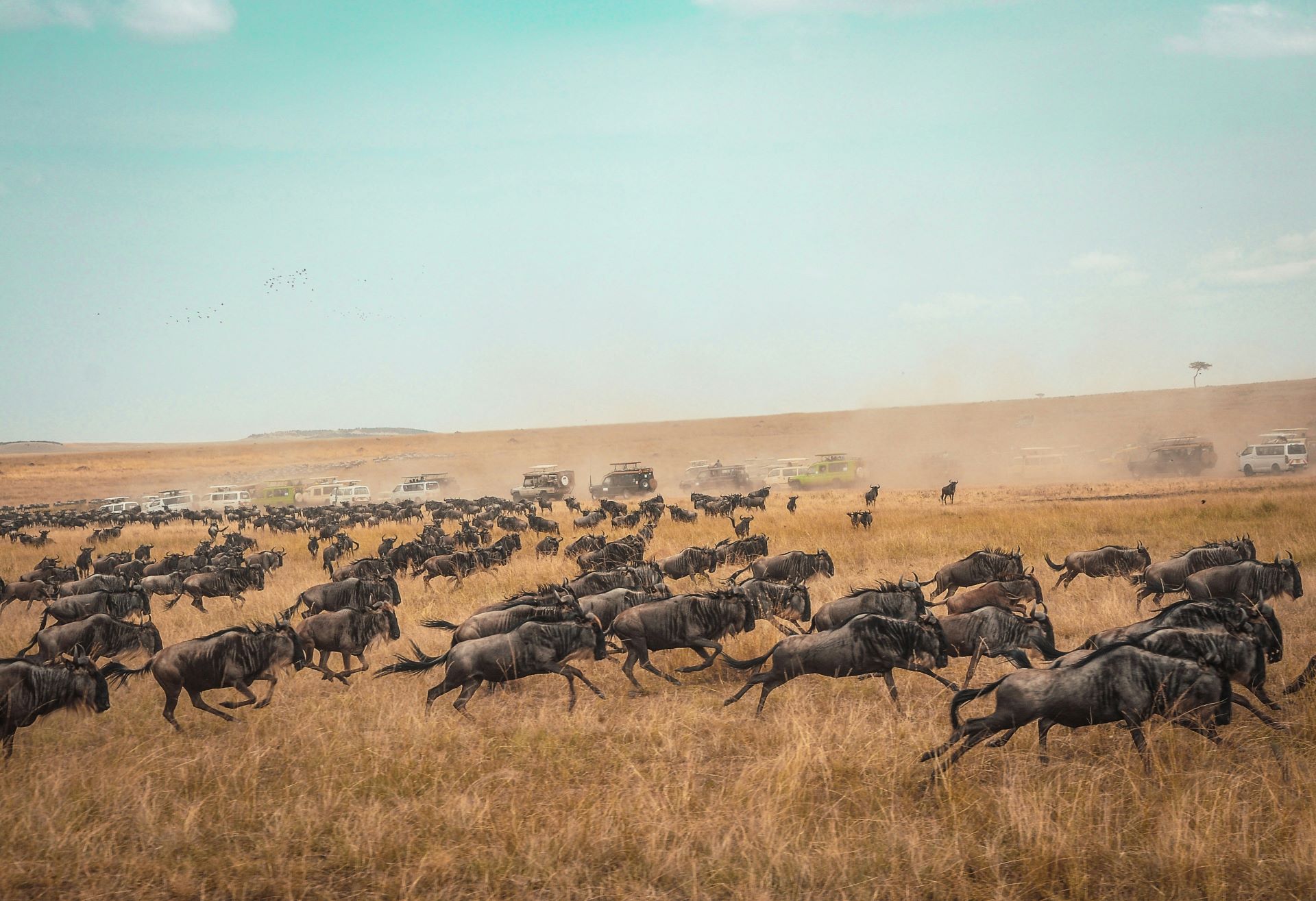
Kruger National Park and its surrounding private reserves are emerging as models of carbon-neutral tourism. Some lodges have shifted entirely to solar-powered operations, while electric safari vehicles quietly ferry guests through the bush, leaving no diesel fumes in their wake. Rewilding projects within these reserves have seen the return of elephants, cheetahs, and rare bird species, restoring ecological balance and providing rich photographic and wildlife experiences for guests.
Moreover, these lodges often source food and materials locally, reducing transportation emissions and supporting surrounding communities. Local craft markets, farm-to-table dining, and community-led cultural experiences create an authentic, immersive journey while aligning with sustainability goals. By weaving environmental responsibility into every aspect of the guest experience, these operators are redefining what it means to explore Africa responsibly.
Engaging Local Communities
Carbon-neutral safaris thrive when they support local people. Employment opportunities in rewilding, renewable energy maintenance, guiding, and hospitality are essential for fostering long-term sustainability. Many operators partner with nearby villages to provide skills training, education programs, and revenue-sharing models. In some cases, community trusts receive a portion of lodge profits, funding schools, health facilities, or conservation initiatives.
These partnerships create a virtuous circle: communities have a vested interest in preserving wildlife, guests benefit from enriched cultural experiences, and ecosystems flourish under attentive management. By integrating social sustainability with environmental responsibility, South African safaris demonstrate that tourism can be a force for positive change across multiple dimensions.
Future Innovations in Carbon-Neutral Tourism
The next frontier in sustainable safari operations is technology-driven innovation. Electric and hybrid safari vehicles are becoming increasingly viable, offering the thrill of wildlife observation without the carbon emissions of conventional engines. Drone-assisted monitoring is improving conservation efficiency, reducing the need for fuel-intensive patrols while providing richer data on animal movements and habitat health.
Virtual reality and augmented reality tools are also being explored to enhance guest experiences, particularly for educational purposes. Imagine participating in a guided safari walk while simultaneously visualizing the historical rewilding efforts of the reserve or tracking the carbon sequestration progress of restored ecosystems. By combining immersive experiences with sustainability education, operators can create a new paradigm for responsible tourism.
Challenges and Opportunities
Despite progress, achieving true carbon neutrality is not without challenges. International air travel remains the largest component of a safari guest’s carbon footprint, and offsetting emissions at this scale is complex. Balancing luxury and sustainability can also be difficult, as some eco-friendly measures may initially increase operational costs. Yet, the growing market for responsible travel demonstrates that guests are willing to invest in experiences that align with their values.
The opportunity lies in positioning South Africa as a global leader in sustainable adventure tourism. By showcasing carbon-neutral initiatives, promoting rewilding and renewable energy projects, and engaging travelers in meaningful ways, the country can attract environmentally conscious tourists while preserving its natural heritage.
The Safari of Tomorrow
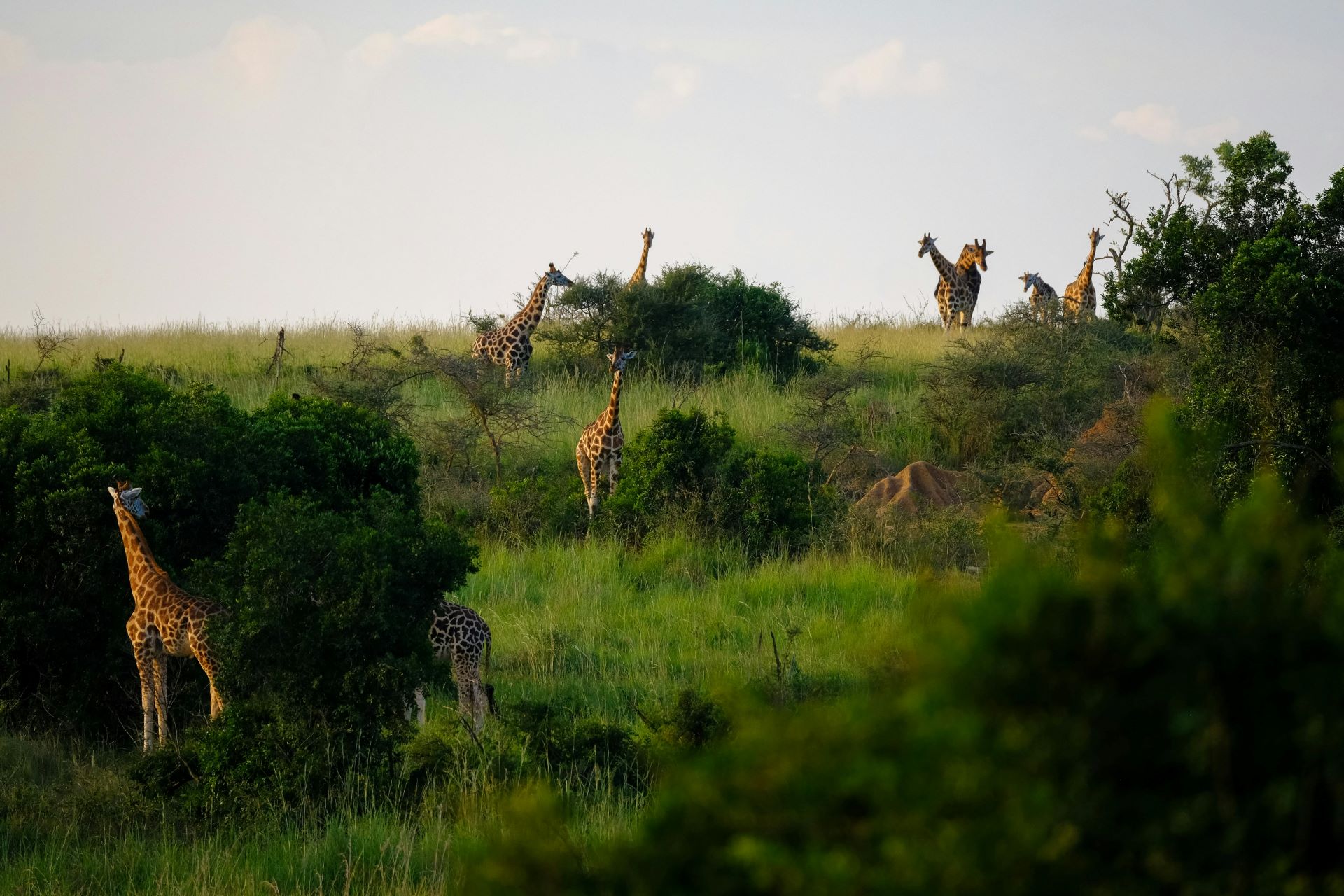
South Africa’s carbon-neutral safaris represent a bold reimagining of tourism. They demonstrate that adventure, luxury, and environmental responsibility can coexist in harmony. By investing in rewilding, renewable energy, community engagement, and verified carbon offsetting, operators are creating experiences that not only entertain but also educate and restore.
As travelers become increasingly aware of their environmental impact, the demand for sustainable safari experiences will continue to grow. South Africa’s pioneering operators are not merely adapting—they are leading the way, offering journeys where every footprint is balanced, every adventure leaves a positive mark, and every guest departs as a steward of the wild. In this emerging era of responsible tourism, the African safari is more than a vacation—it is a commitment to preserving the planet’s most treasured landscapes for generations to come.
Ronel Ferreira
Reporting from the frontlines of the South African tourism renaissance. Bridging the gap between regional stories and global audiences through elite narrative strategy.