

South Africa is a nation of contrasts, where landscapes shift dramatically within hours. From the sweeping savannahs of the Kruger to the rugged peaks of the Drakensberg, the sun-baked deserts of the Karoo, and the bustling, colorful streets of Cape Town and Johannesburg, the country offers photographers an unparalleled variety of scenes. Whether your lens seeks the subtle drama of wildlife in action, the vibrant chaos of urban life, or the delicate textures of nature’s hidden corners, South Africa has a frame ready for your vision. Photography tours have become an essential gateway for both amateur and professional photographers to immerse themselves in the country’s rich visual tapestry, guided by experts who understand how to turn a fleeting moment into a timeless image.
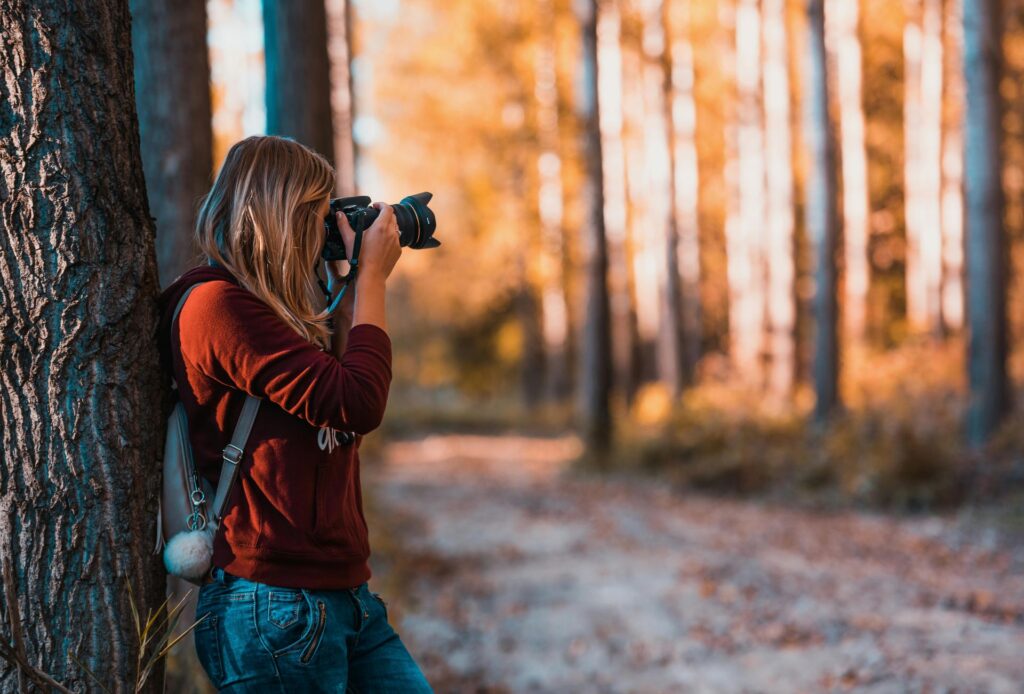
The Call of the Wild: Safari Photography
There is perhaps no photography experience more iconic in South Africa than the safari. Vast reserves and private game lodges across Limpopo, Mpumalanga, and KwaZulu-Natal provide access to the Big Five, alongside an abundance of other wildlife and avian life that thrive across the country’s diverse ecosystems.
Photographing the Big Five—lion, leopard, elephant, rhino, and buffalo—requires patience and a keen understanding of animal behaviour. Guided safari tours often include early-morning and late-afternoon excursions, when wildlife activity is at its peak and the soft golden light transforms the bush into a natural amphitheater. Expert guides not only track and anticipate animal movements but also share insights on ethical photography practices, ensuring encounters are safe and sustainable for both photographers and wildlife.
Beyond the Big Five, smaller details abound: a leopard’s stealthy climb across a thorn tree, a herd of impalas bounding across the plains, or the intricate patterns of bird plumage glinting in sunlight. Safari photography tours also emphasize the versatility of equipment and techniques. Long telephoto lenses capture distant wildlife without intrusion, while drones can provide a sweeping perspective on landscapes when permitted, revealing the intricate tapestry of South Africa’s savannah and woodland ecosystems.
Desert Landscapes and the Allure of Isolation
Moving westward, the deserts of South Africa offer a striking contrast to the lush savannah. The Karoo, known for its arid expanses and subtle hues, offers photographers an opportunity to explore a minimalist aesthetic, where the play of light, shadow, and textures becomes the primary subject. Here, the sky often dominates the frame, a vast expanse shifting from dawn’s gentle blush to the fiery sunsets that cast long, dramatic shadows across salt pans, rocky outcrops, and fossil-strewn plains.
Namibian influences seep across the border, particularly in the iconic dunes near the Northern Cape, offering expansive shots that emphasize scale and solitude. Photography tours in these regions often combine guided walks with off-road vehicle expeditions, allowing access to areas far from human presence. The challenge lies not only in composition but in mastering the desert’s harsh conditions, from intense sun and wind to the stark contrast between light and shadow, requiring careful calibration of exposure and attention to detail.
Even in these remote regions, opportunities for storytelling abound. The delicate bloom of arid-adapted flora, traces of animal life in the sand, or abandoned farmsteads hint at human history entwined with the land, allowing photographers to explore both natural and cultural narratives.
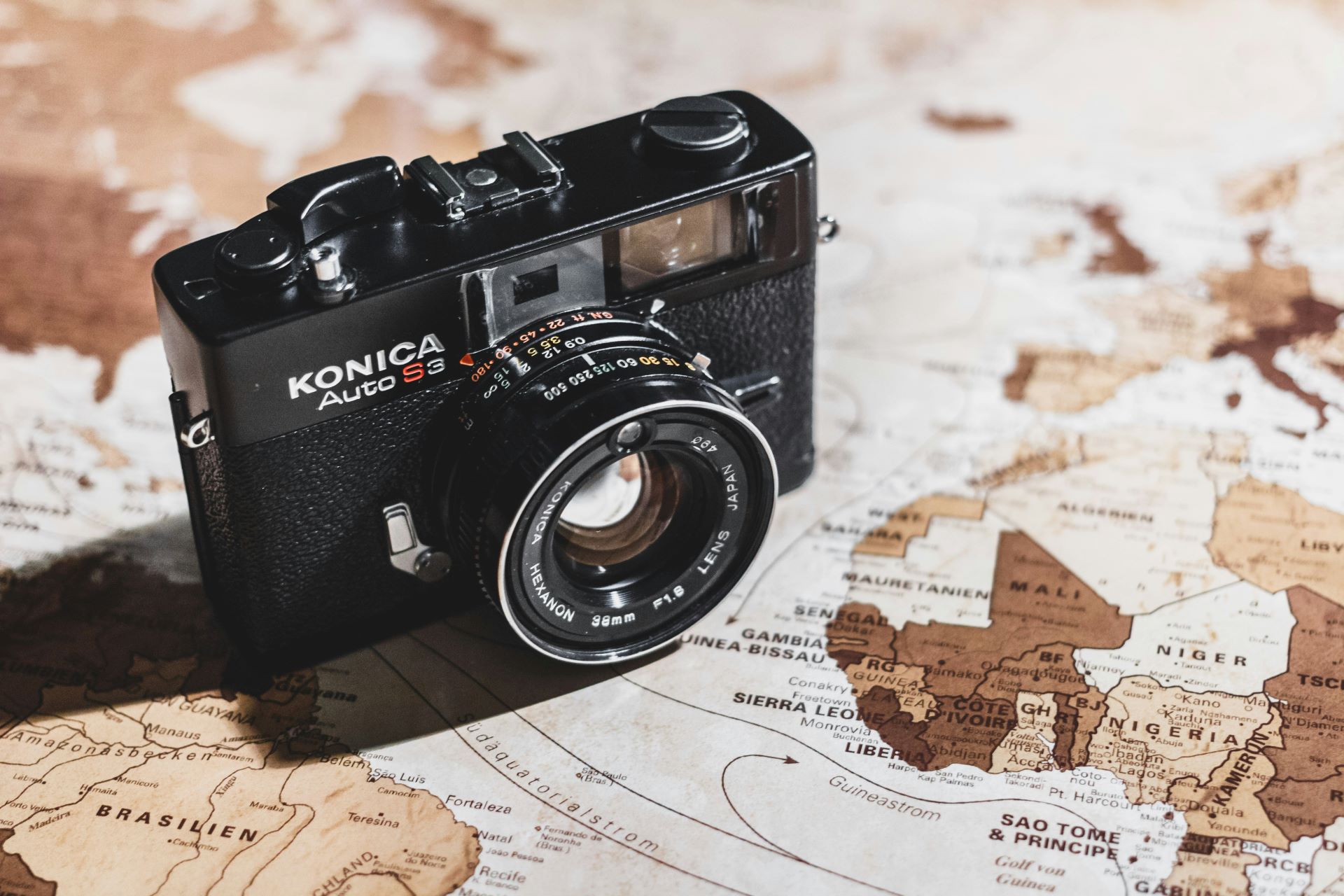
Mountains, Valleys, and the Drama of Altitude
South Africa’s topography is punctuated by dramatic mountain ranges, each offering a distinct photographic palette. The Drakensberg, or “Dragon Mountains,” in KwaZulu-Natal, are known for their jagged peaks, lush valleys, and cascading waterfalls. Here, mist often shrouds cliffs in the early hours, creating an ethereal effect that is irresistible to landscape photographers. The interplay of clouds, light, and topography demands careful timing and patience, but the reward is imagery that captures the mountains’ formidable grandeur and tranquil beauty.
In the Western Cape, the Cederberg mountains offer a more intimate landscape, with sandstone formations, ancient rock art, and endemic fynbos providing opportunities for macro and environmental photography. Early morning light illuminates the rugged terrain, highlighting textures and shapes that might otherwise be lost in the harsh midday sun. These regions are particularly suited to mixed photography tours, combining hiking with practical guidance on framing, composition, and post-processing techniques.
Mountains also serve as natural observatories for night photography. South Africa’s relatively low light pollution, particularly in the interior highlands, allows for breathtaking astrophotography. The Milky Way arches across dark skies, and star trails capture the passage of time in ways that amplify the grandeur of terrestrial landscapes. Photography tours frequently incorporate these nocturnal excursions, guiding participants through long-exposure techniques and celestial composition to ensure both technical precision and aesthetic resonance.
Coastal Splendour: From Beaches to Cliffs
South Africa’s coastline stretches over 2,500 kilometers, offering a variety of photographic subjects. The Western Cape’s rugged cliffs, such as those found in the Cape Point region, contrast dramatically with the golden beaches of KwaZulu-Natal, creating a spectrum of textures, colors, and atmospheres. Coastal photography tours often capitalize on the dynamic interaction between land and sea. Sunrise and sunset sessions allow photographers to capture the interplay of waves and rocks, while longer exposures soften water movement, creating ethereal, painterly effects.
Beyond landscapes, the coastal regions are home to fascinating wildlife, from penguin colonies at Boulders Beach near Cape Town to marine life along the Garden Route. Seasonal events, like the sardine run along the Eastern Cape, offer rare opportunities for capturing mass wildlife movements, demanding both agility and preparedness from photographers. Birdlife, too, provides compelling subjects: gannets plunging into the ocean, flamingos wading through salt pans, or kingfishers perched with precision, each frame telling a story of survival, grace, and the rhythm of nature.
Urban Landscapes and Street Photography
While South Africa’s natural landscapes are legendary, its urban centers provide an equally compelling photographic playground. Cities like Johannesburg, Cape Town, and Durban are rich with visual contrasts. Vibrant street art, colonial architecture, contemporary skyscrapers, and bustling markets converge to create dynamic compositions that challenge the photographer to balance chaos and order.
Photography tours in urban spaces often focus on both technical and narrative aspects. Participants are guided on navigating crowded streets, capturing candid human interactions, and understanding the subtleties of urban light. Early mornings in Cape Town reveal deserted streets with soft shadows, while evenings in Johannesburg’s Maboneng Precinct offer neon reflections, long exposures, and the pulsating rhythm of city life. These tours emphasize storytelling: each shot is an opportunity to reveal the energy, resilience, and diversity of South African urban culture.
Street photography is complemented by architectural studies. Cape Town’s Bo-Kaap neighborhood, with its rainbow-hued houses, presents opportunities for color-focused compositions, while Pretoria’s historical avenues allow exploration of perspective, symmetry, and texture. Urban wildlife, too, finds its place, with pigeons, stray cats, and occasional monkeys adding life to otherwise static scenes.
Cultural Immersion Through the Lens
Photography tours in South Africa are as much about human connection as they are about landscapes. Markets, festivals, and rural villages provide opportunities to capture the country’s rich cultural diversity. Photographers are guided on ethical engagement, learning to build trust with subjects, respect local customs, and use photography as a tool for storytelling rather than exploitation.
Events such as the Cape Town Minstrel Carnival, Durban’s Indian Market celebrations, or traditional Zulu ceremonies provide color, movement, and emotion that enrich any photography portfolio. Guides often combine photographic instruction with cultural context, ensuring images are both visually striking and narratively respectful. Portraits in these settings require sensitivity to lighting, composition, and timing, with an emphasis on capturing genuine expression and the subtle interplay of environment and personality.
Specialized Tours: Birds, Macro, and Night Photography
South Africa’s biodiversity invites specialized photography tours. Birding enthusiasts can follow rare species across wetlands and forests, from the endangered blue crane in the Karoo to the resplendent lilac-breasted roller in Kruger National Park. Macro photography tours explore insects, flowers, and textures, revealing patterns invisible to the casual observer. Night photography, increasingly popular among advanced photographers, benefits from the country’s clear skies, remote locations, and natural contrasts.
These tours are designed with expert guidance on lenses, lighting, and composition. Photographers learn to exploit depth of field, manage exposure in challenging lighting, and frame subjects in ways that highlight both beauty and context. Workshops often integrate practical exercises with post-processing tutorials, allowing participants to refine their work and bring their creative vision to fruition.
Planning Your Photography Tour
Choosing the right photography tour requires careful consideration of interests, experience, and timing. South Africa’s seasons influence light, wildlife behavior, and accessibility. Summer brings lush landscapes and active wildlife, while winter offers clearer skies, dramatic light, and reduced tourist traffic. Tour operators provide detailed itineraries, including advice on equipment, clothing, and safety.
Ethical considerations are paramount. Responsible photography tours emphasize conservation, minimize disturbance to wildlife, and encourage sustainable interaction with local communities. This approach ensures that photography contributes to a broader understanding and appreciation of South Africa’s natural and cultural heritage.
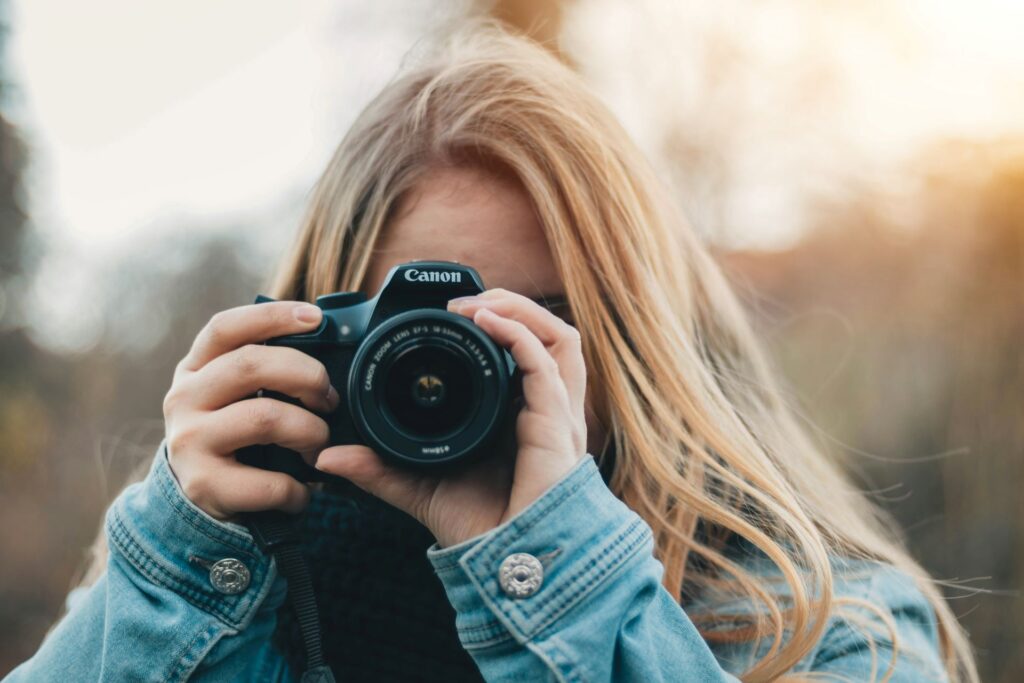
The Rewards of the South African Lens
Photographing South Africa is more than capturing a place; it is an immersive encounter with beauty, complexity, and diversity. Each safari, mountain hike, coastal trek, or urban exploration offers an opportunity to hone technical skills, challenge creativity, and connect with the land and its people. Whether your goal is to create stunning prints, publish work internationally, or simply preserve memories, photography tours in South Africa offer a transformative experience.
From the golden savannahs to vibrant urban streets, from silent deserts to mist-shrouded mountains, South Africa invites photographers to witness, interpret, and immortalize its extraordinary landscapes. The country’s visual stories await those willing to seek them, offering rewards that extend far beyond the final image: an intimate understanding of a nation that is as visually diverse as it is profoundly captivating.
Elisha Roodt
Reporting from the frontlines of the South African tourism renaissance. Bridging the gap between regional stories and global audiences through elite narrative strategy.