

Nature’s Living Canvas
South Africa is a land of extraordinary ecological richness. From the windswept fynbos of the Western Cape to the subtropical forests along the eastern coast, the country is a vibrant mosaic of ecosystems that support an astonishing diversity of life. Visitors are drawn not only to its iconic wildlife—lions, elephants, and rhinos—but also to the smaller, often overlooked creatures that animate its landscapes: butterflies, birds, and endemic plants. These species transform natural areas into living galleries of color and motion, offering experiences that are both visually spectacular and ecologically enlightening.
Biodiversity in South Africa is not just a curiosity; it is central to the tourism economy. Travelers flock to regions where life teems in abundance, seeking encounters with species they cannot see anywhere else in the world. The appeal lies not only in the wildlife but in the story each ecosystem tells—the delicate interplay of species, the rhythms of life shaped by seasons, and the subtle patterns of survival that are unique to this land.
South Africa’s Butterfly Kingdoms
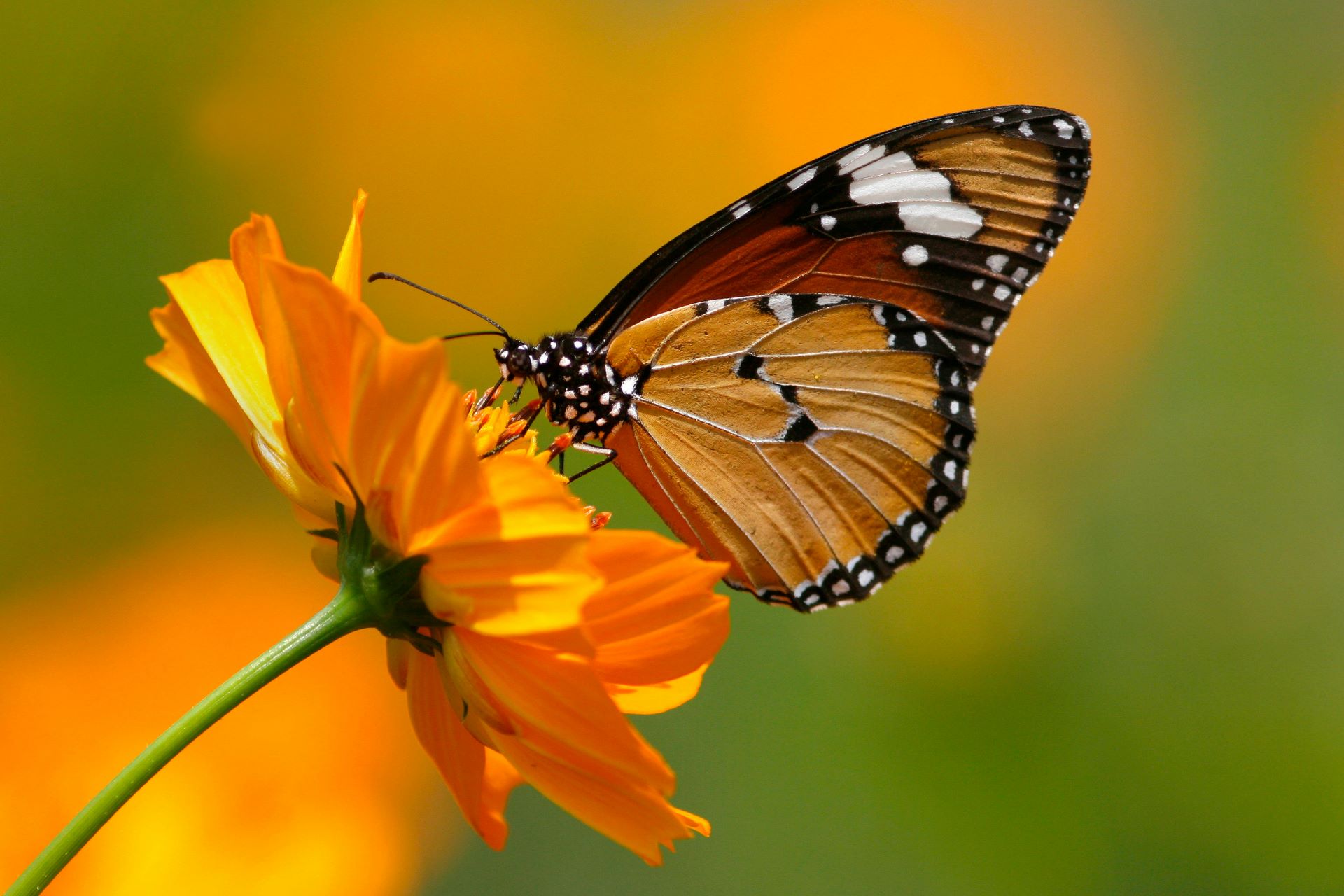
Few insects capture the imagination like butterflies, and South Africa boasts some of the world’s most remarkable species. The country’s diversity is staggering: over 800 recorded butterfly species, many of them endemic, flit through its grasslands, mountains, and coastal forests. The Drakensberg Mountains, for instance, are home to a host of alpine butterflies, while the subtropical regions of KwaZulu-Natal host vibrant species such as the Forest Queen and Natal Acraea.
Butterflies are more than visual spectacles; they are indicators of ecological health and a draw for eco-tourists. Guided butterfly walks and nature tours allow visitors to explore habitats that might otherwise remain hidden, introducing them to the interdependent relationships between caterpillars and their host plants, the pollination of native flowers, and the subtle impacts of climate change on seasonal migrations.
The Cape Floristic Region, a UNESCO World Heritage site, is particularly celebrated for its butterfly diversity. Here, the fynbos—a shrubland dominated by proteas, ericas, and restios—provides an intricate tapestry of nectar sources and shelter, attracting species like the Cape Skolly and the Endemic Table Mountain Copper. For tourists, witnessing these butterflies amid iconic floral displays is a sensory experience that combines natural beauty with a deep sense of place.
The Avian Symphony of South Africa
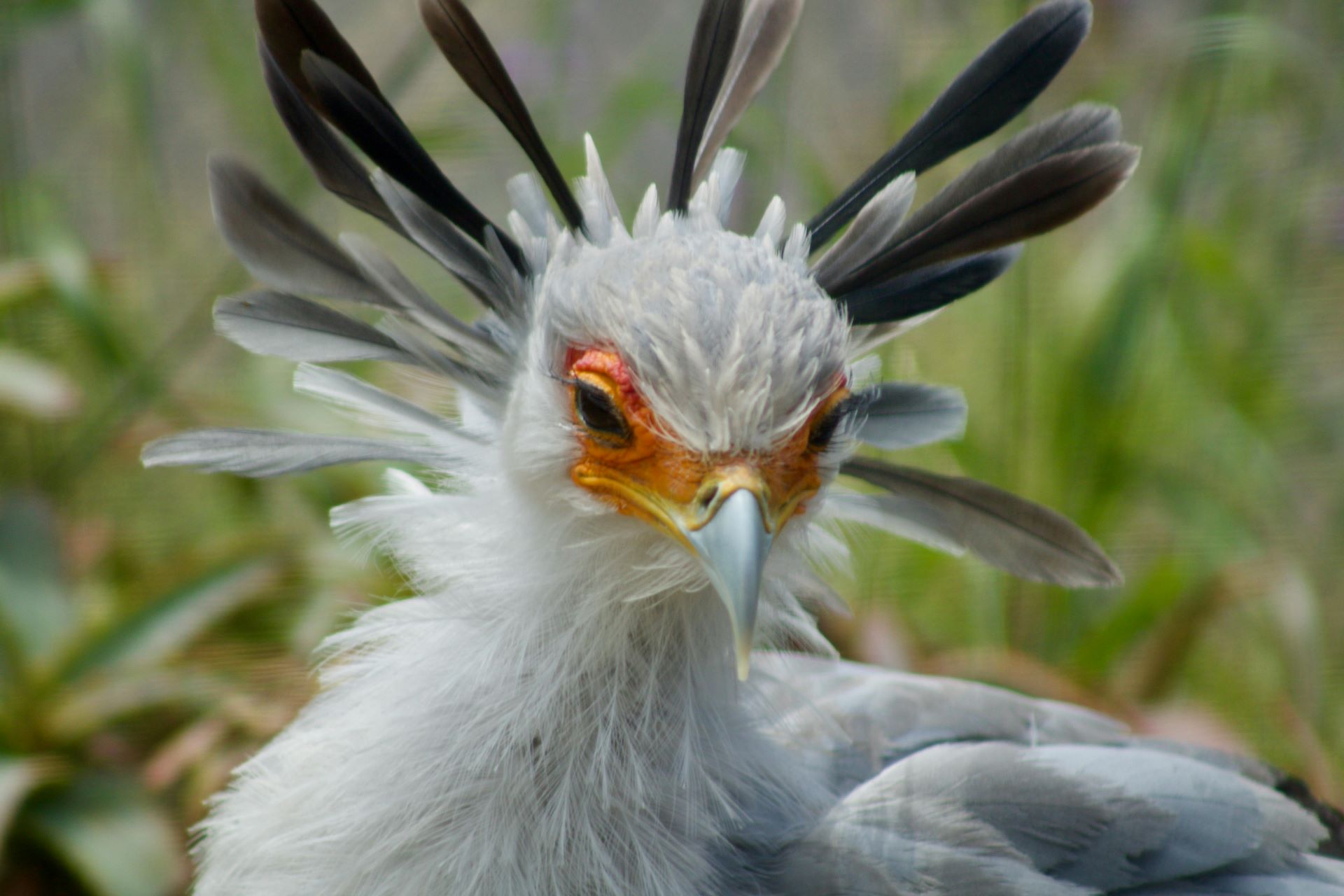
If butterflies enchant with their delicate movement, South Africa’s birds mesmerize with their song and spectacle. The country is home to over 900 bird species, making it a premier destination for birdwatching tourism. From the coastal wetlands to the rugged Drakensberg escarpment, birdlife forms an integral part of the visitor experience, whether in a safari lodge, a nature reserve, or a remote hiking trail.
Iconic species such as the African Fish Eagle, Knysna Turaco, and Cape Sugarbird are not only visually striking but ecologically significant. They act as pollinators, seed dispersers, and controllers of insect populations, maintaining the health of habitats tourists come to explore. For bird enthusiasts, the thrill of spotting a rare endemic, like the Orange-breasted Sunbird in the fynbos, is matched only by the joy of discovering the landscapes that sustain them.
South Africa’s avian richness also supports specialized tourism. Regions such as the iSimangaliso Wetland Park, a UNESCO World Heritage Site, offer guided birding tours that highlight migratory patterns, breeding behaviors, and conservation efforts. Similarly, the Kruger National Park’s quieter corners reveal smaller species—bee-eaters, rollers, and sunbirds—that might otherwise go unnoticed, providing a more intimate and educational wildlife experience.
Biodiversity Hotspots and Tourism
South Africa is blessed with several global biodiversity hotspots, each offering distinct tourism opportunities. The Cape Floristic Region is celebrated for its floral richness and endemic species. The Maputaland-Pondoland-Albany region, spanning KwaZulu-Natal and the Eastern Cape, combines coastal forests, wetlands, and savannah, hosting rare birds and butterflies that are magnets for eco-tourists. Even smaller reserves and privately protected areas contribute to a network of accessible biodiversity hotspots that enhance South Africa’s reputation as a nature tourism destination.
Tourism in these hotspots extends beyond wildlife viewing. Eco-lodges, guided hikes, and immersive experiences in fynbos, forest, and wetland habitats allow visitors to engage with the natural world intimately. The experience is multisensory: the rustle of leaves underfoot, the fragrance of native plants, the shimmering movement of butterfly wings, and the dawn chorus of birds. These encounters provide both education and inspiration, deepening appreciation for conservation efforts while offering unforgettable holiday experiences.
Threats and the Role of Responsible Tourism
Despite their allure, South Africa’s biodiversity hotspots face mounting threats. Urban expansion, agricultural encroachment, invasive species, and climate change all challenge the delicate balance of these ecosystems. Butterflies and birds are particularly vulnerable: habitat fragmentation can isolate populations, while shifting climate patterns can alter migration routes and flowering seasons.
Tourism, however, can be part of the solution. Responsible eco-tourism contributes directly to conservation funding, supports local communities, and encourages sustainable practices. Tour operators increasingly integrate environmental education into their offerings, emphasizing the importance of staying on designated paths, avoiding disturbance to wildlife, and supporting local conservation projects. Visitors become partners in preservation, ensuring that the splendor of South Africa’s natural heritage remains for generations to come.
Cultural Connections and Indigenous Knowledge
Biodiversity in South Africa is intertwined with cultural heritage. Indigenous communities possess intricate knowledge of local species, from medicinal plants to animal behavior. Traditional stories and folklore celebrate birds and butterflies alike, embedding them in the region’s cultural consciousness.
Tourism experiences increasingly incorporate these cultural dimensions. Guided walks led by local custodians highlight the ecological significance of plants that host butterfly larvae or the role of birds in traditional practices. Such engagement enriches visitor experiences, providing both ecological insight and cultural context.
Experiencing Life in Motion
In South Africa, butterflies and birds are more than fleeting moments of beauty—they are gateways to understanding life’s complexity. Biodiversity hotspots offer immersive experiences where nature’s rhythms can be observed, appreciated, and celebrated. For tourists, the allure lies not only in seeing species but in witnessing ecosystems in action, in feeling the pulse of a landscape alive with interdependence and vitality.
By visiting responsibly, supporting conservation initiatives, and embracing the cultural richness embedded in these ecosystems, travelers become stewards of South Africa’s natural wonders. The flutter of a butterfly’s wing in a fynbos valley or the call of a sunbird above a coastal forest is a reminder that the country’s biodiversity is not a backdrop—it is a living, breathing spectacle that defines the essence of South African tourism.
In every park, reserve, and hidden corner of this remarkable land, life flourishes in intricate patterns, waiting to be discovered, appreciated, and protected. Through eco-tourism, South Africa offers not only breathtaking sights but an enduring message: that the survival of butterflies, birds, and biodiversity hotspots is inseparable from the experience of humanity itself.
Herman
Reporting from the frontlines of the South African tourism renaissance. Bridging the gap between regional stories and global audiences through elite narrative strategy.