

South Africa’s streets hum with more than just the rhythm of daily life—they sizzle, steam, and simmer with the aromas of one of the world’s most diverse and dynamic street food scenes. From the aromatic Durban bunny chow to Cape Town’s over-the-top Gatsby, the country’s street food is a vibrant tapestry of history, culture, and unapologetic indulgence. It tells a story—not just of hunger satisfied, but of people, places, and perseverance.
In this immersive guide, we journey through townships, city centres and seaside stalls to uncover South Africa’s most iconic street eats—and the stories behind them.
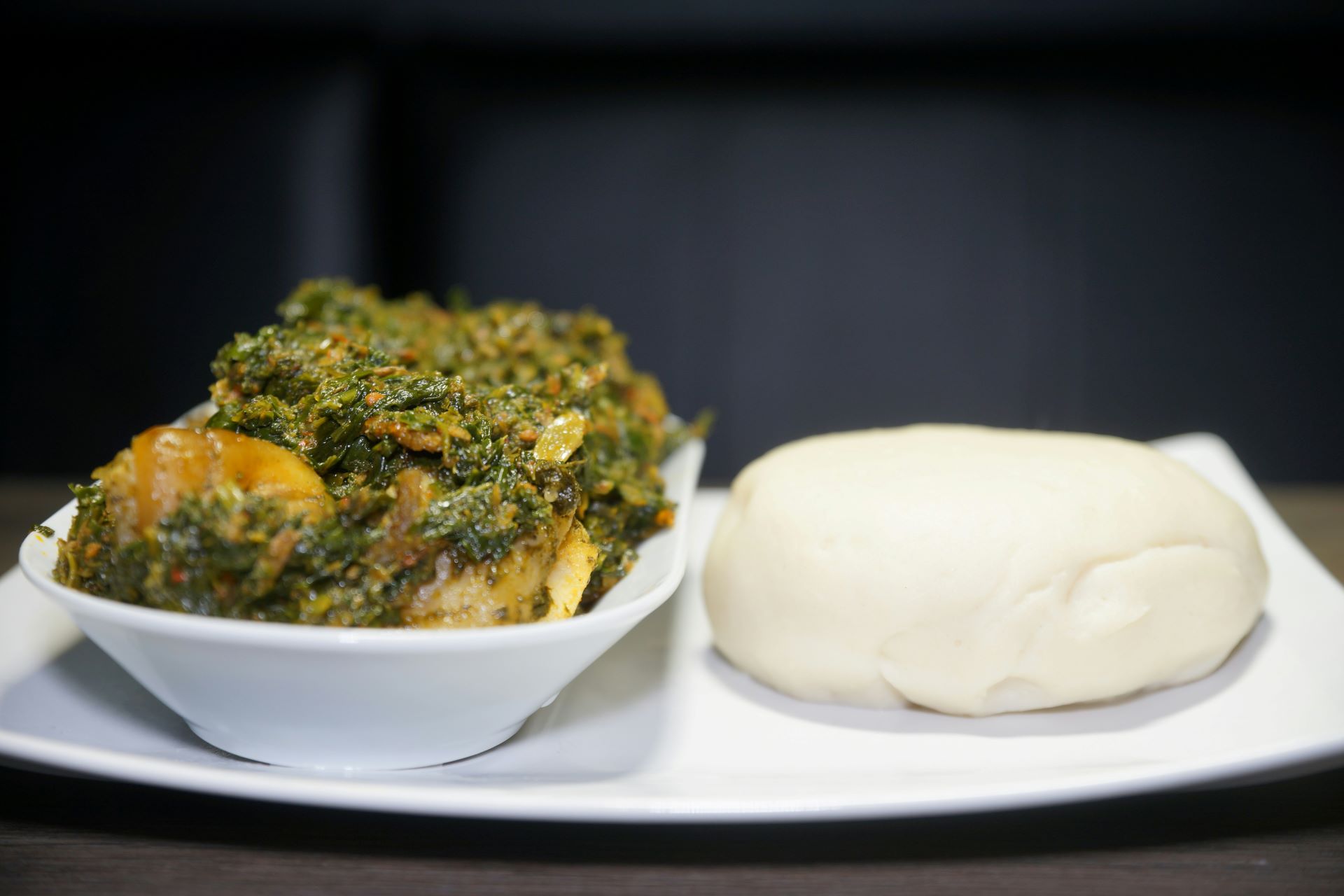
Bunny Chow: Durban’s Portable Curry Revolution
There is perhaps no street food in South Africa more famous—or more fiercely beloved—than the bunny chow. Born from necessity and ingenuity in 1940s Durban, bunny chow is a hollowed-out half-loaf of white bread filled with fiery, fragrant curry. But don't let the name fool you—there’s no rabbit involved. The “bunny” in bunny chow likely stems from “bania”, the Indian merchant caste who first popularised it.
Bunny chow is a dish deeply intertwined with South Africa’s Indian community, who arrived in the 19th century as indentured labourers. Denied access to restaurants under apartheid, Indian workers needed a way to transport their lunch that didn’t require cutlery or crockery. Enter: bread as bowl.
What to Try: Classic mutton curry bunny from Capsicum Restaurant in Durban’s Workshop centre. Or head to Hollywood Bunny Bar in Springfield for a no-frills, flavour-packed experience locals swear by.
Pro Tip: Always eat with your hands. The bread absorbs the curry, turning into a rich, spicy sponge.
The Gatsby: Cape Town’s Monument to Excess
If bunny chow is practical, the Gatsby is theatrical—a massive sandwich overflowing with slap chips (vinegar-soaked fries), meat, sauce and salad, served on a giant baguette-style roll. It’s the Western Cape’s street food icon and a rite of passage for any serious foodie.
Invented in the 1970s by Rashaad Pandy of Athlone, the Gatsby was initially a working-class solution to feed multiple mouths cheaply. But over the years, the Gatsby has taken on a life of its own, with variations including masala steak, chicken tikka, calamari, and even polony and cheese.
Where to Go: Super Fisheries in Athlone for the original masala steak Gatsby, or Golden Dish in Rylands for a modern take with extra heat and heart.
Pro Tip: Bring friends. Gatsbys are made to share (unless you’re extremely hungry or feeling brave).
Kota: Soweto’s Quintessential Quarter Loaf
In Johannesburg and surrounding townships like Soweto, the kota reigns supreme. A cousin to the bunny chow, the kota (short for “quarter loaf”) is filled with layers of fillings ranging from Russian sausage, egg and atchar to chips, cheese and polony. It’s a complete meal—and then some—wrapped in a slice of South African ingenuity.
The kota is more than food; it’s a lifestyle. Many schoolchildren, university students and workers survive on it, and it’s often sold by micro-entrepreneurs from township homes.
Top Spot: Kota Joe Roadhouse in Gauteng has elevated the kota into gourmet territory. But for the real street experience, try Skomota’s Kota Palace in Mamelodi or any roadside vendor near Baragwanath.
Fun Fact: Kotas are increasingly becoming Instagram-famous thanks to their towering proportions and creative fillings.
Boerie Rolls: The Braai in a Bun
Nothing says South Africa like a boerewors roll—a coiled sausage grilled over open flame, served in a hotdog-style bun and slathered with chutney, tomato sauce, mustard or caramelised onions. A staple at sports matches, school fundraisers, and roadside braais, the boerie roll is as ubiquitous as it is beloved.
Boerewors (“farmer’s sausage”) is traditionally made from beef, with pork or lamb added, and spiced with coriander, nutmeg and cloves. While supermarkets sell it en masse, nothing beats the smoky, slightly charred version sold on the streets.
Where to Bite: Try the boerie rolls outside Loftus Versfeld Stadium on game day or visit Boerie Bros in Pretoria for gourmet spins on the classic.
Pairing Tip: A boerie roll with a cold can of Stoney ginger beer? Perfection.
Smiley and Walkie Talkies: Not for the Faint of Heart
For the more adventurous eater, smileys (boiled sheep’s head) and walkie talkies (chicken feet and heads) offer a glimpse into traditional food practices that prioritise nothing goes to waste.
Often served with pap (maize porridge) or on their own with spicy sauce, these dishes are as rich in protein as they are in cultural significance. Smileys get their name from the grin-like expression the sheep’s head adopts when the flesh tightens after boiling.
Where to Try: In Cape Town, check out Nyanga or Gugulethu for weekend smiley vendors. In Soweto, the Baragwanath taxi rank is a walkie talkie haven.
Cultural Insight: These aren’t novelty eats—they're everyday food for millions and a reminder of resourcefulness born from generations past.
Vetkoek & Magwinya: Fried, Filled & Fantastic
Simple yet deeply satisfying, vetkoek (Afrikaans for “fat cake”) and magwinya (its township counterpart) are deep-fried balls of dough, often stuffed with curried mince, cheese, or jam.
While vetkoek is more associated with farm stalls and Afrikaans kitchens, magwinya are a township staple, sold by roadside vendors for as little as R5. The smell alone—yeasty dough frying in oil—is enough to stop you in your tracks.
What to Try: Classic mince-filled vetkoek from Vetkoek Den in Johannesburg, or piping hot magwinya with atchar from a market stall in Alexandra.
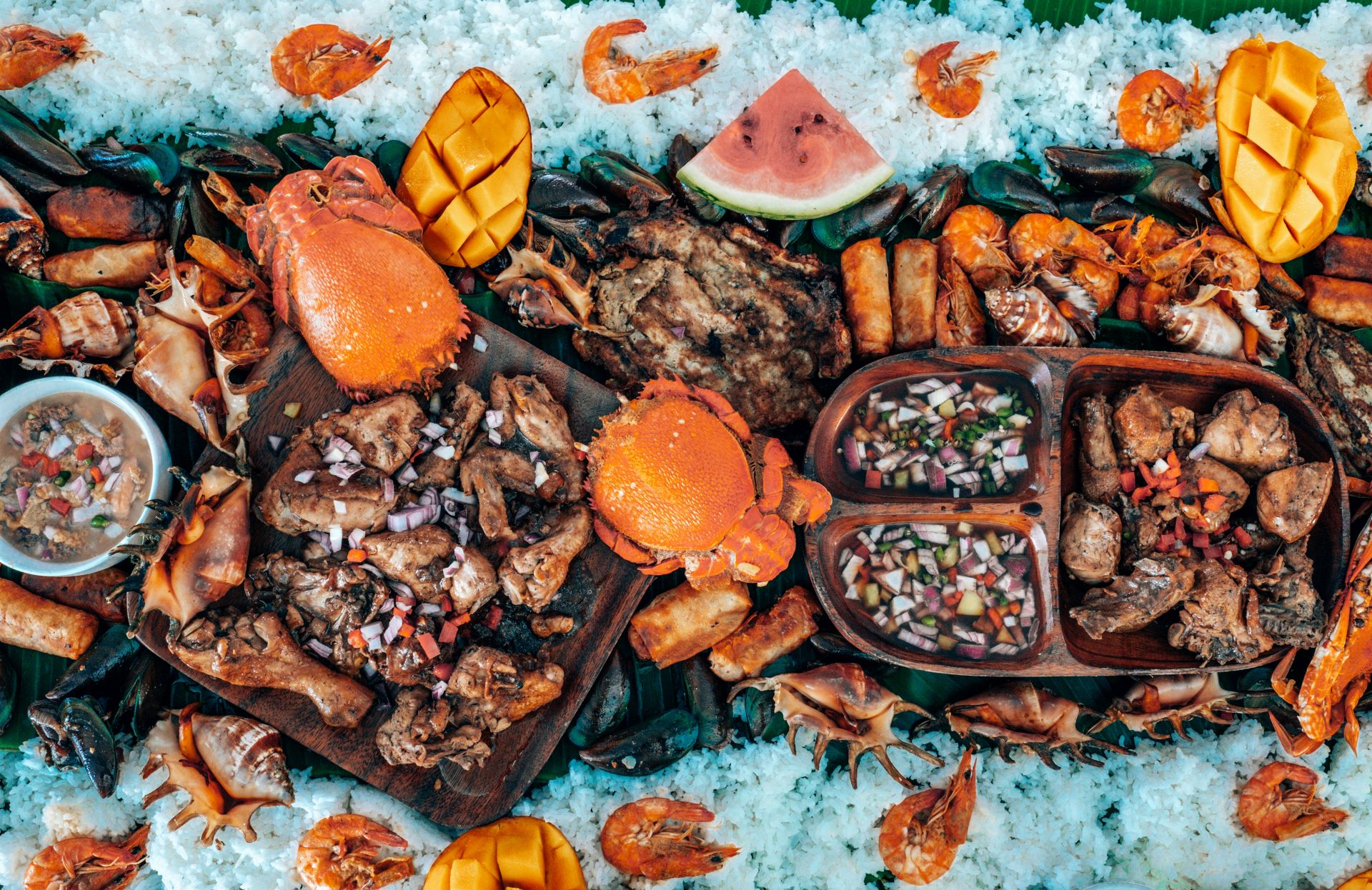
Amagwinya & Amasi: A Taste of Tradition
In rural areas and township homes, amagwinya often accompany amasi, a fermented milk drink with a tangy, yoghurt-like flavour. The combo of hot, oily dough and cool, sour milk may seem odd to outsiders—but it’s a beloved comfort food with deep roots in Xhosa and Zulu households.
Where to Find: Try it at Vilakazi Street Market or from home kitchens that sell breakfast magwinya with amasi on the side.
Tip: Don’t expect sugar or cream—amasi is fermented traditionally and meant to be enjoyed in its natural state.
Chisa Nyama: Where Fire, Meat & Music Meet
Literally meaning “burn meat” in Zulu, chisa nyama is South Africa’s version of barbecue culture turned into a street food and social movement. It’s not just a meal—it’s a scene. Patrons buy meat (ribs, wors, steak, chicken), hand it over to the grill master, then enjoy it with pap, chakalaka and beers while the DJ spins kwaito or amapiano.
Where to Braai: Sakhumzi Restaurant on Vilakazi Street offers a tourist-friendly version. For authenticity, try Kwa Lichaba in Orlando West or Rands Cape Town in Khayelitsha.
Insider Tip: Go with friends and make a day of it—chisa nyama is a weekend institution.
Shisa Chips, Atchar & Russian: A Township Classic
Found outside schools and taxi ranks, this classic combo of deep-fried slap chips, vinegary mango atchar, and a red, spicy Russian sausage is the flavour of childhood for many South Africans. It's crunchy, spicy, salty, and often wrapped in newspaper or brown paper to soak up the grease.
Where to Snack: Any township vendor around midday, especially in Lenasia, Daveyton or Umlazi. No frills—just fast, cheap, and unforgettable.
Street Sweets: Koeksisters, Skopas & Snowballs
South Africa’s street eats aren’t all savoury. The sweet tooth is well looked after too.
Where to Indulge: Bo-Kaap Kombuis for Cape Malay koeksisters, or any roadside stall near taxi ranks for quick-hit sugar fixes.
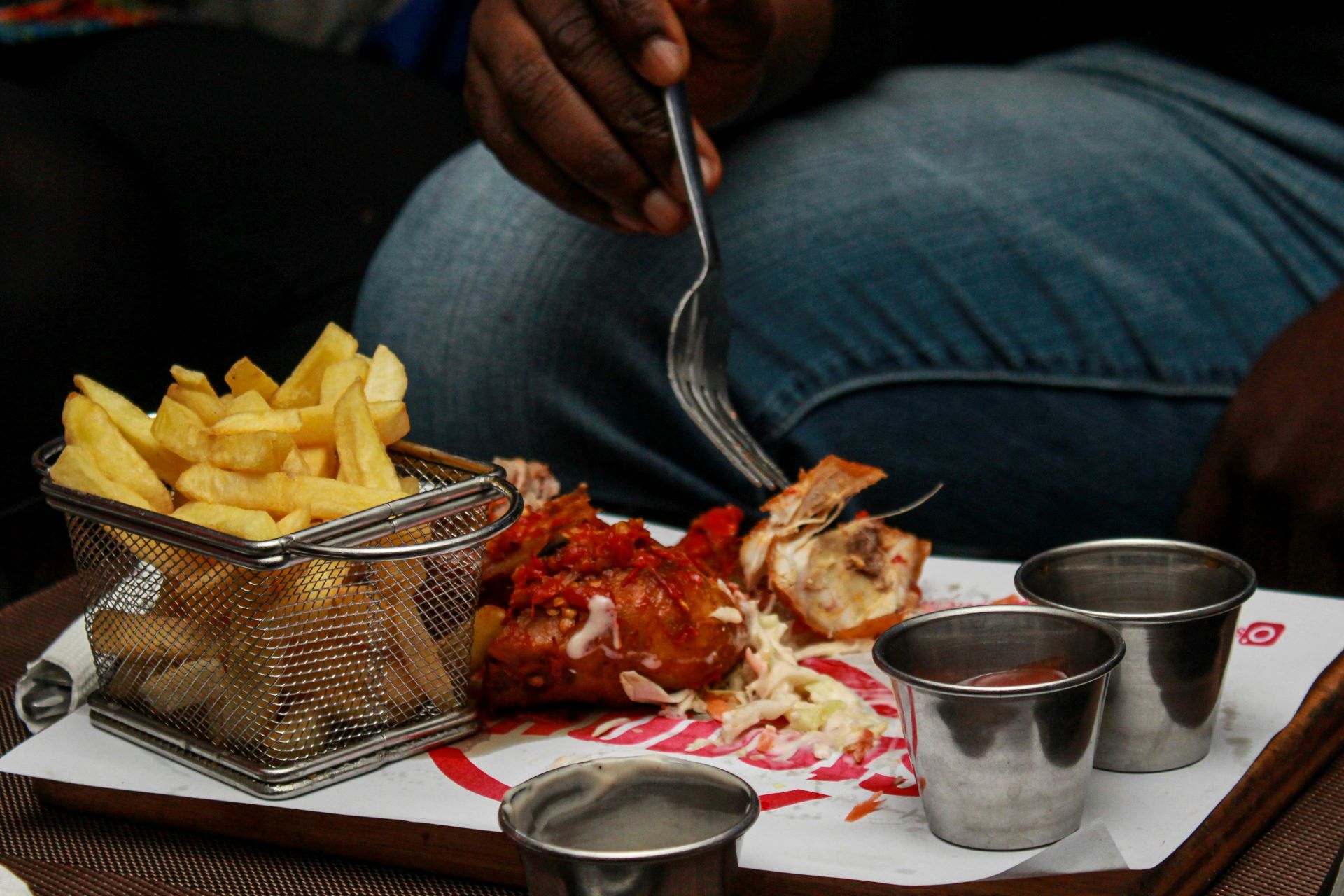
A Final Bite: More Than Food
South African street food isn’t just about flavour—it’s about identity, resilience, and community. Each dish is a lens into the country’s complex history and its hopeful, enterprising spirit. Whether you’re sipping amasi on a dusty township street or digging into a Gatsby with friends by the beach, you’re experiencing something deeply local and truly global.
So next time you’re in South Africa, follow your nose and ditch the fine dining for a day. Because on these streets, flavour isn’t served with silverware—it’s handed to you in paper, with a side of soul.
Herman
Reporting from the frontlines of the South African tourism renaissance. Bridging the gap between regional stories and global audiences through elite narrative strategy.