

A Nation on a Plate
South African cuisine is a story told in smoke, spice, and centuries-old tradition. It is a feast rooted in the primal joy of cooking over open flame — the braai — and shaped by the layers of cultural influence that define the nation itself. From the umami of biltong and the slow-simmered depth of Cape Malay curries to the new wave of chefs plating up heritage dishes with fine-dining finesse, South Africa’s culinary identity is in a state of thrilling transformation.
The journey from the backyard braai to the white-linen tablecloth is not a rejection of the past, but rather a celebration of it — a reclaiming and refinement of flavours that have always been here. This evolution reflects a broader social and cultural movement: one of pride, preservation, innovation, and identity. It is about reimagining what South African food can be without losing sight of what it has always been.
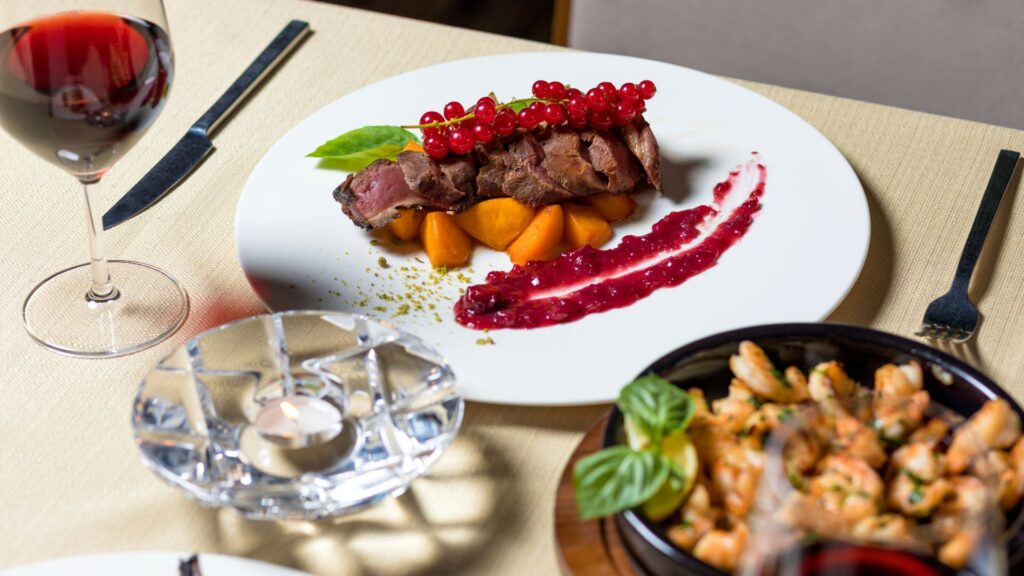
The Braai – A Flame That Unites
You can’t talk about South African food without first bowing to the altar of the braai. More than just a method of cooking, the braai is a ritual, a social glue, and a national pastime. The smell of wood smoke drifting across a neighbourhood on a weekend afternoon is as intrinsic to South African life as the call of the hadeda or the buzz of a vuvuzela.
Traditionally, the braai is egalitarian — a democratic space where anyone can bring their chops, boerewors, and mielies. It belongs to everyone, regardless of race, class or language. Across the nation, you’ll find variations: the township shisa nyama, where meat is selected fresh from the butcher and cooked right there; the farm-style spit braai; or the coastal fish braai, where freshly caught snoek is flame-grilled with apricot jam glaze.
But even the braai is evolving. Gourmet butchers are offering artisanal wors infused with exotic spices, game meats like springbok and kudu are being grilled to medium-rare perfection, and chefs are experimenting with braai smoke as a fine-dining flavour note. The humble fire has entered the kitchen of haute cuisine — and it has brought its soul with it.
The Ingredients of Identity
South Africa's unique biodiversity and multicultural heritage have yielded an astonishing pantry of ingredients and influences. Indigenous foods such as sorghum, marula, baobab, spekboom, and amasi are being reinterpreted and elevated by a new generation of chefs. Forgotten ingredients — like waterblommetjies, imphepho, or bokkoms — are being rediscovered as integral to the national palate.
Add to this the rich legacy of immigrant cultures — Dutch, French Huguenot, British, Indian, Malaysian, Portuguese, and more — and you have a cuisine layered with spice, texture and history. Cape Malay curries, bunny chows, bobotie, chakalaka, samoosas, and rotis tell stories of diaspora, displacement and fusion.
Chefs like Kobus van der Merwe (Wolfgat), Wandile Mabaso (Les Créatifs), and Mmabatho Molefe (Emazulwini) are digging deep into indigenous knowledge systems, ancestral recipes, and hyperlocal sourcing to create menus that are both contemporary and deeply rooted. This is not fusion for the sake of flair — it is a conscious effort to reclaim and recontextualise food as a cultural artefact.
Township Tables and Street Food Stars
South African street food is having a renaissance. Long confined to local corners and taxi ranks, these flavours are now making their way into the limelight. Kota, gatsby, bunny chow, magwinya (vetkoek), walkie-talkies (chicken feet), and tripe — once the staples of the informal economy — are being plated with precision in restaurants and celebrated on gourmet menus.
Township pop-ups and street food festivals are becoming incubators of culinary creativity. Chefs are revisiting these foods not with irony, but with reverence. Soweto’s Vilakazi Street, for example, is home to eateries that take classic dishes and give them a modern twist — tripe terrines, chakalaka espuma, vetkoek sliders. It’s street food with a sommelier and a story.
In doing so, a previously overlooked part of South African culinary culture is finally getting its due. It’s not just about nostalgia; it’s about validation. It’s about telling the world that a kota is as worthy of celebration as a croque monsieur, and that a bunny chow deserves as much pageantry as a bouillabaisse.
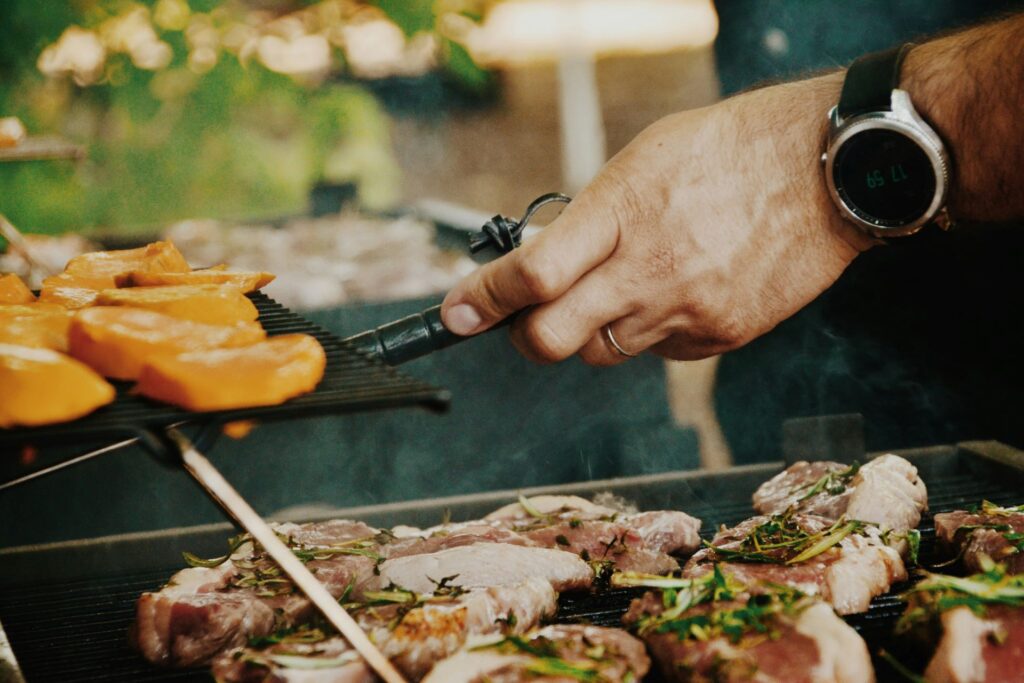
Fine Dining Finds Its Voice
For many years, fine dining in South Africa mimicked the French model — soufflés, duck à l'orange, classic sauces — with little room for local inspiration. But the tide has turned. South African fine dining is no longer just about imported luxury; it’s about local authenticity.
At the forefront of this movement is Wolfgat, the 20-seat restaurant in Paternoster named the world’s best off-the-beaten-track eatery. Here, foraged seaweed, dune spinach, and veld herbs define the menu. Chef Kobus van der Merwe’s philosophy of “Strandveld food” is about minimal intervention and maximum locality.
Elsewhere, restaurants like La Colombe, The Test Kitchen (and its spiritual successor, The Test Kitchen Fledgelings), FYN, and Salsify at The Roundhouse are fusing international technique with South African terroir. Expect dishes like kudu tartare with fermented atchar, langoustine with baobab gel, or fynbos-infused consommé.
The new era of fine dining is less about formality and more about storytelling. Every plate is a narrative — of place, of people, of purpose.
A Sustainable Table
Sustainability is no longer a trend; it is a necessity. South Africa’s chefs are embracing regenerative farming, seasonal sourcing, and zero-waste philosophies. Restaurants are forging direct relationships with farmers, fishermen, and foragers. The distance from soil to service is shrinking.
Urban farming initiatives are thriving, and community gardens are being integrated into restaurant supply chains. Indigenous farming methods, once cast aside, are being revisited for their ecological wisdom. Drought-tolerant crops, rotational grazing, and water-smart harvesting are not just sustainable — they’re flavourful.
Even the wine world is shifting. Natural wines, organic vineyards, and low-intervention winemaking are gaining traction, especially in regions like the Swartland and Hemel-en-Aarde. Sommeliers are curating pairings that complement local dishes with local vintages — the terroir is not just tasted, it’s toasted.
Culinary Tourism and Global Spotlight
South Africa is increasingly being seen as a food destination — not just for biltong and braais, but for its nuanced, multi-dimensional cuisine. Culinary tourism is booming. Travellers are seeking immersive food experiences: farm-to-fork dinners, foraging walks, traditional cooking classes, vineyard picnics, and food markets.
Cape Town remains the gastronomic capital, but Johannesburg is fast catching up with its bold, urban energy. Durban’s spice-scented streets offer some of the best Indian food outside of India. The Garden Route, Winelands, Karoo, and Drakensberg are all seeing a surge in food-focused experiences.
South African chefs are also gaining international recognition. More are cooking on global stages, collaborating with Michelin-starred counterparts, and being invited to major culinary symposiums. The world is starting to pay attention — and rightly so.
The Future is Local
The next chapter of South Africa’s culinary evolution is about ownership — cultural, economic, and creative. It’s about empowering local talent, decolonising palates, and building a food industry that reflects the full breadth of the nation’s diversity.
Cookbook authors, food scholars, and TV personalities are documenting and broadcasting these changes. Social media has become a platform for young cooks to showcase heritage dishes. The rise of culinary incubators and mentorship programmes is nurturing the next generation of chefs, especially from previously underrepresented communities.
And perhaps most importantly, everyday South Africans are taking pride in their food culture again. Cooking, sharing, and celebrating food has become an act of identity, and the world is taking note.
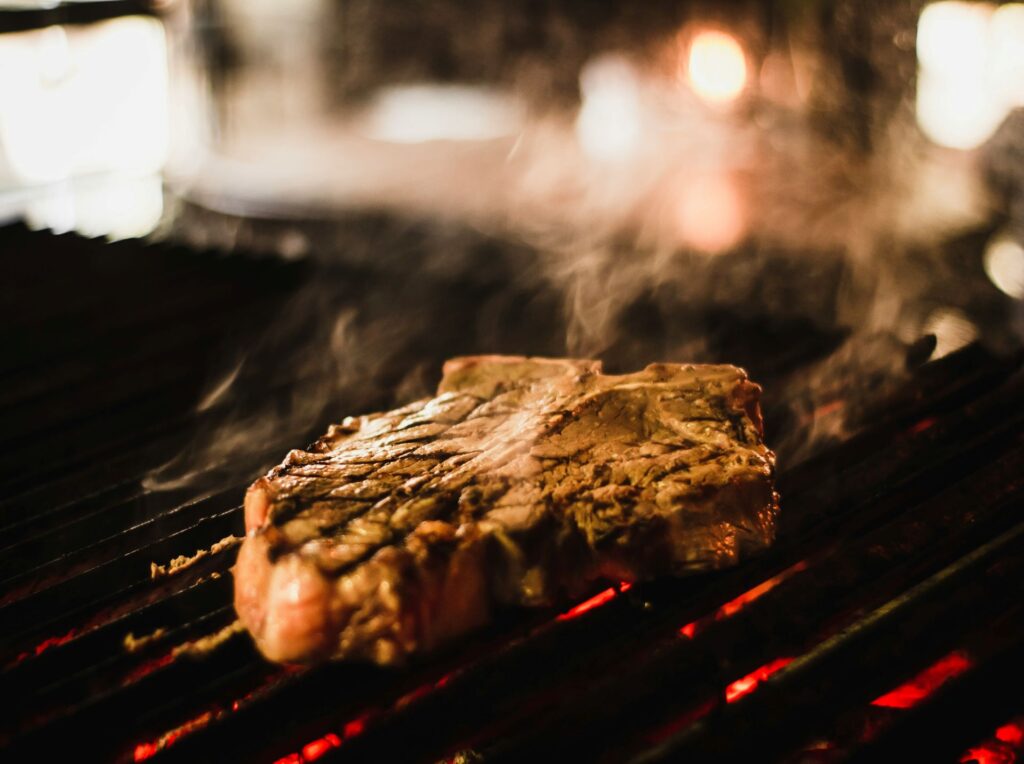
A Cuisine Becoming
South African cuisine is not a finished product — it is becoming. It is fluid, expansive, and infinitely interpretable. Its heart may still lie with the fire and the coals, but its spirit is bold, inclusive, and endlessly inventive.
From braai to gourmet, township to tasting menu, heritage to haute — this is a nation eating its way toward self-discovery, one plate at a time.
Jabulani
Reporting from the frontlines of the South African tourism renaissance. Bridging the gap between regional stories and global audiences through elite narrative strategy.