

South Africa is globally renowned for its Big Five safaris — lion, leopard, rhino, elephant and buffalo — and iconic reserves such as Kruger National Park, Addo Elephant National Park, and Pilanesberg. While these flagship destinations offer extraordinary wildlife encounters, they represent only a fraction of the country's vast and diverse wilderness. Off the beaten track, South Africa is home to a treasure trove of lesser-known nature reserves — wild sanctuaries where biodiversity thrives, crowds are rare, and intimacy with nature is redefined.
This article journeys through some of South Africa’s unsung conservation areas, exploring their ecological significance, unique experiences, and the immersive beauty that awaits those willing to stray from the standard safari path.
De Hoop Nature Reserve (Western Cape)
Where coastal dunes meet mountain backdrops
Tucked along the southern Cape coastline, De Hoop Nature Reserve is a paradise for nature lovers, birdwatchers, and marine enthusiasts. A UNESCO-recognised World Heritage Site within the Cape Floral Kingdom, this reserve blends dramatic white sand dunes with fynbos-covered hills, limestone cliffs, and turquoise bays.
What makes De Hoop exceptional is its vantage point for whale watching. Between June and November, southern right whales congregate along the coast to calve and nurse, providing arguably the best land-based whale viewing in the world.
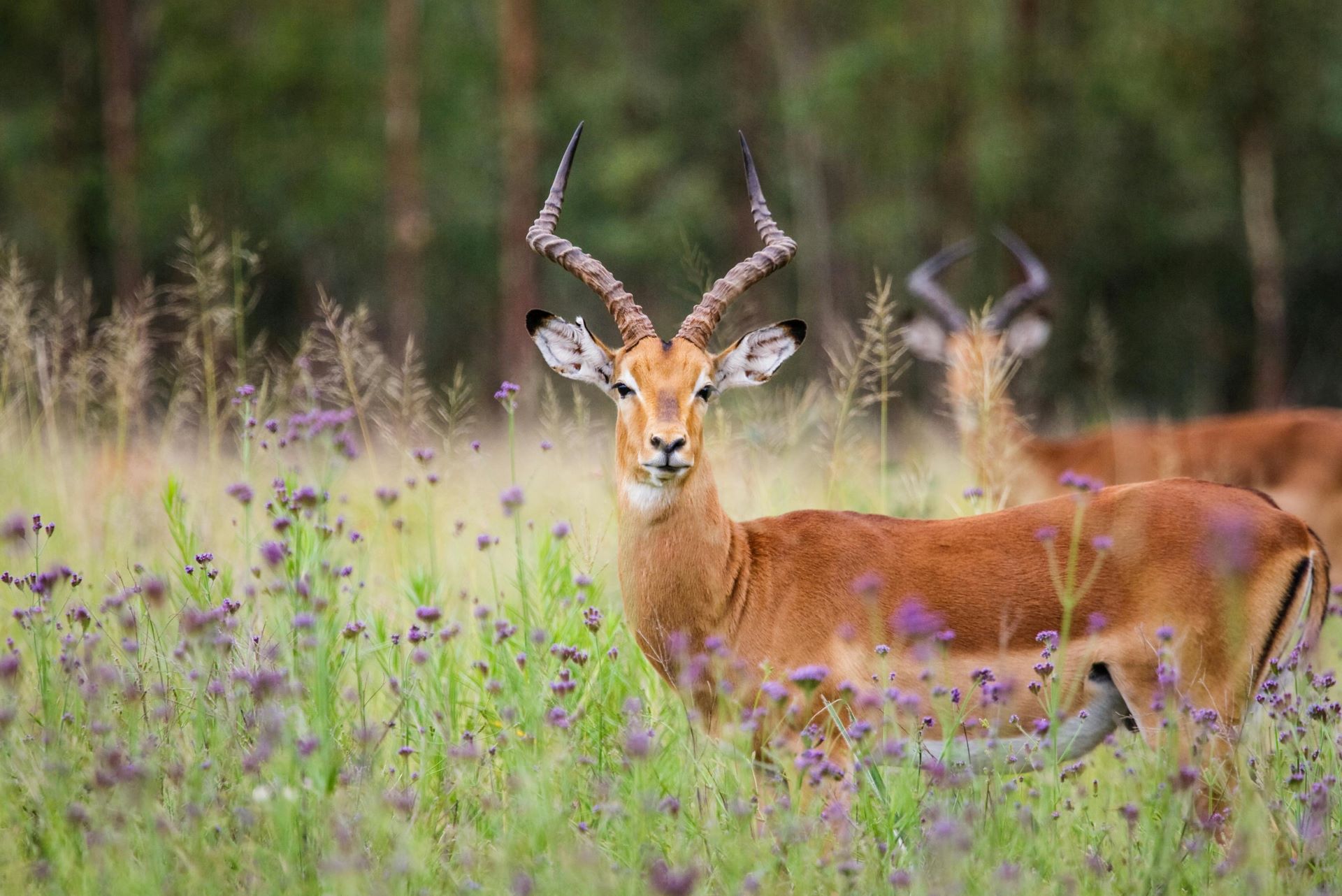
Beyond the marine spectacle, De Hoop offers rare plains game like bontebok, Cape mountain zebra, and eland, while over 260 bird species including the endangered Cape vulture soar overhead. Hikers can embark on the multi-day Whale Trail, and cyclists are free to explore undisturbed by predators — a rarity in South Africa.
Mkambati Nature Reserve (Eastern Cape)
Africa’s wild coast reimagined
Nestled within the Pondoland Centre of Endemism along the northern Wild Coast, Mkambati is a coastal haven teeming with endemic flora, cascading waterfalls, and untouched beaches. Isolated and dramatic, it feels like a forgotten Eden.
Here, wildlife roams freely without fear: eland graze near cliffs, bushbuck dart through forests, and the elusive samango monkey may make a rare appearance. The reserve’s crown jewel is the Mkhambathi River, where waterfalls spill directly into the Indian Ocean — a geographical rarity and visual masterpiece.
Visitors can explore ancient caves adorned with San rock art, swim in river pools, or witness migrating sardines during the famed "Sardine Run." Lodging options are basic, but that’s part of the appeal — it’s raw, unfiltered Africa.
Marakele National Park (Limpopo)
A convergence of bushveld and mountains
Situated in the heart of the Waterberg Biosphere, Marakele National Park is where rugged mountains meet lush bushveld. Its name means "place of sanctuary" in Setswana — a fitting title for a park where nature thrives in equilibrium.
What sets Marakele apart is its dramatic terrain. Towering sandstone peaks, deep valleys, and sweeping grasslands create a habitat supporting both arid and moist climate species. The Big Five are present, though sightings are less predictable, offering a more rewarding, less staged safari.
The park also hosts one of the largest breeding colonies of Cape vultures in the world, making it a raptor-lover’s dream. With limited camps and 4x4 trails, Marakele offers seclusion and a sense of discovery often absent in busier reserves.
Kgaswane Mountain Reserve (North West Province)
A biodiversity hotspot under the radar
Perched on the slopes of the Magaliesberg, Kgaswane Mountain Reserve is an often-overlooked gem outside Rustenburg. Despite its proximity to urban centres, it remains underexplored — a tranquil escape rich in biodiversity.
The reserve is a birdwatching hotspot with over 320 recorded species, including martial eagles and African hawk-eagles. Mammals like sable antelope, kudu, and leopard inhabit its grasslands and ravines, while hiking trails like the 25km Summit Route offer panoramic views of the surrounding mountain range.
Its relative obscurity is part of the allure. Day visitors can enjoy peaceful picnics near rock pools or tackle multi-day hikes with overnight stops in rustic huts. It’s an ideal destination for seasoned hikers and those seeking solitude.
Magoebaskloof Forest Reserve (Limpopo)
Mystical forests and misty trails
Magoebaskloof is not a game reserve in the traditional sense — don’t expect lions or elephants here. Instead, this high-altitude forest near Tzaneen offers something equally magical: thick Afro-montane forests, mist-shrouded paths, and cascading waterfalls.
The reserve is a haven for birdlife, with species like the Narina trogon and Knysna turaco flitting through ancient trees. Enthusiasts can explore the Woodbush Forest or Debengeni Falls, and adrenaline seekers can tackle the canopy tours or mountain biking routes.
With its moss-covered trails, gurgling brooks, and rare orchids, Magoebaskloof feels more Tolkien than Tarzan — a fairytale forest often missed by those chasing the Big Five alone.
Tankwa Karoo National Park (Northern Cape)
Stark beauty in silence
Tankwa Karoo is one of South Africa’s most otherworldly landscapes — stark, arid, and hauntingly beautiful. Situated between Ceres and Calvinia, this semi-desert reserve challenges traditional notions of biodiversity with its resilient life forms and Martian-like terrain.
Here, silence is sacred. The park is one of the best stargazing destinations on the continent, boasting some of the darkest skies in Africa. It's home to the South African Astronomical Observatory's SKA site and the annual AfrikaBurn festival — the continent’s answer to Burning Man.
Wildlife is adapted to the extreme environment: gemsbok, steenbok, and bat-eared foxes thrive here. Birders flock to see the endemic cinnamon-breasted warbler and other arid-zone specials. For those seeking introspection and elemental connection, Tankwa is transformative.
Tsendze Rustic Camp (Kruger National Park, Limpopo)
Off-grid within the iconic
Even within Kruger, there are corners where the pulse of wilderness remains unspoiled by development. Tsendze Rustic Camp, located near Mopani Rest Camp, offers a back-to-basics bush experience that recalls the Kruger of old.
There’s no electricity, no shops, no luxury. Instead, there are unfenced campsites under majestic leadwood trees, wood-burning showers, and close-up encounters with elephants, owls, and bushbabies. Managed with heartfelt care by friendly custodians, Tsendze is a cult favourite among Kruger veterans.
It proves that even in the country’s most visited park, wild, intimate nature can still thrive.
Bontebok National Park (Western Cape)
South Africa’s smallest national park with a big heart
Located near Swellendam, Bontebok National Park may be the smallest in the country, but it holds significant historical and ecological weight. It was established in 1931 to save the bontebok antelope from extinction — a conservation success story.
The park is a haven for rare fynbos and over 200 bird species, including Denham’s bustard and blue crane. The Breede River winds lazily through it, inviting visitors to swim, fish, or paddle in peace.
It’s ideal for slow travel: easy trails, stargazing, and riverfront camping in a malaria-free environment. Bontebok proves that big experiences come in small packages.
Groendal Wilderness Area (Eastern Cape)
A hidden Eden of hills and valleys
Just outside Uitenhage lies the Groendal Wilderness Area — 30,000 hectares of remote valleys, hills, and pristine rivers. Largely overlooked even by locals, the reserve offers raw, immersive wilderness experiences with minimal infrastructure.
Its main draw is hiking: the Blindekloof and Cockscomb trails traverse rocky outcrops, fynbos fields, and freshwater streams. The area supports diverse flora and fauna, though it’s more about immersion than ticking off animal sightings.
Groendal is part of South Africa’s wilderness conservation model — a category of land managed for solitude and primitive recreation. It’s a quiet triumph of preservation and proof that nature needs space to breathe.
Witsand Nature Reserve (Northern Cape)
The singing sands of the Kalahari
Witsand Nature Reserve is located in the Kalahari region near Postmasburg and is known for its unique "roaring sands" — dunes that emit a deep, resonant hum when disturbed under dry conditions.
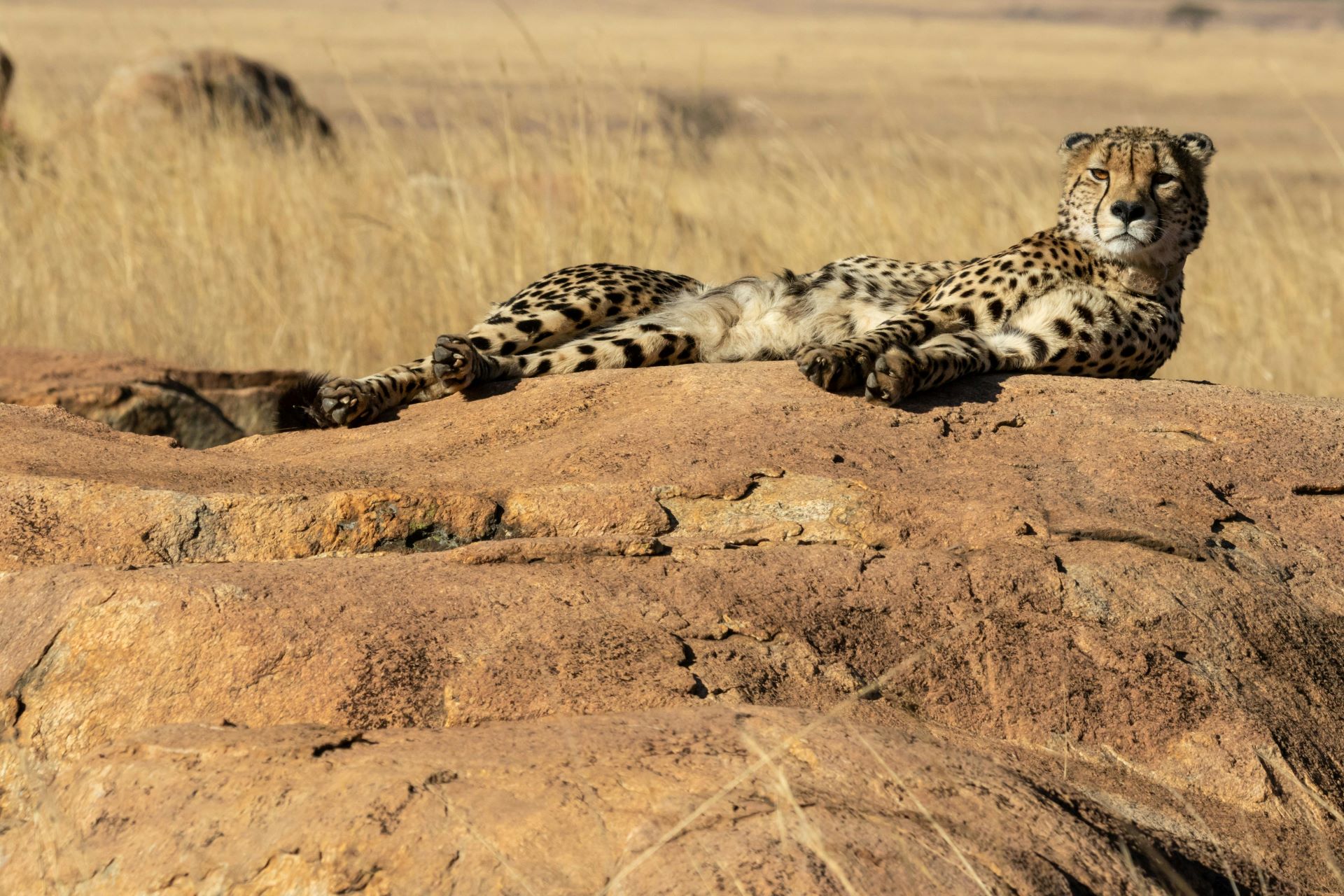
The reserve’s shifting sands support a remarkable variety of desert-adapted wildlife, from sociable meerkats to Cape cobras. Springbok, red hartebeest, and gemsbok traverse its red-and-white dunes, while raptors scan the skies.
It’s a photographer’s dreamscape, especially during the early morning and golden hour. Quiet, remote, and undeniably fascinating, Witsand offers one of South Africa’s most unique sensory encounters.
The Quiet Wild Calls
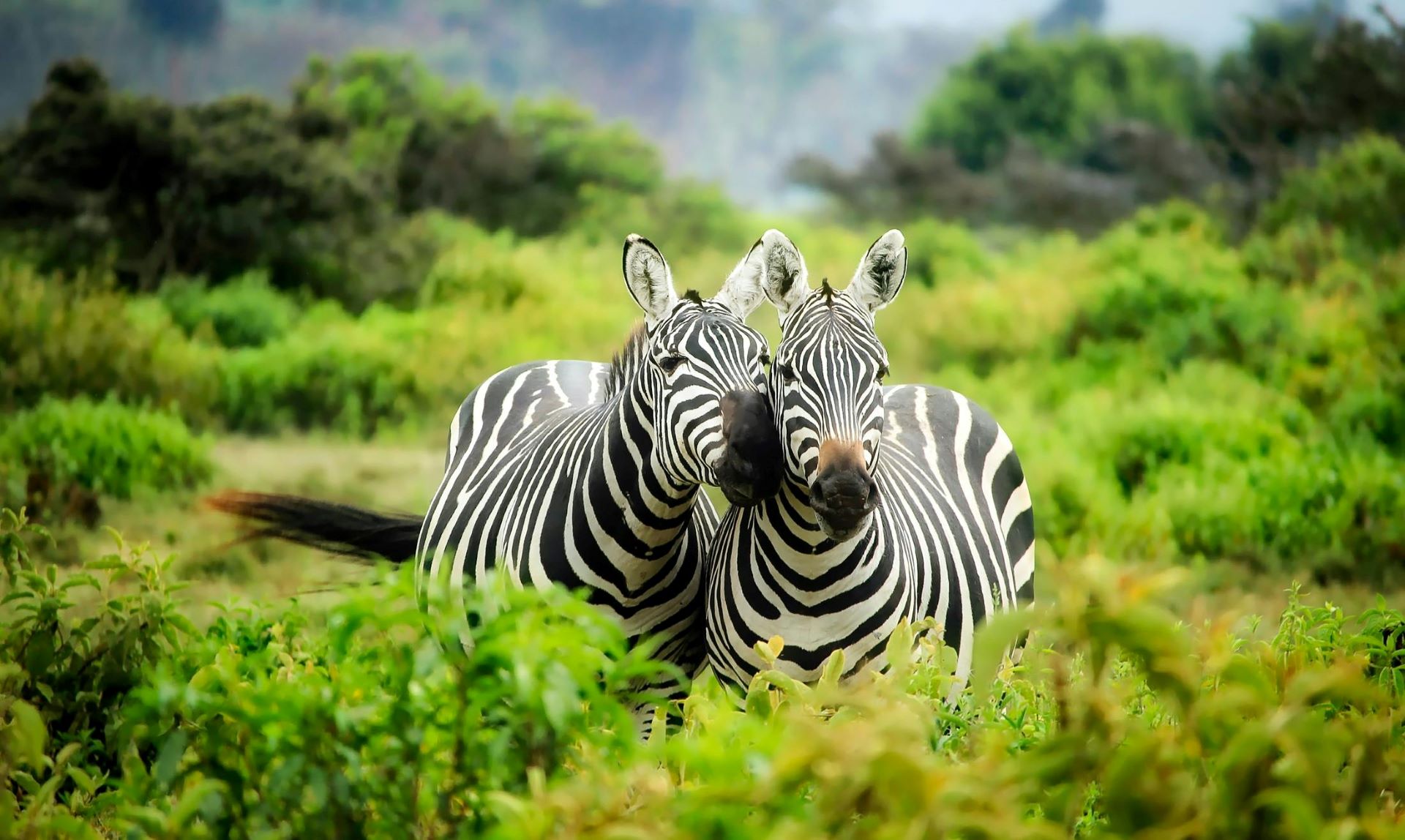
South Africa’s allure goes far beyond the Big Five and blockbuster reserves. From the misty forests of Magoebaskloof to the lunar stillness of Tankwa Karoo, the country’s lesser-known nature reserves offer something purer, often more profound: a chance to reconnect with nature on its own terms.
These landscapes may lack the fame of Kruger or Addo, but they offer something rarer — stillness, solitude, and a deeper kind of beauty that rewards the curious and the patient. Whether you’re a seasoned naturalist, an avid birder, or a traveller simply seeking space to breathe, South Africa’s secret sanctuaries await — wild, unfiltered, and unforgettable.
Ronel Ferreira
Reporting from the frontlines of the South African tourism renaissance. Bridging the gap between regional stories and global audiences through elite narrative strategy.