

The road south out of Upington was dry and flat and old. It shimmered in the late summer sun, unbroken except for the bleached bones of antelope that had not made it. Somewhere beyond the mirage, the Richtersveld lay sleeping under an orange sky. It was the start of the Nama Festival, and the men were painting their faces.
In South Africa, stories are not written first in ink. They are sung, drummed, woven into cloth, danced into dust. They are thrown up in sparks from braai fires and whispered between beads of sweat in overcrowded taxis. And the country, bruised and bright, carries them all.
You do not come to South Africa for one story. You come for the symphony.
Nama Festival — Northern Cape
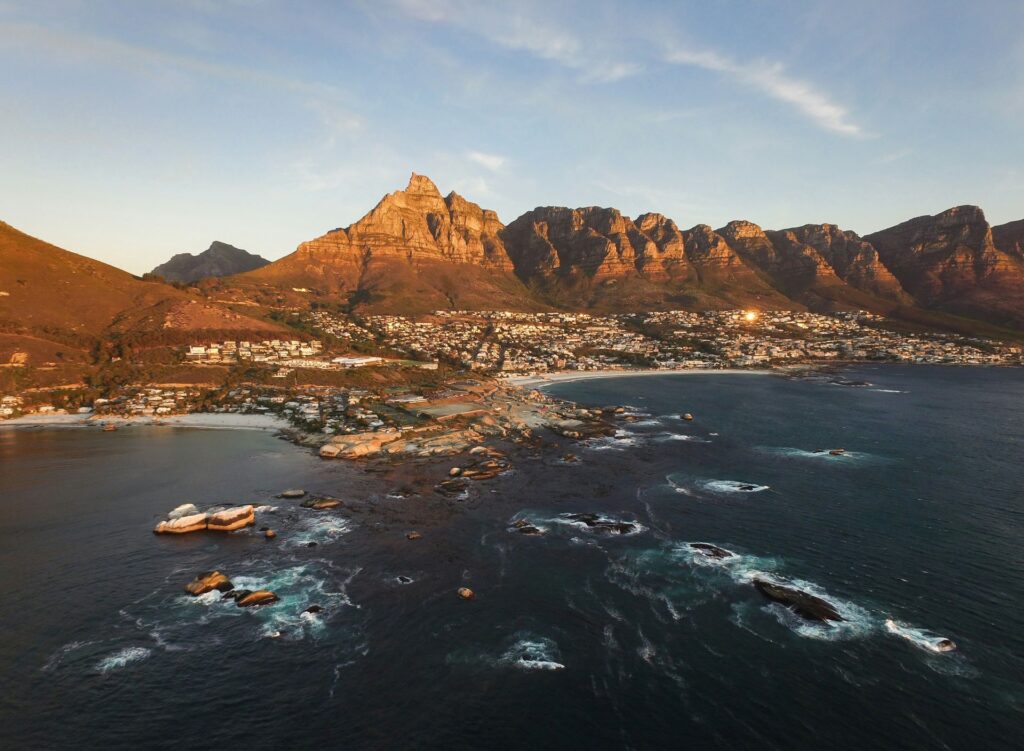
There’s something old and honest about the Nama people. You feel it in the way they speak, that distinctive click of the Khoekhoe language echoing across the rocks like flint against steel. Every April, the Nama gather in the Richtersveld — a desolate Eden of rugged granite and ghostly quiver trees — for a festival that is both a reunion and a resurrection.
The Nama Festival is not made for tourists. It is a gathering of clans, a chance to wear the skins of their forebears, to dance as their mothers did, and to tell the children that they, too, come from somewhere sacred.
Under canvas tents, the smell of sheep stew and rooibos hangs heavy. Women braid each other's hair while elders sit in worn chairs, speaking of cattle, rain, and land. The dances come at night — fierce, rhythmic, full of dust and grace.
It is not just a festival. It is defiance.
Macufe — Mangaung, Free State
In Bloemfontein, October tastes like sweat and saxophones. For one week, the city is renamed Mangaung — Place of the Cheetahs — and it prowls with pride. Macufe, short for the Mangaung African Cultural Festival, is a feast of art, music, and rhythm, the kind of gathering that makes the air throb with something ancient and vital.
You can follow the sound of brass and bass down the wide, flat streets. Jazz seeps from windows and pours onto sidewalks. Gospel choirs flood the churches. Poets take stages in open parks, their verses flaring like matches in the dark.
At night, the stadium lights up. The crowd moves together like a wave, arms raised, heads tilted back. It’s here that you realise culture isn’t something you inherit — it’s something you become.
Knysna Oyster Festival — Western Cape
Knysna, where the forest meets the sea, softens you. The mist clings to your skin like a lover. And in July, when the winter wind drives inland and the sea turns cold, the town comes alive with the Oyster Festival — a curious blend of sports, indulgence, and small-town revelry.
The oysters are plump and chilled, served with sharp lemon and cheaper wine. The races — cycling, running, paddling — are grueling. But it's the people who carry it. Afrikaner, Xhosa, coloured, foreigner — they eat and run and drink together like they’ve always known how.
In the evenings, music drifts from taverns and fires crackle beside road stalls. Children laugh, cheeks painted, clutching candyfloss in gloved hands. Knysna is not only oysters. It is old stories, retold with salt on the lips.
uMkhosi Womhlanga (Reed Dance) — KwaZulu-Natal
There is no silence like the silence before the drums. Deep in the hills near Nongoma, thousands of maidens gather each year for the uMkhosi Womhlanga — the Zulu Reed Dance, a ceremony of chastity, celebration, and royal tradition.
You watch them walk — barefoot, proud — carrying long green reeds like spears. They are dressed in bright beads, skirts of cowhide, and pride older than the monarchy they dance for. The Zulu king watches, but it is the women who command.
This is no ordinary festival. It is a living ritual. The rhythm of the dance, the pounding feet, the ululating cries — they pull you backward through time.
Cape Town Carnival — Western Cape
It begins with glitter and grows into something golden.
Every March, the Cape Town Carnival streaks through Green Point like a fever dream. Part Rio, part District Six, part township joy, it is a collision of cultures, a riot of colour, a testament to what happens when difference dances instead of colliding.
The floats are absurd. Giant flamingos. A neon taxi flying above the crowd. Marching bands in leopard print and drag queens with angel wings. Children in Xhosa blankets next to DJs in sequinned jumpsuits.
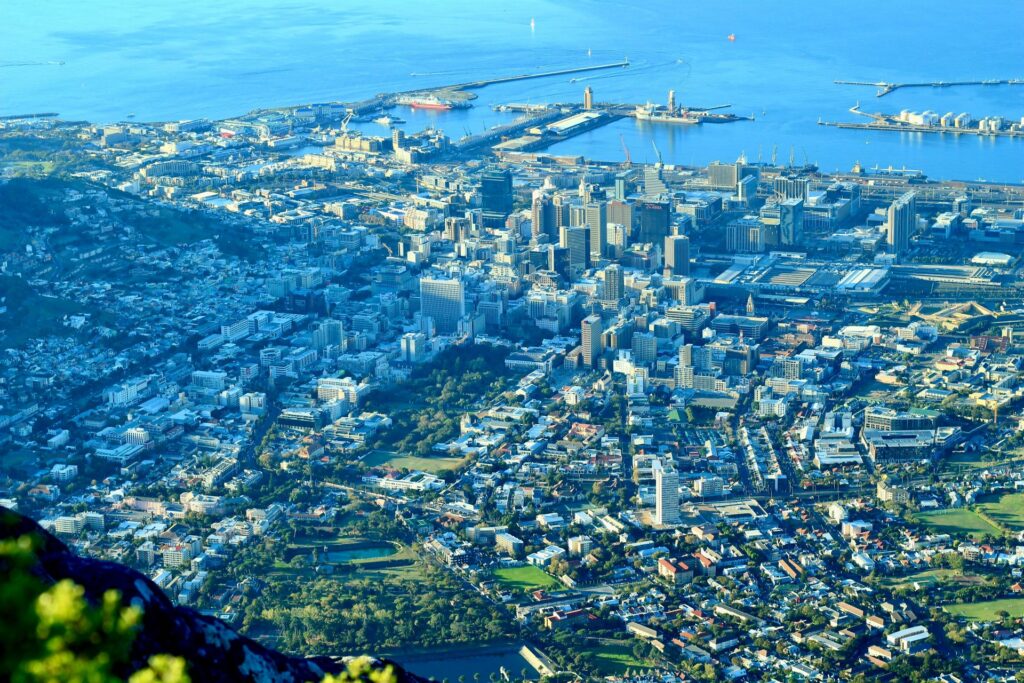
And behind it all, the mountain watches — quiet, immovable — as if even Table Mountain can’t quite believe what this city has become.
Marula Festival — Limpopo
The marula tree bears its fruit once a year, and the people of Phalaborwa answer the call with ceremony, drums, and liquor stronger than the truth.
In February, the Marula Festival spills through the town like ripe juice. There's a royal procession, a market of crafts and crocodile meat, and of course, gallons of marula beer. Some say elephants get drunk off it. Others say they’ve seen men do worse.
This is a Venda and Tsonga world, an old place with its own stories. When you drink the marula, they say, you invite the ancestors to sit beside you. Just don't spill your cup.
AfrikaBurn — Tankwa Karoo
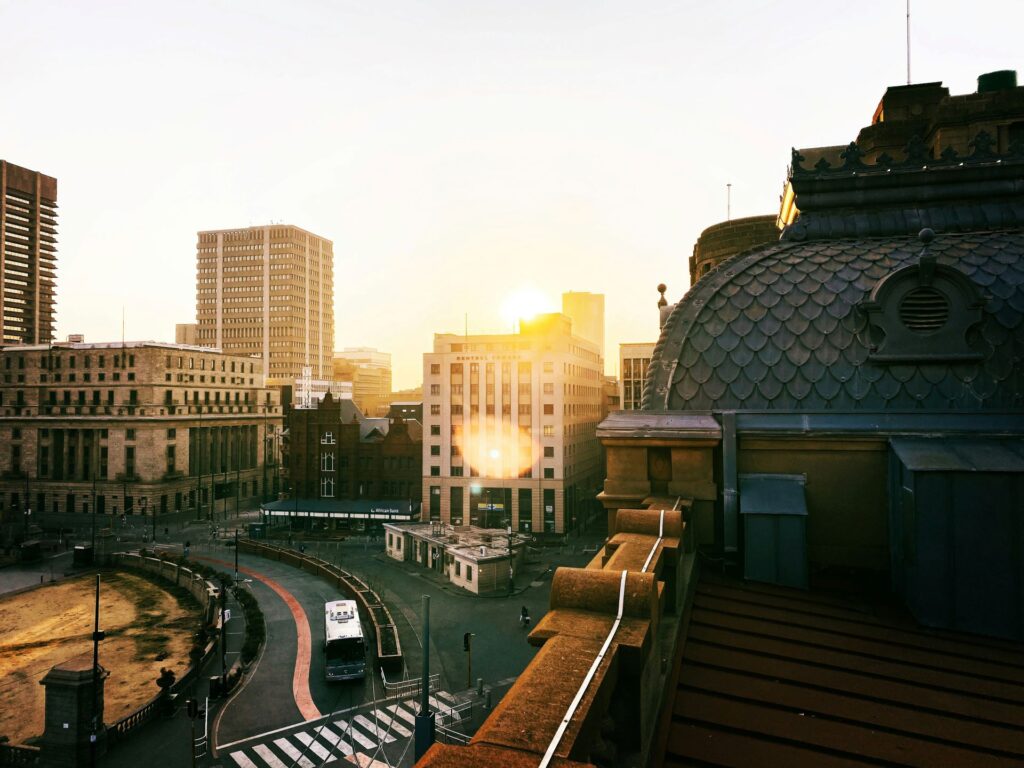
To find AfrikaBurn, you drive until the road disappears. Past Ceres, beyond the dam, over dry salt and wind-chiselled stone, you arrive at the Tankwa — a desert that eats signal, shade, and expectation.
AfrikaBurn is not a festival. It’s a city made of myth. One week a year, artists, nomads, dreamers, and rebels build a new world from scratch. Sculptures rise from dust. Mutant vehicles crawl like beasts. At night, the desert glows with fire, neon, and bass.
There is no money here. Only gifts. Water is life. Shade is currency. You barter stories for kindness, dance for shelter, and find yourself where there are no mirrors.
And when it ends, they burn it all — the temple, the art, the idea of permanence.
Royal Reed Dance of Swaziland — eSwatini
Though not South Africa proper, eSwatini’s Royal Reed Dance lures many South Africans across the border. Here, too, the maidens walk. Here, too, the reeds are cut. But in Ludzidzini Royal Village, the hills ring with different chants, different drums.
Zulu and Swazi are blood cousins. And yet, watching the Swazi king smile under his umbrella, you see the subtle differences — in the dance, in the faces, in the way the stories are told. It's Africa echoing herself.
And in the swirl of skirts and stomp of heels, it is impossible to ignore the strength of women, rising like thunder.
Makhanda National Arts Festival — Eastern Cape
There are towns that wear their history like a coat. Makhanda is one. Formerly Grahamstown, it was a garrison town, a mission town, a university town. Now, in June and July, it becomes a city of stages.
The National Arts Festival is a kind of controlled madness — theatre in churches, jazz in garages, puppetry in alleys. One moment you’re watching a Shakespeare tragedy in Xhosa, the next, a slam poet shouting down the ghosts of apartheid.
It is beautiful and broken and brilliant.
You buy a vetkoek from a woman named Priscilla. She gives it to you with a grin and no serviette. "Enjoy the show," she says, and you realise — you already are.
Gariep Kunstefees — Free State
Far from the glinting towers of Gauteng, in the heart of the Karoo, Afrikaans culture beats stubborn and strong. The Gariep Kunstefees is an arts festival in the conservative town of Gariep Dam, where country meets cabaret, and boerewors and ballet share a stage.
Here, you hear Afrikaans not only as language but as lullaby, protest, joke, and jazz. From puppet shows to protest plays, the festival navigates the tensions of modern identity with warmth and wit.
You don’t need to understand every word to feel the rhythm of it. Like all good stories, it reaches the heart before the mind.
A Country in Chord
South Africa is not a country of consensus. It is a land stitched together with contradictions and kept alive by the sheer force of memory. But when the drums start — whether in a desert camp or a mountain church — the people move together.
These festivals, scattered like beads across a continent, are not escapes. They are reminders. Of who we are, who we were, and who we still might be.
And as the fires fade and the tents fold, what remains is not just the memory of colour and sound, but a deeper truth: that in celebration, we come closer to ourselves.
Mandla Ndlovu
Reporting from the frontlines of the South African tourism renaissance. Bridging the gap between regional stories and global audiences through elite narrative strategy.