

A Nation of Wild Frontiers
For most travellers, the phrase “South African safari” conjures one immediate image: the legendary Kruger National Park. Stretching over two million hectares, home to the celebrated Big Five, and embedded in global safari lore, Kruger has become the default reference point for any first-time visitor seeking an encounter with Africa’s untamed wilderness. Yet South Africa’s natural heritage does not end at Kruger’s iconic gates. Beyond this flagship park lies a constellation of lesser-known reserves, each with its own identity, ecosystem, and rhythm of life.
To step into these hidden corners is to discover a South Africa that feels more intimate and more surprising. Hluhluwe-iMfolozi, Addo Elephant National Park, and Madikwe Game Reserve stand as exemplars of this alternative safari circuit. They are not defined by scale alone but by texture, storytelling, and nuance. Together they reveal the depth of South Africa’s conservation achievements and offer travellers a chance to step off the well-worn tracks, where the wildlife is no less spectacular but the experience is often more personal.
This is a journey beyond Kruger, into landscapes where elephants still carve ancient pathways, where wild dogs chase through river valleys, and where the call of the fish eagle marks a dawn that belongs entirely to the bush.
Hluhluwe-iMfolozi: The Cradle of Rhino Conservation
In the undulating hills of northern KwaZulu-Natal lies Hluhluwe-iMfolozi Park, Africa’s oldest proclaimed reserve. Established in 1895, this park predates many of the continent’s best-known conservation areas, and its legacy is inseparable from the story of the rhinoceros. By the mid-20th century, southern white rhinos had been hunted to the edge of extinction, reduced to fewer than 100 individuals hiding in these valleys. It was here that Operation Rhino, spearheaded in the 1960s, became a global model of species recovery. Today, nearly every white rhino in southern Africa can trace its lineage back to this sanctuary.
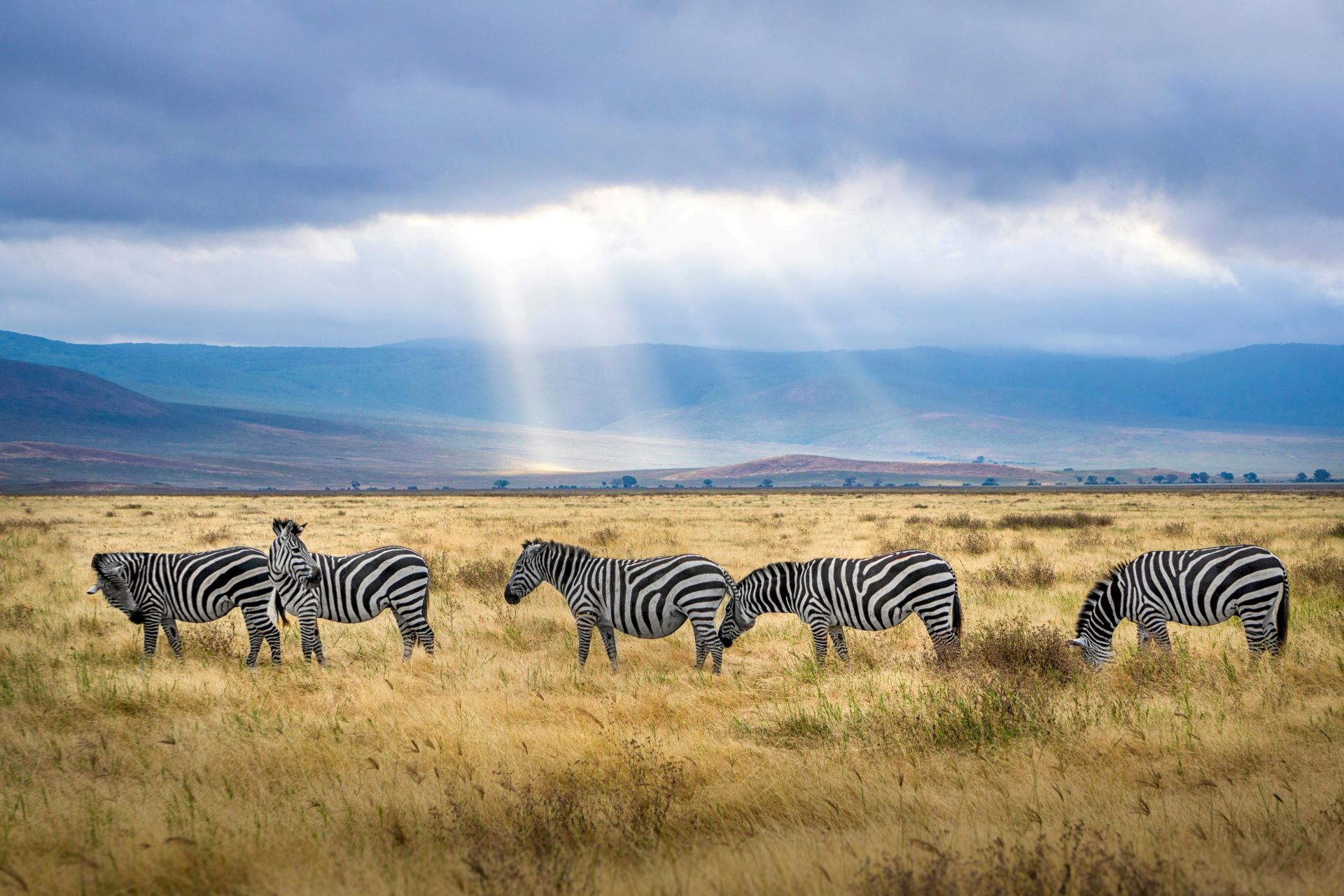
Yet Hluhluwe-iMfolozi is more than just history. Its topography is dramatic, defined by rolling hills, deep ravines, and riverine forests that invite exploration. Unlike the flat expanses of Kruger, this is safari as a sculpted panorama, where game-viewing roads snake through changing habitats. Herds of buffalo crest ridge lines in the morning mist, giraffes loom like sentinels above thornveld, and wild dogs—Africa’s most endangered carnivores—patrol the park’s open savannah.
For the traveller, Hluhluwe-iMfolozi offers something Kruger cannot always guarantee: a sense of intimacy. The park is smaller, more self-contained, and feels like a wilderness you can grasp. Sightings are often uncrowded, with fewer vehicles competing for a view, and the experience of watching a herd of elephants cross a river can feel profoundly personal. The park’s cultural history adds another layer, for this was once the royal hunting ground of the Zulu kings, including the legendary Shaka. To walk here, or even to sit quietly at a lookout, is to sense an ancient dialogue between people, animals, and land.
Hluhluwe-iMfolozi is not merely an alternative to Kruger—it is a destination with its own gravitas, where conservation history and visceral encounters merge into a singular South African story.
Addo Elephant National Park: Where Giants Still Roam
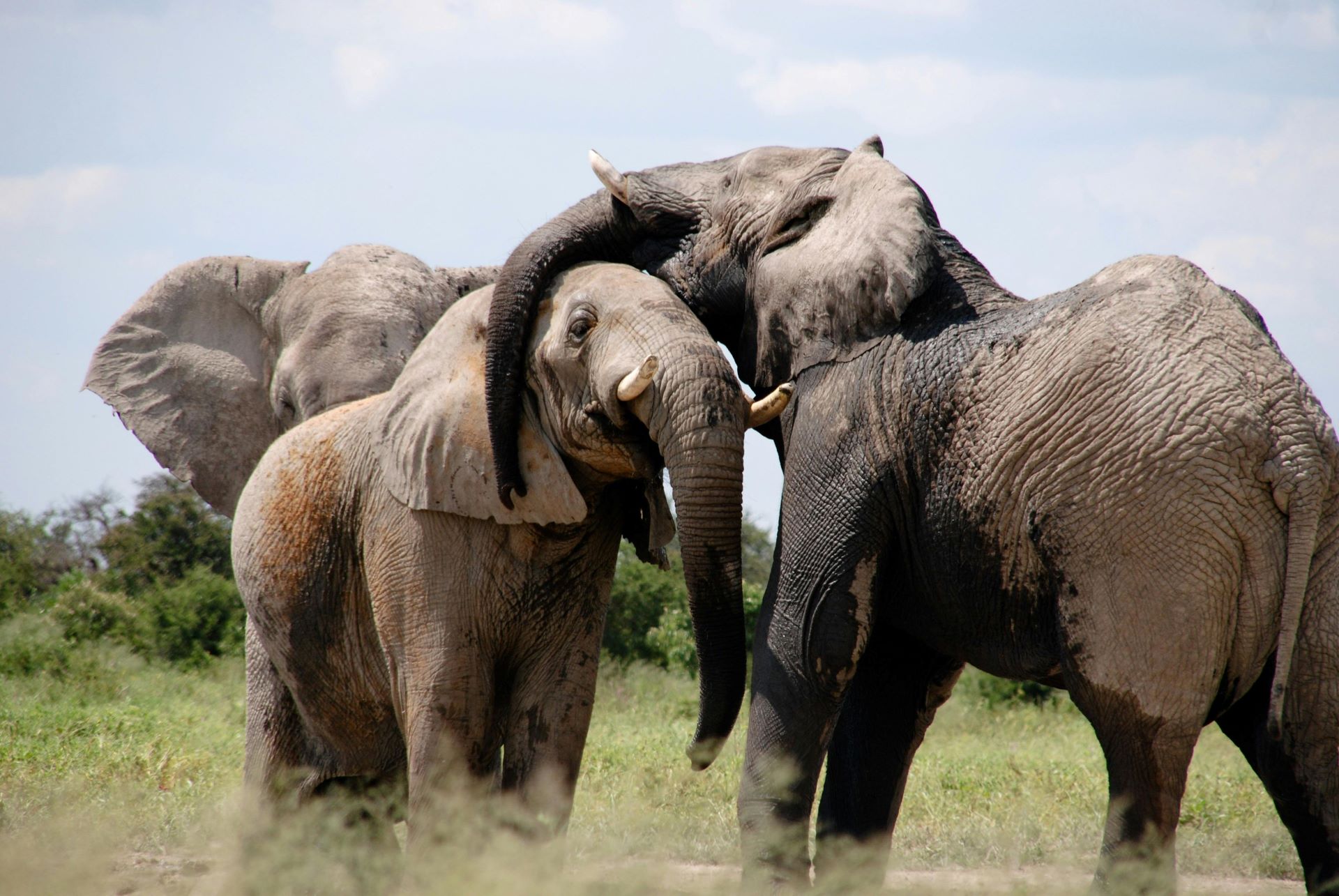
If Hluhluwe-iMfolozi is the cradle of rhino conservation, Addo is the cathedral of the elephant. Situated near Port Elizabeth (Gqeberha) in the Eastern Cape, Addo began in 1931 as a desperate measure to save the last surviving elephants of the region. Just eleven individuals remained after decades of hunting and human conflict. Today, more than 600 elephants thrive here, forming one of the densest populations in Africa. To see them is to understand the raw charisma of this species: matriarchs leading family groups with quiet authority, young bulls testing their strength, calves playing under the shadow of tusks.
But Addo is not only about elephants. Its expansion over the decades has transformed it into one of South Africa’s most diverse protected areas. From its core bushveld to the Zuurberg mountains, coastal dunes, and even marine reserves, Addo encompasses no fewer than five of South Africa’s seven biomes. This means that in a single day, a visitor might watch lions stalking the plains, then travel to the Indian Ocean shoreline where southern right whales breach offshore and great white sharks patrol the waves.
Few parks in the world can claim the so-called “Big Seven”: lion, leopard, buffalo, rhino, elephant, plus whales and sharks. Addo offers this improbable combination not as a gimmick but as an expression of ecological wholeness, reminding us that South Africa’s wild heritage is stitched together across land and sea.
Culturally, Addo is also a gateway. It lies within easy reach of the Garden Route and the Eastern Cape’s historic towns, making it accessible for travellers who might otherwise bypass the north-east in favour of Kruger. Its lodges and rest camps offer everything from rustic simplicity to luxury, and because the park is malaria-free, it appeals especially to families.
What distinguishes Addo, ultimately, is the presence of elephants in such abundance that they become the rhythm of the landscape. At watering holes, dozens converge, their social interactions unfolding like a living theatre. To witness such gatherings is to appreciate not just the survival but the thriving of a species once on the brink—a reminder that conservation, when given the space and commitment, can yield miracles.
Madikwe Game Reserve: A New Vision of Safari
Tucked against the Botswana border in South Africa’s North West Province lies Madikwe Game Reserve, one of the country’s best-kept safari secrets. Unlike Hluhluwe-iMfolozi or Addo, which date back nearly a century, Madikwe is a relatively young reserve. Established in 1991, it was born from an ambitious experiment: to combine conservation with economic upliftment in one of South Africa’s poorest regions.
The land itself was once degraded farmland, exhausted from overuse. Through an operation known as “The Great Game Translocation,” more than 8,000 animals were reintroduced over seven years, including elephants, lions, wild dogs, and cheetahs. Today, Madikwe has flourished into a thriving ecosystem, proof that damaged landscapes can be restored when given vision and investment.
Madikwe’s uniqueness lies in its governance model. It is co-managed by private operators, local communities, and the state, with tourism revenue feeding directly into surrounding villages. This has created a sense of shared ownership, where conservation success is tied not only to wildlife numbers but to human dignity and economic opportunity. For visitors, every game drive here is underpinned by that deeper narrative: that safari can be more than spectacle; it can be a mechanism of social renewal.
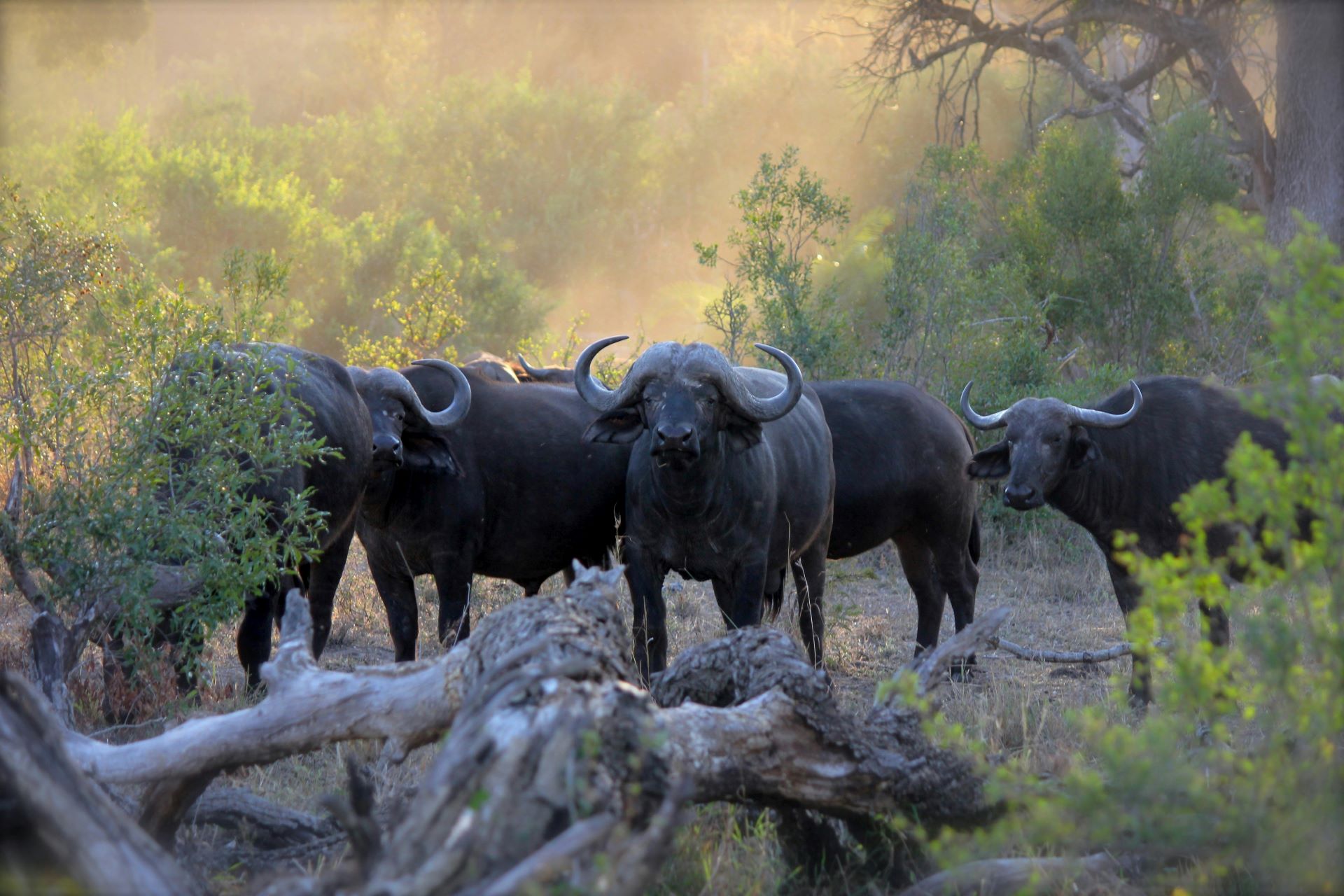
Ecologically, Madikwe is strikingly varied, blending Kalahari thornveld with bushveld and rocky outcrops. This diversity supports an impressive range of species, from black and white rhino to brown hyena and more than 300 bird species. Wild dogs, notoriously elusive elsewhere, are often spotted here, adding an edge of unpredictability to every outing.
Another attraction is Madikwe’s exclusivity. The reserve is not open to day visitors or self-drive tourism. Access is limited to those staying in its lodges, which range from family-friendly retreats to high-end luxury camps. This ensures a low-density safari experience where sightings are unhurried and seldom crowded. To watch a pride of lions at dusk here is to feel like you are witnessing something almost private, unmediated by the bustle of mass tourism.
Madikwe is less a competitor to Kruger than a different philosophy entirely—smaller, more curated, and deeply invested in the people who live alongside its boundaries. It is a model that suggests the future of conservation lies not only in preserving land but in creating systems where communities thrive with it.
Beyond the Familiar: Why These Parks Matter
Travellers often seek out Kruger first, and rightly so—it is a marvel of scale and biodiversity. Yet by venturing further afield into Hluhluwe-iMfolozi, Addo, and Madikwe, one begins to see a fuller portrait of South Africa’s wild heart. Each park carries its own distinct emphasis: rhino in Hluhluwe-iMfolozi, elephants in Addo, and community-driven renewal in Madikwe. Together, they reveal that safari is not monolithic. It is a tapestry of different histories, ecologies, and experiences.
Visiting these reserves is also an act of dispersal. Tourism, when concentrated only in flagship destinations, can place strain on ecosystems and communities. By exploring alternative parks, travellers help spread the economic benefits and encourage broader conservation outcomes. It is a reminder that to be a responsible tourist is not merely to witness but to participate in the sustainability of the places we visit.
A Call to the Curious
The Kruger will always be South Africa’s crown jewel, but jewels are rarely appreciated in isolation. They shine brightest when placed among others that complement their brilliance. Hluhluwe-iMfolozi, Addo, and Madikwe are such companions—hidden gems that, once discovered, leave an indelible mark on the traveller.
To journey into these reserves is to experience safari with a sense of surprise, where each dawn feels less like a box to be ticked and more like a story still being written. For those willing to look beyond the familiar, South Africa offers not just one safari, but many, each revealing another facet of a country where wilderness is both a heritage and a promise.
Mandla Ndlovu
Reporting from the frontlines of the South African tourism renaissance. Bridging the gap between regional stories and global audiences through elite narrative strategy.