

As the sun crests the horizon and brushes the acacia trees with gold, the stillness of the bush awakens with a symphony of birdsong and the distant call of a lion greeting the day. There is something profoundly humbling about witnessing the rhythm of life in the African wild. For many, Kruger National Park serves as the gateway to this awe-inspiring world. But beyond its borders lies a tapestry of private game reserves that offer not only intimate and exclusive wildlife encounters but also a deeper connection to the land and its conservation.
These private reserves, often family-owned or community-managed, offer a more tailored and immersive safari experience. With fewer vehicles, flexible schedules, and expert rangers, they provide a sense of quiet reverence for the natural world. Here, you are not just a visitor; you are a privileged observer, welcomed into a delicate and thriving ecosystem.
To explore South Africa’s private game reserves is to uncover hidden treasures—places where the spirit of Africa is both fiercely protected and generously shared. As travelers, we have the rare opportunity to witness this beauty firsthand and to express our gratitude through responsible tourism that nurtures both wildlife and community.
Background Information
South Africa stands proudly among the world’s premier safari destinations, home to a stunning array of biodiversity and landscapes. While the Kruger National Park is justifiably famous, drawing thousands of visitors annually with its vast expanse and iconic wildlife, it is only one part of a much larger story.
Private game reserves, often bordering national parks like Kruger, play a critical role in this narrative. These reserves are privately owned lands set aside for wildlife conservation and sustainable tourism. They work in partnership with public parks and conservation authorities to protect biodiversity, create wildlife corridors, and support anti-poaching efforts. Some operate as independent entities, while others participate in collaborative conservation networks.
What sets private reserves apart is the quality of the experience. Guests can expect luxurious lodgings, expertly guided game drives, and personalized attention. With limited numbers of guests allowed at a time, sightings are intimate and unrushed. Night drives and off-road tracking, typically restricted in public parks, are allowed here, creating deeper wildlife interactions.
Beyond the safari itself, these reserves often serve as living laboratories for conservation, offering guests insight into research projects, wildlife rehabilitation, and sustainable practices. Many employ local staff, support community upliftment initiatives, and reinvest tourism income into conservation.
Visiting a private reserve is not just a holiday—it’s a gesture of appreciation for the delicate balance between tourism and conservation. It is a way to support ongoing efforts to protect Africa’s iconic species and empower the communities that coexist with them.
Notable Private Game Reserves in South Africa
- Sabi Sand Game Reserve (Mpumalanga)
Bordering the Kruger National Park, Sabi Sand is one of South Africa’s most prestigious private reserves. Known for its high density of leopards, Sabi Sand offers some of the best big cat sightings in Africa. The landscape varies from dense bushveld to open savannah, creating ideal conditions for game viewing.
Luxury lodges such as Londolozi, Singita, and Ulusaba (owned by Sir Richard Branson) offer world-class service, elegant suites, and eco-conscious practices. Guests can enjoy candle-lit bush dinners, spa treatments overlooking the plains, and morning walks with seasoned trackers.
Many visitors recount the profound silence before a lion's roar, or the tender moments of a mother elephant guiding her calf through the brush. These experiences stay etched in memory, framed by the care and knowledge of local guides.
- Madikwe Game Reserve (North West Province)
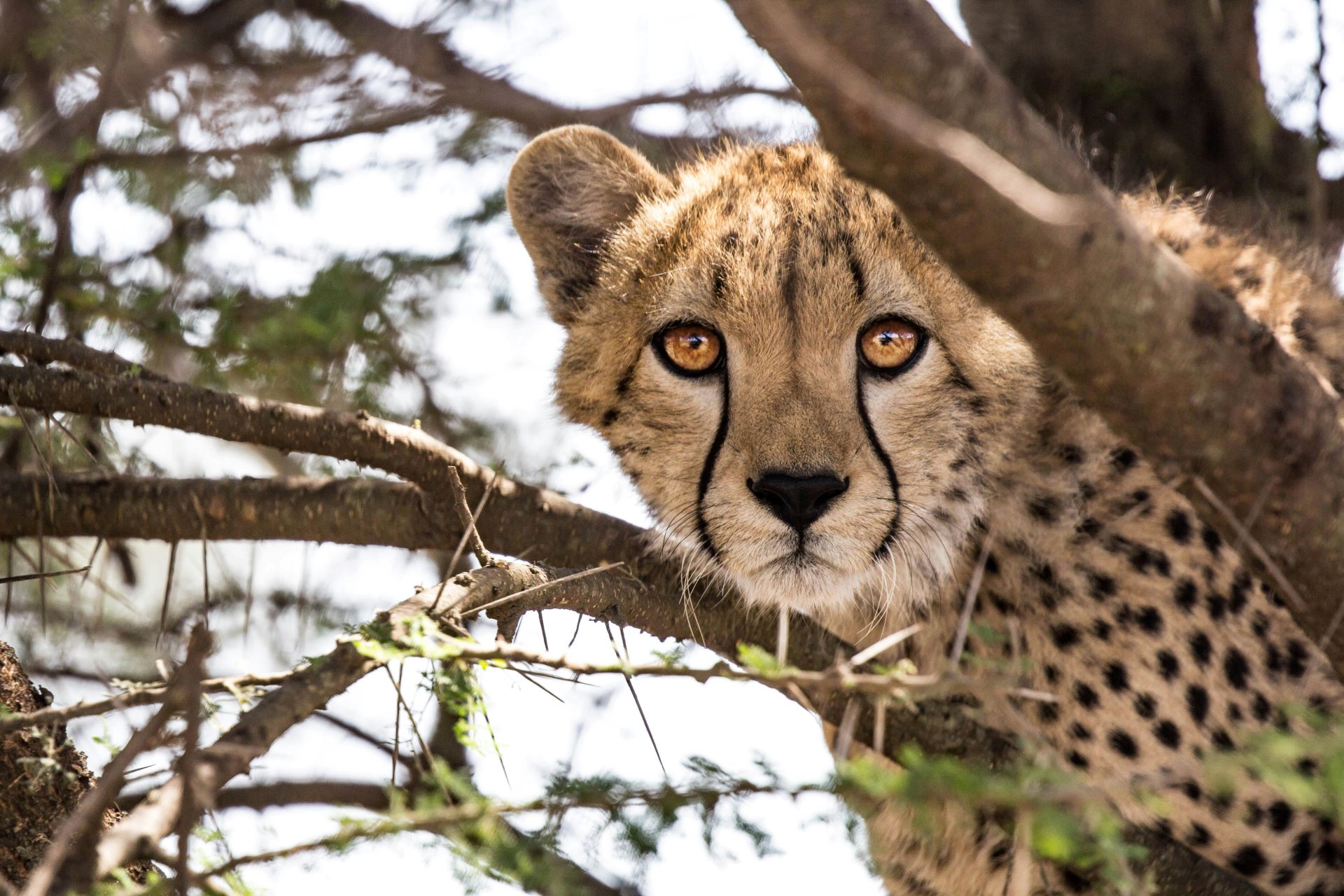
Located near the Botswana border, Madikwe is one of South Africa’s largest malaria-free reserves. It is home to the Big Five as well as rare species such as wild dogs and cheetahs. The reserve is a model of community-based conservation, created through a partnership between the government, private sector, and local communities.
Lodges such as Jamala Madikwe and Mateya Safari Lodge blend opulence with a sense of place, using local art and design to enrich the guest experience. The reserve offers family-friendly options and caters to both seasoned safari-goers and first-timers.
Travelers often speak of the heartfelt hospitality they received, the passionate storytelling of guides, and the quiet joy of watching giraffes silhouette against a blood-orange sunset.
- Phinda Private Game Reserve (KwaZulu-Natal)
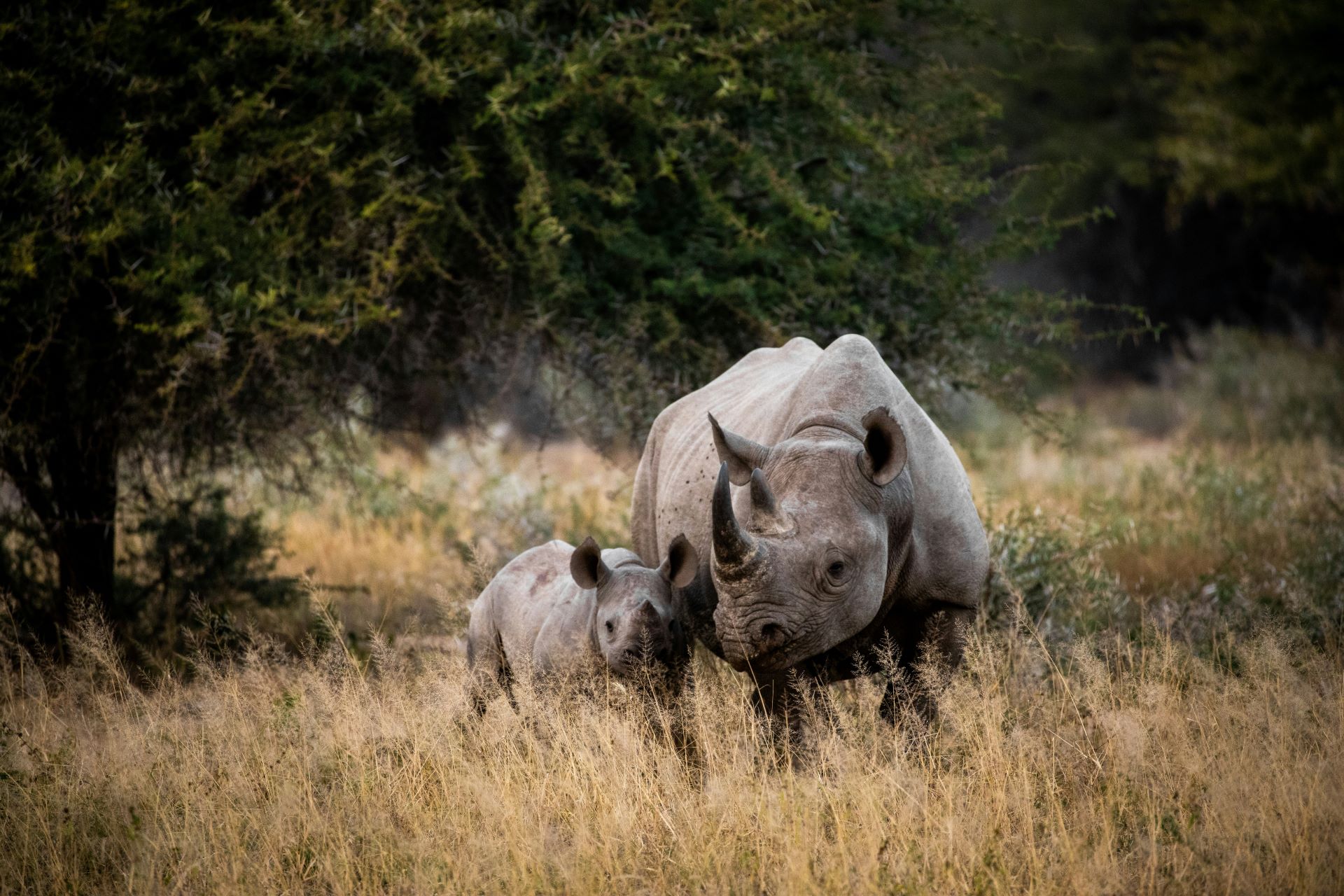
Tucked between the coastal dunes and the Lebombo Mountains, Phinda is a biodiverse jewel. Its seven distinct ecosystems support a rich variety of wildlife, including cheetahs, black rhinos, and rare forest species. Managed by &Beyond, Phinda is a pioneer in conservation and community empowerment.
Guests can stay in chic safari lodges like Phinda Forest Lodge or Rock Lodge, each designed to reflect and respect the surrounding environment. Activities extend beyond game drives to include ocean safaris, birding expeditions, and cultural visits.
A recurring theme in guest testimonials is the sense of wonder and gratitude for the reserve's commitment to rewilding efforts and its partnership with the local Zulu communities, which helps fund schools and healthcare.
- Tswalu Kalahari Reserve (Northern Cape)
Vast, wild, and otherworldly, Tswalu Kalahari is South Africa’s largest private reserve. It offers a safari experience unlike any other, with arid landscapes, ancient mountains, and a chance to see desert-adapted species like pangolins, aardvarks, and meerkats.
Tswalu emphasizes exclusivity, with a maximum of ten vehicles allowed on the entire reserve. Lodging at The Motse or Tarkuni provides an intimate, luxurious base from which to explore. The reserve is deeply committed to conservation, with all proceeds reinvested into ecological research and restoration.
Travelers are often moved by the solitude, the vastness of the landscape, and the opportunity to witness nature’s resilience in this rugged terrain. “It felt like the earth was telling its oldest stories,” one guest wrote.
- Kwandwe Private Game Reserve (Eastern Cape)
A conservation success story, Kwandwe lies in a malaria-free zone and is known for its black rhino population and birdlife. The reserve was created through the restoration of overgrazed farmland and now supports a flourishing ecosystem.
Ecca Lodge and Great Fish River Lodge are favorites among travelers, praised for their warm service, innovative cuisine, and eco-conscious ethos. Kwandwe is also a leader in social investment, funding healthcare, education, and small business initiatives in nearby communities.
Guests often leave with a deeper understanding of the interconnectedness of conservation and community. One visitor shared, “Every moment here felt like a gift—a gift from the earth, from the people, and from the wildlife.”
Conservation and Community Focus
At the heart of South Africa’s private game reserves lies a powerful commitment to conservation and community development. These sanctuaries are more than tourist destinations; they are vital bastions of ecological and cultural preservation.
Private reserves contribute significantly to wildlife protection, with many investing in anti-poaching units, habitat restoration, and species reintroduction programs. In Tswalu, for instance, researchers study the elusive pangolin, gathering data critical to its survival. At Phinda, rewilding projects have reintroduced cheetahs and black rhinos to the landscape.
Community partnerships are central to these efforts. Reserves like Madikwe and Kwandwe were established with local communities as stakeholders, ensuring that tourism directly benefits those who live alongside wildlife. Many employ and train local guides, chefs, and hospitality staff, creating employment and fostering pride in cultural heritage.
Sustainable tourism practices, such as solar energy, water conservation, and waste management, further reflect the reserves’ dedication to minimizing environmental impact. Guests are often invited to participate in conservation activities, from planting indigenous trees to visiting community projects.
Expressing gratitude to the people behind these reserves—the rangers, researchers, and community leaders—is not only fitting but necessary. Their tireless work ensures that the beauty and diversity of South Africa’s wild spaces endure for generations to come.
Planning Tips for Travelers
Planning a visit to South Africa’s private game reserves is an exciting endeavor that can be deeply rewarding with the right preparation.
When to Go:
What to Pack:
Choosing the Right Reserve:
Travel Responsibly:
Gratitude in travel means acknowledging the privilege of stepping into wild spaces and acting as a steward during your stay. Every mindful decision contributes to the preservation of these environments and the well-being of the people who protect them.
The Future of Safaris and Responsible Tourism
As global travel trends shift toward sustainability, South Africa’s private game reserves stand as shining examples of how tourism can be both enriching and responsible. The future of safaris lies in deeper connections—not just to nature, but to the people and principles that uphold it.
Eco-tourism is increasingly shaping the safari experience, with travelers seeking out destinations that prioritize conservation, low-impact infrastructure, and authentic cultural engagement. Private reserves are at the forefront of this movement, constantly innovating to balance luxury with sustainability.
Travelers have a vital role to play in this evolution. By choosing destinations that invest in conservation and community, visitors become partners in a shared mission. As the world becomes more conscious of its ecological footprint, these experiences will only grow in value and significance.
To travel to these reserves is to give thanks—for the wild, for the wisdom of those who protect it, and for the chance to be part of something bigger than ourselves.
South Africa’s private game reserves offer more than just a safari. They provide a portal into a world where nature is revered, where every moment is steeped in meaning, and where travel becomes a force for good.
By stepping beyond Kruger and into the heart of these extraordinary reserves, travelers not only experience the richness of South Africa’s wildlife but also contribute to its enduring legacy. Each visit is a note of gratitude—to the land, to its people, and to the future.
So when you next dream of Africa, dream a little deeper. Beyond the familiar, beyond the expected, lies a journey filled with wonder, purpose, and heartfelt thanks.
Ronel Ferreira
Reporting from the frontlines of the South African tourism renaissance. Bridging the gap between regional stories and global audiences through elite narrative strategy.