

An Invitation to the Underworld
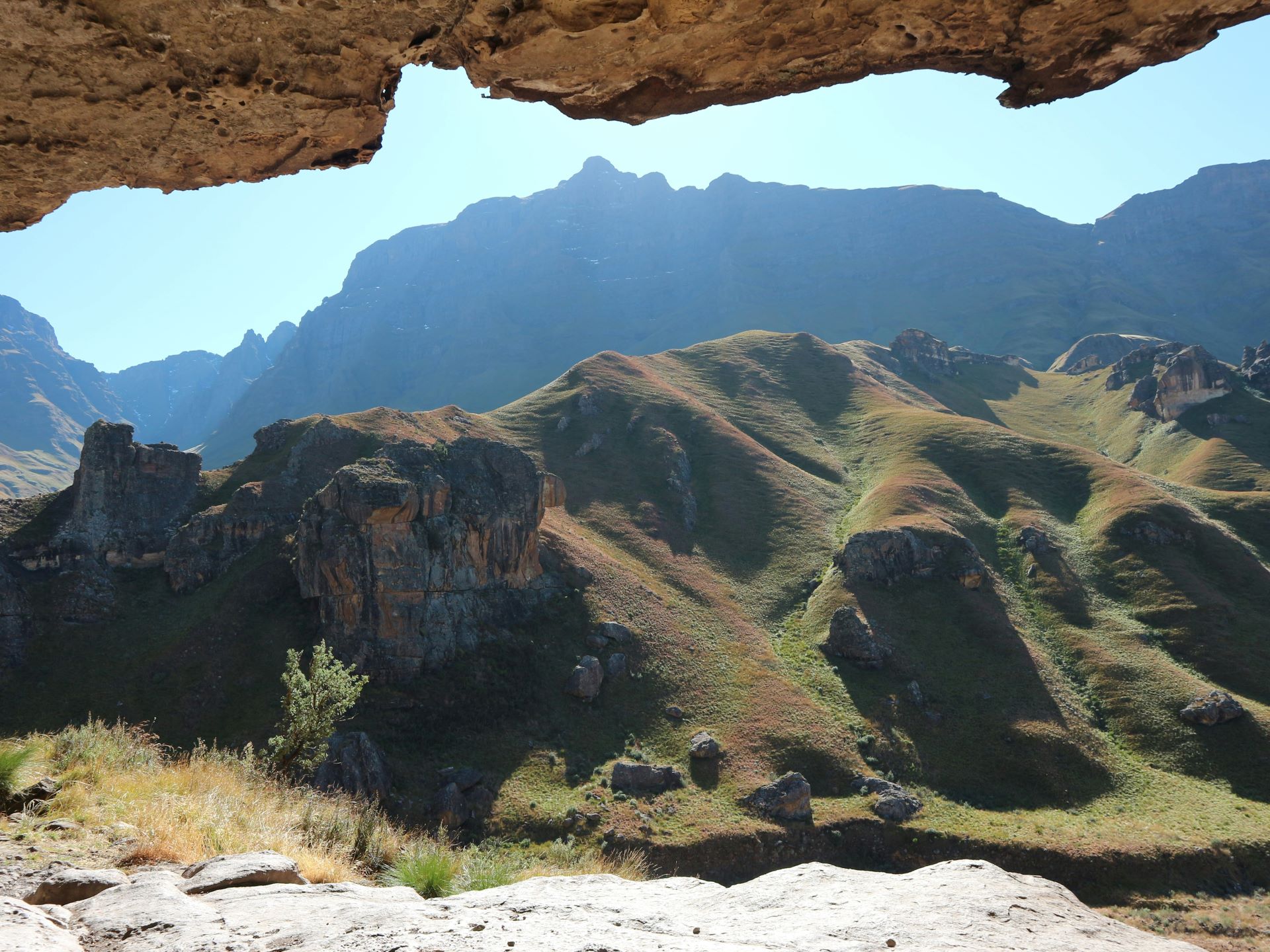
South Africa’s landscapes are a symphony of open skies and sweeping horizons, yet some of the country’s most profound wonders lie beneath its surface. The call of the underground is not merely a lure for the geologically curious—it is an invitation to experience an entirely different realm. In these caverns of shadow and echo, time is suspended. Water drips from stalactites like a slow metronome; minerals have written their own patient history in stone. For adventurers who yearn to trade the sunlit savannah for something wilder, darker and infinitely more mysterious, South Africa’s caves offer a rare and resonant journey.
From the world-renowned Cango Caves in the arid Klein Karoo to the quiet limestone labyrinths near Mokopane in Limpopo, this is a subterranean narrative of beauty and endurance. It is a story not only of geology but of human discovery, of cultural layers as complex as the stone formations themselves.
The Living Cathedral of the Cango Caves
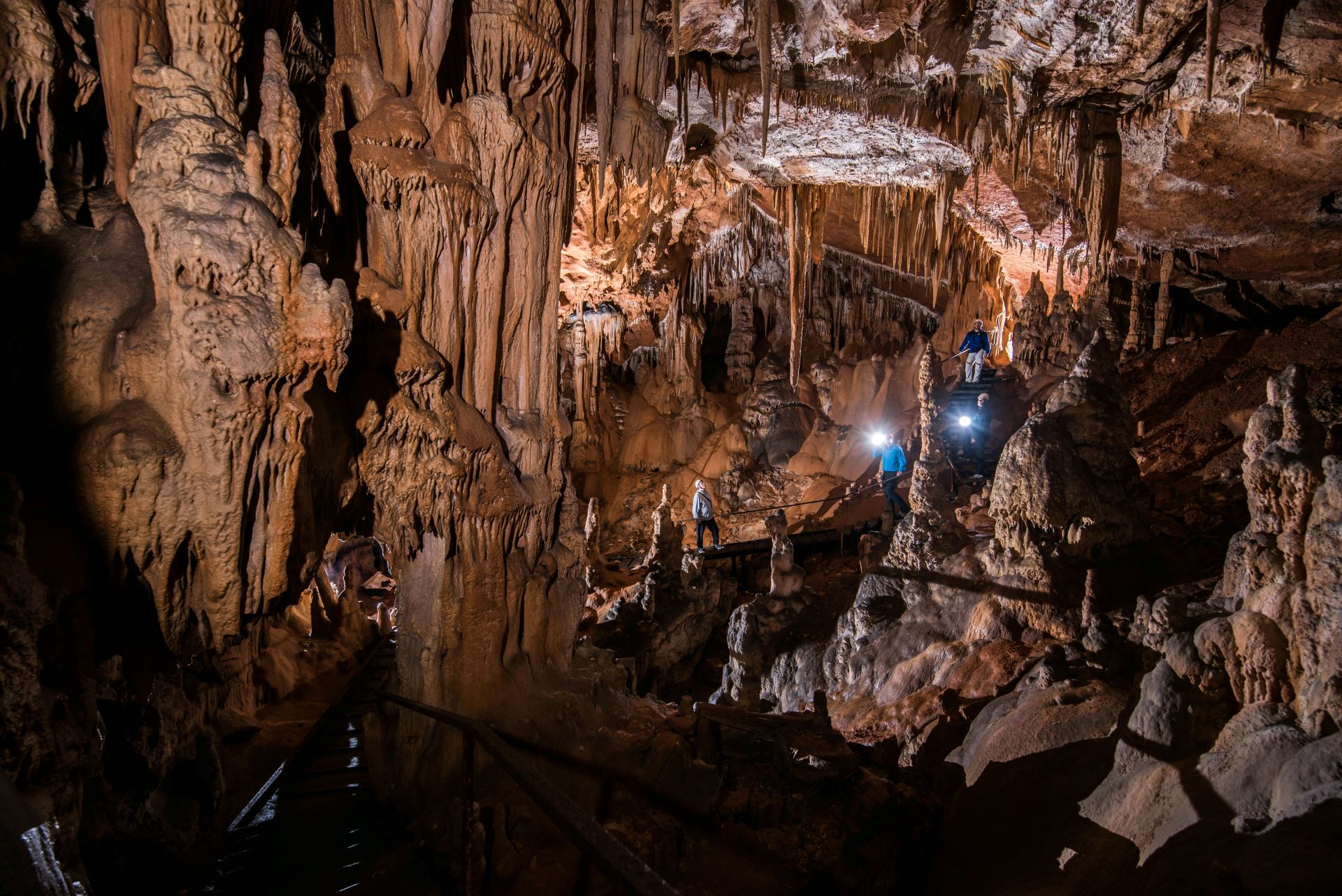
To step into the Cango Caves is to enter a realm where nature has been sculptor and storyteller for millions of years. Situated just outside Oudtshoorn, at the gateway to the Swartberg Mountains, these chambers have lured travellers since the 18th century. The moment you descend into the first hall—aptly named Van Zyl’s Hall—the sheer scale arrests you. The ceiling arches forty metres above like the nave of some primordial cathedral, the air heavy with the mineral scent of damp stone.
Guided tours reveal the Cango’s dual personality. The standard Heritage Tour offers an accessible introduction to the monumental formations: stalagmites that rise like frozen fountains, stalactites descending in draped curtains of calcite, and crystalline columns that sparkle in the low light. But for the true spelunking enthusiast, the Adventure Tour beckons with its promise of darkness and difficulty.
This route is no leisurely walk. It demands physicality—squeezing through the aptly named Devil’s Chimney, crawling along narrow tunnels where rock brushes shoulders and helmets alike. The narrowest point, known as the Letterbox, is a slit of stone that requires a careful exhale to slip through. Here, light is a faint companion and the silence is deep enough to hear your own pulse. It is not merely an excursion but an initiation: a reminder of the earth’s ancient patience and the humility of those who dare to explore it.
Mokopane’s Limestone Secrets
If the Cango Caves are South Africa’s celebrated cathedral, the limestone formations near Mokopane are its whispered secret. Limpopo’s Waterberg region is known for rolling bushveld and archaeological treasures, but beneath its acacia-dotted hills lie lesser-known caverns that stir the imagination of serious spelunkers.
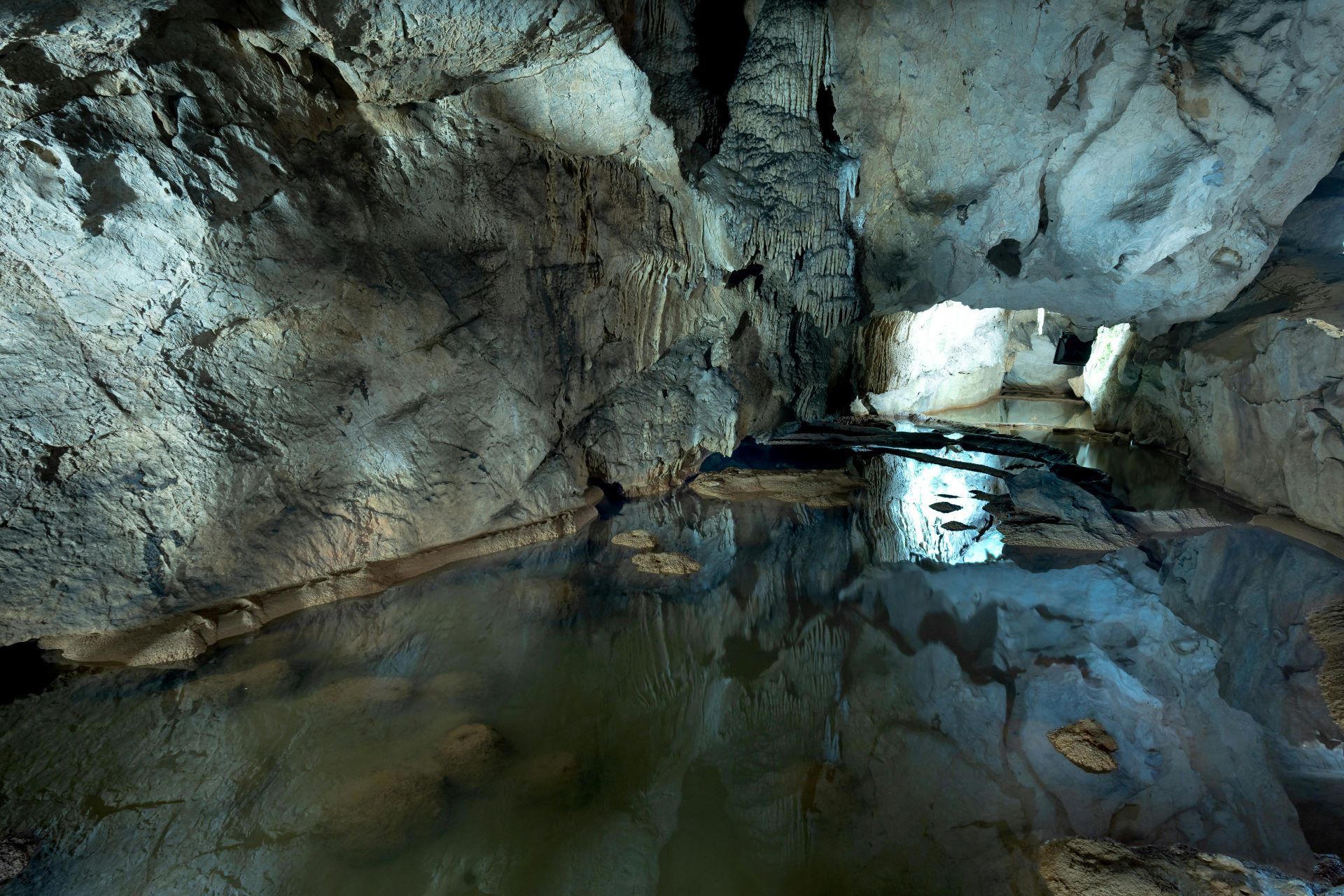
Unlike the touristic polish of the Cango, these caves maintain a rugged authenticity. Some are scarcely mapped, known only to local guides and small caving societies. Their limestone passages are quieter, their formations less showy but no less mesmerising. Flowstones glisten in the beam of a headlamp; delicate soda straws hang like a frozen rainfall. The sense of discovery here is intimate. Each step echoes in chambers that have heard little human sound.
Mokopane’s underground is also layered with history. Nearby archaeological sites, including the Makapan Valley World Heritage Site, tell of early hominin habitation and Stone Age ingenuity. Exploring these caverns is to walk in the footsteps of ancestors, to contemplate the same mineral constellations that once lit their evenings by torchlight. The thrill of adventure is sharpened by a sense of continuity, of a human connection across thousands of years.
The Art and Science of Spelunking
To descend into these subterranean worlds is to engage in more than sightseeing. Spelunking—or caving—is a discipline that blends athleticism with science, patience with boldness. The best adventurers move with the measured care of mountaineers in reverse, eyes trained on texture and moisture, ears attuned to the acoustics of rock.
Caving is not without its demands. Helmets and headlamps are non-negotiable; sturdy boots and gloves protect against both sharp stone and the slow chill of underground air. But beyond equipment, it requires a mindset: respect for the fragility of formations that have taken millennia to grow, and awareness of the delicate ecosystems hidden in these darkened chambers. Bats swirl silently in the higher reaches; tiny invertebrates thrive in lightless pools. Each cave is a living archive, and every visitor becomes, in some small way, its custodian.
A Journey into Time
Perhaps the most humbling lesson of these underground adventures is their temporal scale. The stalactites of the Cango Caves grow at an average rate of a single centimetre every hundred years. To run a gloved hand along the smooth flowstone near Mokopane is to touch a process that began long before the first humans shaped tools.
This sense of deep time alters perception. The world above—with its traffic, its schedules, its frenetic pace—feels distant and almost trivial when you stand beneath a stone curtain sculpted by nothing more than water and patience. Caving is therefore more than adventure; it is a meditation on permanence and change, a reminder that the earth’s narrative extends far beyond human history.
Returning to the Light
Emerging from the depths carries its own quiet drama. After hours underground, the first shafts of daylight seem almost unreal. Colours sharpen; the air tastes different. Many cavers speak of a subtle shift—an almost spiritual renewal—after the descent. It is as if the underworld, with all its silence and stone, has lent them a new perspective on the life above.
For those who heed the call, South Africa’s caves offer more than spectacle. They are passages into a deeper understanding of nature and of ourselves. Whether you are crawling through the letterbox of the Cango Adventure Route or tracing the uncharted limestone passages near Mokopane, you are participating in a journey as old as the continent itself.
Planning Your Descent
While caving can be as simple as a guided tour or as complex as a technical expedition, responsible travel is key. Choose reputable guides, respect conservation guidelines, and remember that each stalactite and stalagmite is irreplaceable. The thrill of discovery should never come at the cost of damage to these ancient formations.
The rewards, however, are profound: a rare encounter with the planet’s own artistry and an indelible reminder that the most extraordinary landscapes are not always found under open skies.
Herman
Reporting from the frontlines of the South African tourism renaissance. Bridging the gap between regional stories and global audiences through elite narrative strategy.