

Rediscovering the Flavours of South Africa
When most people think of South Africa’s culinary landscape, their minds often wander to the well-trodden streets of Cape Town’s bustling food markets or Johannesburg’s cosmopolitan restaurant scene. Yet, beyond these urban hubs lies a tapestry of flavours, stories, and traditions that capture the true essence of South African gastronomy. From the windswept vineyards of the Western Cape hinterlands to the sun-baked plains of the Northern Cape, the country offers a rich culinary journey waiting to be explored. Here, food is not merely sustenance—it is a cultural touchstone, a window into history, and a celebration of regional diversity.
In this article, we will journey beyond the familiar, uncovering hidden culinary gems and immersive food experiences across South Africa. Each region offers something distinct: dishes that reflect the local heritage, markets brimming with artisanal produce, and cooking traditions handed down through generations. Whether you are a passionate foodie, a travel enthusiast, or simply curious about the flavours that define South Africa, this guide invites you to discover the country’s most compelling culinary destinations, far from the conventional tourist paths.
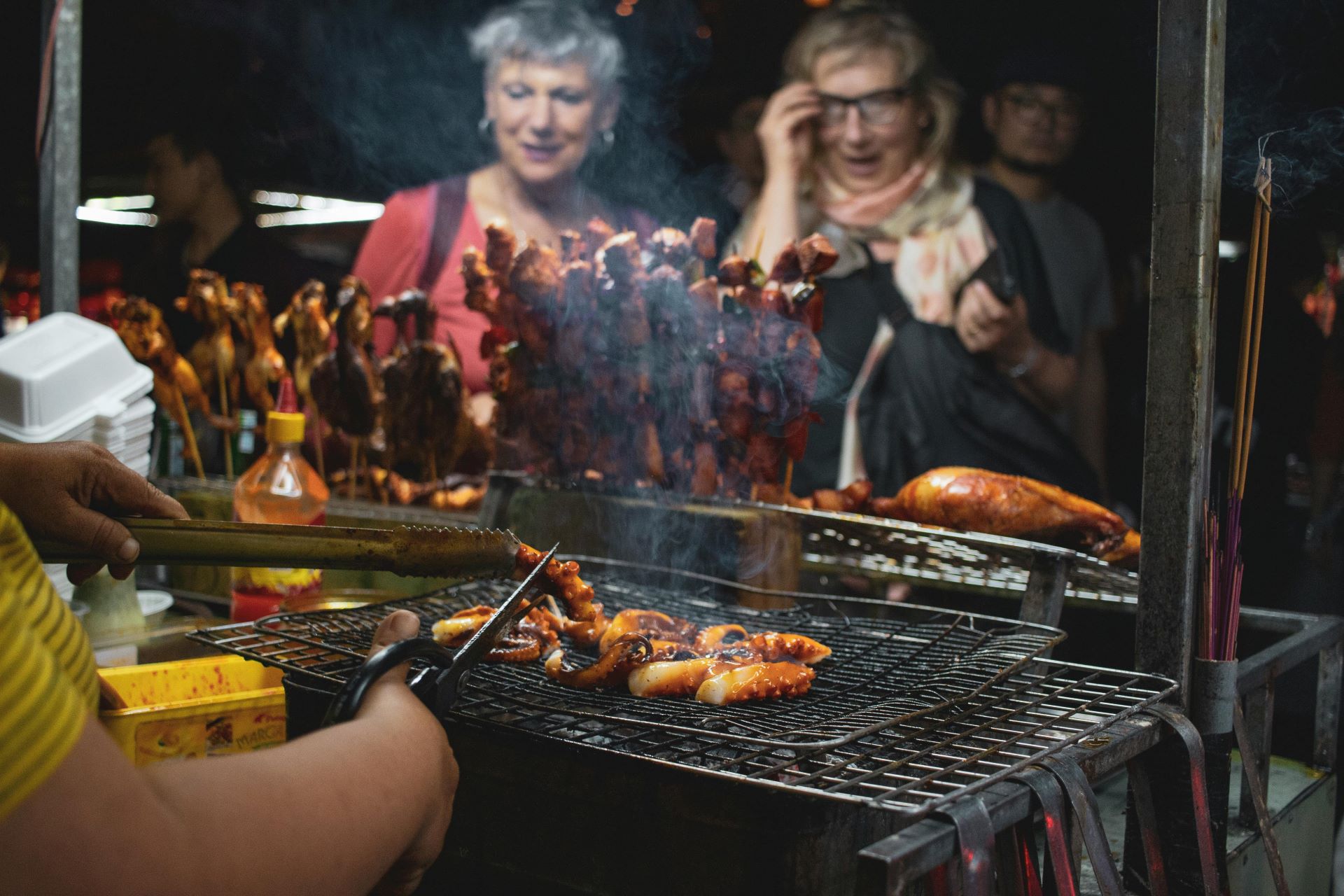
The Northern Cape: Desert Landscapes and Unexpected Flavours
Often overshadowed by South Africa’s coastal regions, the Northern Cape boasts a culinary scene that mirrors its vast and varied landscapes. In towns like Kimberley and Upington, local cuisine draws heavily from indigenous ingredients, reflecting both the arid environment and the cultural tapestry of the region. Traditional dishes such as biltong, dried and cured meat, or kapana-style barbecue, showcase the resourcefulness of the people who have lived here for centuries. These are not just meals—they are stories, passed down and perfected in families over generations.
For adventurous travellers, small-scale farms and local markets offer opportunities to taste fresh produce grown under the unforgiving sun. Dates from Upington, succulent oranges, and unique berry varieties native to the region provide a glimpse into the Northern Cape’s agricultural ingenuity. Culinary tours here often pair these ingredients with storytelling, providing visitors with a narrative-rich dining experience that goes beyond the plate.
Eastern Cape: Coastal Charm and Traditional Heritage
The Eastern Cape, often hailed for its dramatic coastline and rolling hills, offers a culinary journey that is as varied as its landscapes. Here, the ocean is a generous provider, and seafood dominates many traditional dishes. In towns like Port Alfred, East London, and Port St. Francis, freshly caught fish, crayfish, and calamari are staples, often prepared with a simplicity that accentuates the freshness of the sea. But the Eastern Cape is not just about seafood—it is a land steeped in cultural diversity, with Xhosa culinary traditions enriching the local palette.
A journey through the Eastern Cape’s food scene is incomplete without sampling dishes like umngqusho, a hearty preparation of samp and beans that is both nourishing and symbolic of communal life. Markets such as the East London Fresh Produce Market provide visitors with a sensory immersion into the local gastronomy, offering artisanal cheeses, home-baked breads, and farm-fresh vegetables. Culinary tours here often combine farm visits, cooking classes, and tastings, allowing travellers to understand not just the flavours, but the history and rituals behind each dish.
KwaZulu-Natal: The Spices of Zulu Culture
KwaZulu-Natal is a province where culinary traditions are as bold and vibrant as its landscapes. From the rolling hills of the Midlands to the tropical coastline around Durban, the province’s cuisine reflects a mixture of Zulu heritage, Indian influences, and colonial history. Durban, known internationally for its fiery curry, offers a unique Indo-South African fusion that has evolved over generations. The Durban curry, rich with aromatic spices and robust flavours, epitomises the province’s dynamic food culture.
Beyond the city, rural KwaZulu-Natal showcases the simplicity and ingenuity of traditional Zulu cooking. Isijingi, a dish of boiled vegetables with maize porridge, or chakalaka, a spicy vegetable relish, are commonly enjoyed at family gatherings and local events. Culinary enthusiasts visiting the region can participate in interactive experiences, such as harvesting ingredients from local farms, learning to grind maize by hand, or sharing a traditional meal in a homestead. These immersive encounters offer more than taste—they provide insight into the social and cultural fabric that binds communities together.
The Free State: Heartland Flavours and Farm-to-Table Traditions
The Free State, often described as South Africa’s agricultural heartland, has a cuisine deeply rooted in its rural landscapes. Here, the abundance of wheat, maize, and livestock has shaped dishes that are hearty, wholesome, and deeply satisfying. Local food markets in towns such as Bloemfontein and Bethlehem offer artisanal bread, cured meats, and fresh dairy products, giving visitors a direct connection to the province’s agricultural bounty.
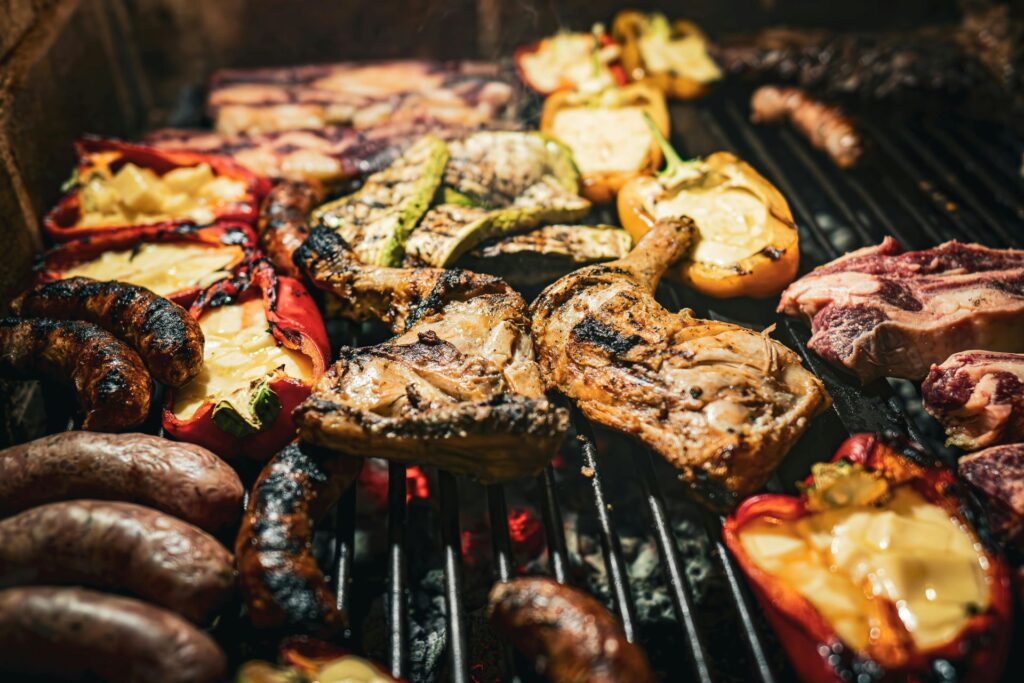
One cannot explore the Free State without sampling braaivleis, the quintessential South African barbecue. While the practice is celebrated nationwide, in the Free State, it is elevated by local flavours, with locally sourced meats and firewood contributing to a distinctive taste. Farm-to-table experiences are abundant, with small lodges and guesthouses offering cooking demonstrations that showcase the best of the Free State’s produce. For travellers, it is an opportunity to taste meals that are both rustic and refined, reflecting a lifestyle that honours simplicity, freshness, and hospitality.
Limpopo: Indigenous Ingredients and Bushveld Flavours
Limpopo, South Africa’s northernmost province, is a treasure trove of indigenous ingredients and culinary traditions. Known for its bushveld landscapes, wildlife reserves, and vibrant cultural heritage, Limpopo offers food experiences that are intimately tied to the land. Here, local communities have long relied on the region’s native plants, fruits, and game, producing dishes that are both distinctive and deeply rooted in tradition.
A standout ingredient in Limpopo’s culinary repertoire is mogodu, or tripe, often slow-cooked with a medley of spices to create a hearty, flavourful dish. Wild herbs and indigenous fruits, such as marula and baobab, are also frequently incorporated into sauces, jams, and beverages. Bushveld lodges and eco-tourism establishments have embraced this culinary heritage, offering guided foraging experiences where visitors can learn to identify edible plants and traditional cooking techniques. These immersive tours provide a rare glimpse into the symbiosis between the local people and their environment—a connection that manifests vividly on the plate.
For those who prefer game meat, Limpopo’s biltong and droëwors (dried sausage) stand out. Produced using time-honoured methods, these snacks are not only flavourful but also tell the story of resourcefulness and tradition in a province where the bush dictates the rhythm of life. Culinary tours often combine tastings with visits to local craft markets, where handmade oils, preserves, and condiments complement the robust flavours of the region.
Mpumalanga: Rolling Hills, Scenic Flavours, and Sugarcane Fields
Neighbouring Limpopo, Mpumalanga captivates travellers not only with its breathtaking landscapes—think the Panorama Route and the Blyde River Canyon—but also with a culinary scene that merges rural simplicity with unexpected sophistication. Mpumalanga’s fertile valleys and extensive sugarcane plantations support a wide variety of ingredients that find their way into traditional dishes, artisanal products, and local delicacies.
Among the region’s signature flavours is potjiekos, a slow-cooked stew prepared in a cast-iron pot over an open flame. Using locally sourced meats, seasonal vegetables, and aromatic herbs, each potjiekos tells a story of communal gatherings and shared meals. For a sweeter experience, Mpumalanga’s sugarcane fields give rise to an array of artisanal syrups, preserves, and liqueurs, which feature in desserts, baked goods, and beverages across the province.
Farm tours and culinary workshops are increasingly popular, allowing visitors to witness the farm-to-table journey from cane fields and vegetable gardens directly to the plate. Alongside these experiences, Mpumalanga boasts a burgeoning craft beer and spirits scene, where small breweries and distilleries experiment with native ingredients to create distinct flavours that are unmistakably local. These tours offer a multi-sensory exploration, pairing natural beauty with gastronomic adventure.
Western Cape Inland: The Karoo, Klein Karoo, and Winelands
When thinking of South African cuisine, the Western Cape often evokes images of Cape Town’s cosmopolitan restaurants or the coastal seafood markets. Yet, the province’s inland regions—stretching from the semi-arid Karoo to the verdant valleys of the Klein Karoo and the renowned Winelands—offer culinary experiences that are profoundly local and steeped in tradition.
The Karoo: Hearty Flavours in a Semi-Arid Landscape
The Karoo, with its vast plains and rugged terrain, is synonymous with slow-cooked, hearty fare that reflects both the harshness of the landscape and the resourcefulness of its people. Lamb, mutton, and game meats dominate the culinary scene, often roasted over open fires or cooked in slow, flavourful stews. Signature dishes such as Karoo lamb potjie or boerewors braais showcase the depth of flavour that comes from local, grass-fed livestock, while preserving the rustic charm of country cooking.
Small towns like Prince Albert, Graaff-Reinet, and Beaufort West host culinary tours that pair traditional dishes with locally baked breads, preserves, and artisanal cheeses. Visitors can also experience farm stays where they participate in harvesting herbs, tending small livestock, and preparing meals using age-old techniques. The Karoo’s culinary narrative is deeply intertwined with the land—its rhythms, seasons, and sustenance practices.
Klein Karoo: Cultivated Flavours in a Unique Microclimate
Nestled between mountain ranges, the Klein Karoo offers a microclimate conducive to cultivating fruits, nuts, and wines that are distinct to the region. This area, particularly around Oudtshoorn, is celebrated for its ostrich farms, where both the meat and eggs feature in local recipes. Ostrich steak, smoked or grilled, and ostrich eggs incorporated into fluffy omelettes and pastries, are culinary highlights for adventurous travellers.
In addition to ostrich, the Klein Karoo is home to abundant orchards producing apricots, peaches, and citrus fruits, many of which are transformed into jams, preserves, and liqueurs. Culinary tours here often combine farm visits with cooking demonstrations, teaching visitors to integrate local produce into traditional and contemporary recipes. It is a region where the interplay of arid climate and careful cultivation results in flavours both bold and delicate, offering an unforgettable taste of the Western Cape’s hinterlands.
Winelands: Pairing Tradition with Innovation
No exploration of the Western Cape’s inland cuisine would be complete without the Winelands. Stellenbosch, Franschhoek, and Paarl are internationally recognised for their vineyards, but they also offer a rich culinary tapestry. Here, meals are elevated by artisanal wines, farm-to-table practices, and a fusion of cultural influences—from Cape Dutch to French Huguenot heritage.
Culinary tours in the Winelands often feature immersive experiences: vineyard walks that conclude with tasting sessions, cooking classes showcasing seasonal produce, and fine dining that highlights both heritage and innovation. Olive estates, cheese farms, and artisanal bakeries complement the wine culture, creating a gastronomic ecosystem where every ingredient has a story, and every meal is a reflection of place and history.
South Africa’s Street Food: Flavours on the Move
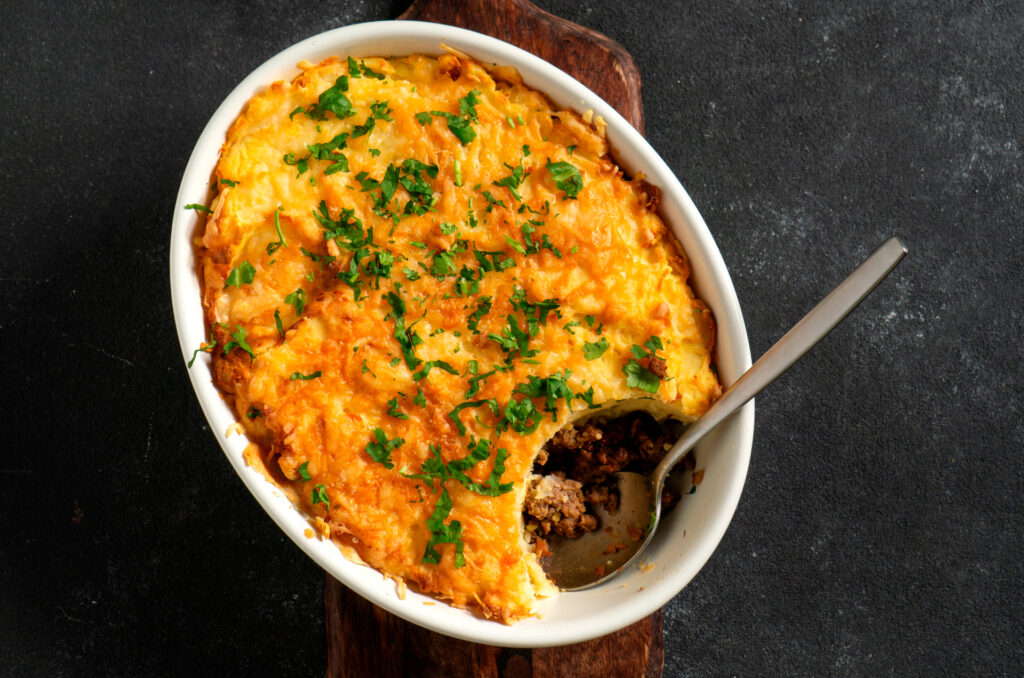
Beyond the refined settings of restaurants and farm-to-table estates, South Africa’s street food scene pulses with energy, creativity, and history. Across towns and cities, vendors offer quick bites that tell stories of cultural fusion, migration, and community, providing an authentic taste of everyday life.
In Durban, the legacy of Indian immigrants is alive in the form of spicy curries and bunny chows—a hollowed-out loaf filled with aromatic curry, often eaten on the street or at bustling market stalls. Cape Town’s Bo-Kaap neighbourhood introduces visitors to samosas, koeksisters, and Cape Malay treats, where sweet, spiced, and savoury flavours coexist in perfect harmony. Meanwhile, in Pretoria and smaller towns across Gauteng, fried dough treats like vetkoek, often filled with curried mince or served with syrup, remain crowd favourites.
Street food in South Africa is more than convenience; it is social currency. Markets and food stalls become hubs for conversation, community interaction, and cultural exchange. Culinary tours often include guided walks through local markets, where visitors can taste delicacies such as bobotie sliders, mini-versions of the traditional spiced meat custard, or freshly grilled corn on the cob, liberally coated with butter and peri-peri spices. These experiences connect travellers directly to the everyday rhythms of South African life.
Artisanal and Indigenous Ingredients: Rediscovering Local Heritage
South Africa’s culinary diversity is deeply tied to its indigenous ingredients and artisanal practices. From the baobab fruit and marula to rooibos tea and wild herbs, these native elements contribute distinct flavours while reflecting centuries of local knowledge.
In regions like the Western Cape, artisanal olive oils, hand-crafted cheeses, and small-batch preserves dominate boutique markets. Similarly, in Limpopo and Mpumalanga, foraging tours allow visitors to engage directly with native plants, discovering their culinary and medicinal applications. Bushveld lodges offer workshops on traditional preservation techniques, such as smoking, curing, and fermenting, highlighting the ingenuity required to thrive in different climates.
Craft producers across South Africa are increasingly blending tradition with innovation, creating chocolates infused with local spices, liqueurs distilled from indigenous fruits, and breads leavened with heirloom grains. These artisanal experiences give travellers not only a taste of South Africa but also an understanding of the meticulous craftsmanship and cultural stewardship behind every product.
Culinary Festivals: Celebrating Food and Community
South Africa’s love of food is perhaps most vividly expressed through its festivals, where regional flavours, artisanal products, and cultural performances intersect. The Klein Karoo Nasionale Kunstefees in Oudtshoorn blends music, theatre, and cuisine, offering tasting opportunities from local chefs and producers. The Stellenbosch Wine Festival and Franschhoek Cap Classique & Champagne Festival showcase the province’s rich viticultural heritage alongside gourmet pairings of cheeses, chocolates, and charcuterie.
Smaller, community-focused events are equally captivating. Markets and festivals in towns like Paternoster, Knysna, and Clarens highlight local produce, artisanal breads, preserves, and smoked fish, often accompanied by live music and storytelling. Culinary tours timed with these events allow visitors to experience regional identity at its most vibrant, where each dish and product reflects local history, geography, and culture.
Wine Routes: A Sip of South Africa’s Terroir
South Africa’s wine regions are world-renowned, but beyond the labels and accolades lies a culture of intimate tasting experiences that reveal the depth and complexity of the country’s terroir. The Winelands of Stellenbosch, Franschhoek, Paarl, and Robertson are just the beginning. Lesser-known regions such as Swartland, Elgin, and the Orange River Valley are gaining recognition for boutique vineyards producing bold, innovative wines rooted in local soil and climate.
Wine tours here are about more than tasting—they are immersive journeys. Visitors stroll through vineyards, learning about grape varietals, soil types, and sustainable farming practices. Tastings often pair wines with artisanal cheeses, cured meats, and freshly baked breads, highlighting complementary flavours that transform each sip into a narrative of place. In Swartland, for example, robust Shiraz and Chenin Blanc are complemented by small-batch olives and preserves, offering a sensory understanding of the region’s unique climate and heritage.
Winemaking in South Africa frequently blends tradition and innovation. Family-run estates maintain centuries-old techniques, while younger vintners experiment with organic practices, natural fermentation, and low-intervention wines. Culinary tours along these routes allow travellers to witness the delicate balance between history and modernity, tasting wines that tell stories of the land and the people who nurture it.
Craft Beer: A Rising Scene of Creativity and Local Flavours
Parallel to the wine culture, South Africa’s craft beer industry has blossomed over the past decade, offering an alternative yet equally immersive exploration of local taste. Microbreweries across the country—from Cape Town’s urban hubs to the hinterlands of Mpumalanga and the Northern Cape—have embraced experimentation, using indigenous ingredients to craft distinctive brews.
In Stellenbosch, breweries infuse ales with fynbos botanicals, while in Durban, tropical fruits and sugarcane derivatives create refreshing lagers and sour beers. Johannesburg and Pretoria host a range of taprooms where small-batch beers are paired with tapas-style dishes, incorporating local cheeses, charcuterie, and artisan breads. Craft beer trails encourage exploration, inviting visitors to discover rural breweries tucked away in scenic valleys or industrial districts, each offering a unique story of place and innovation.
Beer festivals, such as the Cape Town Craft Beer Festival and the Soweto Beer Festival, amplify the communal and celebratory nature of this culture. Here, enthusiasts can taste, compare, and engage with brewers who are passionate about local ingredients, traditional techniques, and sustainable practices. For travellers seeking a multi-dimensional culinary journey, South Africa’s craft beer scene provides an unexpected and rewarding layer of flavour exploration.
Gastronomic Travel Itineraries: Immersive Culinary Experiences
To truly appreciate South Africa’s culinary richness, immersive itineraries that blend tasting, learning, and participation are essential. From multi-day wine and food tours through the Winelands to farm-stay experiences in the Karoo and Klein Karoo, travellers are invited to engage with both the ingredients and the people behind the food.
Cooking workshops across the provinces allow visitors to prepare dishes under the guidance of local chefs, learning techniques such as slow-cooking game meats, fermenting traditional condiments, and blending indigenous spices. For street food enthusiasts, guided market tours in Durban, Pretoria, and Cape Town reveal the stories behind favourite snacks like bunny chow, vetkoek, and koeksisters. Food photography tours, paired with tastings, offer an artistic lens on culinary culture, capturing both the beauty and complexity of South African cuisine.
Culinary tourism in South Africa is, at its core, about connection. Whether through shared meals, vineyard tours, foraging expeditions, or craft beer tastings, visitors gain insight into the regional diversity, historical depth, and innovative spirit that define the country’s gastronomy. Each province contributes a unique chapter, creating a mosaic of flavours that is both vast and intimate.
Culinary Philosophy: South Africa’s Gastronomic Identity
South Africa’s culinary landscape is a living tapestry of history, geography, and culture. Every province, town, and rural homestead contributes threads to this intricate fabric, woven from indigenous knowledge, colonial influences, migrant traditions, and contemporary innovation. From the fiery curries of Durban to the rustic stews of the Karoo, from the delicate pastries of the Klein Karoo to the boutique wines of Stellenbosch, the country offers a palette as diverse as its landscapes.
What distinguishes South African cuisine is its ability to bridge tradition and modernity. Indigenous ingredients and centuries-old recipes coexist with innovative culinary practices and artisanal experimentation. The use of local herbs, fruits, and game, alongside sophisticated techniques in fine dining establishments, demonstrates a profound respect for provenance, seasonality, and sustainability. Culinary tourism in South Africa is thus not just a matter of tasting—it is an education in culture, ecology, and community.
Beyond the Plate: Food as a Cultural Journey
Exploring South Africa’s food scene is a journey into the heart of its people. In rural homesteads, traditional meals are acts of hospitality, community, and storytelling. In urban centres, markets and restaurants act as cultural crossroads, where flavours from across the globe are adapted and localised. Culinary tours allow travellers to experience these dynamics firsthand, offering opportunities to engage with chefs, farmers, brewers, and artisans who are custodians of the nation’s gastronomic heritage.
Food in South Africa also fosters connections between visitor and environment. Foraging in the bushveld, harvesting vegetables on a farm, or participating in a wine or craft beer tasting is as much about understanding the land as it is about appreciating the flavours it yields. The act of preparing and sharing food becomes an immersive narrative, where each ingredient, technique, and dish reflects a story of place, culture, and ingenuity.
A Culinary Adventure Beyond the Familiar
To journey beyond Cape Town and Johannesburg is to discover a South Africa that is as rich, diverse, and complex as its landscapes. Culinary tours through the Northern Cape, Eastern Cape, KwaZulu-Natal, Free State, Limpopo, Mpumalanga, North West, and the Western Cape’s inland regions reveal hidden treasures, artisanal mastery, and centuries of tradition. Street food stalls, craft breweries, boutique vineyards, and indigenous ingredients offer flavours that are authentic, vibrant, and unforgettable.
For the discerning traveller or passionate foodie, South Africa’s culinary experiences extend beyond mere consumption—they are invitations to understand a nation, its people, and its land through taste, aroma, and texture. Each meal, market visit, and tasting session is a chapter in an ongoing story of innovation, preservation, and cultural pride. By venturing off the beaten path, one gains not only new flavours but also a deeper appreciation for the intricate tapestry that defines South Africa’s gastronomic soul.
Ultimately, South Africa is more than a destination for the eyes or the camera lens—it is a land to be savoured. Its culinary journey, layered with history, creativity, and authenticity, promises an adventure for the senses that lingers long after the final bite. To explore it fully is to connect with the heart of a nation, one dish, one flavour, and one story at a time.
Jabulani
Reporting from the frontlines of the South African tourism renaissance. Bridging the gap between regional stories and global audiences through elite narrative strategy.