

South Africa is a country that sells itself easily—soaring mountains, Big Five safaris, world-class wine routes and golden coastlines are the stuff of tourism legend. But beyond the glossy pages of travel brochures and carefully curated Instagram feeds lies a more textured, fascinating—and sometimes surprising—version of the Rainbow Nation. For the first-time visitor, navigating this duality can be the difference between a memorable trip and a transformative one.
This is your unofficial guide. Not a catalogue of things to do, but a conversation about what you should know—really know—before arriving.
The Warmth Is Real, But So Are the Walls
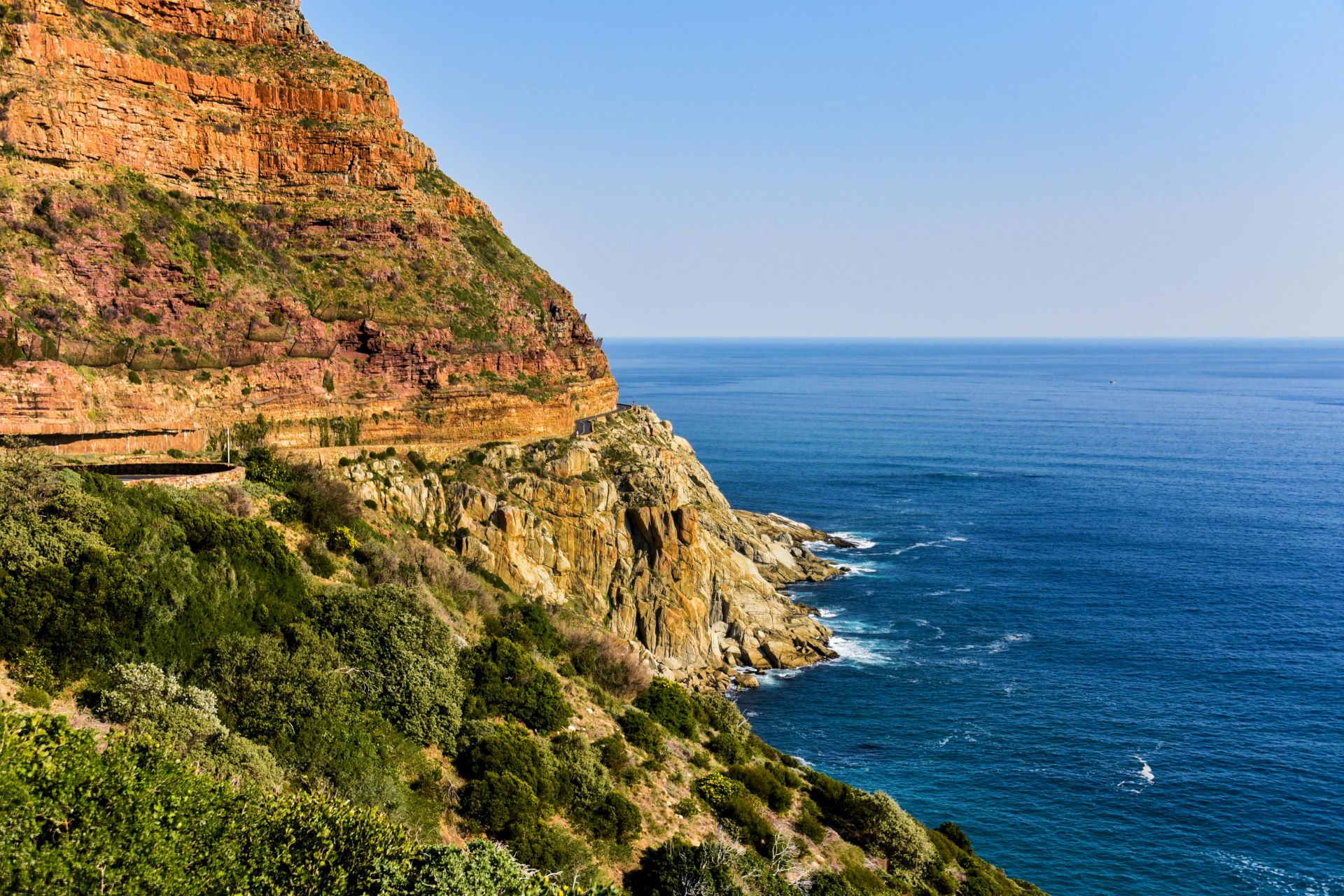
South Africans are famously friendly. Ask a local for directions and you might find yourself invited to a braai (barbecue) before the day is out. People greet one another with genuine smiles, and “Howzit?” isn’t a question—it’s a ritual. Yet, for all this warmth, first-timers often notice the architecture of fear: electric fences, gated communities, private security patrols.
This isn’t paranoia—it’s history. The scars of apartheid-era spatial planning are still visible, quite literally, in the walls that separate the haves and have-nots. These contrasts can be jarring. A luxury guesthouse might overlook an informal settlement. But don’t let fear frame your journey. South Africa demands a kind of cultural dual vision: the ability to marvel and to question, to enjoy and to engage.
Nature, Untamed and Unfiltered
Forget what you know about nature reserves. In South Africa, wilderness isn’t contained—it leaks into your consciousness in unexpected ways. Yes, there are guided safaris and game drives, but there’s also the chance of spotting a baboon raiding a dustbin in a coastal town, or penguins waddling across a public beach. Nature here is not a novelty. It’s threaded through daily life.
And the landscapes are profoundly varied. One moment you’re sipping pinotage in the green folds of Stellenbosch; the next, you’re driving through the arid moonscapes of the Karoo. The Western Cape’s coastal beauty gives way to the Drakensberg’s epic peaks and KwaZulu-Natal’s subtropical humidity. It’s not just diversity—it’s intensity. South Africa doesn’t do subtle.
The Weather Doesn’t Obey the Rules
The brochures will tell you about sunshine. About Cape Town’s Mediterranean climate and Durban’s perpetual summer. But what they won’t tell you is how quickly everything can change. One moment the sun scorches your skin; the next, the wind howls off Table Mountain with a vengeance.
Cape Town’s seasons are particularly deceptive. Summer can bring four seasons in a single day, while winter sometimes feels like early spring in Europe. Inland, Johannesburg dazzles in dry, high-altitude sunshine—but come summer, the skies crack open with dramatic afternoon thunderstorms that pass as quickly as they arrive.
Pack for contradictions. South Africa does weather like it does culture—bold, unpredictable and completely unwilling to fit a script.
Conversations You Won’t Be Prepared For
Tourists often arrive expecting small talk. They leave having had conversations that feel like chapters in a history book. South Africans talk politics at the dinner table. They debate the future of their country over craft beer. They share, often without prompting, their thoughts on race, land, justice, identity. And they want to know what you think.
This isn’t discomfort for its own sake. It’s a culture in the middle of an ongoing redefinition. You’re walking into a society actively questioning itself—its past, its present, and its future. Be open. Listen more than you speak. Ask questions that matter.
You won’t leave unchanged.
Travel Logistics: The Unspoken Truths
You won’t hear this from your travel agent, but here it is: South Africa is not always easy to get around. Public transport exists, but it’s not often designed with tourists in mind. Minibus taxis are ubiquitous, cheap and efficient—but complex, informal and often unsafe for foreigners unfamiliar with the system.
Car hire is the norm, and the roads are generally good—but signage can be sporadic, potholes appear with little warning, and long-distance drives can take a toll. In cities like Johannesburg and Durban, Uber is a lifeline. In rural areas, don’t count on signal, petrol stations—or Google Maps.
Cash is still king in many places, especially townships and remote towns. But credit cards are widely accepted in urban centres and at tourist attractions. Load-shedding—scheduled power outages—can disrupt even the most well-planned itinerary. Download a local app like EskomSePush to keep track of when the lights might go out.
Food Is More Than a Meal
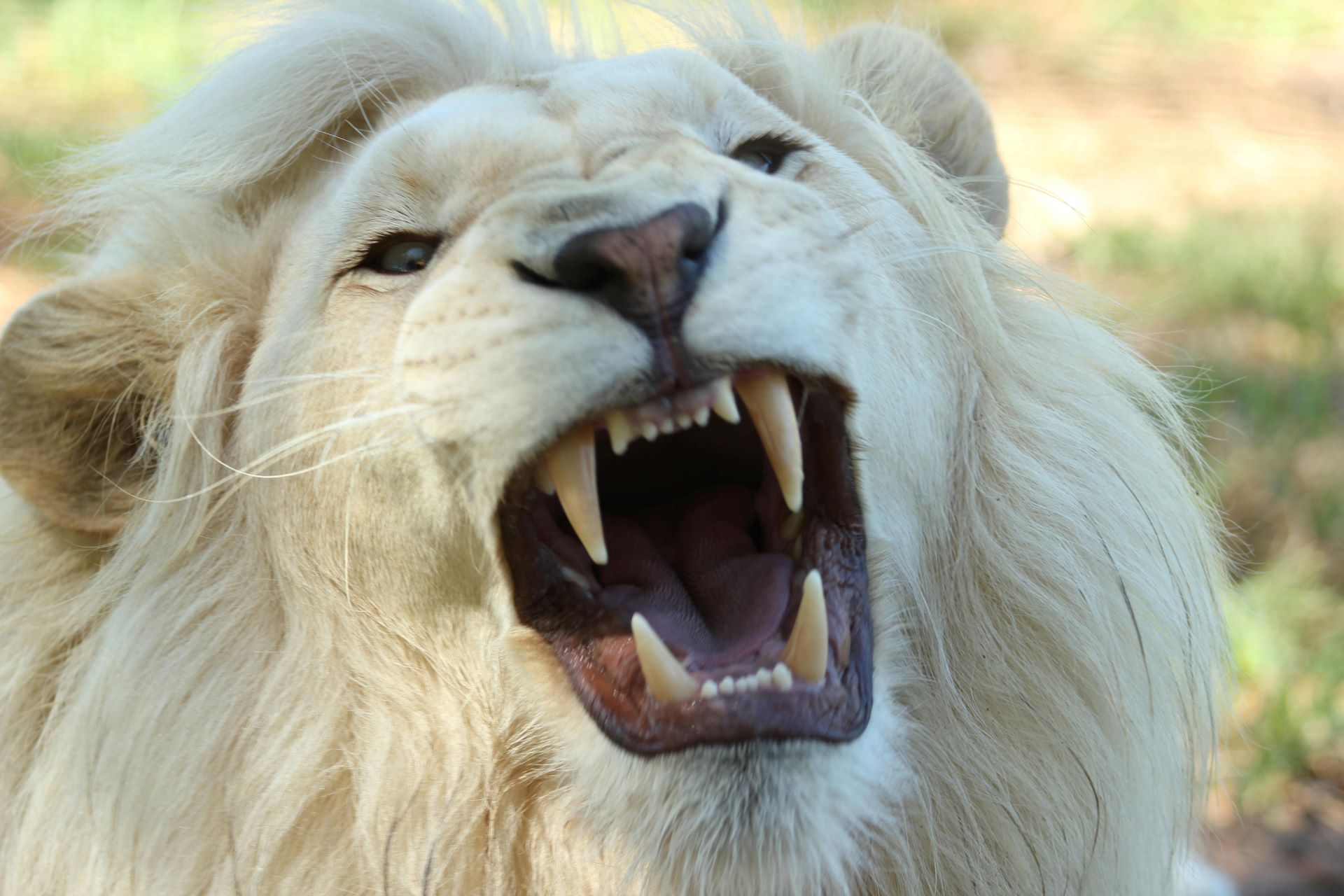
South African food is not just delicious—it’s political, cultural, historical. A Gatsby in Cape Town isn’t just a ridiculously oversized sandwich; it’s a post-apartheid symbol of shared identity. Bunny chow in Durban isn’t just spicy curry in a hollowed-out loaf; it’s a story of Indian displacement and resilience.
And don’t overlook the braai. It’s more than grilling meat—it’s a social glue. A braai is where neighbours become friends, and strangers are pulled into the fold. If you're lucky enough to be invited to one, don’t bring a salad. Bring meat, drinks and an open heart.
Vegetarians and vegans will be catered for in most urban centres, but in some places, your request might still be met with confusion or mild panic. In the rural Karoo, a meal without lamb might be considered sacrilege.
The Coastline Isn’t What You Expect
You’ll see the pictures—blindingly white beaches, turquoise water, dramatic cliffs. But here’s what they won’t tell you: the Atlantic is freezing. Gloriously beautiful, but bone-numbingly cold. In Cape Town, even summer-swimming is often more of a dare than a leisure activity.
Head east, and everything changes. The warm Indian Ocean hugs the coast from the Garden Route to KwaZulu-Natal. This is where you’ll find swimming beaches, surf culture and wild, untamed stretches like the Wild Coast, where cows often outnumber tourists on the sand.
And then there’s the West Coast. Remote, windswept, and occasionally lunar in appearance—it’s a place where solitude speaks louder than waves. Come spring, it bursts into surreal carpets of flowers. It’s not marketed as heavily, but it’s unmissable.
Language Lives in Layers
South Africa has 11 official languages—and that’s just the start. English is widely spoken, especially in cities and the tourism industry, but it’s often a second or third language. Listen closely and you’ll hear Zulu, Xhosa, Afrikaans, Tswana, and dozens of regional dialects layered into everyday conversation.
Afrikaans may sound Dutch, Xhosa might catch your ear with its clicks, and Zulu will greet you with warm, rolling syllables. Locals switch between languages mid-sentence—something known as code-switching—and it’s as normal as breathing.
Learning a few basic greetings or expressions in a local language isn’t just appreciated; it’s seen as a sign of respect. Try it, and watch how quickly walls come down.
Safety, Beyond the Headlines
Yes, South Africa has a reputation for crime—and it would be irresponsible to gloss over that. But nuance matters. Most violent crime happens in specific areas, often away from tourist routes. Like any destination, common sense goes a long way.
Don’t flash valuables. Don’t walk alone at night in unfamiliar places. Ask locals what’s safe and what’s not. And don’t let fear turn into paralysis. Some of the most memorable experiences happen in places tourists tend to avoid—markets, township tours, roadside stops that serve the best vetkoek you’ll ever taste.
It’s about balance—vigilance without paranoia, curiosity without recklessness.
The Spirit of Ubuntu
There’s a concept you’ll hear often: Ubuntu. Roughly translated, it means, “I am because we are.” It’s not just a word—it’s a worldview. A sense of shared humanity. You’ll see it when someone stops to help change a stranger’s tyre, or when a street vendor shares a joke with a passing child.
Ubuntu is everywhere if you look for it—in smiles, in generosity, in the way people talk to one another even when they disagree. It's the counterpoint to the country's often painful history.
And it's something no brochure, however well-written, could ever capture.
Closing the Guidebook
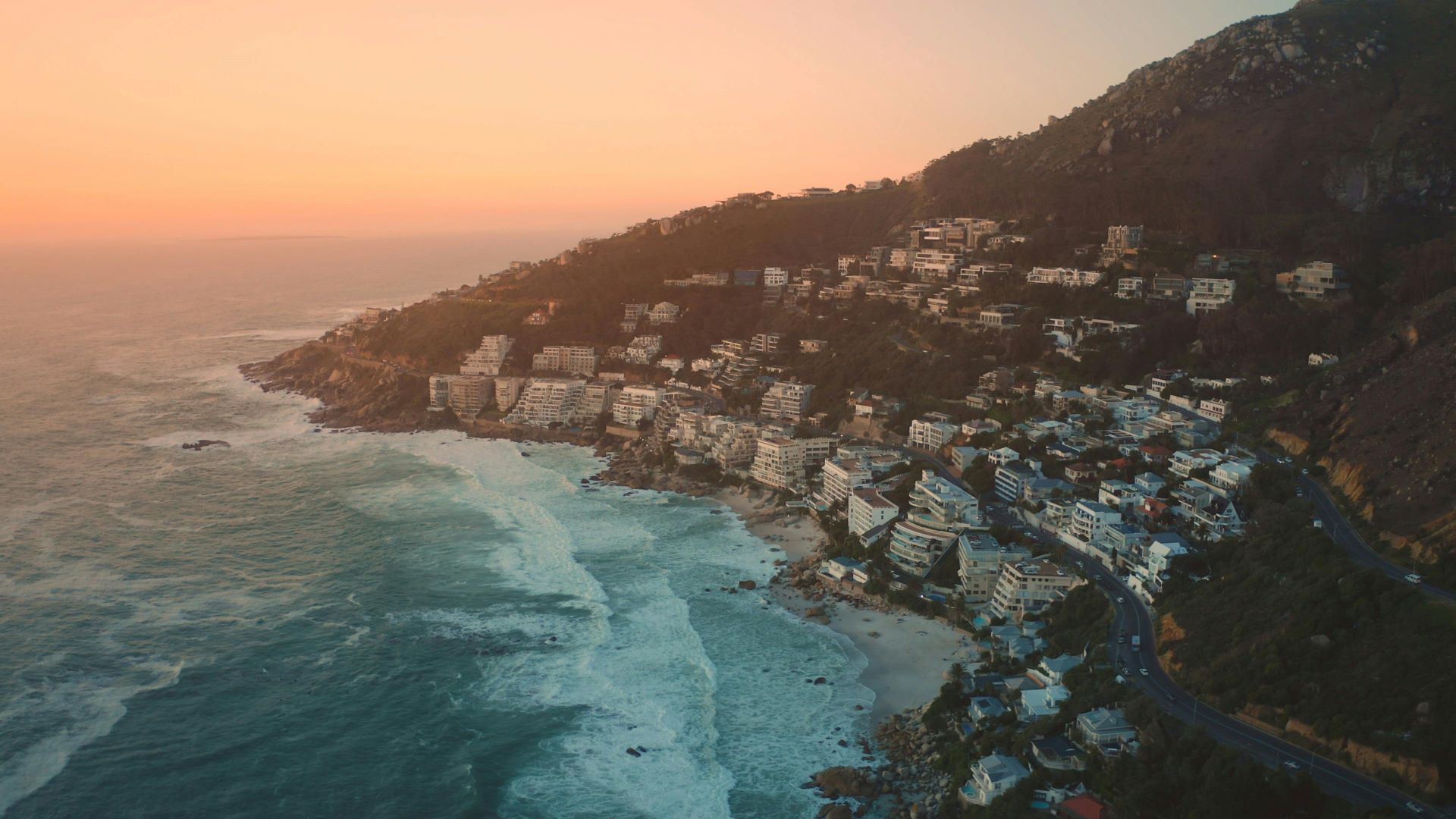
South Africa refuses to be reduced. It defies expectation. It complicates easy narratives. It dazzles and disturbs, often in the same breath. The tourism brochures might get the facts right, but they’ll rarely tell you how this place feels.
To feel it, you have to come here. You have to smell the fynbos after rain. Hear the township beat of kwaito through open taxi windows. See the jacarandas blooming purple across Pretoria’s boulevards. Taste the dust of the Karoo and the salt of the Indian Ocean.
And you have to be willing to let it change you.
Because if there’s one thing South Africa teaches you, it’s that travel isn’t about escape—it’s about return. To reality. To complexity. To self.
Elisha Roodt
Reporting from the frontlines of the South African tourism renaissance. Bridging the gap between regional stories and global audiences through elite narrative strategy.