

The Tapestry of Taste
South Africa is often described as the “Rainbow Nation,” a phrase coined to capture its cultural, linguistic and ethnic diversity. Yet, the truest embodiment of this phrase is perhaps not in its politics or even its landscapes, but in its kitchens. Across the country, flavours and aromas converge in ways that reflect centuries of history—stories of migration, colonisation, resilience and reinvention. To sit at a South African table is to taste the intersection of continents: African traditions woven with Asian spices, European techniques layered over indigenous ingredients, and memories carried through generations in recipes that both honour the past and embrace the present.
At the heart of this culinary mosaic lie distinct traditions that anchor regional and cultural identity: the aromatic Cape Malay dishes born of 17th-century trade routes; the hearty and soulful meals of the Xhosa; the bold, communal flavours of the Zulu; and the fiery vibrancy of South African Indian cuisine. Each of these influences is not only a collection of recipes but a living archive of history, an edible anthropology of how South Africans have shaped, and been shaped by, food.
This journey through South Africa’s diverse flavours invites us to look closer at the ingredients, the techniques, and the cultural meaning behind each dish. To explore them is to understand not only what South Africans eat, but why they eat it in such a way, and how this reflects a larger narrative of identity, belonging, and the joy of shared meals.
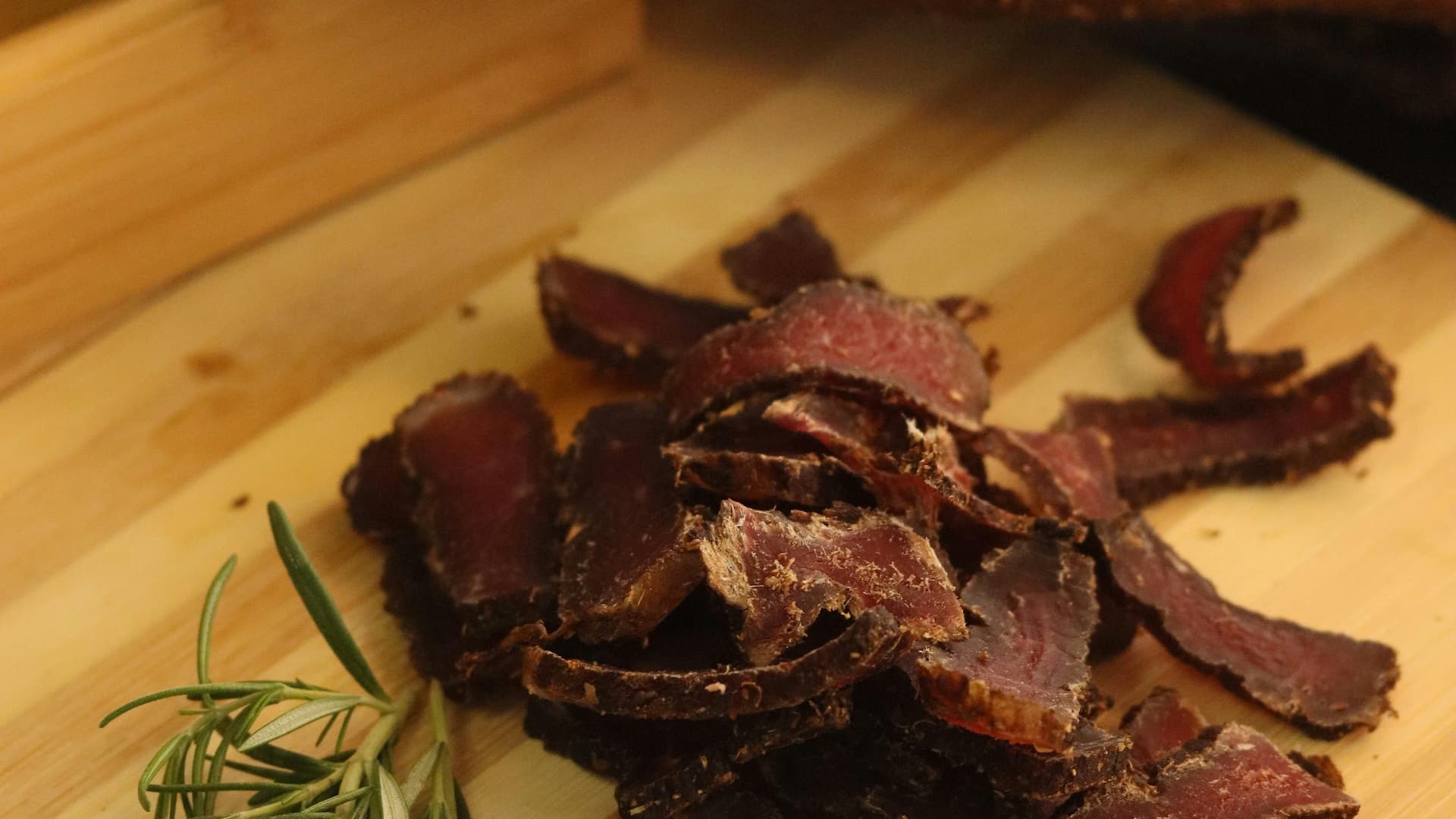
Cape Malay Cuisine: The Fragrance of the Cape
A Legacy of Spice and Survival
Cape Malay cuisine is one of South Africa’s most celebrated culinary traditions, and yet its roots are profoundly bittersweet. In the 17th century, enslaved people from Indonesia, Malaysia and other parts of Southeast Asia were brought to the Cape Colony by the Dutch East India Company. Torn from their homelands, these communities carried with them a deep knowledge of spice, flavour and culinary craft. In an unfamiliar land, they transformed humble local ingredients—grains, vegetables, mutton, chicken—into dishes suffused with complexity, warmth and memory.
The Cape Malay kitchen became a meeting point between necessity and creativity, combining African produce with Asian techniques and Middle Eastern-inspired flavour profiles. Over time, this unique fusion not only survived but thrived, evolving into an integral part of South Africa’s culinary identity. Today, the aroma of cinnamon, cardamom, turmeric and cloves drifting from a Cape Malay kitchen is more than a sensory delight; it is a reminder of endurance, adaptation and cultural pride.
Signature Dishes and Flavours
Few dishes are as synonymous with Cape Malay cooking as bobotie. This baked dish of spiced minced meat, enriched with milk-soaked bread and topped with a golden savoury custard, has become a household favourite across the country. Yet, beneath its comfort lies a history of adaptation, with influences from Dutch meatloaf traditions mingling with the aromatic spices of the East.
Equally emblematic is the fragrant denningvleis, a slow-cooked lamb dish flavoured with tamarind or lemon, which strikes a delicate balance between savoury depth and tangy brightness. Curries, too, form the backbone of Cape Malay cuisine—milder than their Indian counterparts yet equally complex, often sweetened with fruit such as apricots or raisins, a hallmark of the Cape Malay palate.
Then there are the koesisters, plump doughnuts infused with cinnamon and aniseed, rolled in coconut after being dipped in syrup. These sweet treats, often shared on Sundays or during religious gatherings, embody the communal nature of Cape Malay food culture.
Food as Heritage
In Cape Town’s Bo-Kaap neighbourhood, pastel-coloured houses line cobbled streets, and the scent of simmering curries drifts through open windows. Here, food is inseparable from identity. Cooking is an act of remembrance, and recipes are oral legacies passed down through generations. For many, preparing Cape Malay dishes is not merely about sustenance but about honouring ancestors who preserved their culture through food when so much else was stripped away.
Cape Malay cuisine reminds us that flavour can be a form of resistance, and that spice, once a commodity of colonial exploitation, became a vessel of resilience and cultural continuity.
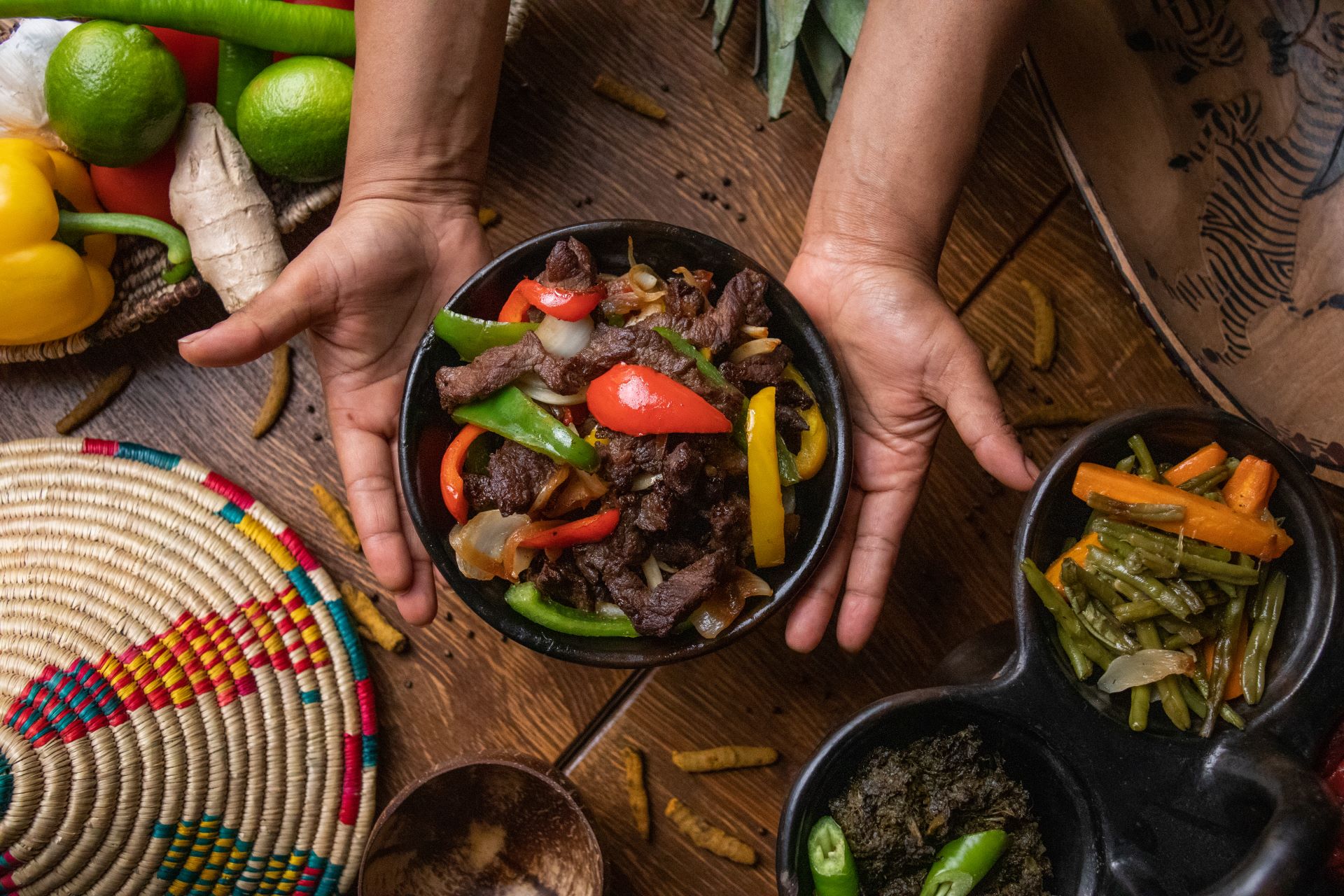
Xhosa Cuisine: Earthy Traditions of the Eastern Cape
The Rhythm of Rural Life
The Xhosa people, one of South Africa’s largest cultural groups, have long been rooted in the rolling hills and fertile valleys of the Eastern Cape. Their food reflects a deep connection to the land, shaped by agricultural cycles, livestock herding and communal living. While Cape Malay cuisine may dazzle with its spices, Xhosa cuisine is defined by its honesty—hearty, nourishing, unpretentious food that sustains both body and spirit.
In Xhosa communities, meals are often centred on maize, the staple crop introduced to Africa centuries ago but now an integral part of daily sustenance. Complemented by legumes, vegetables and meat when available, Xhosa cooking is guided by the principle of balance: meals that fill, fortify and foster togetherness.
Dishes That Tell Stories
The most iconic Xhosa dish is perhaps umngqusho, a comforting combination of samp (cracked maize kernels) and beans, slowly simmered until tender. Often flavoured with butter or animal fat, it is a dish that speaks to patience and resourcefulness. Nelson Mandela famously declared umngqusho his favourite meal, elevating its profile as a symbol of both cultural pride and simple sustenance.
Another staple is uphuthu, a crumbly maize porridge that can be enjoyed plain or paired with sour milk (amasi), offering a refreshing tang against the porridge’s mildness. Meat dishes, particularly mutton or beef stews, also hold significance, often reserved for celebrations, rites of passage or communal gatherings.
For the Xhosa, food is inseparable from ritual. Slaughtering a cow or sheep, for example, is not merely a culinary act but a sacred practice tied to honouring ancestors, marking life events, and reinforcing communal bonds. In this way, food transcends nourishment to become a language of respect, identity and spirituality.
The Taste of Belonging
Xhosa cuisine may not be flamboyant, but its strength lies in its rootedness. To eat a bowl of umngqusho is to taste centuries of continuity, to feel anchored in traditions that prioritise community over individual indulgence. The slow simmering of samp and beans becomes a metaphor for life itself: resilience, patience and the slow unfolding of meaning.
Zulu Cuisine: Bold Flavours and Communal Feasts
The Heartbeat of KwaZulu-Natal
Moving further northeast to KwaZulu-Natal, the Zulu culinary tradition emerges with a character as bold and vibrant as the culture itself. Known for their warrior heritage and proud customs, the Zulu people bring a sense of ceremony, strength and abundance to their food. Where the Xhosa kitchen leans toward subtlety, Zulu cuisine celebrates intensity, with robust flavours and hearty meals that reflect both the fertility of the land and the vibrancy of communal life.
Maize is once again central, but the Zulu table is also rich with vegetables, wild greens, sorghum, and an array of fermented foods that add complexity to both taste and texture. Beer, too, occupies a central place—not only as a beverage but as a cultural cornerstone.
Dishes of Depth and Spirit
Traditional Zulu cuisine often features isitambu, a dish of crushed maize and beans similar to umngqusho, though prepared with regional nuances. Meat holds an important place, with beef particularly esteemed. Grilled, boiled or stewed, it is prepared with reverence, often in large portions to be shared at ceremonies or family feasts.
Fermentation is another defining element. Amasi, the fermented milk beloved across many South African cultures, is particularly cherished among the Zulu. Its tangy flavour pairs beautifully with stiff maize porridge, creating a meal both simple and deeply satisfying.
Perhaps most symbolic is utshwala, traditional sorghum beer. Brewed communally and consumed during ceremonies, it is less about intoxication than about togetherness. Shared from large clay pots, utshwala embodies hospitality, equality and unity.
Food as Ceremony
Zulu cuisine thrives on the principle that food is not merely to be eaten but to be celebrated. Meals are rarely solitary affairs; they are opportunities to reaffirm bonds, honour ancestors and embrace the joy of abundance. Whether it is a wedding, a harvest festival or a rite of passage, food is prepared with scale and generosity, reinforcing the idea that the act of eating is inseparable from the act of belonging.
In Zulu culture, food becomes a metaphor for life lived fully and collectively, a reminder that nourishment is most meaningful when it is shared.
South African Indian Cuisine: Spice, Fire and Fusion
A Journey Across Oceans
No exploration of South African flavours would be complete without acknowledging the profound influence of Indian cuisine, particularly in the province of KwaZulu-Natal. From the 1860s, Indian indentured labourers arrived in Durban to work on sugar plantations, later joined by free traders and merchants. Over time, they brought with them a rich culinary heritage, infusing the South African palate with bold spices, fiery curries and inventive street foods.
Today, Durban is celebrated as the “curry capital” of South Africa, and its Indian community has shaped the country’s culinary landscape in ways both vibrant and enduring.
Signature Dishes of Fire and Comfort
The most famous contribution is undoubtedly the bunny chow. Invented in Durban, this street food consists of a hollowed-out loaf of white bread filled with spicy curry—be it lamb, chicken or bean. Originally created as a portable meal for labourers, the bunny chow has since become a national icon, loved for its practicality as much as its flavour.
Durban curries themselves are distinctive: hot, red, and unapologetically spiced. Unlike Cape Malay curries, which lean towards sweetness, Durban curries emphasise chilli, cumin, coriander and mustard seeds, producing dishes that are bold and fiery.
Indian sweets also find a place in South Africa’s culinary story. Burfee, jalebi and gulab jamun are prepared for religious festivals, weddings and family gatherings, reminding us that food, once again, is as much about community as it is about taste.
More Than Just Food
South African Indian cuisine reflects a story of adaptation and belonging. While deeply rooted in Indian traditions, these dishes have evolved in response to local ingredients and South African tastes, creating something unique to the region. In the heat of a Durban curry or the sweetness of a festival dessert lies a narrative of resilience, migration and cultural integration.
The cuisine’s vibrancy is a testament to the community’s enduring ability to maintain identity while simultaneously becoming an inseparable part of the broader South African fabric.
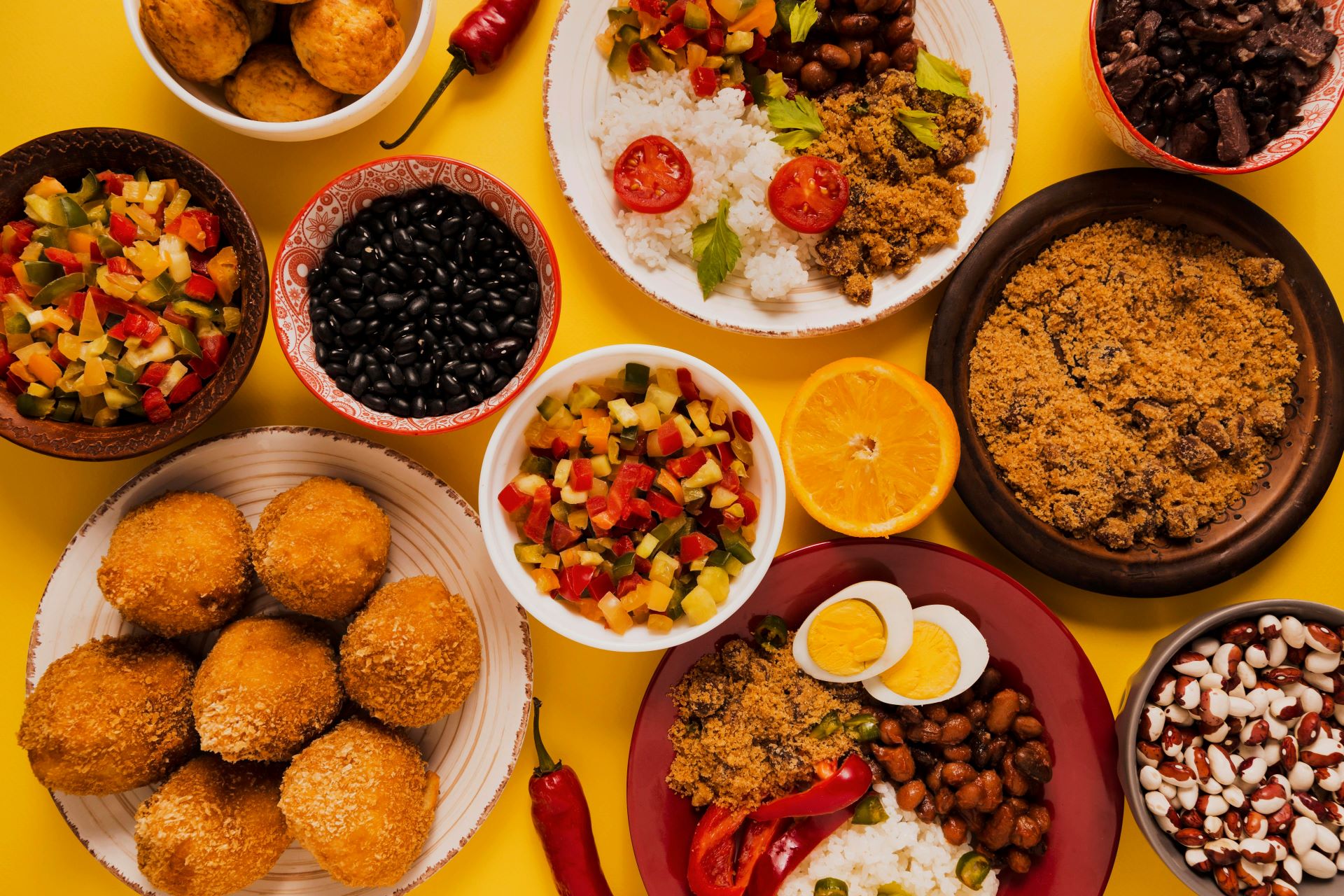
A Shared Table, A Shared Story
South Africa’s culinary landscape is not a monolith but a conversation—an ongoing dialogue between history, geography, culture and creativity. Cape Malay, Xhosa, Zulu and Indian influences are not isolated strands but threads woven into a single, complex fabric. To taste them individually is to glimpse part of a story; to experience them together is to understand the symphony of diversity that defines South African food.
What unites these culinary traditions is more profound than their differences. Each places emphasis on community, on food as a vessel of memory, and on meals as moments of connection. Whether it is the slow simmer of umngqusho, the bold burn of a Durban curry, or the sweet bite of a Cape Malay koesister, South African food is less about individual indulgence than about shared experience.
To journey through South Africa’s diverse flavours is to journey through its history, its struggles, its triumphs and its hopes. It is to understand that food is not merely what we eat, but who we are.
Elisha Roodt
Reporting from the frontlines of the South African tourism renaissance. Bridging the gap between regional stories and global audiences through elite narrative strategy.