

The Call of the South
Few countries conjure such vivid contrasts as South Africa. From the golden savannahs where lions stalk at dawn, to mountain passes where villages cling to dramatic ridges, to vibrant cities that hum with music, food, and history, South Africa offers more than one lifetime of exploration. Yet for many, the prospect of visiting this southern tip of Africa comes with a fear: safaris must cost thousands, car rentals are essential, and luxury lodges seem unavoidable.
The truth is refreshingly different. South Africa is one of the most rewarding destinations in the world for budget travelers. With a little planning, you can track elephants in national parks without emptying your bank account, travel the length of the country using affordable public transport, and stay in quirky backpacker lodges where communal meals and campfires spark lifelong friendships.
This guide aims to chart a course for the traveler who dreams of South Africa but fears the price tag. It’s a handbook of practical wisdom, but also an invitation: to journey across a land where every road leads to stories, and where budget travel is not just possible but often more enriching than luxury.
Safaris on a Shoestring
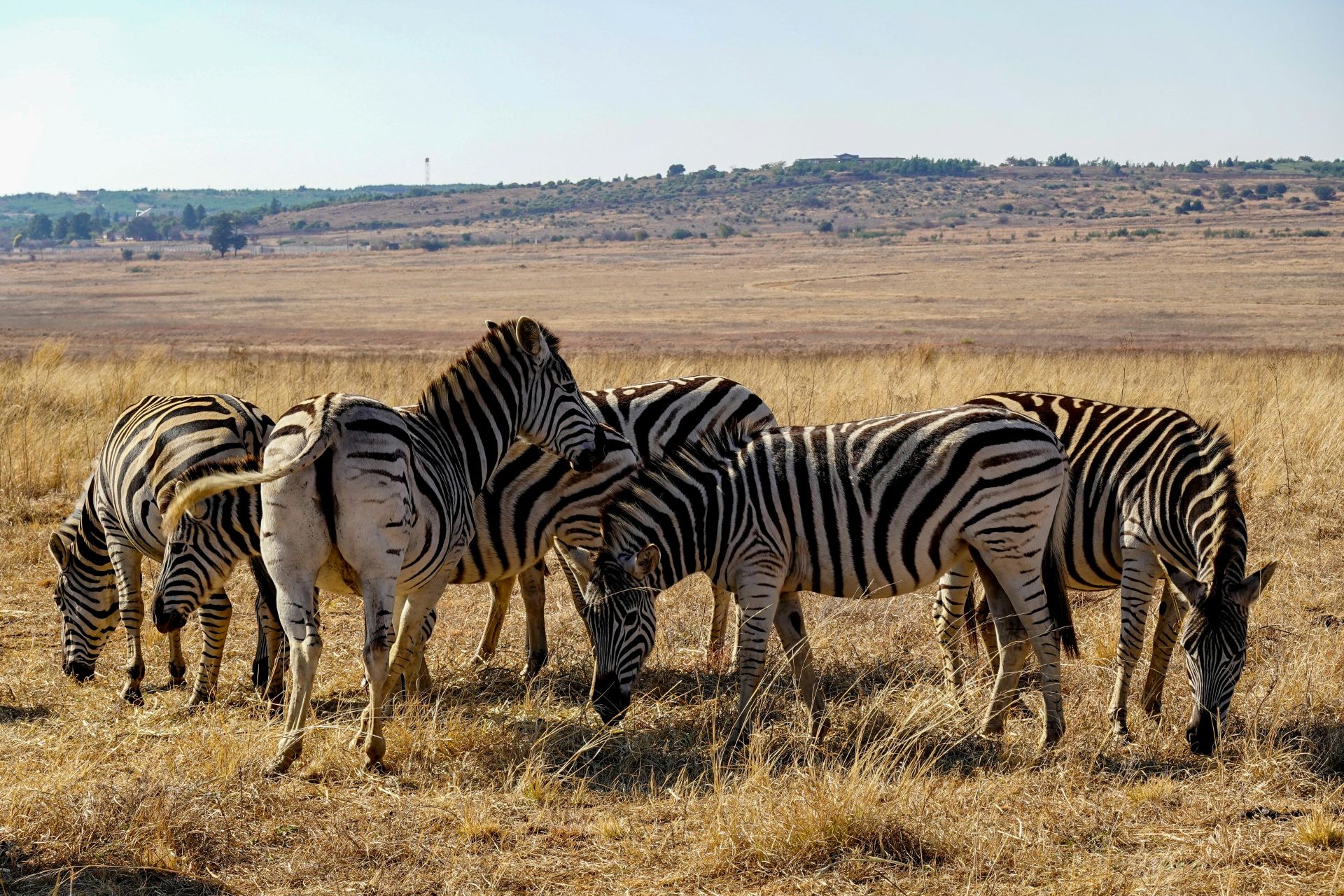
The word “safari” often suggests khaki-clad guests sipping sundowners from a Land Rover while staying in five-star lodges. South Africa does offer those experiences, but they are only one side of the coin. National parks here are remarkably well set up for independent travelers, with a wide range of affordable options that bring you close to wildlife without the luxury markup.
Kruger National Park is the flagship. Spanning nearly 20,000 square kilometers, it is one of the easiest parks in Africa to explore on a budget. Visitors can rent a small car, enter through one of the gates, and follow well-maintained roads where elephants, giraffes, and even lions are often spotted within minutes. Instead of exclusive lodges, Kruger offers state-run rest camps with simple chalets, campsites, and communal kitchens. Cooking your own meals while listening to the distant calls of hyenas can be far more memorable than a silver-service dinner.
Other parks are equally budget-friendly. Addo Elephant National Park in the Eastern Cape provides excellent self-drive safari experiences and is known for its dense elephant population. Hluhluwe-iMfolozi in KwaZulu-Natal offers hilly terrain and the chance to see rhinos at a fraction of the cost of private reserves. Even lesser-known parks such as Karoo National Park or Mountain Zebra National Park surprise travelers with accessible wildlife viewing.
For those without cars, guided day trips from nearby towns can be affordable. Backpacker hostels in places like Nelspruit, St Lucia, or Port Elizabeth often organize small group excursions into the parks at lower costs than luxury operators. The key is flexibility: joining others, bringing your own snacks, and choosing rest camps over lodges can make safaris not only affordable but more adventurous.
Backpacker Routes Across the Country
South Africa’s landscape reads like a tapestry of contrasts, stitched together by long roads that beg to be traveled slowly. For backpackers, this means there is no single route but rather a network of possibilities, each with its own rhythm.
One of the most beloved routes is the Garden Route, stretching along the southern coast from Mossel Bay to Storms River. Here, lush forests, lagoons, and beaches make every stop a postcard moment. Hostels dot the route, from surfing lodges in Wilderness to eco-friendly hideaways in Nature’s Valley. Traveling between them is made easy by backpacker shuttle networks that pick up and drop off guests from hostel doors.
Further east lies the Wild Coast, a region where cliffs tumble into the Indian Ocean and traditional Xhosa villages welcome travelers with homestays. Budget lodges here often feel like community hubs, with shared meals of fresh fish and fireside drumming sessions. The roads are slower, the journeys longer, but the reward is immersion in one of the country’s most authentic regions.
Inland, the Drakensberg Mountains lure hikers with their dramatic escarpments and rock art caves. Backpacker bases like Amphitheatre Backpackers provide inexpensive beds, guided hikes, and communal cooking areas. Heading further north, travelers often combine the Drakensberg with Lesotho, entering the mountain kingdom through the Sani Pass for an unforgettable side trip.
And then there’s Cape Town to Johannesburg, the great spine of the country, linking two very different cities. Cape Town dazzles with Table Mountain and cosmopolitan flair, while Johannesburg pulses with history and urban energy. The journey between them can be broken into countless detours: wine regions on a budget in Stellenbosch, the semi-desert of the Karoo, the cultural richness of KwaZulu-Natal. Backpackers often spend weeks zigzagging across this route, joining shuttles or hopping on public buses as they weave together their own patchwork of adventures.
Public Transport Wisdom
The question every budget traveler asks: do you need a car in South Africa? While renting a vehicle opens many doors, it is far from essential. Public transport here is not only workable but often an adventure in itself.
For long distances, intercity buses are the backbone of budget travel. Companies like Intercape and Greyhound (when operational) offer safe, comfortable journeys between major cities at reasonable prices. Seats recline, movies play, and luggage is handled with surprising efficiency. Night buses are particularly useful, saving both time and a night’s accommodation.
On a more grassroots level, minibus taxis are the lifeblood of local transport. They run between towns and within cities, carrying millions of South Africans daily. For visitors, they can be bewildering at first: there are no official timetables, routes are shouted out by conductors, and vehicles leave when full. Yet once you get the hang of it, minibus taxis are cheap, lively, and a direct window into local life. A little patience and a willingness to ask fellow passengers for guidance go a long way.
In urban areas, transport varies. Cape Town’s MyCiTi Bus is modern, affordable, and easy to navigate, especially for airport transfers and trips to Table View or the Atlantic Seaboard. Johannesburg, on the other hand, is best served by the Gautrain, a fast and reliable train linking the airport to key suburbs. While inner-city transport can be chaotic, rideshare apps like Bolt or Uber provide a safe and inexpensive fallback, especially after dark.
For scenic journeys, consider South Africa’s rail options. While the famous Blue Train and Rovos Rail are luxury icons, the Shosholoza Meyl long-distance trains are budget-friendly alternatives, connecting Johannesburg with Cape Town, Durban, and Port Elizabeth. They take longer than buses, but the rhythm of train travel across vast plains can be unforgettable.

Affordable Stays: Where Backpackers Belong
South Africa’s accommodation scene is a dream for budget travelers. Unlike some countries where hostels are rare, South Africa has a well-established network of backpacker lodges that cater specifically to budget adventurers.
These lodges are far more than just cheap beds. They are hubs of community, often set in stunning locations. Many have gardens where travelers cook communal meals, bars that double as storytelling venues, and activity desks that connect guests with local tours at fair prices. In Cape Town, you’ll find hostels ranging from heritage houses in the city bowl to seaside escapes in Muizenberg. Along the Garden Route, many lodges are destinations in themselves, with treehouses, hammocks, and surfboards ready to borrow.
Camping is another excellent option. National parks and many lodges offer safe, inexpensive campsites with showers and cooking areas. Bringing a lightweight tent can slash costs while also giving you the joy of waking up to birdsong and sunrise views.
For those seeking cultural immersion, community homestays are growing in popularity. Staying in a township guesthouse near Cape Town or a rural homestay in the Eastern Cape allows travelers to experience South African life beyond the tourist trail. These stays often include meals, conversations, and the chance to support local initiatives directly.
Eating Well Without Overspending
Food is another realm where South Africa rewards the thrifty. Eating on a budget here does not mean sacrificing flavor.
Street food and casual eateries are everywhere. In Durban, you can try the iconic bunny chow—a hollowed loaf of bread filled with curry—for just a few dollars. In Cape Town, Gatsby sandwiches stuffed with chips and steak are legendary among locals. Braai culture, South Africa’s version of the barbecue, often spills into backpacker lodges, where communal grills turn into social feasts.
Supermarkets such as Pick n Pay or Checkers are traveler-friendly, with affordable ready meals, fresh produce, and snacks for long bus rides. Many hostels have shared kitchens, making self-catering simple. Buying boerewors (traditional sausage) to cook on a hostel grill, or fresh fruit from a roadside stall, not only saves money but roots you in the daily rhythms of South African life.
Markets also provide affordable feasting. Cape Town’s weekend food markets brim with artisanal bites, while smaller town markets sell everything from vetkoek (fried dough stuffed with savory fillings) to farm-fresh cheeses. Eating like a local—casual, unpretentious, generous—ensures that food is never a financial burden.
Culture, Nature, and Free Experiences
Some of the richest experiences in South Africa cost little or nothing. Hiking trails lace the Drakensberg, the Cederberg, and Table Mountain National Park, offering world-class scenery for only the price of entry permits. Beaches, from Cape Town’s Clifton sands to the untamed stretches of the Wild Coast, are free playgrounds.
Cultural experiences, too, can be affordable. Johannesburg’s Apartheid Museum charges a modest fee for a profound journey through history, while township tours led by local guides offer perspective without a heavy price tag. Many cities host free walking tours, run on a tip basis, that reveal hidden corners and personal stories.
Festivals, street performances, and live music often animate city nights, accessible for just the cost of a drink. For those who linger, volunteering opportunities with conservation projects or community programs sometimes provide food and accommodation in exchange for work, stretching budgets while deepening connections.
Traveling Smart and Safe on a Budget
Budget travel in South Africa requires not just thrift but awareness. The country is safe for travelers who use common sense, but risks exist, particularly in urban areas. Avoid displaying valuables, use trusted transport at night, and seek local advice at each step. Backpacker lodges are excellent sources of up-to-date safety tips tailored to specific areas.
Travel insurance, though an added expense, is essential. Medical care in South Africa is of high quality but costly without coverage. Likewise, budgeting a little extra for flexibility is wise—whether it’s taking a safer taxi after dark or splurging on a guided hike rather than tackling a trail alone.

The Richness of Traveling Light
To travel South Africa on a budget is to discover a paradox. By spending less, you often experience more. The self-drive through Kruger with your own picnic becomes more intimate than a luxury game drive. The minibus taxi ride, crowded and chaotic, becomes a story you tell for years. The night spent in a hammock on the Wild Coast, with waves pounding below, feels richer than any hotel suite.
South Africa invites budget travelers not to skim its surface but to dive deeply. Every rand saved on accommodation can be spent on extra days exploring. Every bus ride brings new faces, every hostel kitchen new friendships. The reward is not just affordability but authenticity.
So pack your backpack, keep your plans flexible, and follow the roads that wind across this extraordinary country. South Africa is not only possible on a budget—it is best experienced this way.
Ronel Ferreira
Reporting from the frontlines of the South African tourism renaissance. Bridging the gap between regional stories and global audiences through elite narrative strategy.