

South Africa’s national parks are often synonymous with the grandeur of the Kruger National Park: sweeping savannahs, the roar of lions at dusk, and the thrill of spotting the Big Five. Yet, the country’s diverse landscapes offer much more than the well-trodden paths of Kruger. Beyond the iconic wildlife hotspots lie lesser-known parks, each with its unique character, rich biodiversity, and immersive experiences. The Karoo, Addo, and Tsitsikamma National Parks, in particular, provide a journey into South Africa’s natural soul—offering solitude, striking landscapes, and wildlife encounters that are intimate, personal, and unforgettable.
The Vastness and Solitude of the Karoo
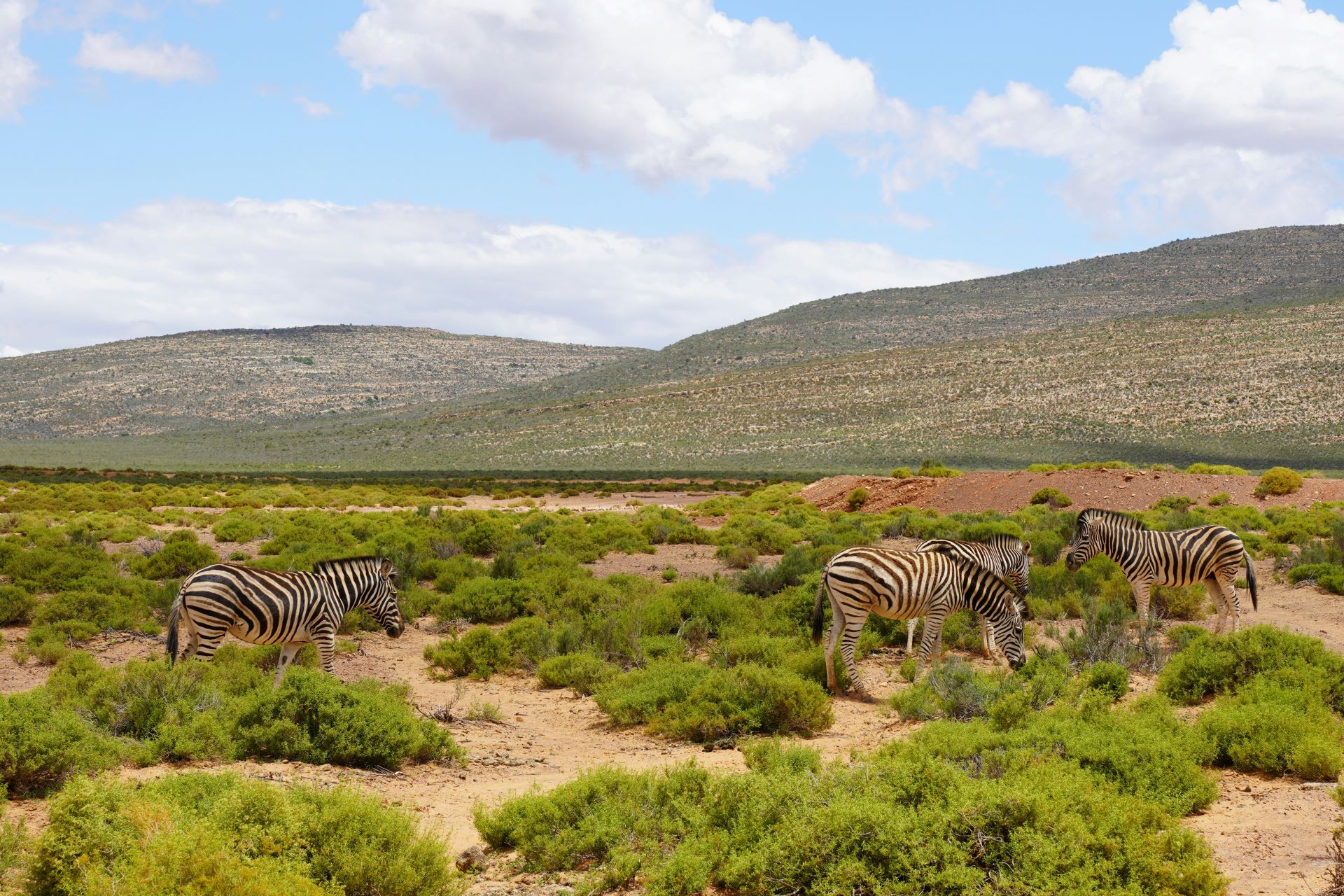
Stretching across the heart of South Africa, the Karoo is a semi-arid expanse that defies expectations with its hidden wonders. Often overlooked by tourists seeking the lush greenery and dense wildlife of more famous parks, the Karoo National Park is a haven for those who appreciate raw, unspoiled landscapes and a slower pace of discovery.
Here, the horizon stretches endlessly under skies so vast they appear infinite, punctuated only by rugged mountains and the occasional silhouette of an oryx or springbok. Unlike the crowded roads of Kruger, the Karoo offers a sense of space that is almost spiritual, a feeling amplified by the quiet evenings where the stars shine with unfiltered brilliance.
The Karoo is not merely a visual spectacle; it is a sanctuary for rare species that have adapted to the harsh conditions of the semi-desert environment. Black rhinos roam cautiously, while elusive bat-eared foxes and caracals hunt in the twilight. Birdlife enthusiasts will find themselves mesmerized by species such as the pale chanting goshawk and the Karoo korhaan. These encounters, intimate and unhurried, cultivate a profound connection with the rhythms of nature.
For travellers seeking a blend of adventure and tranquility, the Karoo provides a palette of experiences: game drives that follow ancient migratory paths, guided walks that reveal the secrets of endemic flora, and night safaris that illuminate the nocturnal world of this arid paradise. Accommodation ranges from rustic campsites to charming eco-lodges, ensuring visitors can immerse themselves fully in the park’s stark beauty.
Addo Elephant Park: Giants Among the Trees
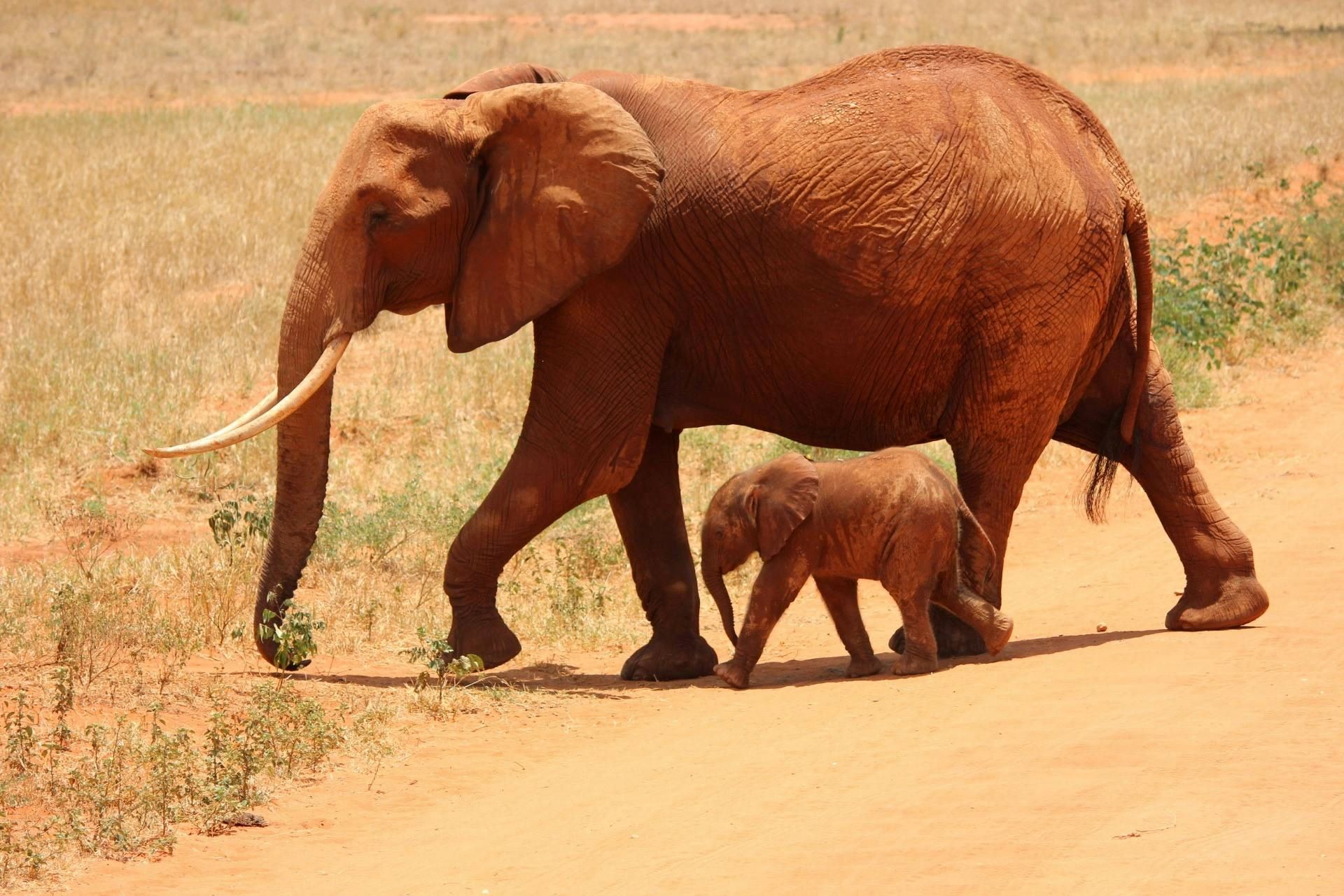
Heading east, near Port Elizabeth, lies Addo Elephant National Park, a sanctuary that has evolved far beyond its original mission of protecting a dwindling elephant population. Today, Addo is a testament to conservation success, home to over 600 elephants alongside lions, buffalo, and the elusive leopard. What makes Addo stand out is its remarkable diversity: from arid plains to lush river valleys, coastal forests, and dune systems, the park offers a mosaic of ecosystems rarely found in a single protected area.
Addo’s appeal lies not just in its megafauna but in the immersive experiences it offers. Safari-goers can traverse the park in vehicles, but the true magic often emerges on foot or by horseback, where the sights and sounds of the bush become intimate companions. Trails meander through thick bush and along rivers, where sightings of warthogs, kudu, and a rich array of bird species—hornbills, lilac-breasted rollers, and fish eagles—make each step a discovery.
The park’s growing focus on eco-tourism and sustainable practices ensures that visits are responsible and educational. Addo’s lodges and camps are designed to harmonize with the landscape, offering comfort without compromising the natural environment. Visitors can experience early morning game drives that reveal elephants’ social intricacies, or evening drives where the call of the night heralds the presence of nocturnal predators.
Addo also offers a coastal extension, the Woody Cape section, where dunes and forests meet the sea. Here, travellers can witness the interaction of marine and terrestrial ecosystems—a rare convergence in South Africa’s national parks.
Tsitsikamma: Coastal Majesty and Ancient Forests
On the southern coast, the Tsitsikamma National Park presents a completely different facet of South African wilderness. Renowned for its dramatic cliffs, deep gorges, and the roaring Indian Ocean, Tsitsikamma is a haven for nature enthusiasts, adventure seekers, and anyone yearning for the sensory thrill of wild landscapes.
The park is perhaps most famous for its indigenous forests, where ancient yellowwoods and stinkwoods tower over walking trails. The air is heavy with the scent of damp earth and salt, and the constant rhythm of ocean waves provides a soundtrack to exploration. Hiking trails, ranging from gentle forest walks to challenging multi-day treks, allow visitors to traverse this diverse terrain, from the canopy of forests to the suspension bridges spanning gorges.
Tsitsikamma is also a playground for adrenaline. White-water rafting, zip-lining, and canopy tours offer heart-pounding ways to engage with the environment. Yet, there is an equally profound sense of stillness when pausing at a cliff’s edge to watch the waves crash against rocks, or when following a secluded trail where the only sounds are birdsong and the whispering wind.
Wildlife here is subtler but no less captivating. Indigenous mammals, such as bushbuck and vervet monkeys, flit among the trees, while a variety of bird species, including the Knysna lourie and the African fish eagle, punctuate the forest canopy with their calls. Coastal waters teem with marine life, and seasonal visits may reveal dolphins, seals, or even the distant silhouette of a whale breaching.
The Allure of Underrated Parks
What makes the Karoo, Addo, and Tsitsikamma truly remarkable is their contrast to the mainstream safari experience. These parks offer solitude, a profound connection with nature, and encounters that feel unhurried and personal. The landscapes are diverse—from arid plains to lush forests and rugged coastlines—each offering unique photographic opportunities, wildlife experiences, and moments of introspection.
For South African travellers and international tourists alike, venturing beyond Kruger reveals the breadth of the country’s ecological and cultural tapestry. It encourages a slower form of exploration, one that values presence and observation over checklist tourism. Local communities benefit as well, with eco-tourism initiatives providing employment, education, and sustainable development, creating a model where conservation and community thrive hand-in-hand.
Visiting these parks is not just about observing wildlife; it is about understanding the ecosystems that sustain them, learning the stories of the land, and appreciating the quiet rhythms of life that continue, largely undisturbed, away from the crowds.
Planning Your Journey
To experience the full spectrum of South Africa’s underrated national parks, careful planning enhances the journey. The Karoo is best visited during spring or autumn, when temperatures are moderate, and the wildlife is active. Addo’s diverse habitats can be explored year-round, but early mornings or late afternoons provide the best opportunities for elephant sightings. Tsitsikamma thrives in all seasons, though the mild summer months offer optimal conditions for hiking and coastal activities.
Accommodation choices are equally varied, from rustic camping to luxury lodges that blend seamlessly with their surroundings. Park guides and local tourism offices offer curated experiences, ensuring that each visit is not just a trip but an immersion into the landscapes, wildlife, and cultures of South Africa’s heartlands.
South Africa’s national parks are more than the familiar destinations etched in every tourist’s mind. Beyond the roar of Kruger’s lions, there are landscapes of silent grandeur, forests of primeval beauty, and plains that stretch toward infinity. The Karoo, Addo, and Tsitsikamma National Parks reveal a side of South Africa that is intimate, diverse, and profoundly moving. These parks remind us that adventure is not only measured in sightings of the Big Five, but in the quiet moments of discovery, the rawness of untouched landscapes, and the humbling awareness of being a visitor in the realm of nature. For those willing to journey off the beaten path, these underrated parks offer experiences that linger long after the visit ends, leaving memories as vast and enduring as the landscapes themselves.
Gerald Ferreira
Reporting from the frontlines of the South African tourism renaissance. Bridging the gap between regional stories and global audiences through elite narrative strategy.