

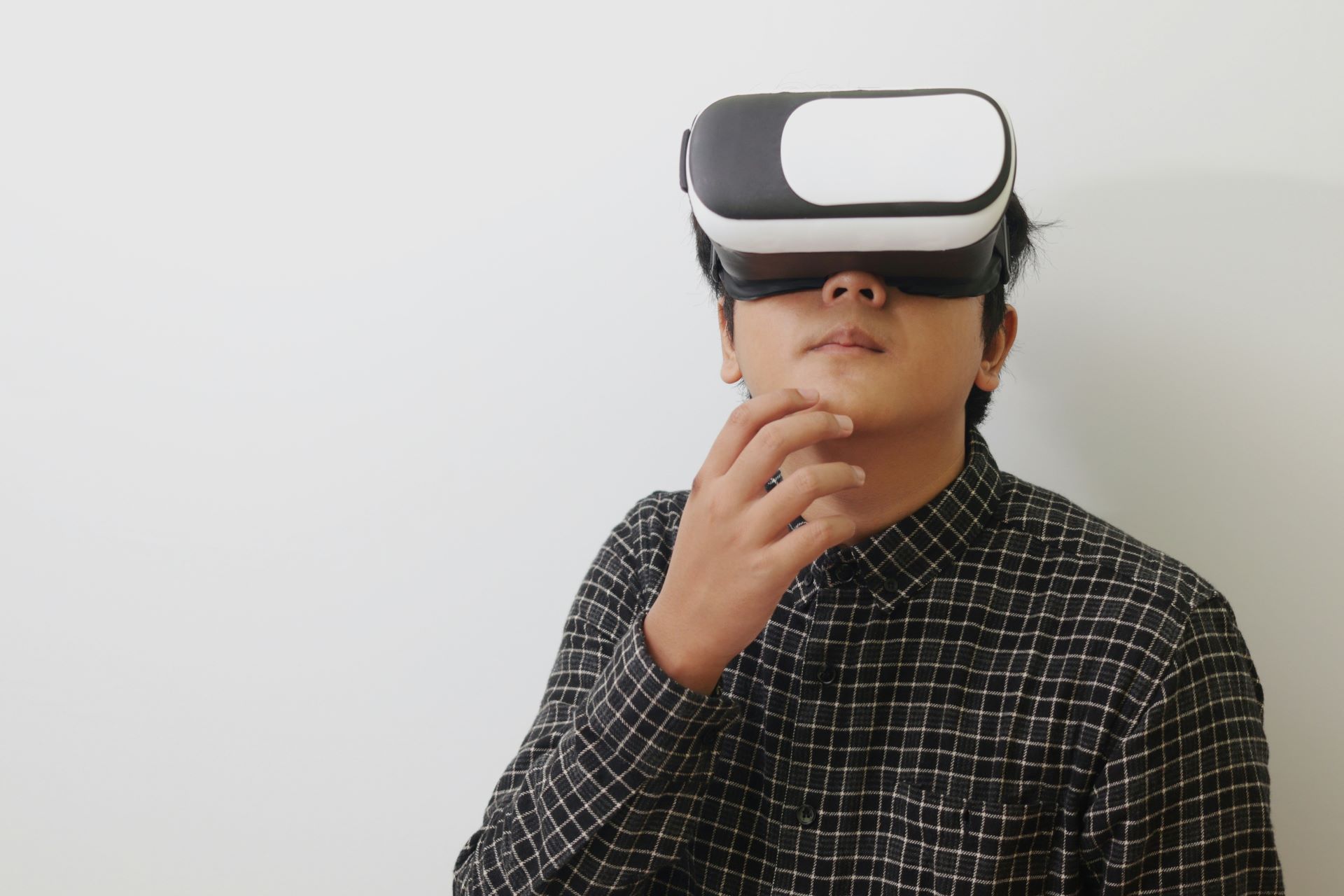
Tourism has long been about movement, discovery, and immersion. Yet, in an age where technology increasingly shapes our experiences, travel no longer begins when the airplane touches down or when the safari vehicle pulls away from camp. Today, journeys can start in the living room, behind a headset that transports travellers into a new world with astonishing clarity. Virtual Reality (VR) is not simply an entertainment novelty; it has emerged as a transformative tool for global tourism. For South Africa—already one of the most diverse and attractive destinations in the world—this technology is creating unprecedented opportunities to connect with international travellers, reshape marketing narratives, and democratise access to cultural and natural wonders.
The convergence of tourism and VR is particularly striking in South Africa because of the country’s unique ability to combine modern innovation with deep-rooted heritage. A destination famous for safaris, coastlines, and winelands is now stepping into a digital realm where those experiences can be previewed, simulated, and shared in entirely new ways. But what does this mean for the future of tourism in the Rainbow Nation, and how is VR transforming not only how people choose to travel, but how they engage with culture, conservation, and community?
South Africa’s Tourism Landscape in Context
South Africa’s tourism economy is both vital and vulnerable. It supports millions of jobs, contributes significantly to GDP, and acts as a cultural ambassador to the rest of the world. Yet, it is deeply affected by global shifts—from economic downturns and exchange rate fluctuations to pandemics and climate change. Accessibility also remains a challenge. While Cape Town’s Table Mountain and the Kruger National Park are globally recognised, reaching them requires both financial resources and geographic mobility that not all potential travellers possess.
This is where technology begins to alter the equation. Virtual tourism cannot replace the physical act of travel, nor should it. Instead, it serves as a gateway, a teaser, and in some cases, an alternative. By offering immersive VR experiences of destinations, heritage sites, and wildlife encounters, South Africa can engage audiences who may not yet be ready—or able—to visit in person. This creates a powerful funnel that inspires future tourism while also ensuring that those unable to make the trip can still engage meaningfully with the country’s cultural and natural assets.
The Power of Virtual Reality in Storytelling
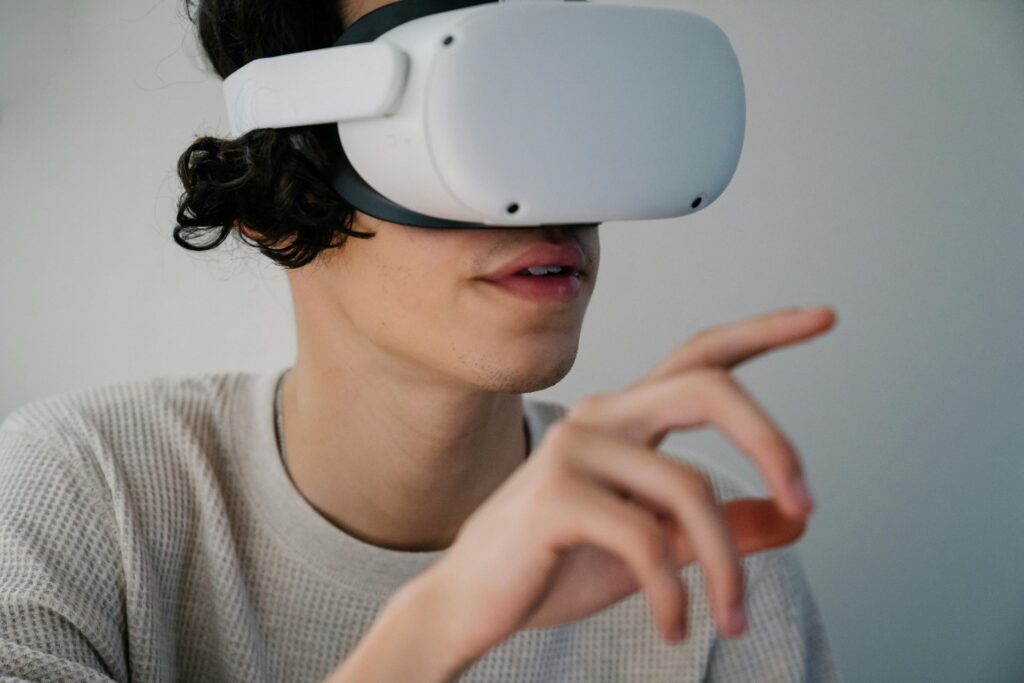
Tourism marketing has always thrived on storytelling. From glossy brochures to cinematic TV ads, the industry depends on the ability to transport a viewer imaginatively into another space. Virtual Reality magnifies this storytelling capacity by shifting the narrative from passive observation to active participation. Instead of merely watching a lion stalk the savannah, VR enables travellers to stand in the veld, hear the grass rustle, and sense the proximity of the predator in a way that feels both intimate and authentic.
South African tourism bodies, private operators, and creative studios have started embracing this new medium. Imagine a VR journey through Robben Island, where instead of listening to an audio guide, visitors can walk alongside a digital reconstruction of Nelson Mandela’s cell, feel the scale of the prison, and interact with artefacts in real-time. Or consider the vineyards of Stellenbosch, where potential visitors overseas can explore the rolling hills, look across sun-drenched valleys, and even “join” a tasting room to decide whether they would like to plan a trip to experience it physically.
VR enables tourism stakeholders to construct narratives that are both emotionally compelling and visually striking. This isn’t about replacing reality but about deepening the connection between expectation and experience.
From Marketing Tool to Travel Companion
The most obvious application of VR lies in pre-travel marketing. Tourists planning holidays can now “test-drive” destinations the way they would sample a luxury car before purchase. For South Africa, this opens the door to enticing global audiences who may feel uncertain about safety, accessibility, or value. Through VR, these concerns can be addressed with immersive showcases of hotels, attractions, and logistics.
But VR is also finding a place within the travel experience itself. At airports, VR lounges can offer previews of attractions, keeping travellers engaged during layovers. In luxury lodges, VR experiences can complement actual safaris by providing access to nocturnal animal movements or underwater views of marine ecosystems that cannot be safely observed otherwise. For travellers with limited mobility, VR becomes a powerful enabler, ensuring that they too can participate in the magic of exploration.
Conservation and Education Through VR
Tourism in South Africa is deeply intertwined with conservation. National parks, reserves, and marine sanctuaries depend on visitor revenues to fund preservation efforts. VR extends this support base by enabling virtual visitors to engage with conservation programmes without needing to set foot in the country.
For instance, VR safaris allow global audiences to “meet” elephants, rhinos, and pangolins in their natural environments while simultaneously educating them about the challenges of poaching, climate change, and habitat loss. Schools in Europe or Asia can now integrate South African ecosystems into their curricula with a depth of immersion that traditional documentaries cannot achieve. This global awareness contributes to fundraising, advocacy, and ultimately, the protection of the species and habitats that make South Africa a jewel of biodiversity.
Cultural Immersion in the Digital Age
South Africa’s greatest strength lies not only in its landscapes but in its people and cultures. Eleven official languages, countless traditions, and a rich tapestry of music, art, and cuisine define the national character. Virtual Reality opens new ways to share this cultural wealth with the world.
Imagine VR festivals where users in New York or Tokyo can join a Zulu dance celebration in KwaZulu-Natal, participate in a Xhosa initiation storytelling ceremony, or take a digital walking tour through Johannesburg’s Maboneng Precinct guided by local artists. These immersive encounters transcend static travel photography by creating interactive, living cultural experiences.
Importantly, VR also empowers communities to control their narratives. By developing localised VR content, communities can ensure their voices, traditions, and perspectives are authentically represented rather than filtered through external intermediaries.
Challenges and Opportunities Ahead
While the promise of VR tourism is vast, challenges remain. Access to hardware is still uneven, with high-quality VR headsets priced beyond the reach of many consumers. Internet infrastructure in certain regions also limits the seamless streaming of immersive content. Moreover, there is the philosophical question of authenticity: will travellers still value the physical journey if they can digitally explore the destination in such detail?
Yet, these challenges are counterbalanced by opportunities. The cost of hardware is steadily decreasing, mobile VR solutions are expanding, and the appetite for immersive content continues to grow. For South Africa, the strategic adoption of VR does not undermine physical tourism but rather enhances it, offering a bridge between inspiration and arrival. The emotional pull of standing atop Lion’s Head at sunset, feeling the wind against your skin, or tasting Cape Malay cuisine in Bo-Kaap cannot be fully replicated digitally. But VR ensures that the decision to seek those experiences is stronger, more informed, and more desirable than ever.
The Business of Virtual Tourism
For tourism operators, VR opens new revenue streams. Hotels can sell immersive previews of rooms and amenities. Tour companies can provide VR add-ons to extend experiences beyond the trip itself. Museums can offer digital memberships granting access to exclusive VR exhibitions. Even post-travel, VR enables tourists to relive their adventures, share them with friends, and maintain emotional connections to South Africa long after departure.
The business model extends to partnerships with global tech firms. By collaborating with VR developers, South African tourism authorities can position themselves as leaders in immersive travel marketing, setting benchmarks for how technology intersects with heritage and adventure.
Looking Ahead: The Hybrid Future of Travel
The future of tourism will not be defined by a choice between physical and virtual experiences but by their integration. VR will increasingly act as a complement to real-world travel, enriching preparation, enhancing accessibility, and extending memories. South Africa stands at a unique vantage point in this evolution. With its breathtaking landscapes, diverse cultures, and compelling history, it offers some of the richest source material for immersive storytelling anywhere in the world.
As travellers become more digitally fluent, and as VR becomes a standard tool of engagement, South Africa has the opportunity to lead the way in redefining what global tourism can mean. A journey to South Africa will always involve flights, drives, and safaris, but thanks to VR, it will now also begin with a headset, a story, and a spark of imagination.
A Journey Beyond Borders
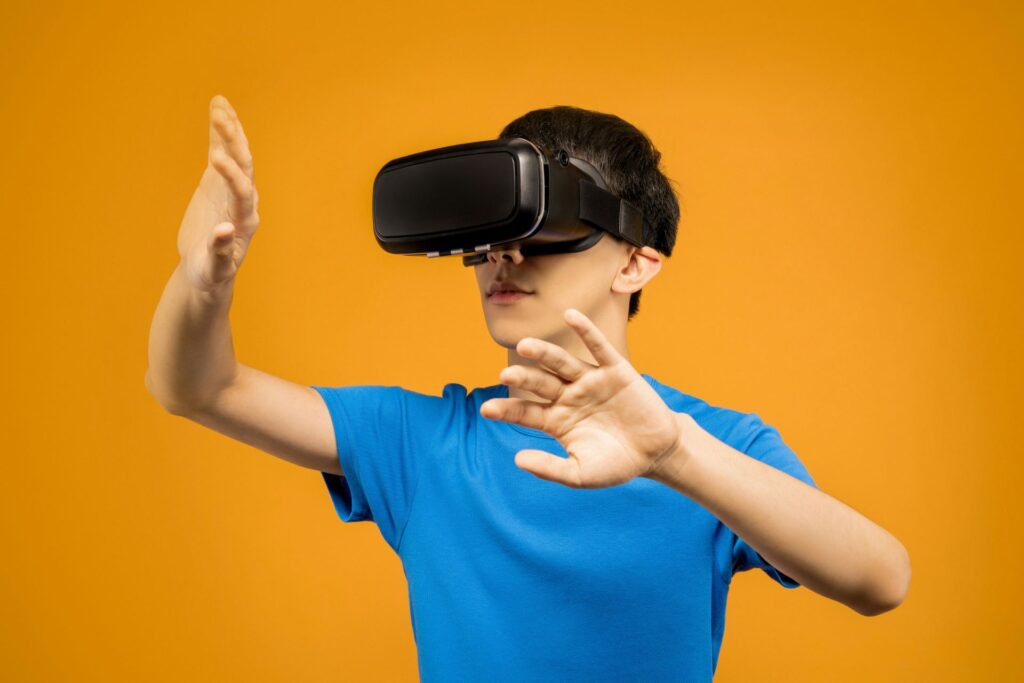
Tourism is, at its heart, about human connection—between people and places, stories and experiences, the past and the future. Virtual Reality does not replace that connection; it expands it. For South Africa, embracing VR means inviting the world to step closer, to see more vividly, and to feel more deeply, even before a journey begins.
The digital and the physical no longer exist in opposition but in harmony. Together, they create a hybrid form of tourism that is more inclusive, more sustainable, and more inspiring. And in this new frontier, South Africa’s blend of natural beauty and cultural richness is perfectly positioned to shine—not just on the ground, but in the immersive, boundless world of virtual travel.
Elisha Roodt
Reporting from the frontlines of the South African tourism renaissance. Bridging the gap between regional stories and global audiences through elite narrative strategy.