

South Africa, often celebrated for its iconic landmarks like Table Mountain, Kruger National Park, and the Garden Route, holds within its vast borders a wealth of lesser-known treasures. For the curious explorer who seeks to stray beyond the well-trodden tourist paths, the country offers experiences that blend natural beauty, cultural depth, history, and gastronomy into a rich tapestry of discovery. These hidden gems promise encounters with the authentic soul of South Africa—far from the crowds, yet imbued with stories, flavours, and vistas that linger long after the journey ends.
The Silent Majesty of the Wild
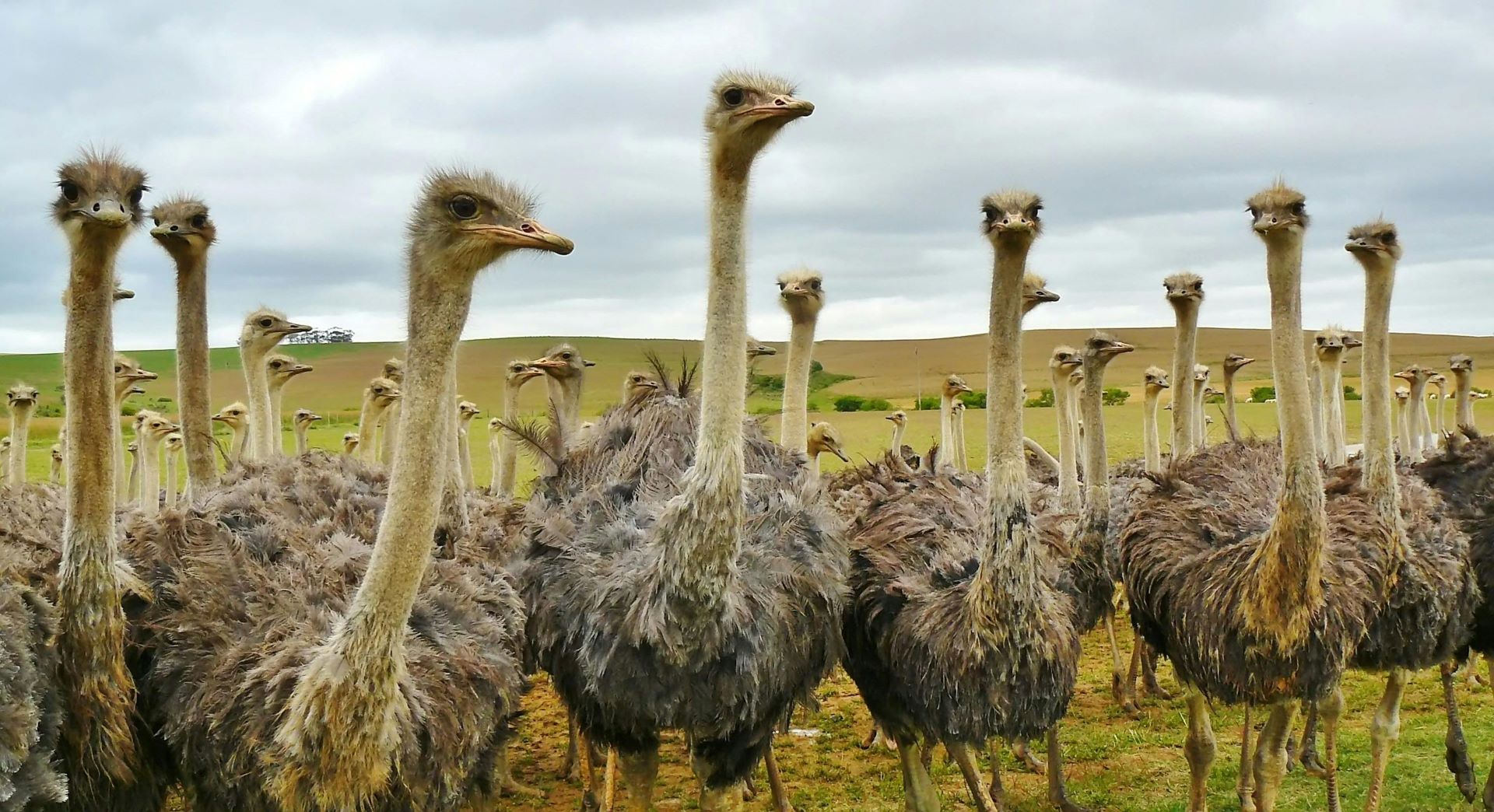
While Kruger and Addo are synonymous with safari adventures, South Africa’s lesser-known wildlife sanctuaries reveal a quieter, more intimate connection with nature. The Kgalagadi Transfrontier Park, straddling South Africa and Botswana, offers vast, unbroken landscapes of red dunes and sparse vegetation. Here, the wind itself seems to be part of the wildlife, whispering across empty horizons while lions patrol their territories in the golden heat of dawn. Unlike the more popular reserves, Kgalagadi’s remote camps offer nights under a canopy of stars so brilliant they almost overwhelm the senses, where the silence is punctuated only by the distant roar of a predator.
Equally compelling is the Mkuze Game Reserve in KwaZulu-Natal, often overlooked in favour of its more famous neighbours. Nestled in a mosaic of wetlands, acacia woodlands, and sand forests, Mkuze teems with biodiversity. Bird enthusiasts find themselves in a haven of raptors and waterfowl, while the elusive nyala and sable antelope move gracefully between shadows, offering glimpses into the rhythms of a world that operates largely unnoticed by human activity. This is wildlife in its purest form—untamed, patient, and profoundly humbling.
The Western Cape, renowned for vineyards and coastlines, also shelters hidden natural gems like the Cederberg Mountains. Beyond their jagged sandstone cliffs and ancient rock art, these mountains conceal secluded rock pools and trails that challenge the hiker to match the land’s rugged elegance. The region’s endemic flora, particularly the striking proteas, bloom in startling bursts of colour, drawing botanists and photographers alike to document the understated wonders of this forgotten corner of South Africa.
Historical Echoes in Quiet Corners
Beyond natural beauty, South Africa’s hidden history unfolds in unexpected spaces. The town of Graaff-Reinet in the Eastern Cape is a treasure trove for history enthusiasts, often overshadowed by larger cities like Cape Town or Johannesburg. Established in the late 18th century, it boasts one of the country’s oldest settlements and a concentration of Cape Dutch architecture that seems untouched by time. Here, cobblestone streets lead to the Valley of Desolation, where dramatic cliffs and dolerite pillars stand as silent witnesses to millennia of geological activity and human settlement.
Similarly, the little-known town of Nieu-Bethesda, perched on the edge of the Karoo, is home to the Owl House, the eccentric creation of self-taught artist Helen Martins. Walking through the mosaic-filled rooms and gardens, visitors encounter a unique fusion of spirituality, art, and defiance of convention—a microcosm of South Africa’s complex history of individuality and resilience. The town itself, surrounded by arid landscapes and distant mountains, offers an evocative journey into a time and place where creativity thrived against isolation.
Even the seemingly humble structures of South Africa’s mining towns carry profound historical significance. Pilgrim’s Rest in Mpumalanga, a restored gold-mining village, immerses visitors in the late 19th-century gold rush era. Walking along its narrow streets lined with period buildings, one can almost hear the echoes of pickaxes striking rock, the conversations of prospectors, and the hopes and disappointments of fortune-seekers etched into every weathered facade. Here, history is not just observed—it is felt, woven into the very air of the town.
Cultural Threads Woven Through Time
For travellers seeking cultural immersion, South Africa offers enclaves of tradition often bypassed by mainstream tourism. The Zulu villages near Ulundi in KwaZulu-Natal provide an intimate glimpse into customs and communal life, where storytelling, song, and dance preserve a heritage that predates colonial incursions. Engaging with local craftsmen, visitors discover the artistry behind beadwork and basket weaving—skills passed down through generations, each piece telling a story of identity, spirituality, and resilience.
In the Western Cape, the Swartland region—often associated with emerging vineyards—also hosts a vibrant community of local farmers and artisans who maintain agricultural practices and culinary traditions handed down for centuries. Here, farm-to-table experiences go beyond mere dining; they are an education in the rhythms of the land, from ancient wheat varieties to traditional bread-making techniques. Sharing a meal in this context becomes a cultural exchange, revealing the intimate link between land, history, and human creativity.
Cape Town, while celebrated internationally, hides pockets of cultural gems in its lesser-known neighbourhoods. District Six, once a thriving multicultural hub before forced removals during apartheid, now carries a poignant mix of memory and resilience. Guided tours by former residents offer personal narratives that transform the area into a living museum of human endurance and cultural fusion. Every mural, sculpture, and building becomes a portal into stories too often eclipsed by mainstream attractions, reminding visitors that culture is not static—it is lived, remembered, and preserved through engagement.
Culinary Journeys Off the Beaten Path
South Africa’s culinary landscape is as diverse as its people and terrain. Beyond the bustling restaurants of Johannesburg and Cape Town, smaller towns and rural areas hide flavors that speak directly to heritage and local creativity. In the Eastern Free State, Clarens offers cozy eateries serving trout sourced from mountain streams, paired with locally brewed craft beers and wines from nearby boutique vineyards. Dining here is as much about ambiance as taste, with the backdrop of sandstone cliffs and pine forests enhancing every bite.
Along the Wild Coast, the town of Coffee Bay invites travellers to indulge in seafood delicacies prepared with traditional methods, often harvested by local fishermen who have perfected their craft over generations. The simplicity of a freshly grilled fish or a pot of crayfish stew gains depth through its connection to place, seasonality, and the hands that have prepared it. Food becomes storytelling—a tangible link to both land and culture.
Even in urban settings, hidden culinary gems thrive. In Johannesburg’s Maboneng Precinct, pop-up markets and small, family-run eateries serve fusion dishes reflecting the city’s multicultural fabric. Traditional recipes meet contemporary interpretations, creating flavors that are innovative yet rooted in heritage. For the curious explorer, every meal offers a sensory journey into South Africa’s layered identity, revealing the country not just through sight or sound, but through taste and texture.
Coastal Secrets and Oceanic Wonders
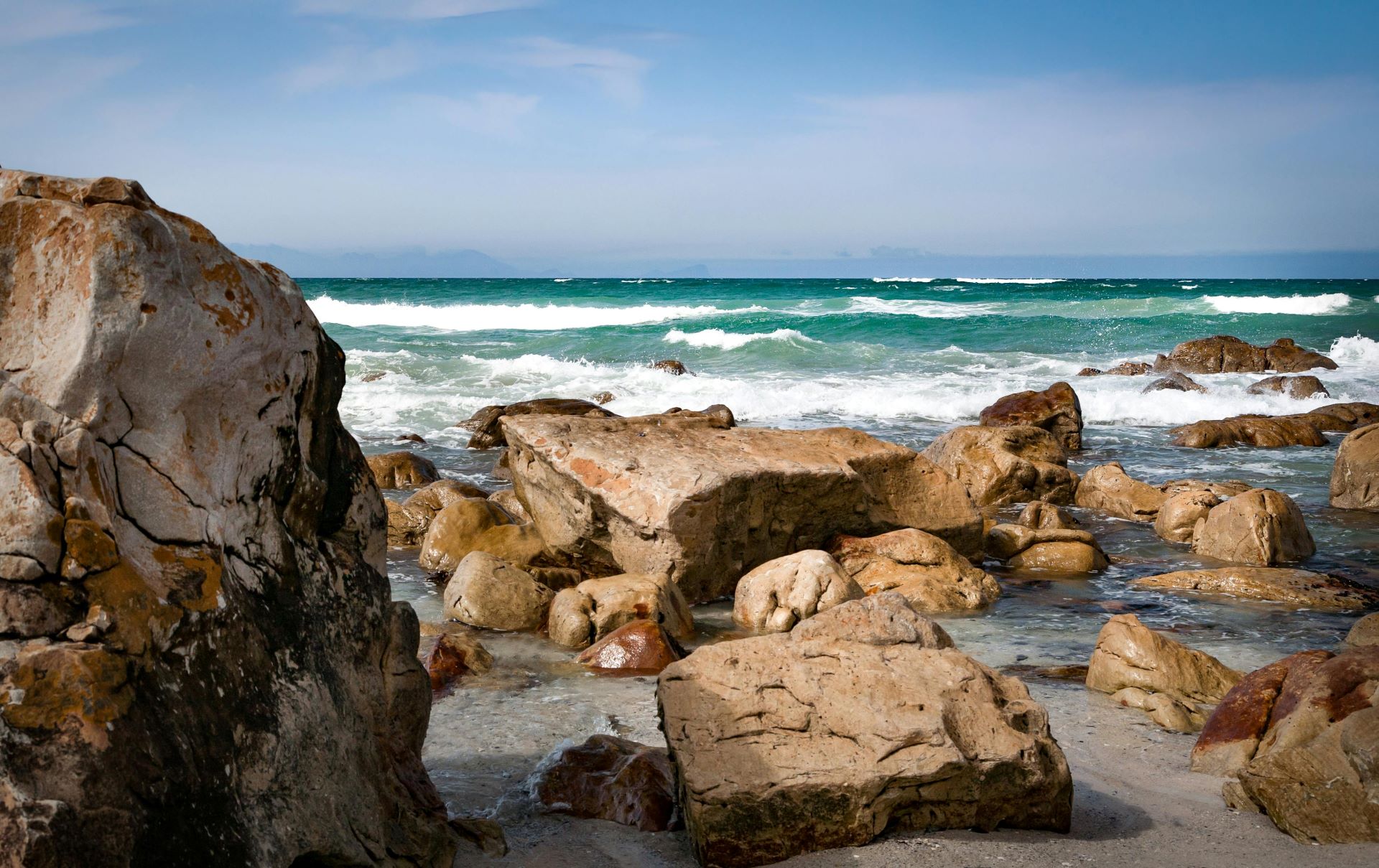
South Africa’s coastline stretches over 2,500 kilometres, yet some of its most captivating spots remain largely undiscovered. The Eastern Cape’s Kei Mouth and Haga Haga beaches provide a retreat from tourist congestion, where miles of unspoiled sand meet the Indian Ocean in a symphony of waves, gulls, and sea breeze. These beaches are ideal for meditative walks, fishing, or simply observing the rhythmic dance of the tides.
Further west, the Overberg region hides coastal treasures like De Hoop Nature Reserve, where a unique combination of marine and terrestrial ecosystems supports whales, flamingos, and rare flora. Visitors can kayak in estuaries surrounded by towering dunes, hike trails offering panoramic views, or join guided walks that unveil the subtle interactions between species in this biodiverse sanctuary. Here, nature’s quiet grandeur demands attention, rewarding those who seek experiences beyond postcard-perfect beaches.
The Western Cape also offers a series of hidden coves along the Kogelberg Biosphere, where fynbos-clad slopes meet pristine shoreline. Snorkeling and diving in these areas reveal a kaleidoscope of marine life, from vibrant fish to curious seals. Away from the crowds, the connection between land and sea feels tangible, almost sacred, as if the coastline itself invites contemplation and awe.
Adventure Beyond Expectations
For explorers drawn to adrenaline-fueled experiences, South Africa’s offbeat locations offer more than conventional adventure sports. The Cederberg Mountains, in addition to hiking, provide challenging rock climbing routes and ancient rock art sites, combining physical exertion with cultural immersion. Similarly, the semi-desert regions of Namaqualand invite mountain biking and 4x4 expeditions during the spring flower season, where vast fields of wildflowers transform barren landscapes into a surreal canvas of colour.
In Mpumalanga, the Blyde River Canyon—a geological marvel often overshadowed by larger parks—offers hiking trails, canyoning, and hot air ballooning opportunities that reveal breathtaking vistas. The juxtaposition of dramatic cliffs, dense forests, and flowing rivers rewards explorers willing to venture off main roads, illustrating that adventure need not be separated from appreciation for beauty and history.
Even urban areas harbor hidden adventures. In Johannesburg, underground tours of mining tunnels and urban art walks provide unique perspectives on the city’s evolution. Here, thrill meets knowledge, with experiences that challenge conventional notions of exploration while offering tangible engagement with South Africa’s complex urban fabric.
Festivals, Arts, and Community Celebrations
Beyond natural and historical sites, South Africa’s local festivals offer a lens into vibrant community life. The town of Nelspruit, in Mpumalanga, hosts the annual Lowveld National Botanical Garden Summer Festival, blending horticulture, art, and music into a celebration of regional biodiversity. Small towns across the country host cultural festivals, from traditional Zulu dance celebrations to Afrikaans poetry gatherings, offering travellers immersive encounters that feel authentic rather than commercialized.
Artisan markets, particularly in regions like the Eastern Cape and Swartland, showcase handcrafted products—ceramics, textiles, and jewelry—that reveal local ingenuity and dedication. Visiting these markets provides not only souvenirs but a narrative of place, each item reflecting a fusion of history, culture, and individual creativity. Engaging with the makers themselves often leads to stories untold in guidebooks, enriching the traveller’s understanding of South Africa’s layered identity.
The Solitude of the Heartland
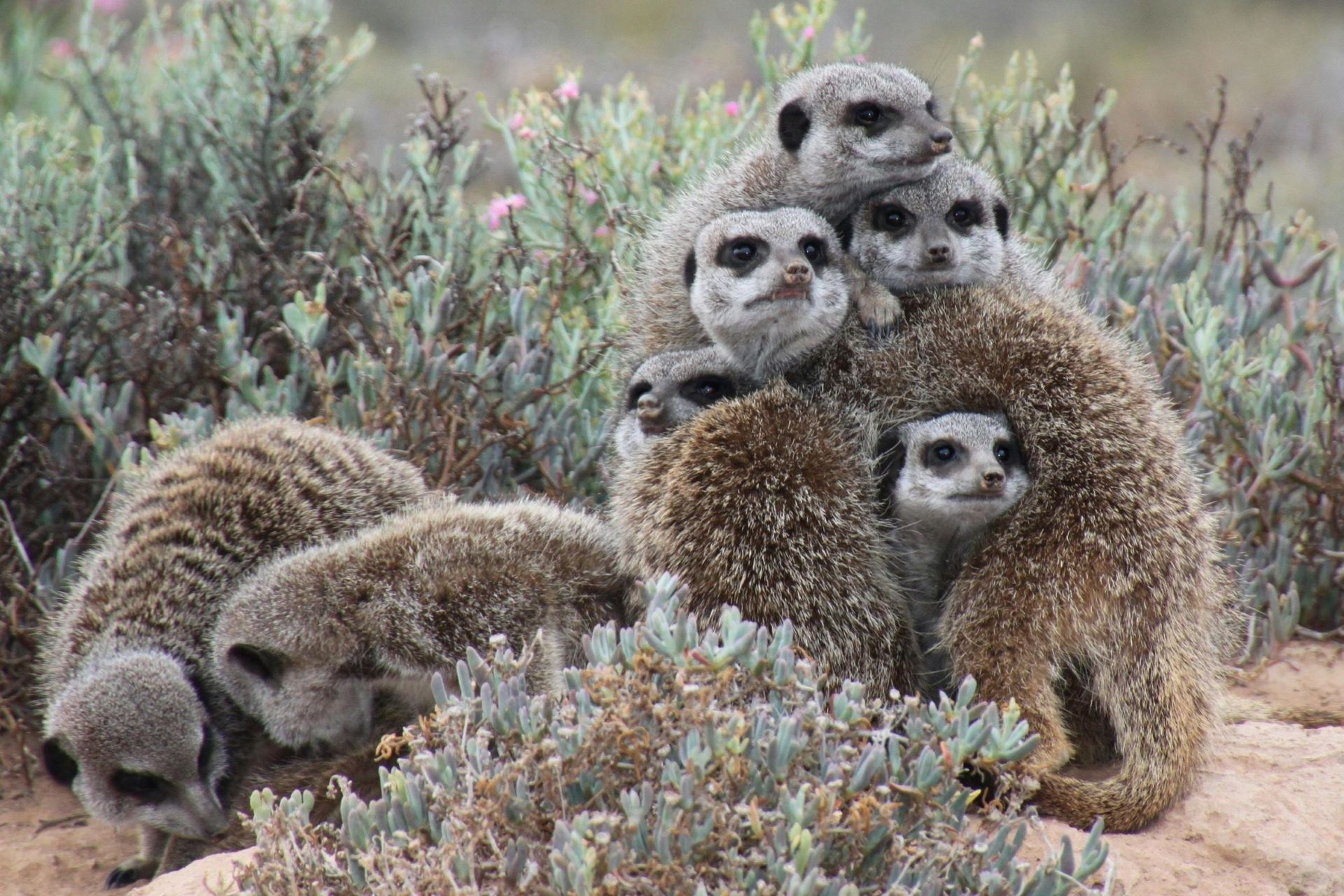
The Karoo, often mischaracterized as barren, is a realm of profound solitude and subtle beauty. Vast plains stretch to distant mountain ranges, punctuated by small towns where time seems to move at its own pace. For the traveller seeking introspection, the Karoo offers endless horizons, dramatic sunsets, and night skies unblemished by artificial light. Here, one can witness the quiet rhythms of rural life—farmers tending fields, shepherds guiding flocks, and the occasional meerkat peering from a burrow—reminding visitors that discovery often resides in the unnoticed.
Similarly, the inland valleys of Limpopo provide hidden lodges and retreats where rivers, hills, and bushveld converge. Activities like guided bush walks, birdwatching, and visits to small cultural villages reveal a tapestry of experiences woven from nature, tradition, and personal connection. The sense of discovery in these areas is amplified precisely because they remain under the radar, offering a profound sense of intimacy with both environment and culture.
Curiosity as Compass
Exploring South Africa’s hidden gems is as much about mindset as geography. While maps and itineraries guide the way, the true reward lies in curiosity, patience, and openness. The road less travelled often demands flexibility—accepting dirt roads, remote accommodations, and spontaneous detours. Yet it is precisely this unpredictability that fosters encounters with locals, landscapes, and experiences that transform a journey into a narrative worth telling.
For the curious explorer, South Africa is more than a collection of sites; it is a living mosaic of history, culture, nature, and human resilience. Every hidden town, secluded beach, mountain trail, and artisan workshop offers a story, waiting for the attentive traveller to notice. By venturing beyond conventional tourism, one encounters not only the country’s beauty but its spirit—complex, layered, and quietly profound.
Beyond the Map
South Africa’s hidden gems remind us that exploration need not be about ticking boxes or capturing perfect photographs. It is about immersing oneself in experiences that challenge perception, invite reflection, and spark wonder. From silent deserts to vibrant village festivals, from secluded coves to historical towns steeped in memory, the country offers endless possibilities for those willing to wander off the familiar path.
In embracing the road less traveled, the curious explorer discovers more than destinations—they encounter stories, flavours, and landscapes that linger long after the journey ends. South Africa, in all its diversity and subtlety, awaits those willing to seek it beyond the maps, offering treasures that transform travel into revelation, and curiosity into connection.
Ronel Ferreira
Reporting from the frontlines of the South African tourism renaissance. Bridging the gap between regional stories and global audiences through elite narrative strategy.