

South Africa’s natural beauty is often distilled into a single iconic image: the flat-topped majesty of Table Mountain dominating Cape Town’s skyline. Yet, for those willing to look beyond the immediate grandeur of this famous landmark, the country unfolds an intricate tapestry of peaks, ranges, and escarpments that narrate stories of geology, ecology, and culture. From the rugged wilderness of the Drakensberg to the semi-arid grandeur of the Cederberg, South Africa’s mountains offer a wealth of experiences that go far beyond the city limits of Cape Town.
These mountains are not mere backdrops for postcards—they are living landscapes, breathing with biodiversity, steeped in history, and pulsing with opportunities for adventure. They invite contemplation, challenge the body, and reward the soul with vistas that linger long after the climb. Whether you are a seasoned hiker, a nature enthusiast, or a curious traveller seeking solitude and perspective, the mountains of South Africa present a canvas as varied as it is vast.
The Drakensberg: The Barrier of Spears
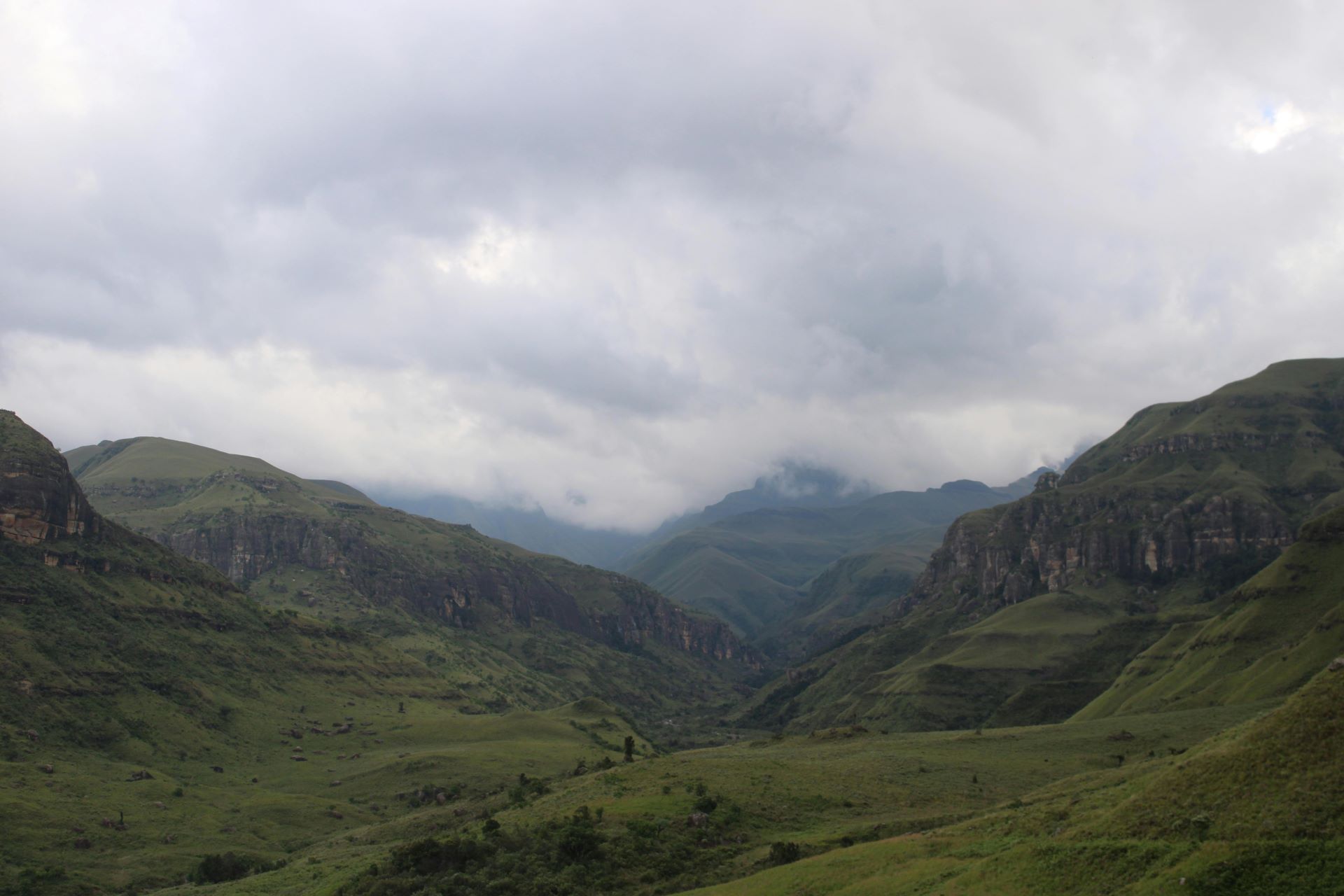
Dominating the eastern escarpment, the Drakensberg—known locally as uKhahlamba, the “Barrier of Spears”—is the country’s most celebrated mountain range beyond Table Mountain. Stretching over 1,000 kilometres from the Eastern Cape to Mpumalanga, these peaks are characterized by dramatic cliffs, soaring buttresses, and undulating grasslands that conceal hidden waterfalls and deep valleys.
The Drakensberg’s allure is multifaceted. For adventurers, the range offers trails ranging from gentle walks along the footpaths of Cathedral Peak to challenging ascents of the Amphitheatre and Giant’s Castle. These climbs are not merely physical undertakings; they are portals into a landscape where rock faces seem to defy gravity and clouds cling to ridgelines in delicate balance. Hikers encounter cascading streams, wildflowers, and, if patient, sightings of eland or bearded vultures gliding on thermal currents.
Cultural history infuses the Drakensberg with additional depth. Its sandstone cliffs and caves bear witness to thousands of years of San rock art, rendering the mountains a gallery of human expression spanning millennia. Each painting tells a story—of hunting rituals, spiritual beliefs, and encounters with the natural world—that imbues the hikes with an almost reverential atmosphere. Visitors often find themselves pausing, not merely for scenic photographs, but in awe of the continuity of human presence and artistic endeavour across the ages.
The Cederberg: Wilderness Carved in Stone
North of Cape Town, the Cederberg Mountains offer a starkly different experience. Here, the landscape is more arid, sculpted by wind and time into jagged sandstone formations, deep canyons, and natural rock arches. The area’s namesake, the Clanwilliam cedar, once dominated these slopes, although much of it was lost to logging and time. Today, these mountains remain a haven for botanical enthusiasts and geologists alike.
Hiking in the Cederberg is an exercise in sensory engagement. Trails wind past ochre-hued cliffs that glow in the morning sun and descend into valleys where rivers carve intricate patterns in stone. The region is a sanctuary for endemic plants, including the striking rooibos shrub, whose leaves have become synonymous with the globally cherished herbal tea. As hikers traverse these paths, they encounter not only flora but fauna: chacma baboons navigate the rocky ledges, while raptors wheel overhead, their cries echoing against the cliffs.
Cultural encounters are abundant here, too. The San rock paintings of the Cederberg are among the most concentrated and accessible in South Africa, with depictions of eland, human figures, and abstract symbols that hint at spiritual cosmologies. Visitors often find themselves pondering the intersection of landscape, art, and ritual, wondering how these ancient creators perceived the peaks that now define the horizon.
The Drakenstein and Hottentots Holland: Proximity and Prestige
Closer to Cape Town, yet distinct in character, are the Drakenstein and Hottentots Holland ranges. These peaks offer a compelling mix of accessibility and adventure, making them ideal for day trips and weekend escapes. Hikers can traverse well-marked paths or venture onto more rugged terrain, encountering forests of silver trees, cascading waterfalls, and dramatic viewpoints that rival the more famous vistas of Table Mountain.
The Hottentots Holland range, with peaks exceeding 1,500 metres, is particularly renowned for its winter rains. These downpours transform the landscape into a verdant mosaic, with streams swelling and fynbos thriving in a riot of seasonal colour. It is during these months that the mountains reveal their transformative magic: paths once dry become brooks, air is scented with damp earth and wild rosemary, and waterfalls appear where none seemed possible. For photographers and nature lovers, this period is unmatched, offering compositions that shift with the light and the weather.
The Swartberg: A UNESCO Geological Treasure
In the Western Cape, the Swartberg Mountains offer a striking blend of geological significance and visual drama. Recognised as a UNESCO World Heritage Site, the range showcases the forces of plate tectonics in sharp relief: the jagged folds and ridges reveal layers of rock thrust skywards over millions of years. The Swartberg Pass, in particular, is an engineering marvel that winds through the mountains, presenting breathtaking views at every turn.
Hikers and explorers here can experience solitude on trails that meander through forests of indigenous trees and past crystal-clear streams. The range is also home to an array of wildlife, including klipspringer, dassies, and elusive leopard sightings for the fortunate few. The Swartberg’s dramatic landscapes have drawn filmmakers and writers alike, offering an almost mythic backdrop for storytelling, and for those seeking introspection, a setting for reflection and escape.
The Magaliesberg: Ancient Peaks, Modern Escape
To the north of the country lies the Magaliesberg, one of the oldest mountain ranges in the world. Formed nearly two billion years ago, its gentle, rolling contours contrast with the jagged intensity of the Drakensberg, yet offer their own unique allure. The range is interspersed with forests, grasslands, and ancient caves, making it an accessible destination for family outings, wildlife viewing, and adventure sports.
The Magaliesberg is particularly prized for its biodiversity. Birdwatchers are rewarded with sightings of raptors, sunbirds, and owls, while small mammals, reptiles, and amphibians reveal themselves to those willing to move quietly and observe. Adventure seekers can indulge in rock climbing, abseiling, and mountain biking, while the area’s rich cultural history—spanning Iron Age settlements to early colonial farms—adds a compelling human dimension to the natural experience.
Adventure Beyond Hiking: Experiencing Mountains in New Ways
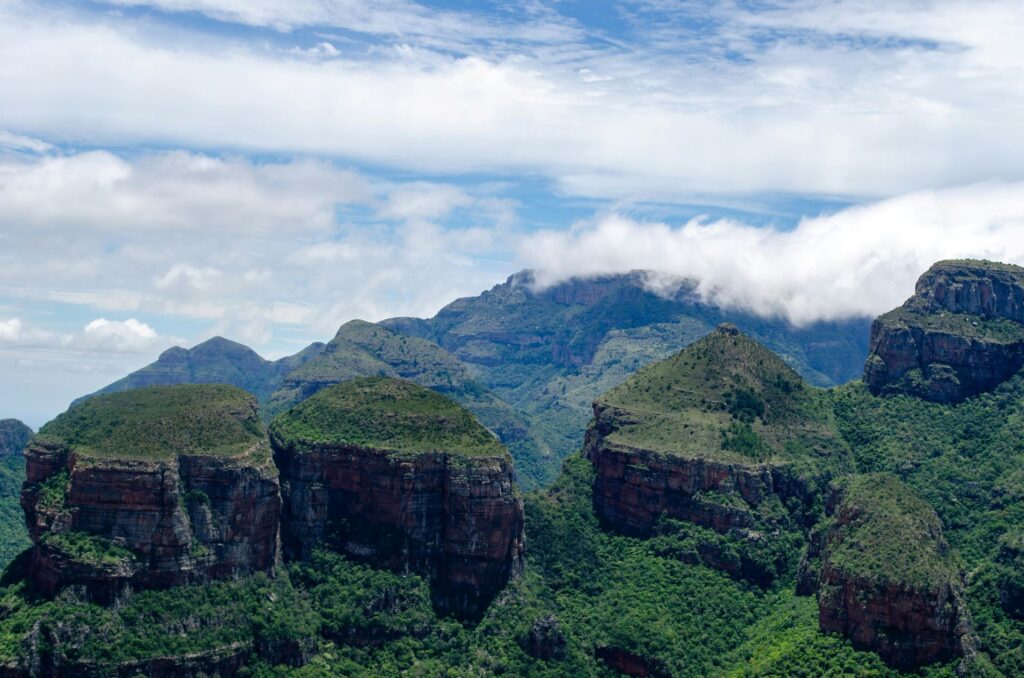
South Africa’s mountains are more than hiking destinations. They offer experiences that engage multiple senses and expand the definition of exploration. Hot-air balloon rides over the Drakensberg at dawn illuminate peaks and valleys with a soft, golden light. Paragliding from Table Mountain alternatives, such as Signal Hill in the Western Cape or Robberg in the Garden Route, brings exhilarating perspectives of altitude and landscape. Even horseback riding and trail running allow visitors to traverse terrain that might otherwise remain inaccessible.
For those seeking tranquility rather than adrenaline, simply spending a night under the stars in a mountain cabin or on a remote plateau can be transformative. The country’s dark skies, particularly in the semi-arid and highland regions, create celestial panoramas where constellations shine with startling clarity. Silence descends, punctuated only by the distant call of nocturnal creatures, offering a meditation on scale, perspective, and the rhythms of the natural world.
Seasonal Shifts: Mountains in Flux
The magic of South Africa’s mountains is inseparable from the seasons. Spring brings an explosion of wildflowers in the fynbos and alpine zones, painting slopes in purples, pinks, and yellows. Summer carries both lush greenery and the occasional afternoon thunderstorm, a reminder of the raw power of nature. Autumn offers clarity of light, crisp air, and a slow cooling that encourages reflection and long walks. Winter, often snow-capped in higher ranges such as the Drakensberg, transforms the landscape into a quiet, crystalline wonderland.
Each season not only changes the visual palette but also affects the behaviour of wildlife, the character of the trails, and the opportunities for adventure. The ever-shifting face of the mountains invites return visits, each experience distinct and alive with the promise of discovery.
Mountain Communities: Culture at the Summit
Scattered across South Africa’s peaks are communities whose lives are intimately tied to the mountains. From rural villages in KwaZulu-Natal’s foothills to wine and olive farms tucked within the Cape’s uplands, these settlements offer a glimpse into human adaptation and cultural richness. Visitors can experience local hospitality, cuisine, and crafts, enriching the journey with narratives that connect people to place.
Many communities also act as stewards of their landscapes. Conservation projects, guided tours, and eco-lodges help balance tourism with ecological responsibility. Engaging with these initiatives provides insight into the delicate interplay between development, tradition, and environmental preservation—a perspective often absent in urban explorations.
Beyond Table Mountain: A Call to Explore
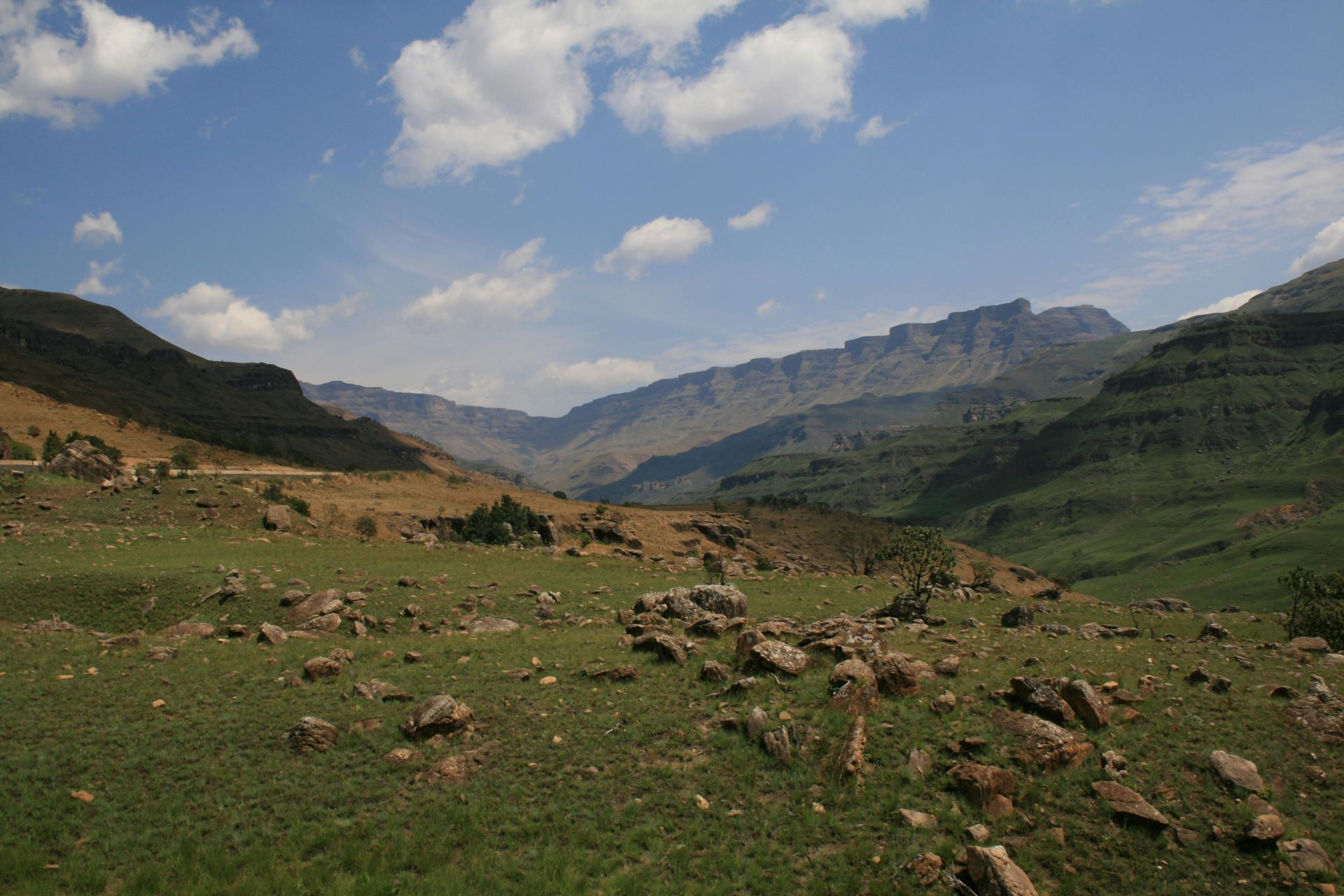
Table Mountain may remain South Africa’s most photographed peak, but its companions in the surrounding regions and across the nation offer stories, experiences, and vistas equally compelling. Each mountain has a distinct character, shaped by climate, geology, and human interaction, and each rewards curiosity and courage.
Exploring beyond the well-trodden paths is an invitation to see South Africa through a lens of depth and diversity. The country’s peaks are not merely physical challenges; they are touchstones of culture, nature, and personal reflection. To stand atop a ridge in the Drakensberg, gaze into a Cederberg canyon, or wander a Swartberg pass is to encounter the essence of South Africa: bold, beautiful, and infinitely varied.
Whether seeking adventure, contemplation, or connection with history and wildlife, travellers who venture beyond Table Mountain discover a richness that is at once humbling and exhilarating. In South Africa, the mountains are not just landscapes—they are experiences waiting to be lived, stories waiting to be heard, and magic waiting to be found.
Mandla Ndlovu
Reporting from the frontlines of the South African tourism renaissance. Bridging the gap between regional stories and global audiences through elite narrative strategy.