

Discover an Aquatic Treasure Trove Beneath South Africa’s Waves
When you think of South Africa, what springs to mind first? Perhaps it’s the sweeping savannahs of the Kruger National Park, the cosmopolitan allure of Cape Town, or the majestic peaks of the Drakensberg. But for those with a deep curiosity and a passion for exploration, the country’s most extraordinary wonders lie below the surface—hidden in the mysterious, ever-moving world beneath its coastal waters. Welcome to South Africa’s underwater realm, a place where marine biodiversity, geological history, and awe-inspiring beauty converge to offer one of the world’s most compelling aquatic experiences. Whether you’re a seasoned diver, a marine biology enthusiast, or a traveler in search of unforgettable experiences, the country’s vibrant marine ecosystems promise an encounter that goes far beyond the ordinary.
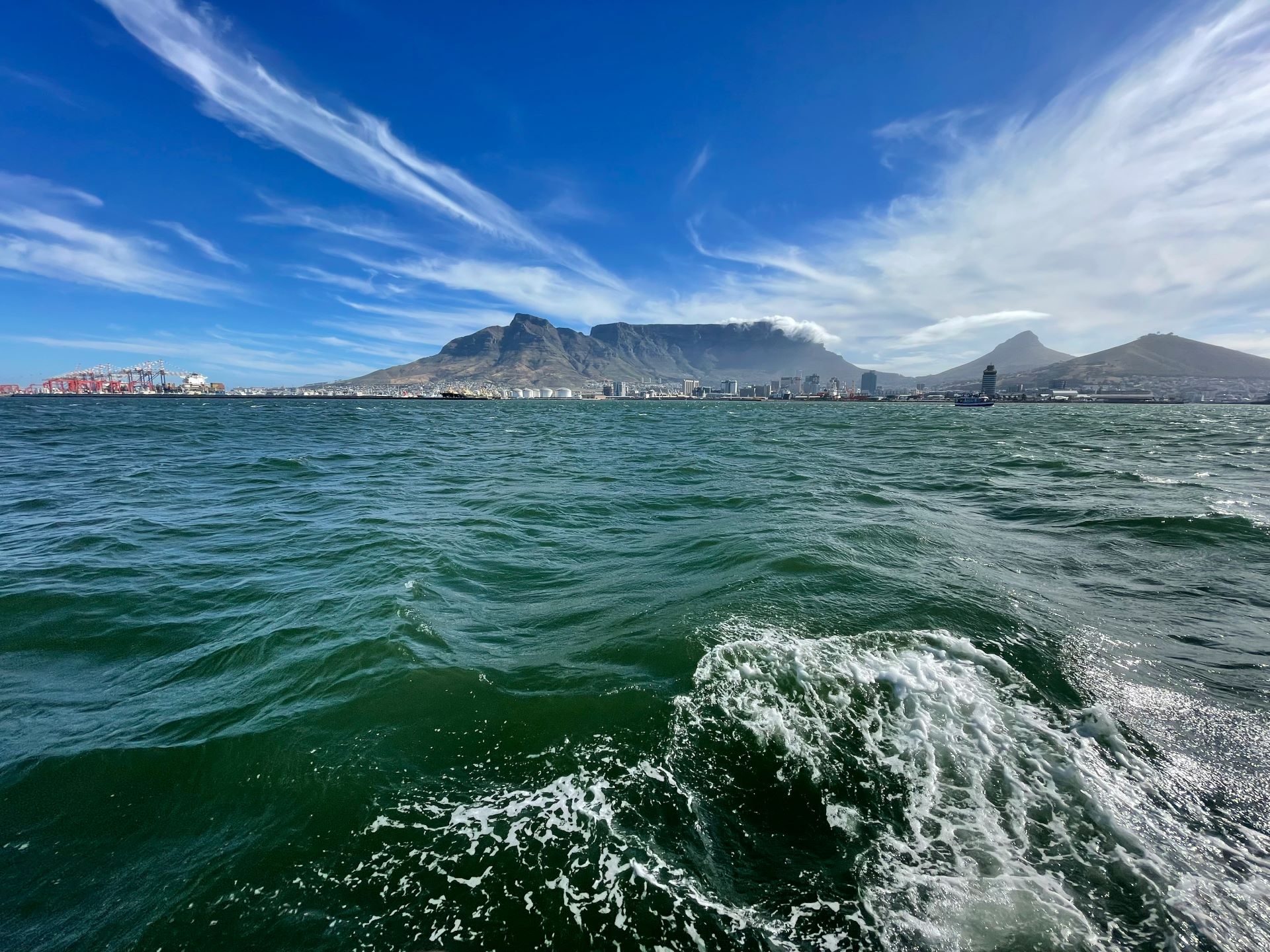
The appeal of South Africa as a destination is undeniable, and while its terrestrial landscapes have long commanded attention in global tourism, the oceans tell a story just as compelling—one painted in hues of blue and teeming with life. Stretching over 2,500 kilometers, the South African coastline is shaped by the meeting of two powerful ocean currents: the cold Benguela from the Atlantic in the west and the warm Agulhas from the Indian Ocean in the east. This convergence not only defines the country’s diverse coastal environments but also creates the perfect setting for an underwater adventure like no other. From the coral reefs of Sodwana Bay to the shipwrecks along the Cape Peninsula, South Africa offers a breathtaking array of dive sites suited to all levels of experience. You’re not just exploring marine environments—you’re stepping into natural theatres that tell stories of evolution, survival, and the deep interconnectedness of life.
Immersive Encounters That Redefine Travel
Imagine descending into a world where sunlight filters through kelp forests, casting golden beams on shy octopuses, darting fish, and dancing sea anemones. Picture drifting alongside the massive yet graceful presence of a whale shark or hearing the distant clicks of dolphins as they navigate the deep. In South Africa, these are not rare fantasies but real possibilities, thanks to the country’s commitment to marine conservation and sustainable ecotourism. Sites like the iSimangaliso Wetland Park—South Africa’s first UNESCO World Heritage Site—highlight the importance of preserving aquatic ecosystems not just for science, but for human inspiration. Here, tourism and ecology work hand in hand, allowing you to become part of a broader story of environmental stewardship.
In destinations such as Aliwal Shoal and Protea Banks, thrill-seekers are treated to adrenaline-filled dives among ragged-tooth sharks, tiger sharks, and even hammerheads, while the calmer, warmer waters of the eastern coast open up kaleidoscopic coral gardens perfect for underwater photography. Yet beyond the thrilling encounters and postcard-worthy moments, diving in South Africa is also an act of learning and connection. You gain insights into marine migration patterns, the fragility of coral systems, and the critical importance of responsible tourism practices in protecting ocean habitats for future generations. Every dive becomes a lesson in balance—between awe and awareness, between exploration and preservation.
By choosing to explore South Africa’s underwater marvels, you join a growing number of travelers who are redefining what it means to connect with a destination. You’re not simply observing from a distance; you’re immersing yourself in the natural rhythm of a world few get to see—one that changes you just as much as your presence leaves an imprint. The rewards are immense: not just in terms of adventure and beauty, but in the lasting sense of wonder and respect for a part of the world that reminds us how little we still know, and how much we still need to protect.
In the vast and vibrant theatre of South Africa’s marine world, every dive becomes more than just a recreational pursuit—it becomes a call to curiosity, a celebration of nature’s artistry, and an unforgettable chapter in your journey through one of the planet’s most diverse and dynamic destinations. So gear up, take the plunge, and let the waves guide you into the heart of South Africa’s aquatic magic.
The Rich Biodiversity of South Africa’s Coastal Waters
A Tapestry of Life Beneath the Surface
The biodiversity found in South Africa’s coastal waters is nothing short of extraordinary. As you trace the curves of the country’s shoreline—from the wild Atlantic swells of the west coast to the warm Indian Ocean tides of the east—you’ll discover that this marine frontier is among the most biologically diverse on the planet. For you as a traveler, diver, or nature enthusiast, it presents a compelling reason to explore beyond the safari plains and mountain trails, and into a world where vibrant life exists in quiet, fluid motion. This thriving undersea realm is defined by a fusion of ecosystems, each playing a critical role in the delicate marine balance, and it reveals a side of South Africa you may never have imagined—dynamic, fragile, and infinitely inspiring.
At the heart of this marine richness lies the meeting of two major ocean currents: the nutrient-rich Benguela Current from the Antarctic and the warmer Agulhas Current flowing southward from the tropics. This climatic and ecological convergence has created one of Earth’s most productive marine environments, supporting everything from coral reefs and kelp forests to deep-sea canyons and estuarine lagoons. The result is a hotbed of biodiversity teeming with thousands of species, many of which are endemic—found nowhere else in the world. For you, this means every dive, every coastal walk, and every snorkel excursion can become a journey into the unknown, a first-hand experience of evolutionary wonder and ecological complexity.
An Ocean of Wonders: Species That Define the Coast
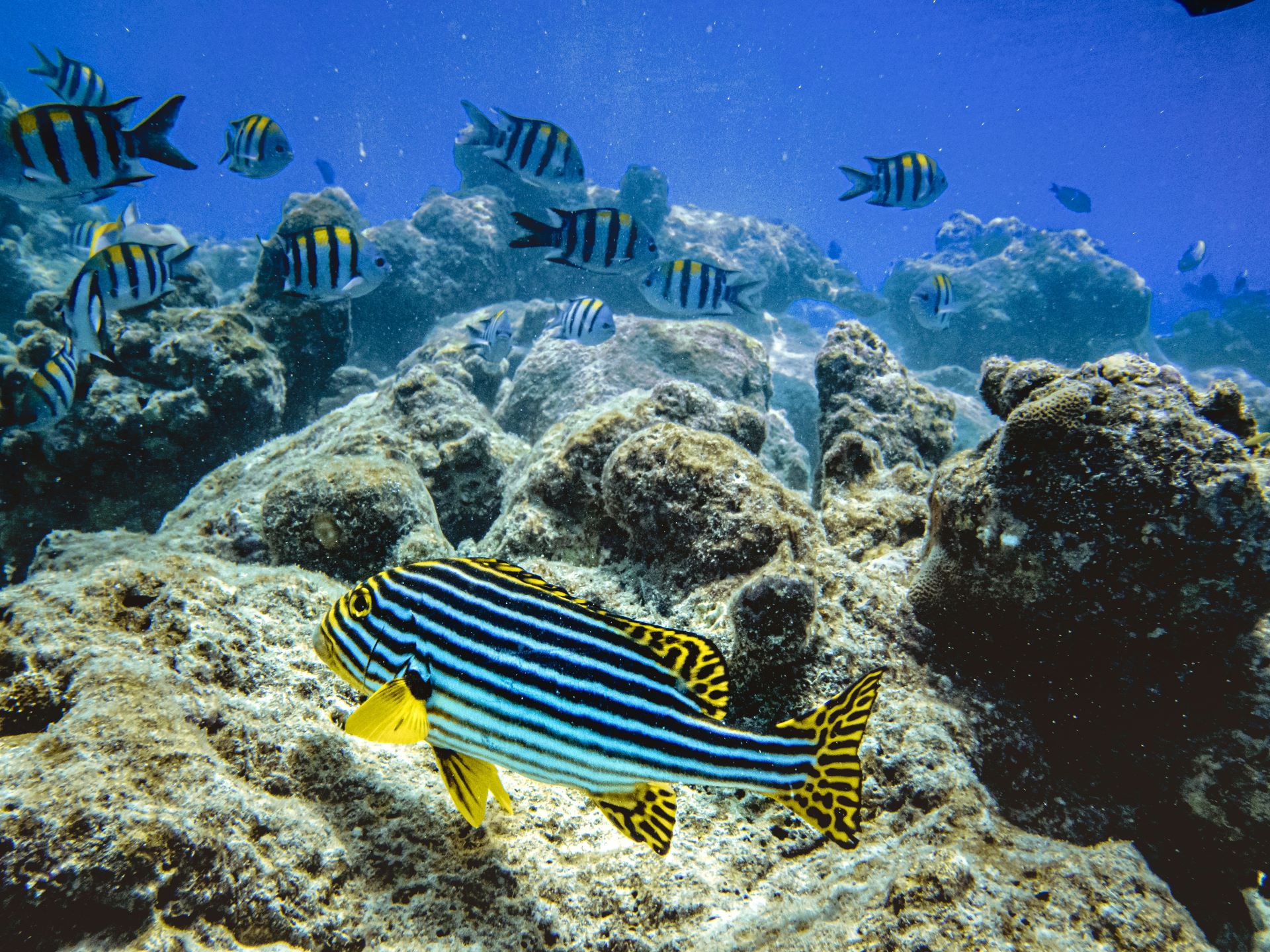
Step into the waters of Sodwana Bay, and you’ll be greeted by an underwater dreamscape filled with soft corals, sponges, and schools of jewel-toned fish. Located within the iSimangaliso Wetland Park, this section of South Africa’s coastal waters is a biodiversity hotspot and part of a UNESCO World Heritage Site. Here, loggerhead and leatherback turtles nest on protected beaches, while offshore, manta rays, whale sharks, and even humpback whales pass through during their seasonal migrations. The area’s reef system supports over 1,200 species of fish—more than the entire Caribbean—making it one of the most sought-after diving destinations in the Southern Hemisphere.
But biodiversity in South Africa isn’t limited to the tropics. Along the Western Cape, the cold waters of the Benguela Current give rise to another world entirely. Picture yourself submerged in a forest of giant kelp off the coast of False Bay, where Cape fur seals dart playfully through the fronds and shy pajama sharks lurk in rocky crevices. The nutrient-rich upwellings here sustain vast colonies of seabirds, including African penguins and cormorants, and are vital to the survival of marine mammals like dolphins and southern right whales. Each creature, whether visible or hidden in the shadows, is part of a vast and interconnected web that reflects the resilience and beauty of the natural world.
This remarkable variety in species is made even more special by the level of endemism. More than 13% of South Africa’s marine fish species are found nowhere else—a reflection of both isolation and adaptation over millennia. You may come across the elusive Knysna seahorse, a rare and diminutive creature found only in select estuaries, or the spectacular galjoen, South Africa’s national fish, gliding through the surf zones. These encounters are more than just moments of excitement—they’re windows into a legacy of life that stretches back through time, shaped by the movement of currents and the quiet persistence of evolution.
A Call to Conserve: Why Biodiversity Matters
With such abundance and beauty, it’s easy to lose yourself in the magic of South Africa’s coastal ecosystems. But as you marvel at their richness, it’s also vital to understand their fragility. Climate change, pollution, overfishing, and habitat destruction all pose significant threats to marine environments around the world—and South Africa is no exception. Coral bleaching events, plastic waste in remote bays, and declining fish stocks serve as reminders that this underwater wealth is not infinite.
This is where biodiversity becomes more than a scientific term—it becomes a call to action. Every species in an ecosystem plays a role, from the smallest plankton to the mightiest whale. Lose one, and the balance can shift dramatically. As a traveler, you have the power to support efforts that safeguard this natural heritage. Choose eco-conscious tour operators who adhere to responsible diving practices. Visit marine protected areas (MPAs), which have been proven to enhance the resilience of ecosystems. Learn about community-led conservation efforts that blend traditional knowledge with scientific insight.
And perhaps most importantly, approach these waters with humility and respect. The coastal biodiversity of South Africa offers not just an experience, but a lesson—a reminder of how deeply interconnected life is, and how human choices echo across environments we may never fully understand.
You don’t need to be a marine biologist to appreciate this. You only need to be present—to observe, to listen, and to marvel. Whether you're photographing the vivid patterns of a nudibranch, watching a whale breach on the horizon, or simply walking along a tide pool at sunset, you're participating in something extraordinary. You’re not just seeing the world; you're connecting with a part of it that still holds mystery, still holds meaning, and still holds hope.
So, if you’re seeking an experience that stirs your curiosity, your conscience, and your sense of wonder, let the biodiversity of South Africa’s coastal waters be your guide. This living seascape has stories to tell—stories of resilience, renewal, and the astonishing beauty of life in all its forms.
Iconic Dive Sites: From Aliwal Shoal to Sodwana Bay
Discovering the Depths of South Africa’s Underwater Paradise
Few countries can match the extraordinary diving diversity of South Africa, a nation whose coastal waters teem with marine life and dramatic seascapes. Whether you're a seasoned diver or new to the world beneath the waves, South Africa presents an oceanic odyssey that is both humbling and unforgettable. From the legendary Aliwal Shoal to the pristine reefs of Sodwana Bay, each site offers a unique chapter in the story of underwater exploration. What sets this nation apart is not only the richness of its marine ecosystems but the way in which its dive sites are woven into the cultural and ecological tapestry of the land. Here, tourism becomes more than recreation—it’s an immersive, sensory experience that invites you to witness one of nature’s grandest performances.
Located along the eastern coast, South Africa’s premier dive sites benefit from the convergence of warm and cool currents, creating a nutrient-rich environment where biodiversity flourishes. This exceptional natural architecture makes South Africa one of the most compelling destinations for marine adventures. In this country, diving is not simply about spotting fish—it’s about exploring underwater caves, drifting over shark-filled drop-offs, and floating above coral gardens so vivid they rival the most well-known tropical paradises. Every dive brings you closer to the rhythm of the ocean, allowing you to witness an intricate balance of life that evolves in real time.
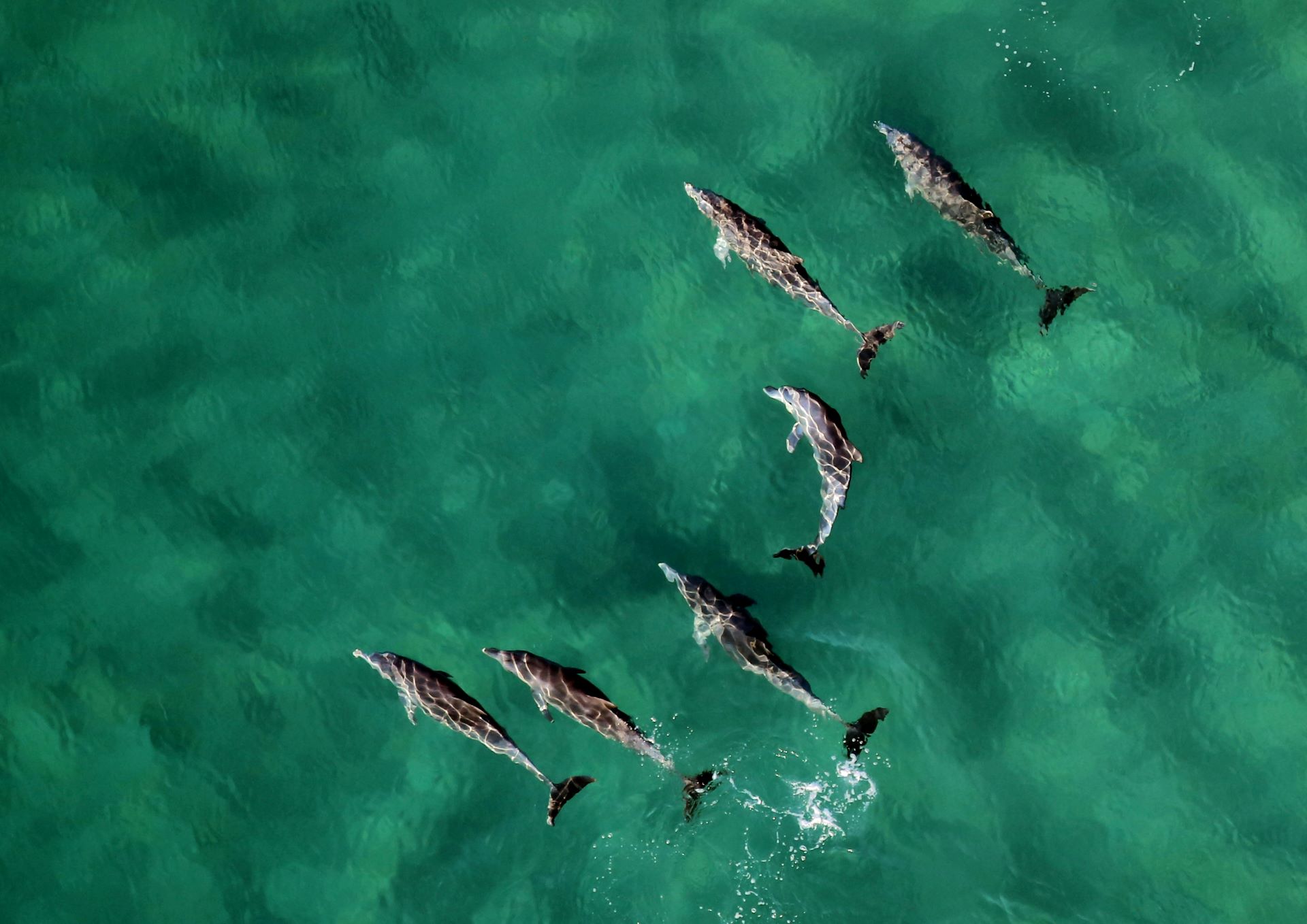
Your journey through South Africa’s dive destinations is more than an escape; it is a deep dive into the pulse of the planet. Whether you're gazing at a pod of dolphins dancing in the swell or observing a slow-moving turtle gliding over reef ridges, you become a witness to ecosystems that have been sculpted by time, current, and climate. You don’t just visit South Africa—you become part of its underwater heartbeat.
Aliwal Shoal: A Cathedral of Marine Life
Just off the KwaZulu-Natal coast, near the town of Umkomaas, lies one of the world’s most acclaimed dive sites: Aliwal Shoal. A submerged fossilised sand dune formed thousands of years ago, this shoal is now home to an explosion of marine life, from swarming bait balls and colourful reef fish to apex predators like ragged-tooth sharks. In fact, Aliwal Shoal is one of the few places on Earth where you can reliably dive with these formidable creatures in their natural habitat—often with astonishing visibility and minimal current, making it accessible even to intermediate divers.
What makes Aliwal Shoal so awe-inspiring isn’t just the marine species, but the structure itself. Picture dramatic pinnacles, ledges, and caves that beckon you to explore further. Wreck dives add an extra dimension of intrigue. The Produce and the Nebo, both sunken cargo ships, have become artificial reefs teeming with aquatic life. These shipwrecks offer hauntingly beautiful dives and are steeped in history, adding narrative depth to your adventure.
Aliwal Shoal is also a major attraction for marine conservation and ecotourism. The Marine Protected Area (MPA) established around the site has helped maintain its ecological integrity, making it a leading example of sustainable tourism in South Africa. As you fin through its blue corridors, you'll feel the harmony between exploration and preservation. Every glance reveals a story, every moment strengthens your connection to the wild—and it’s all waiting just a short boat ride from shore.
Sodwana Bay: Jewel of the iSimangaliso Wetland Park
Further north along the KwaZulu-Natal coastline, nestled within the UNESCO-listed iSimangaliso Wetland Park, lies another crown jewel of South Africa’s dive portfolio—Sodwana Bay. Revered for its coral biodiversity, Sodwana is considered one of the top 10 dive destinations in the world, offering a warm-water experience brimming with colour, contrast, and life. The bay is home to some of the southernmost coral reefs on Earth, a rare occurrence that makes each dive a fascinating blend of tropical and temperate marine life.
Here, you’ll encounter a staggering array of coral species—over 90 types—interwoven into a reef system that stretches across kilometres. The topography ranges from shallow coral gardens perfect for novice divers to deeper drop-offs and swim-throughs that challenge the more experienced. On any given day, you might find yourself face-to-face with moray eels, lionfish, potato bass, or even whale sharks gliding silently through the deep. Turtles nest along the beaches, and humpback whales often breach in the distance during migration season, providing surface-level spectacles that are just as memorable as the dives below.
What distinguishes Sodwana Bay is the sense of untouched beauty. The area has been carefully managed to protect its fragile ecosystems, and the commitment to eco-conscious tourism is evident in every aspect—from the dive operators' sustainable practices to the support for local conservation initiatives. Diving in Sodwana is a reminder of what the ocean can be when allowed to thrive, and as a visitor, you’re contributing to a cycle of protection and appreciation.
For many, diving here becomes a transformative experience. It’s not just about checking off a bucket-list destination—it’s about realising the fragility of our oceans, and the power we hold in protecting them. Sodwana Bay opens your eyes to a world of luminous detail and silent movement, where every reef ridge and sea fan tells a story millions of years in the making.
A Journey that Deepens with Every Dive
Traveling through South Africa’s iconic dive sites is like flipping through the pages of a living atlas. Each location brings with it a different tone, a different texture, a different lesson. Aliwal Shoal, with its dramatic marine topography and predatory presence, teaches you about power and balance. Sodwana Bay, soft and radiant with biodiversity, reveals the gentler rhythms of the ocean’s heartbeat. Together, these dive sites capture the essence of what makes South Africa a leader in global diving destinations.
And yet, beyond the reefs and wrecks, beyond the sightings and statistics, what remains is how it makes you feel. You emerge from the water not just exhilarated but enriched—more connected to the natural world and more aware of your role within it. This is the power of oceanic tourism done right: not just to show you beauty, but to deepen your appreciation of it.
So, if you're searching for a destination that will challenge your spirit, inspire your senses, and elevate your travel experience, let South Africa guide you to its underwater icons. The call of the ocean is unmistakable here, and its wonders are waiting to be explored—by you.
Wreck Diving: Exploring Sunken Histories Beneath the Surface
Discover the Underwater Storybook of South Africa
South Africa is a land of rich contrasts—sweeping savannahs, jagged mountain ranges, and vibrant cities brimming with culture. But beneath the surface of its coastal waters lies an entirely different world—one where sunken ships sleep silently on the ocean floor, guarded by corals, shrouded in seaweed, and frequented by curious marine life. These wrecks, once vessels of commerce, war, and migration, have transformed into sanctuaries of marine biodiversity and living museums of human history. For the adventurous spirit, diving into these sites is not just a recreational pursuit—it’s a time-traveling journey into South Africa’s maritime past.
As you descend through the blue depths, the familiar world fades and is replaced by eerie silhouettes of forgotten steel and timber. In these submerged ruins, you begin to grasp the incredible narrative depth South Africa’s oceans have to offer. The wrecks that dot its coastline are more than remnants of tragedy or misadventure—they are silent witnesses to shifting tides of empire, exploration, and environmental transformation. In South Africa, wreck diving is both an adventure and a form of storytelling. Each dive is a chance to peel back layers of time and reawaken stories long left behind.
What sets South Africa apart as a wreck diving destination is not just the sheer variety of sites available—from 17th-century trading ships to World War II freighters—but also the accessibility and conservation of these dive spots. Many of the most intriguing wrecks are just a short boat ride from shore, and the South African diving community has embraced sustainable practices to preserve both the artefacts and the marine ecosystems that have made them their home. With every wreck, you’ll find yourself immersed in a multidimensional experience that blends history, ecology, and emotion in a way few destinations can offer.
Where Metal Meets Memory: The Wrecks of the Cape Coast
South Africa’s Cape Coast, with its tempestuous waters and strategic location along historical trade routes, has long been a graveyard for ships—and a goldmine for wreck divers. As you explore this region, you’ll encounter more than just structural remains. You’ll find the footprints of Dutch East India traders, British naval power, and early settlers, each leaving a piece of their history beneath the waves.
One of the most storied wrecks near Cape Town is the SS Clan Stuart, a British cargo steamer that ran aground near Simon’s Town in 1914. Today, the remains of the Clan Stuart rest in shallow waters, making it an ideal introduction to wreck diving. Despite over a century of exposure to the sea, the wreck’s steel frame is still easily recognisable and offers a haven for marine life. Schools of fish dart through rusted corridors, and soft corals cling to weathered metal, transforming what was once a disaster into an ecosystem thriving in renewal.
Just further down the coast lies the Maori wreck—another iron-hulled steamship that succumbed to the merciless South Atlantic in 1909. Located near Hout Bay, the Maori is known for its dramatic setting, nestled against underwater cliffs and caves that give the dive an almost cinematic quality. The site’s historical cargo—glassware, crockery, and railway materials—still rests scattered around the ocean floor, offering divers a visceral connection to another era.
These wrecks, and many others, are more than underwater curiosities; they are anchors to South Africa’s past. By exploring them, you gain a tactile sense of how people once lived, traded, and voyaged. It is one thing to read about colonial sea routes in a history book; it is another to swim through their ruins, feeling the cold steel, seeing the encrusted anchors, and recognising the enormity of journeys once undertaken.
The Wild Waters of KwaZulu-Natal: A Theatre of Conflict and Coral
Head north to KwaZulu-Natal, and you’ll find a coastline steeped in both history and marine splendour. The warm waters of the Indian Ocean, fed by the Agulhas Current, have hosted everything from World War II naval action to modern conservation efforts. Here, wreck diving takes on new depth—both literally and metaphorically.
Perhaps the most famous wreck in the region is the Produce, a Norwegian tanker that sank near Aliwal Shoal in 1974. Lying at a depth of around 30 metres, the Produce is renowned for its imposing size and accessibility. It has become an artificial reef alive with activity—shoals of fusiliers stream past while potato bass and turtles take shelter among the beams. But beyond the life it sustains today, the Produce tells a compelling story of maritime commerce, oil logistics, and globalisation—remnants of a modern industrial age now fossilised beneath the sea.
Nearby, the Nebo offers a more mysterious dive. This cargo ship sank in 1884 on its maiden voyage while carrying railway materials, and the cause remains debated. The wreck is fragile and enigmatic, often shrouded in currents and silt. It offers a more technical challenge but also a sense of intimacy—of exploring something almost secret, as if the ocean itself has tried to keep the story hidden.
The allure of KwaZulu-Natal’s wrecks lies not just in their physical structures but in their dramatic placement amid living coral systems. Unlike colder waters where wrecks can appear lifeless or foreboding, the Indian Ocean breathes colour and vitality into these sunken skeletons. It’s a rare and beautiful juxtaposition—industrial decay and organic rebirth—and it’s one that speaks to the heart of South Africa’s unique character.
More Than Diving: A Connection to Legacy and Landscape
To dive in South Africa is to engage with the world in a way that is deeply human and profoundly humbling. Wrecks are not just accidents or artefacts; they are monuments to the ambitions, failures, and triumphs of people who once sought to conquer the oceans—and often lost. And yet, out of that loss comes life. Coral reefs rise on steel hulls, schools of fish find homes in wheelhouses, and new generations of divers come to honour what lies below.
In an era when travel often skims the surface—photographs taken, boxes ticked—wreck diving offers something rare: immersion. Not just in water, but in history, heritage, and introspection. These dive sites are time capsules. And as you swim through them, you become part of a lineage of explorers, archaeologists, and conservationists—those who choose to look deeper, linger longer, and understand more.
South Africa’s wreck dives are a call to curiosity. They are proof that even in stillness, stories live on. And they are waiting for you—beneath the surface, beyond the reef, and within reach.
Charting the Course Forward: Embracing and Protecting South Africa’s Underwater Treasures
Discovering the Deep: A New Era for South Africa’s Aquatic Heritage
South Africa is renowned for its breathtaking landscapes and cultural richness, but some of its most extraordinary treasures lie hidden beneath the surface—beneath the tides, within kelp forests, along coral-covered reefs, and around shipwrecks teeming with marine life. These aquatic wonders are not just ecological marvels; they are living stories—repositories of natural beauty, historical depth, and immense economic potential. As a traveller, your journey through South Africa doesn’t have to end at the water’s edge. It can—and should—take you deeper, into a world where preservation meets exploration, and where responsible tourism can help ensure that these underwater legacies endure for generations to come.
The coasts and oceans that embrace South Africa span two major marine biomes, offering incredible biodiversity that is both globally significant and locally cherished. From the pristine reefs of Sodwana Bay to the kelp-draped shipwrecks near Cape Town, these underwater environments serve as vital habitats for species found nowhere else on Earth. But they are also under threat—from climate change, pollution, overfishing, and unregulated human activity. As a traveller with a sense of responsibility and wonder, you are uniquely positioned to support the balance between access and protection. By choosing eco-conscious dive operators, respecting marine sanctuaries, and educating yourself about local conservation efforts, your presence becomes part of the solution rather than the problem.
At the intersection of marine biology, heritage preservation, and sustainable development lies a powerful opportunity for South Africa to lead the way in aquatic tourism. Organisations, communities, and conservationists across the country are working tirelessly to map, monitor, and protect these submerged assets. Their mission is not only to protect ecosystems, but to uplift coastal communities, boost local economies, and foster environmental awareness through well-managed, experience-rich travel offerings. For you, that means the chance to explore not only the natural beauty of the deep, but also the cultural narratives that define these spaces—from ancient trade routes to shipwreck archaeology and the evolving story of marine conservation.
In charting this course forward, your journey becomes more than a vacation. It becomes a statement—a declaration that the true value of South Africa’s aquatic world lies not just in what it offers you, but in how you help protect it. The sea, after all, doesn’t separate; it connects. And in South Africa, it invites you to dive into something deeper, more meaningful, and undeniably unforgettable.
Mandla Ndlovu
Reporting from the frontlines of the South African tourism renaissance. Bridging the gap between regional stories and global audiences through elite narrative strategy.