

The Allure of South Africa’s Oceans
Stretching over 2,500 kilometers, South Africa’s coastline is a canvas of dramatic cliffs, pristine beaches, and hidden inlets that cradle some of the richest marine ecosystems on Earth. Here, the ocean is not merely a backdrop for adventure—it is a living, breathing entity, a sanctuary for creatures both colossal and minute, and a space where humans can forge meaningful connections with nature. South Africa’s oceanic wonders encompass experiences that stir the senses, broaden the mind, and ignite a profound appreciation for life beneath the waves. From whale watching along rugged shores to exploring coral reefs teeming with life, from immersive eco-diving excursions to guided marine park tours, the country offers an unparalleled gateway into the world of ocean conservation.
At the heart of these experiences is a commitment to sustainability. Visitors are invited not just to observe, but to participate in conservation efforts, to understand the delicate balance of marine ecosystems, and to support local communities whose livelihoods are inextricably linked to the health of the sea. Here, tourism becomes a force for preservation, where enjoyment and education intertwine seamlessly, and every encounter leaves an imprint of awareness and inspiration.
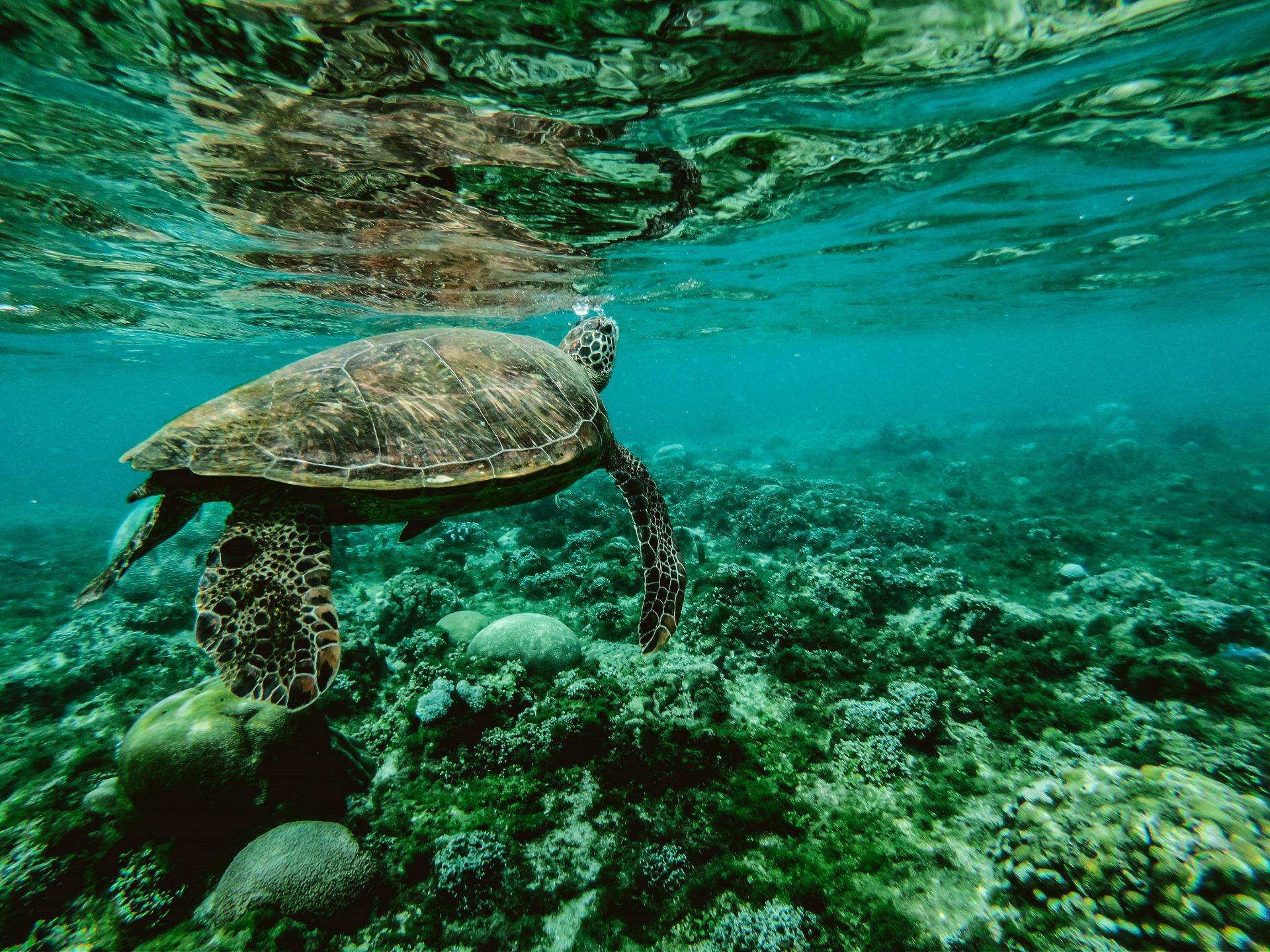
Whale Watching: Giants Beneath the Waves
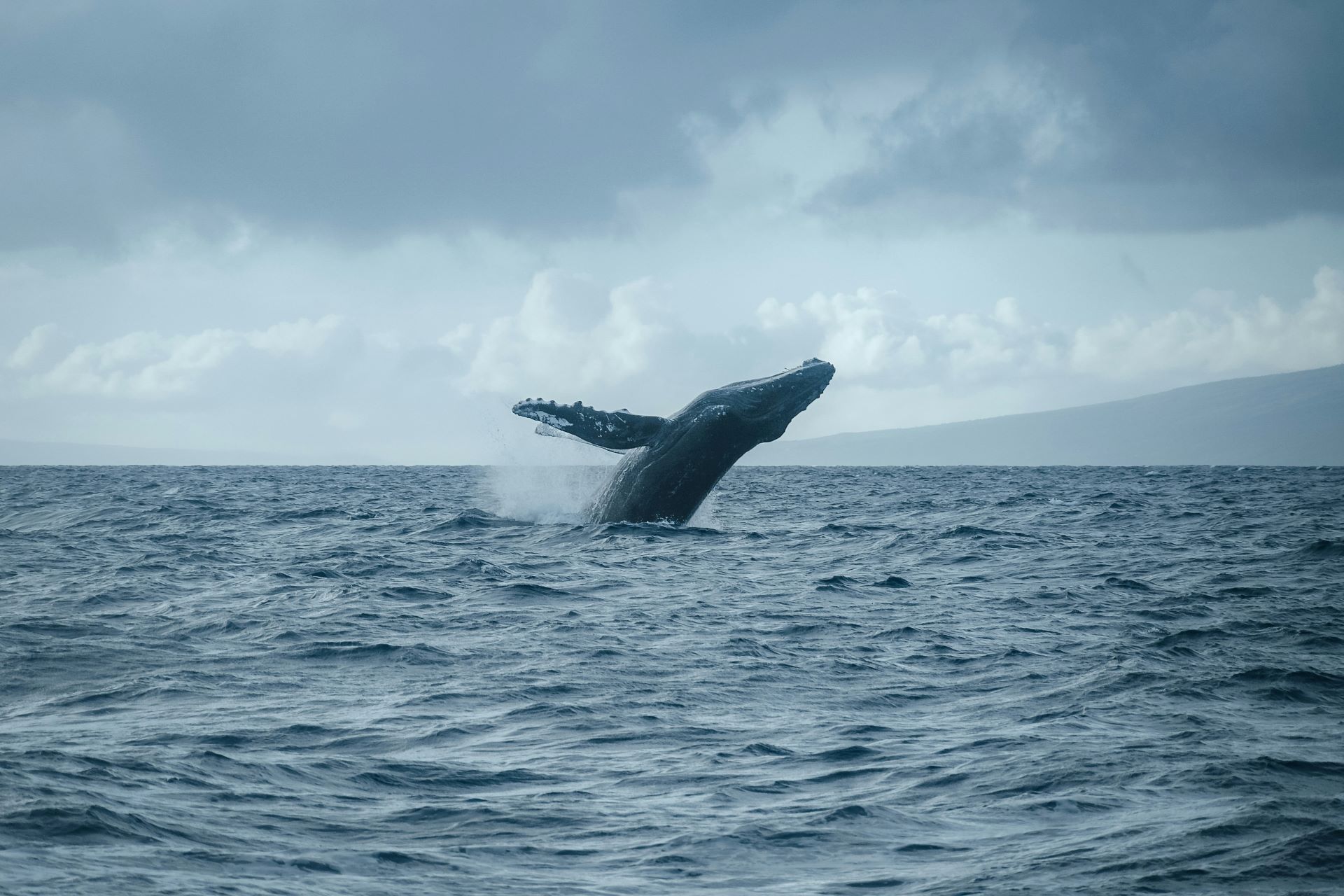
Few spectacles rival the awe of witnessing a whale breach the surface, water cascading from its immense form, a testament to life in its most majestic state. South Africa offers world-class whale watching, particularly between June and November, when Southern Right Whales migrate along the coast to mate, calve, and nurture their young. Hermanus, the global capital of land-based whale watching, provides unique vantage points from cliff paths, where whales can often be seen mere meters from the shore. For those seeking closer encounters, boat-based tours escorted by marine biologists offer exhilarating and educational experiences, allowing observers to witness feeding behaviour, social interaction, and migration patterns up close.
Further along the coastline, KwaZulu-Natal presents a subtropical marine corridor where Humpback Whales journey northwards, often accompanied by playful dolphins. Operators in this region adhere to strict eco-tourism guidelines, ensuring minimal disturbance to wildlife while maximizing learning opportunities. These encounters foster not only admiration but also a sense of responsibility, as tourists witness firsthand the challenges whales face from ocean pollution, climate change, and human activity.
Marine Parks: Guardians of Biodiversity
South Africa’s marine protected areas (MPAs) are pivotal in preserving the country’s extraordinary coastal biodiversity. These zones safeguard habitats ranging from kelp forests to coral reefs, rocky intertidal zones, and sandy lagoons. Each park is a microcosm of life, home to species that exist nowhere else, from abalone and rock lobster to endemic fish and penguin colonies.
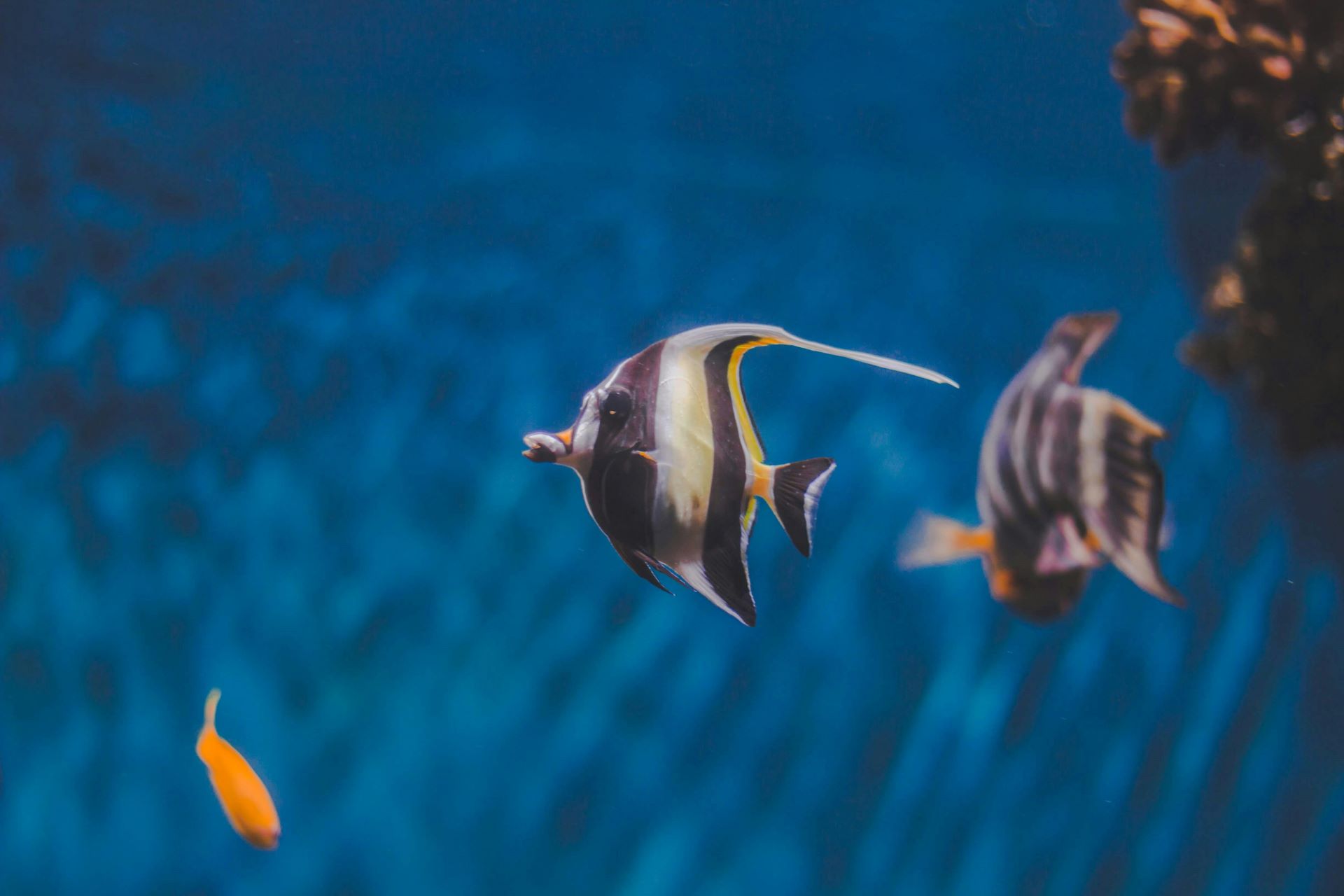
The Tsitsikamma Marine Protected Area, part of the Garden Route National Park, showcases vibrant kelp forests that provide shelter for countless marine species. Snorkelers and divers glide alongside colorful reef fish, octopuses, and even shy seahorses, guided by eco-trained instructors who explain the intricate balance sustaining these ecosystems. In the Western Cape, the Table Mountain National Park MPA preserves the cold, nutrient-rich waters of False Bay. Kayaking tours along secluded coves reveal African penguins, seals, and diverse seabird populations, all underlining the importance of protecting these fragile environments from overfishing, pollution, and habitat degradation.
The network of MPAs represents a blueprint for sustainable tourism, combining preservation with visitor engagement. By regulating human activity, limiting resource extraction, and fostering public awareness, these parks ensure that the marine wealth of South Africa continues to thrive for generations.
Eco-Diving: Immersion into the Underwater World
For the adventurous, eco-diving is the ultimate portal into South Africa’s underwater realm. Sites such as Aliwal Shoal and Sodwana Bay offer unparalleled biodiversity, from vibrant coral gardens to apex predators like ragged-tooth sharks. Eco-diving operators prioritize conservation, teaching divers to respect fragile ecosystems, avoid direct contact with coral, and observe wildlife responsibly.
Aliwal Shoal, a 5-kilometer coral reef off the KwaZulu-Natal coast, is renowned for its kaleidoscope of reef fish, rays, and sharks. Diving here offers both adrenaline and education, as guides explain the role of predators in maintaining ecological balance. Sodwana Bay, within the iSimangaliso Wetland Park, features tropical coral ecosystems in southern Africa, with sponges, reef fish, and intricate reef formations that reveal the interconnectedness of marine life.
Through eco-diving, tourists become participants in a narrative of protection and awareness. Each dive is a lesson in the fragility of the oceans, emphasizing the impacts of overfishing, climate change, and pollution, and highlighting the role of individuals in driving conservation.
Sustainable Tourism: Impact Beyond Sightseeing
South Africa’s ocean tourism is increasingly intertwined with sustainability. Operators are adopting practices such as limiting tour group sizes, using fuel-efficient boats, implementing strict wildlife interaction protocols, and contributing to local conservation programs. This approach transforms tourism into a vehicle for positive change, where every ticket purchased, every dive booked, and every tour taken contributes directly to protecting marine ecosystems.
Visitors are encouraged to engage with citizen science initiatives, from recording whale sightings to monitoring reef health. Educational briefings emphasize the importance of sustainable fishing practices, reducing plastic waste, and supporting local conservation projects. Through these initiatives, tourists are not passive consumers but active stewards of the marine environment.
Local Communities and Conservation
Behind South Africa’s thriving ocean conservation tourism are communities whose livelihoods, traditions, and cultures are inextricably tied to the sea. Fishermen, guides, marine biologists, and conservationists collaborate to create experiences that are both authentic and responsible. In many coastal towns, local communities benefit from eco-tourism through employment, skill development, and entrepreneurship, fostering a cycle of empowerment and environmental stewardship.
Programs such as community-led eco-lodges and conservation awareness campaigns enable locals to share traditional knowledge and insights about marine ecosystems while supporting sustainable livelihoods. These initiatives highlight the interdependence of ecological and human systems, illustrating that the preservation of the ocean is inseparable from the well-being of coastal communities.
Seasonal Highlights and Best Destinations
South Africa’s oceans offer different experiences depending on the season. Winter brings Southern Right Whales close to the southern and western coasts, while Humpback Whales travel along the subtropical east coast. Summer offers vibrant coral reefs and optimal conditions for diving and snorkeling, as tropical waters teem with life.
Key destinations include Hermanus for whale watching, Tsitsikamma and Table Mountain MPAs for marine biodiversity exploration, Aliwal Shoal and Sodwana Bay for eco-diving, and Robberg Peninsula for coastal birdwatching and seal colonies. Each destination provides a distinct lens into South Africa’s marine richness, offering both adventure and education in every encounter.
Future of Ocean Conservation Tourism
South Africa’s commitment to marine preservation is a model for global eco-tourism. Ongoing research and technological advances in marine monitoring, combined with growing awareness among tourists, promise a future where tourism and conservation are fully integrated. Initiatives such as reef restoration projects, marine wildlife tagging, and community-led conservation programs demonstrate that tourism can be a powerful tool for environmental protection.
The next decade will likely see increased investment in eco-friendly infrastructure, improved marine data collection, and further collaboration between scientists, local communities, and operators. This vision positions South Africa not just as a destination, but as a leader in sustainable ocean exploration.
A Call to Explore Responsibly
South Africa’s oceans are alive with magic, mystery, and meaning. From the majestic breach of a whale to the intricate patterns of a coral reef, from the thrill of eco-diving to the quiet contemplation along a cliff-top trail, every encounter offers insight into the delicate balance of marine life. Visitors leave transformed, carrying not only memories but a deepened sense of responsibility for the oceans that sustain us all.
By choosing responsible tours, supporting local communities, and engaging with conservation initiatives, travelers can ensure that these magical marine landscapes endure. South Africa’s ocean conservation tours invite exploration that is mindful, immersive, and impactful—a celebration of life beneath the waves and an affirmation of humanity’s capacity to protect and cherish the natural world.
Ronel Ferreira
Reporting from the frontlines of the South African tourism renaissance. Bridging the gap between regional stories and global audiences through elite narrative strategy.